
Category: Publications
In Bloom: AWDF Activity Report 2017
In Bloom: AWDF Activity Report 2017
This year, AWDF set the stage for our new strategic plan Shaping the Future (2017-2021). It was a year of significant expansion in our budget, in our programming and also growth in our staff team as we began our planned scale-up in contributions in the world of African feminist philanthropy. Under our new strategic plan, AWDF has a threefold aim of resourcing African women’s organisations and movements to promote, protect and realise women’s human rights, amplifying African women’s rights, concerns and resourcing agendas; and sustaining AWDF as a financially secure, effective and well governed feminist philanthropic organisation.
To read our activity report in full, click the link below.
The Journey of Building Positive Networks, a Profile of Herschelle Milford, CEO of Surplus People’s Project
The Journey of Building Positive Networks, a Profile of Herschelle Milford, CEO of Surplus People’s Project
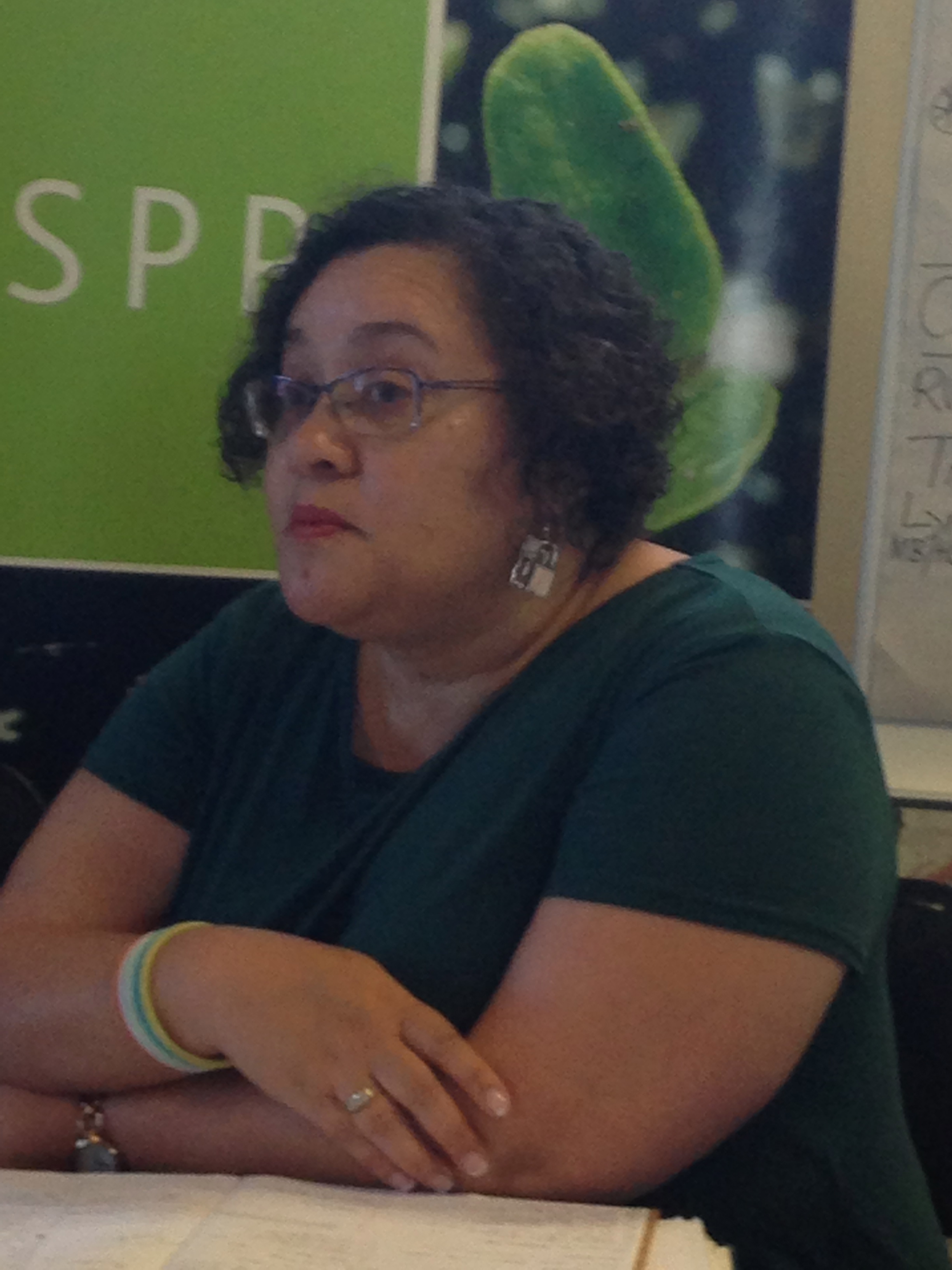
When Surplus People’s Project’s CEO, Herschelle Milford, was invited to participate in the African Women’s Development Fund’s CEO Forum on Leadership and Governance in 2015, it would be the start of a journey of growth that would build networks with feminist leaders across the African continent. At the time, Milford said her “biggest drawback has always been my struggle with self-confidence and public speaking”. Milford represents an organisation that envisages a transformed and just society and stands in “solidarity with radical social movements in struggles for pro-poor agrarian transformation for food sovereignty”.
SPP research conducted in 2009 indicated that land reform and food security strategies were not well integrated in South Africa and these policies have not paid sufficient attention to the patriarchal structures which limits women’s access to productive land. South Africa is one of the most unequal countries in the world with a Gini coefficient of about 0.65 and there are constant struggles to ensure that the poor have access to land and resources. SPP’s discussions with women across the Western and Northern Cape – where the organisation operates — have identified inequality in food, violence against women, women’s access to land, unemployment, alcohol and drug abuse as critical issues. SPP recognises that while there is a general challenge to have more South Africans gain access to the land, that challenge is greater for women.
To this end, the SPP works with social movements and communities helping them to amplify their agrarian struggles. “Generally, I am a selfdriven person and set high expectations for myself,” noted Milford. “A positive attribute has always been my leadership style that emphasised inclusivity, transparency and shared accountability.” The Nairobi intervention, however, focused on individual skills — starting early with yoga before moving on to three full day sessions that included board governance, media training, personal care, resource mobilisation and feminist engagement.
Planting a seed, a profile of Lorato Moalusi Sakufiwa
Planting a seed, a profile of Lorato Moalusi Sakufiwa
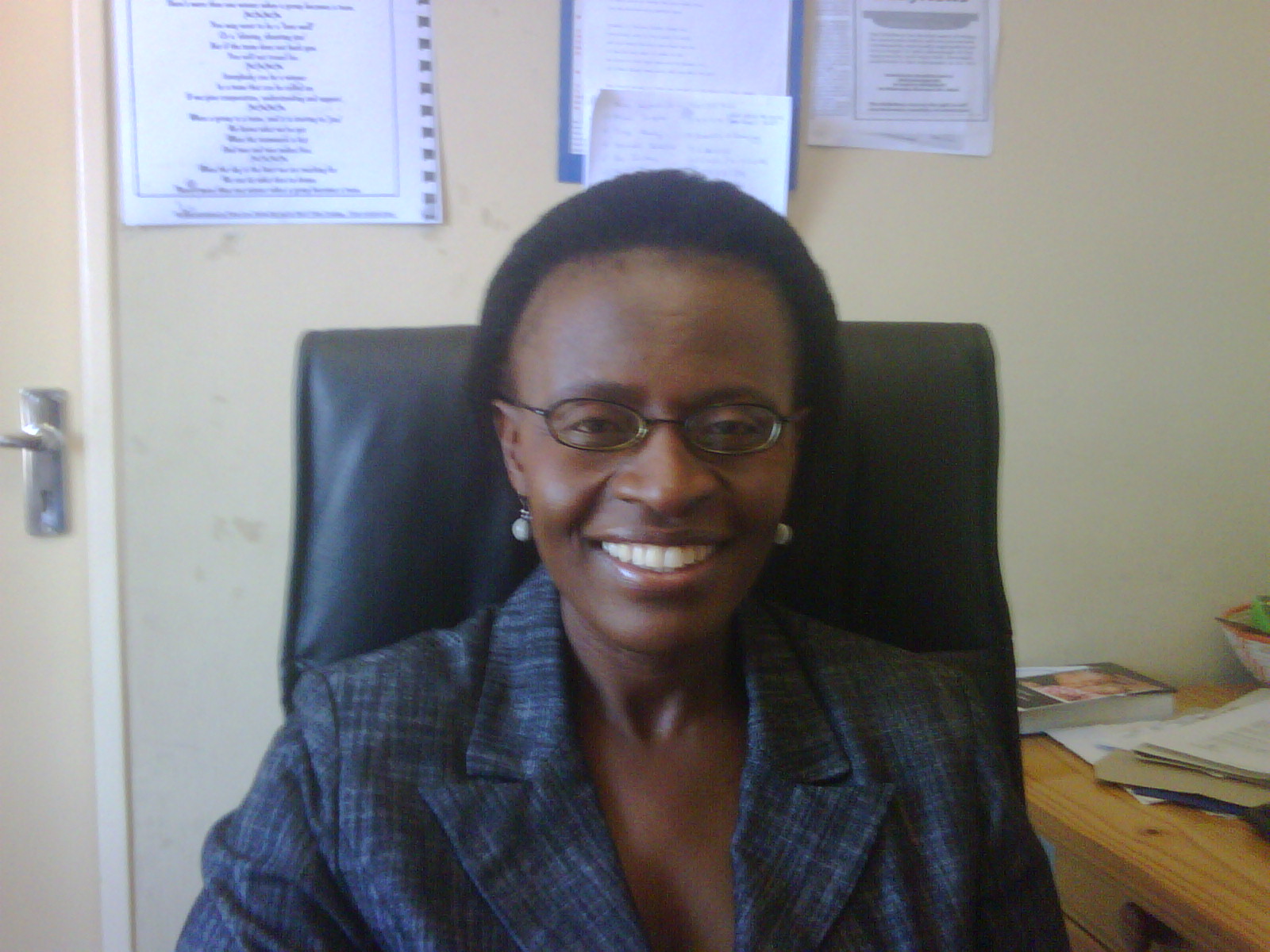
When the African Women’s Development Fund invited Lorato Moalusi-Sakufiwa to the CEO Forum’s Leadership and Governance programme, a Capacity Building initiative, it would plant a small seed that would bear fruit over a broad reach of the organisation’s programmes. “For me gaining leadership skills and then leading this organisation so that, in turn, it can start building the capacity of other organisations, was a big impact,” said MoalusiSakufiwa. “There was value in being in a partnership with the leadership programme because we were able to support the leadership of other organisations.”
Moalusi-Sakufiwa is the director of the Kagisano Society Women’s Shelter in Botswana and, in 2013, the organisation received USD 20,000 from the AWDF, under their Women’s Human Rights thematic area, in order to keep the organisation’s shelter running through the provision of adequate bedding, cooking utensils and improved safety measures. The Kagisano Society Women’s Shelter was established in1998 in response to violence against women (VAW) in Botswana. Their vision is to be a leading organisation for ending violence against women in the country. The shelter does so by providing temporary shelter, counselling, community education and outreach, and completing advocacy on critical issues connected to the security of women.
Read the rest of her story below:
Building Organisational Resilience. Profile of Wangechi Wachira, Executive Director of Centre for Rights Education and Awareness
Building Organisational Resilience. Profile of Wangechi Wachira, Executive Director of Centre for Rights Education and Awareness
![12803175_1277771738906432_4799005210517885961_n[2]](https://awdf.org/wp-content/uploads/2017/09/12803175_1277771738906432_4799005210517885961_n2.jpg)
In 2013, the Centre for Rights, Education and Awareness (CREAW) in Kenya was facing closure. Nearly 5,000 cases affecting women that CREAW was overseeing were still within the legal system but the organisation — like many in the country — was in the midst of a funding crisis. CREAW is a national, women’s human rights nongovernmental organisation based in Nairobi, whose vision is “a transformed and just society”. Its mission is to champion, expand and make real women’s human rights with programmes grounded in core values of integrity, professionalism, passion, innovation, and synergy. It is headed by leading woman’s activist, Wangechi Wachira. CREAW’s relationship with the African Women’s Development Fund (AWDF) started in 2007 when another leading women’s organisation and grantee partner, FEMNET, suggested the organisation apply for funding for their women’s programmes.
“By the time we started the relationship around 2007, Kenya was going into a general election. AWDF funded a programme that worked to support women to be able to participate in decision-making processes,” recalled Wachira. “Before the election, things were fine but after the elections, things went south. We were able to play a role in peace building during that process. We went back to AWDF and said that women had come out in big numbers to vote but in the aftermath, women had been abused and violated. We wanted to go back to the communities and document the stories of the women we had worked with,” she explained.
“The country has made a lot of strides since 2007. In 2010, Kenya passed a Constitution and women were able to push for their issues at a constitutional level. Since then a lot of laws have been passed that deal with the issues of women. What remains, however, is to make sure that they are finalised, implemented and that the relevant government institutions take responsibility for them to be enacted,” said Wachira.
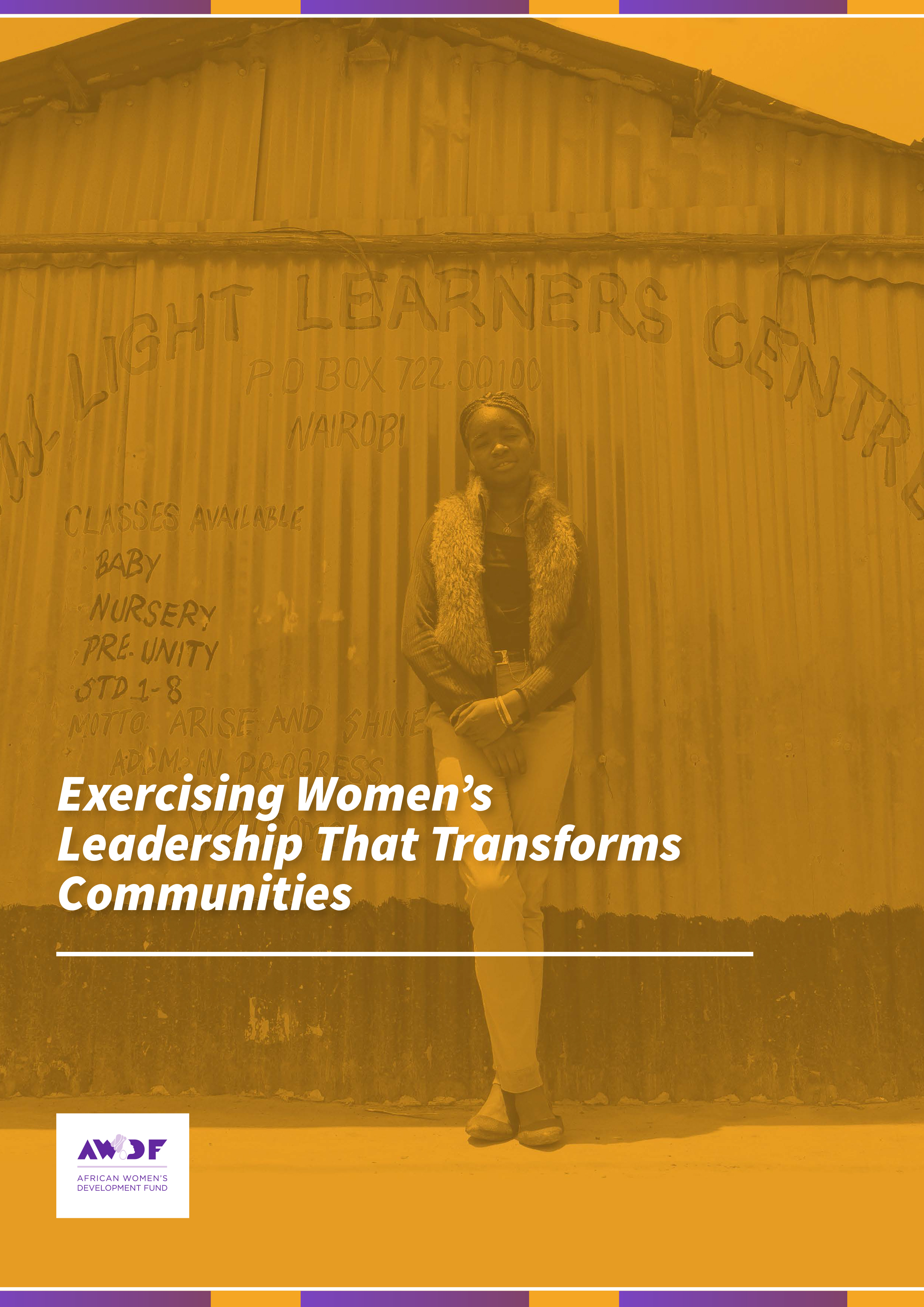
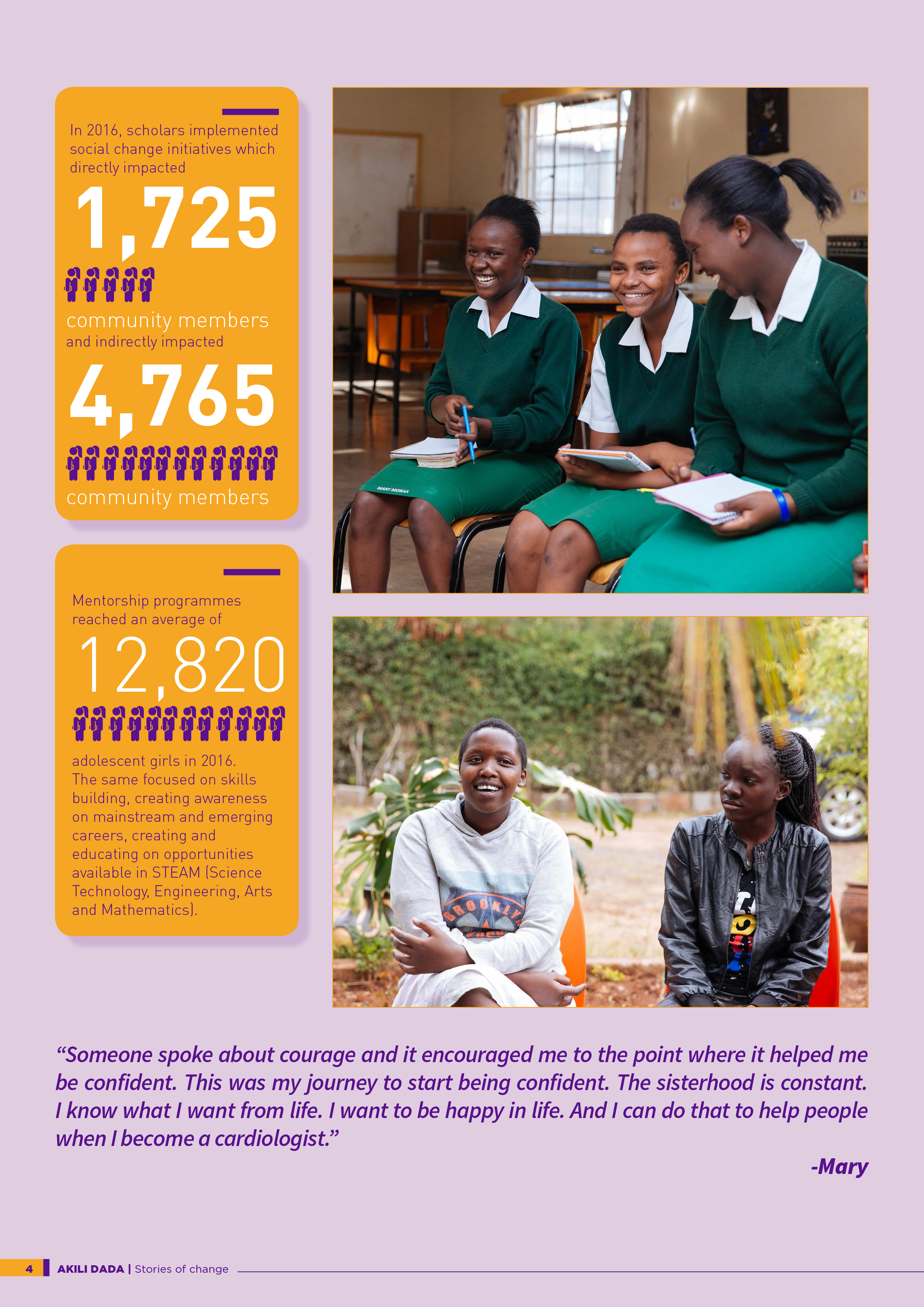
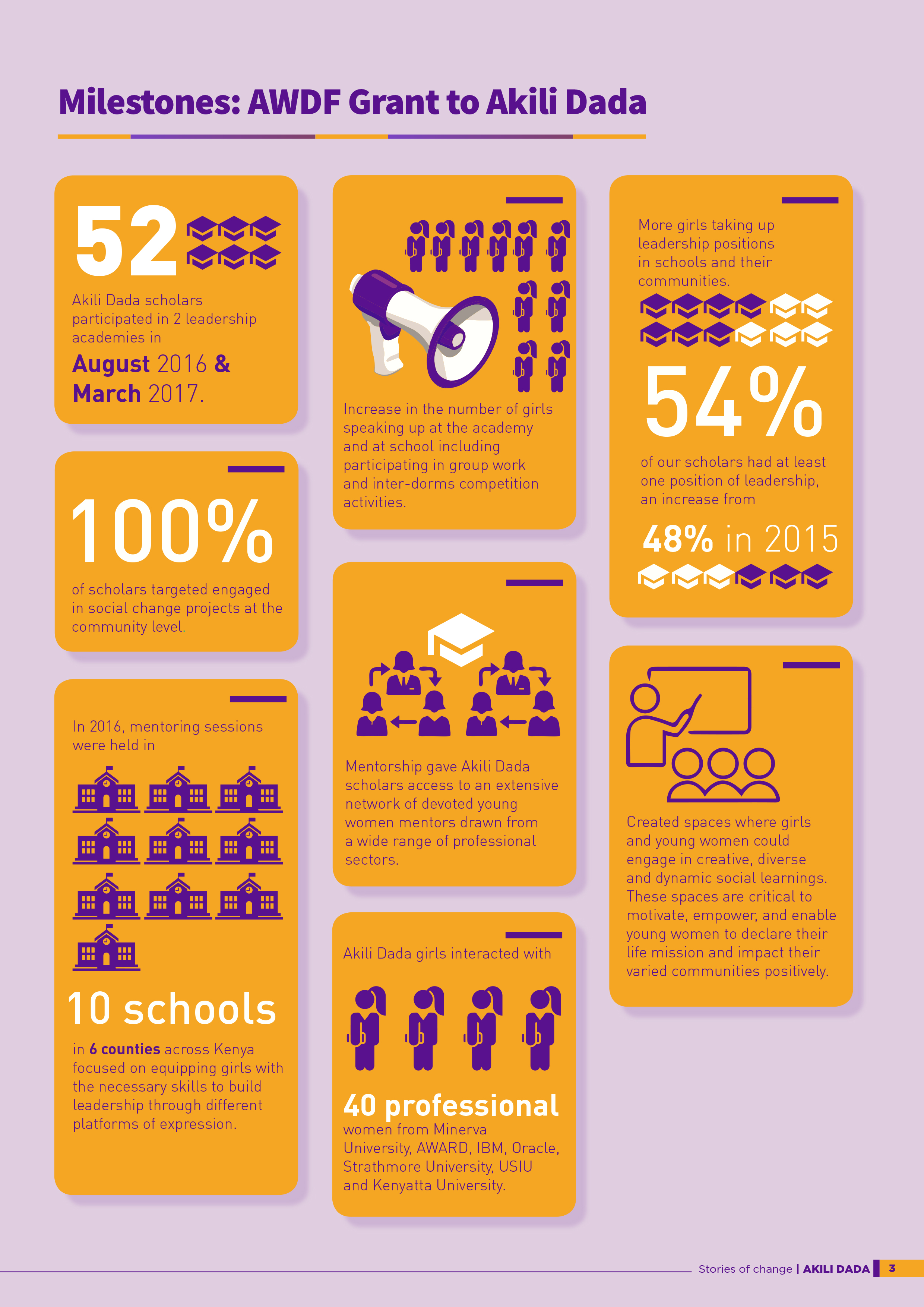
Exercising Women’s Leadership That Transforms Communities: Young Women’s Leadership & Akili Dada
Exercising Women’s Leadership That Transforms Communities: Young Women’s Leadership & Akili Dada
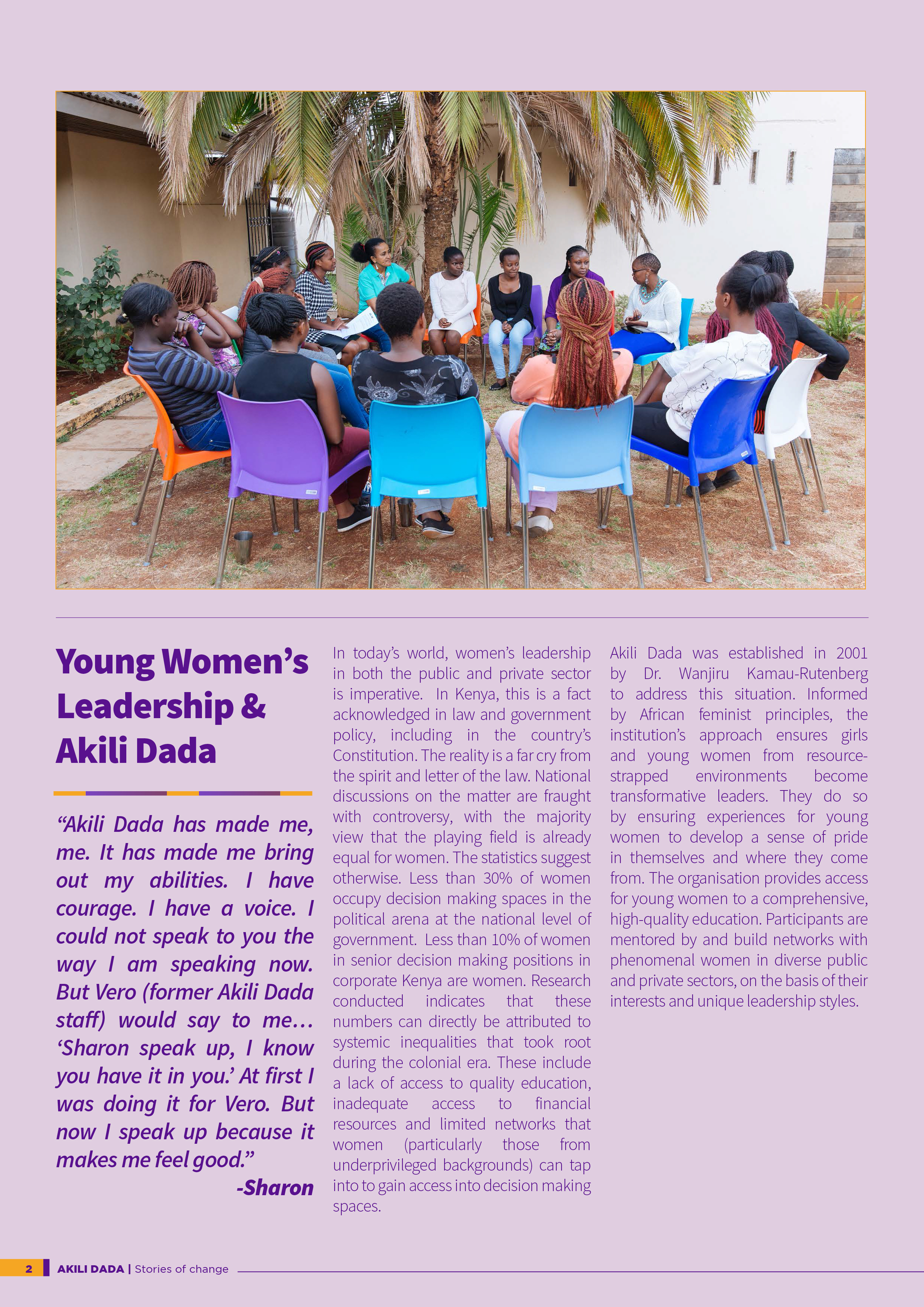
Transcending Sexual Violence: Providing Support for Survivors through the Nairobi Women’s Hospital Gender Violence Recovery Centre
Transcending Sexual Violence: Providing Support for Survivors through the Nairobi Women’s Hospital Gender Violence Recovery Centre
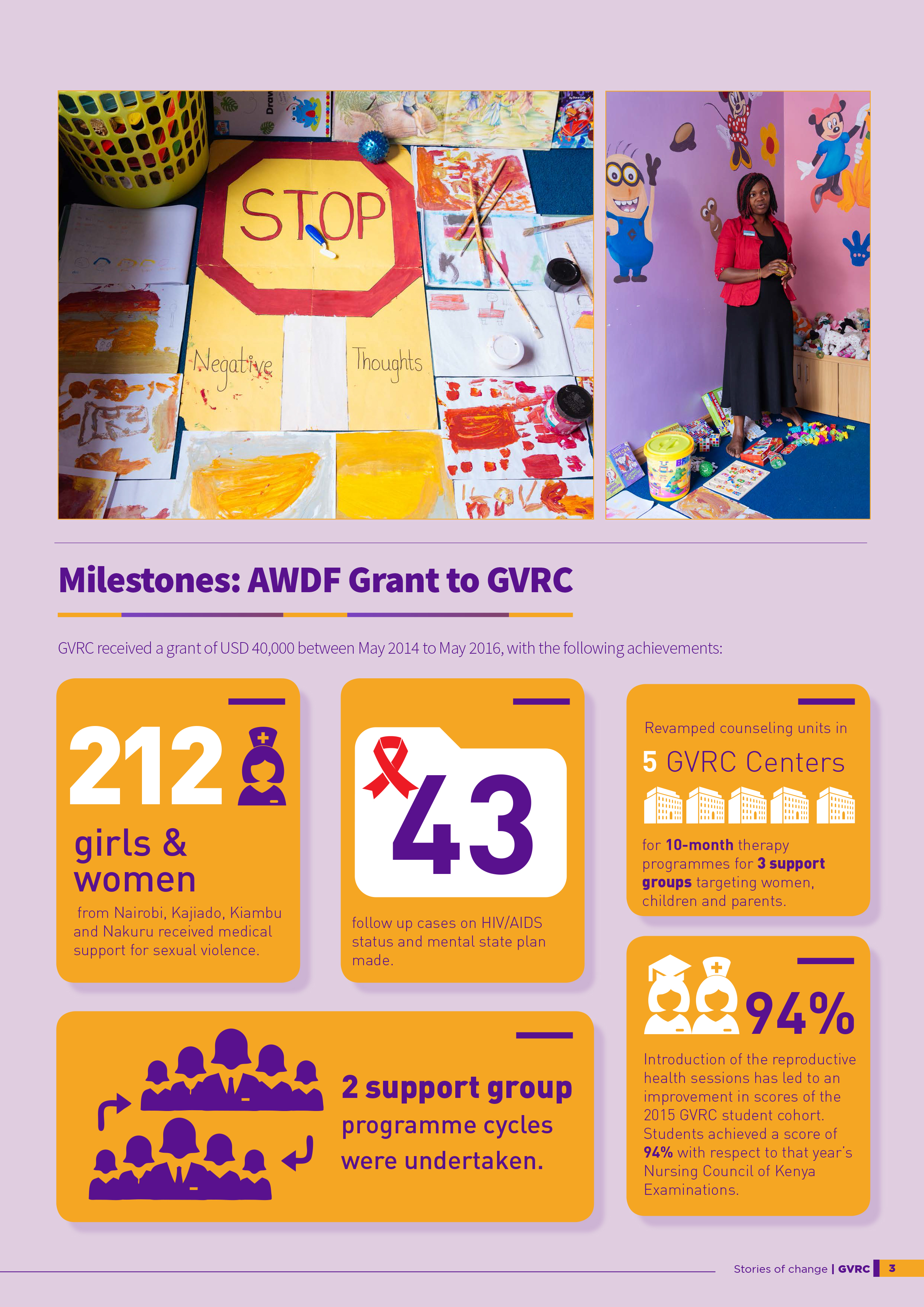
To read the full story: Click Here
Exercising Women’s Leadership that Transforms Communities: Claris
Exercising Women’s Leadership that Transforms Communities: Claris
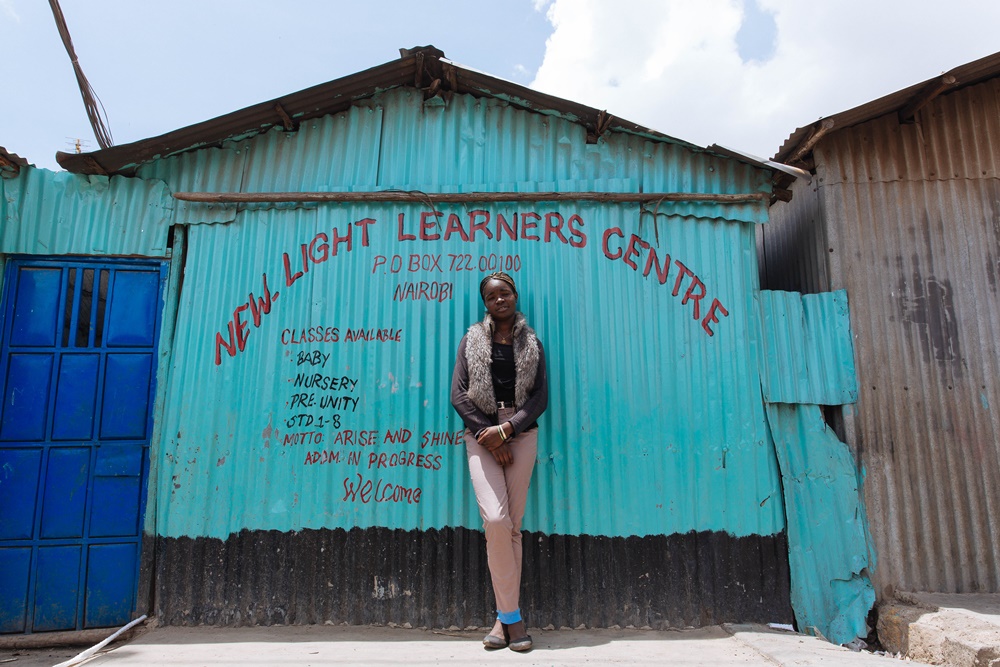
Go-getter. These are some of the words that can be usedto describe Claris. She is 19 years old and part of Paza, Akili Dada’s gap year programme in Kenya. Claris joined Akili Dada in her first year of high school, at Precious Blood-Riruta. Coming from MukuruKwa Reuben, a resource-strapped community
in Nairobi, she knew her chances of making it through high school were slim. She, therefore, sought
scholarships for higher learning from multiple organisations through the principal’s office. In addition to receiving a scholarship, she has been a project participant of the leadership academies supported by the African Women’s Development Fund (AWDF). The academies are spaces for reflection where Akili Dada scholars are equipped with life skills. This includes helping the girls understand themselves and their capacities comprehensively so that they identify how to best negotiate life in society. This in turn enables the project participants to excel in whatever they aspire to be and do, and to be the change leaders our world needs. At the leadership academies, young women also brainstorm new ways to
exercise leadership to transform their communities. In that regard, Akili Dada introduced Claris to the service learning concept. In turn, she decided to start a library in her community.
To read the rest of her story click below:
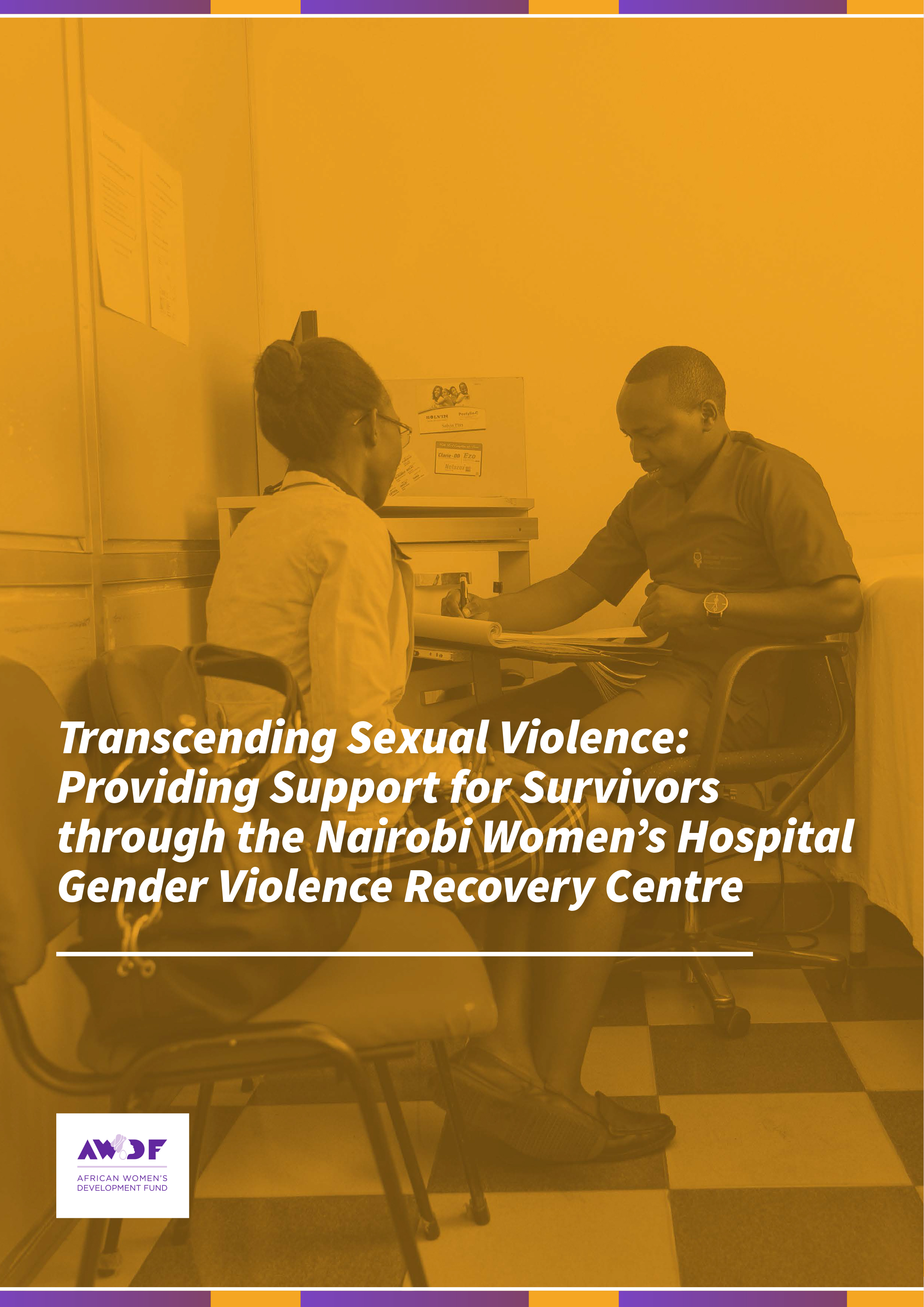
Transcending Sexual Violence: Providing Support for Survivors through the Nairobi Women’s Hospital Gender Violence Recovery Centre
Transcending Sexual Violence: Providing Support for Survivors through the Nairobi Women’s Hospital Gender Violence Recovery Centre
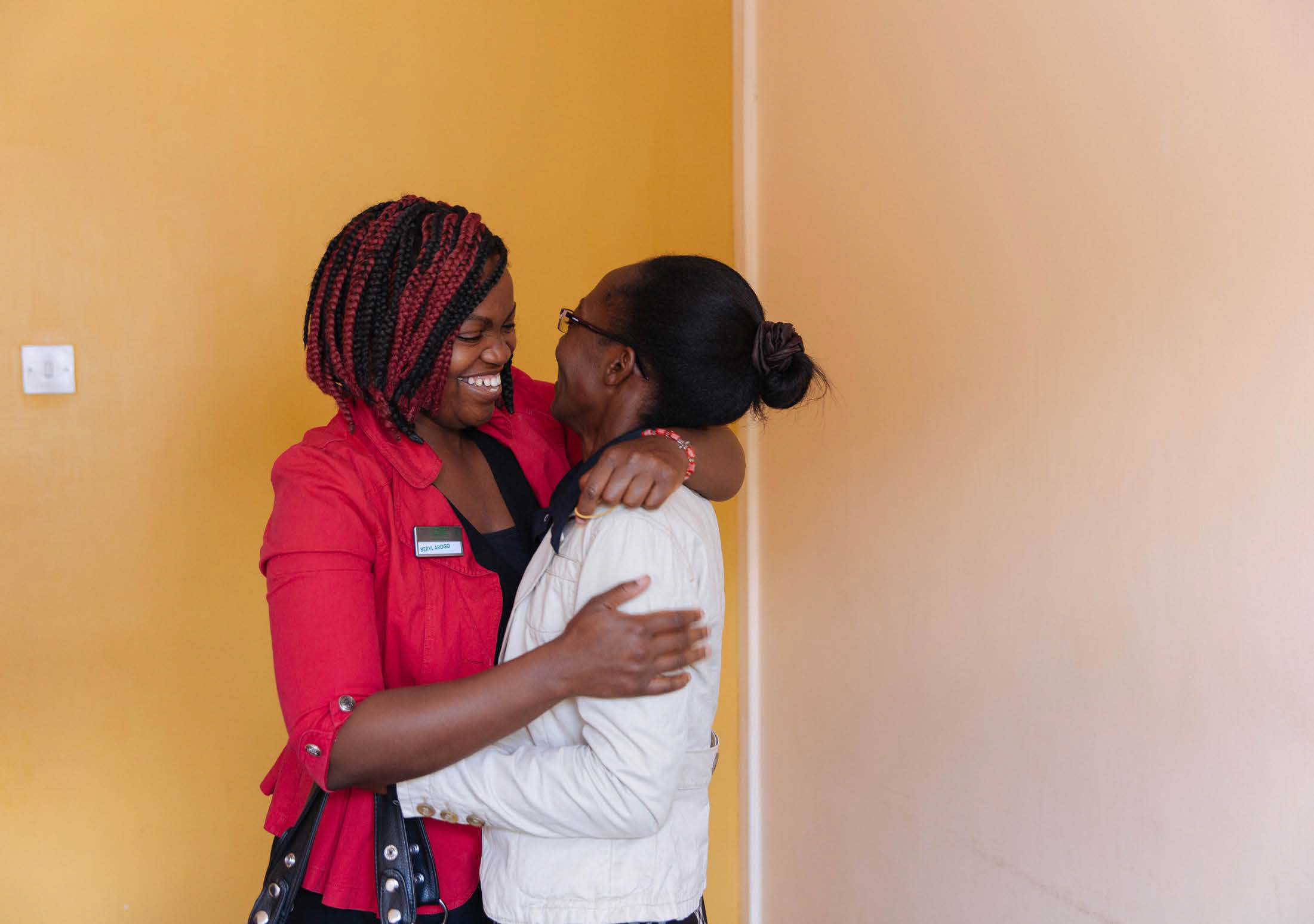
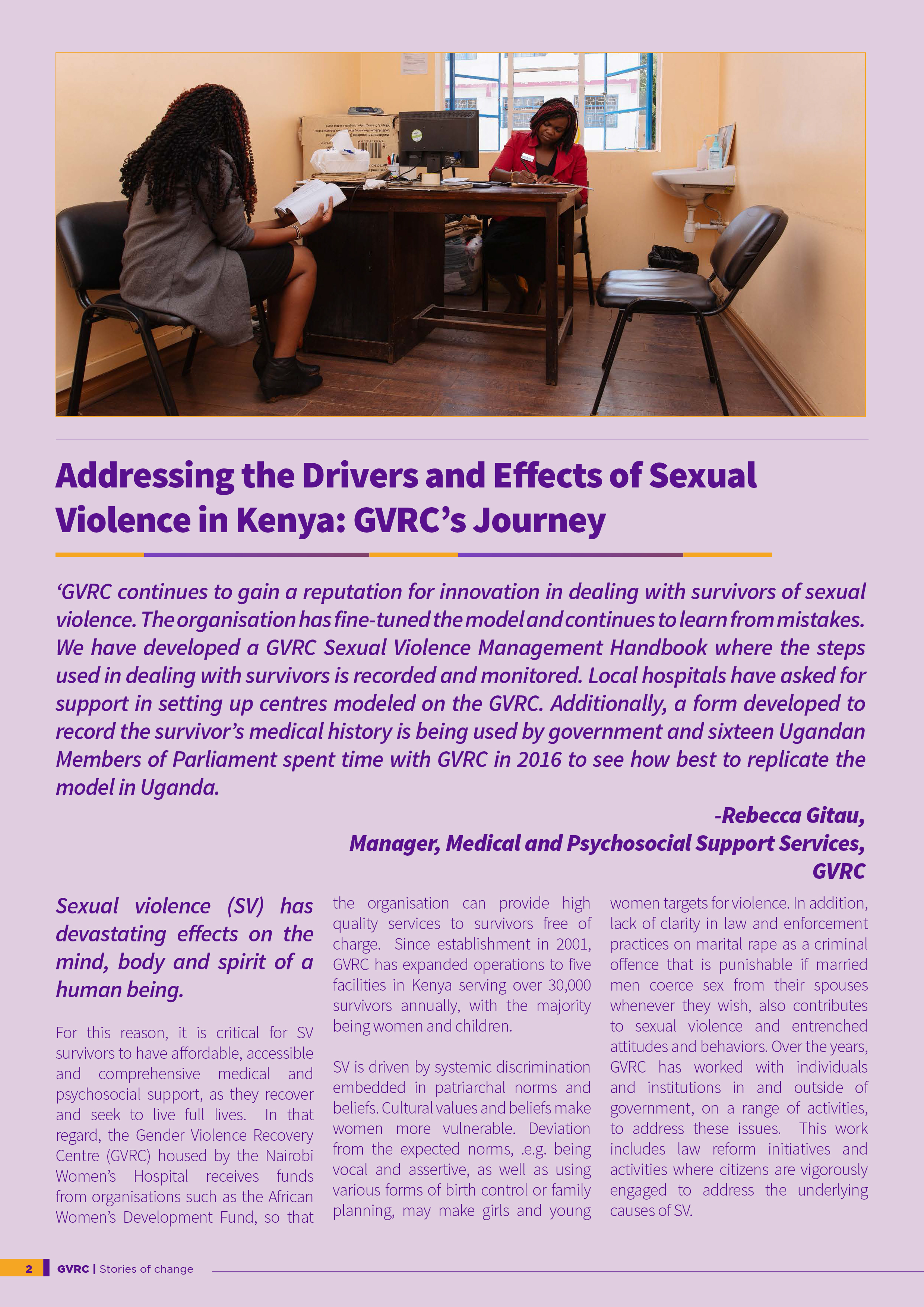
Nelly*is a survivor of sexual violence who has persistently resolved to overcome stigma, rejection, fear and suicidal thoughts that threatened to immobilise her after she was raped in 2014. GVRC Project Participant Transcending Sexual Violence: Providing Support for Survivors through the Nairobi Women’s Hospital Gender Violence Recovery Centre .It has not been an easy journey. With the assistance of counselling staff and members of a sexual violence support group at the Gender Violence Recovery Centre (GVRC) in Nairobi, she has made tremendous strides in her recovery. Currently, Nelly is positively channeling her energy to transform the lives of survivors of sexual violence by supporting children who have undergone abuse in the school where she works.
To read the entirety of Nelly’s Story click HERE : GVRC: Nelly’s Story
Transforming Girls, Young Women & Communities Through Boxing
Transforming Girls, Young Women & Communities Through Boxing
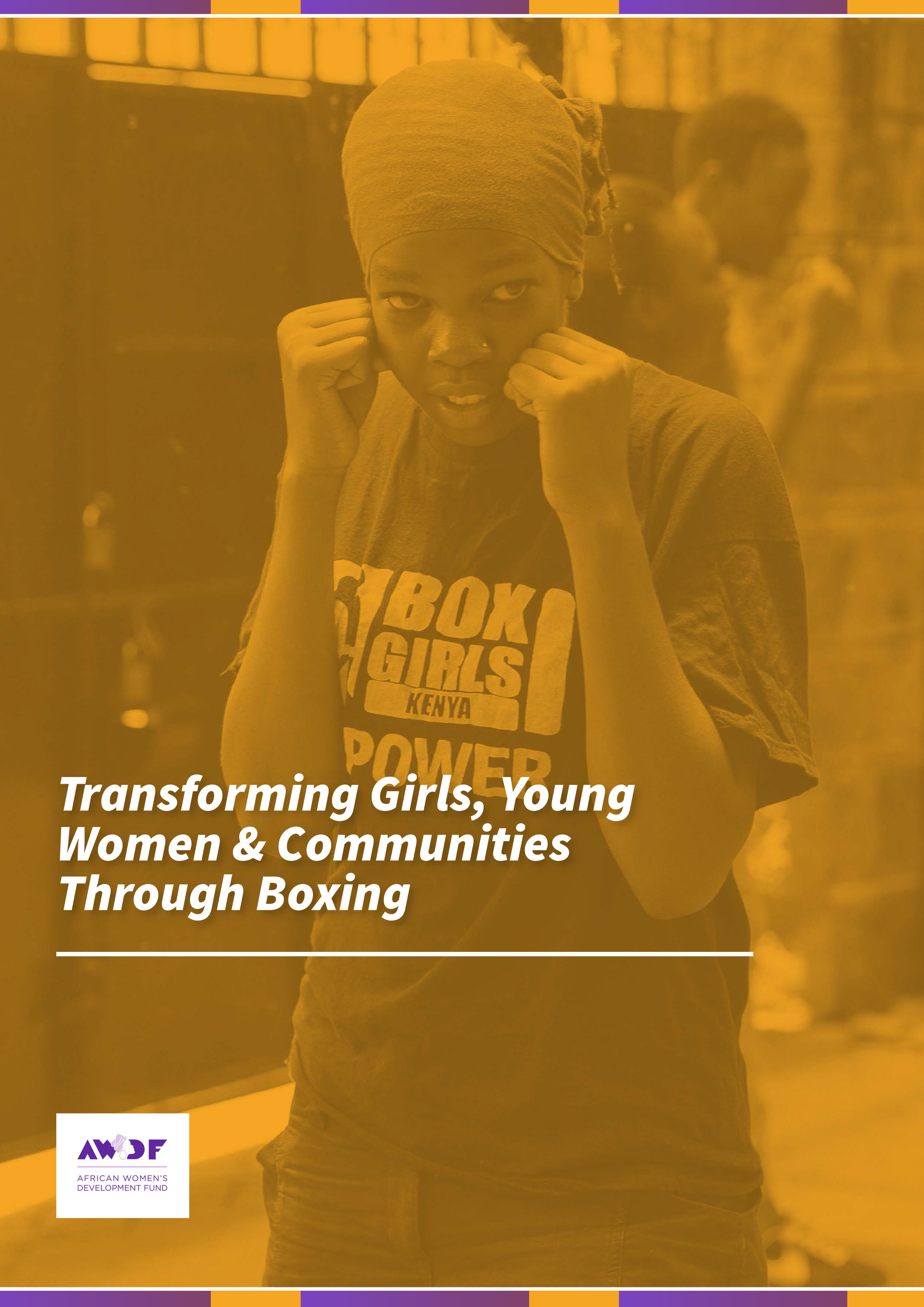
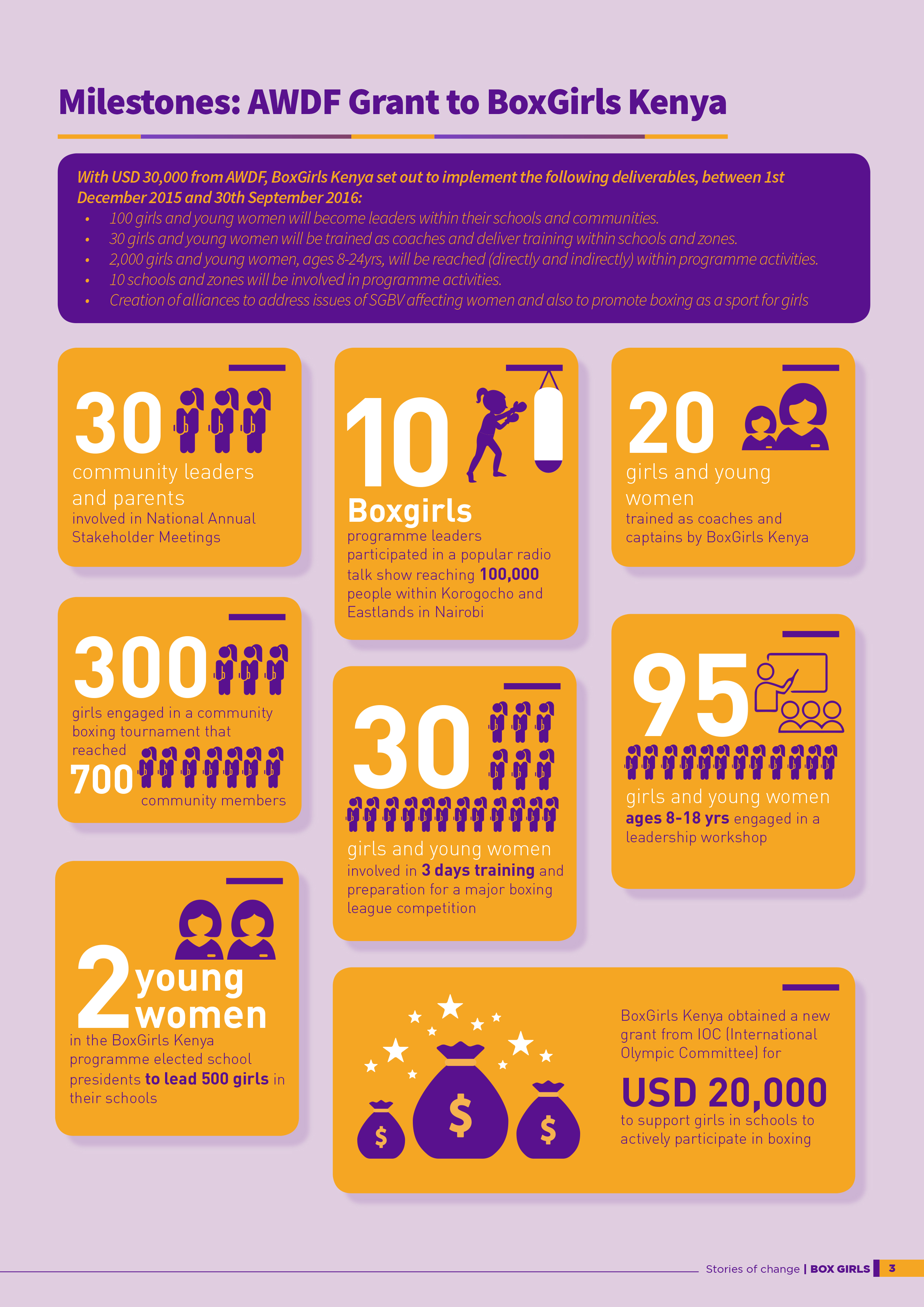
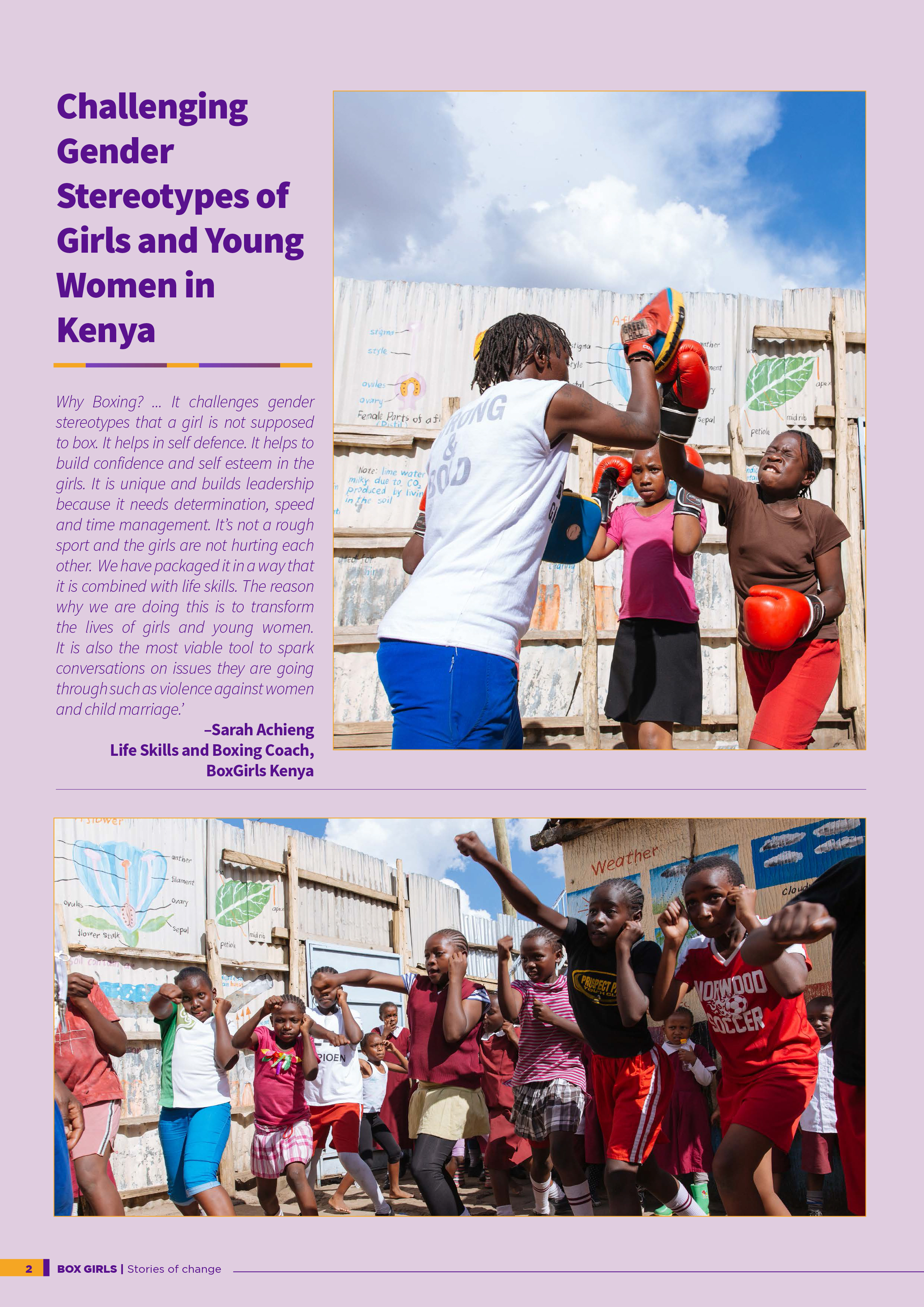
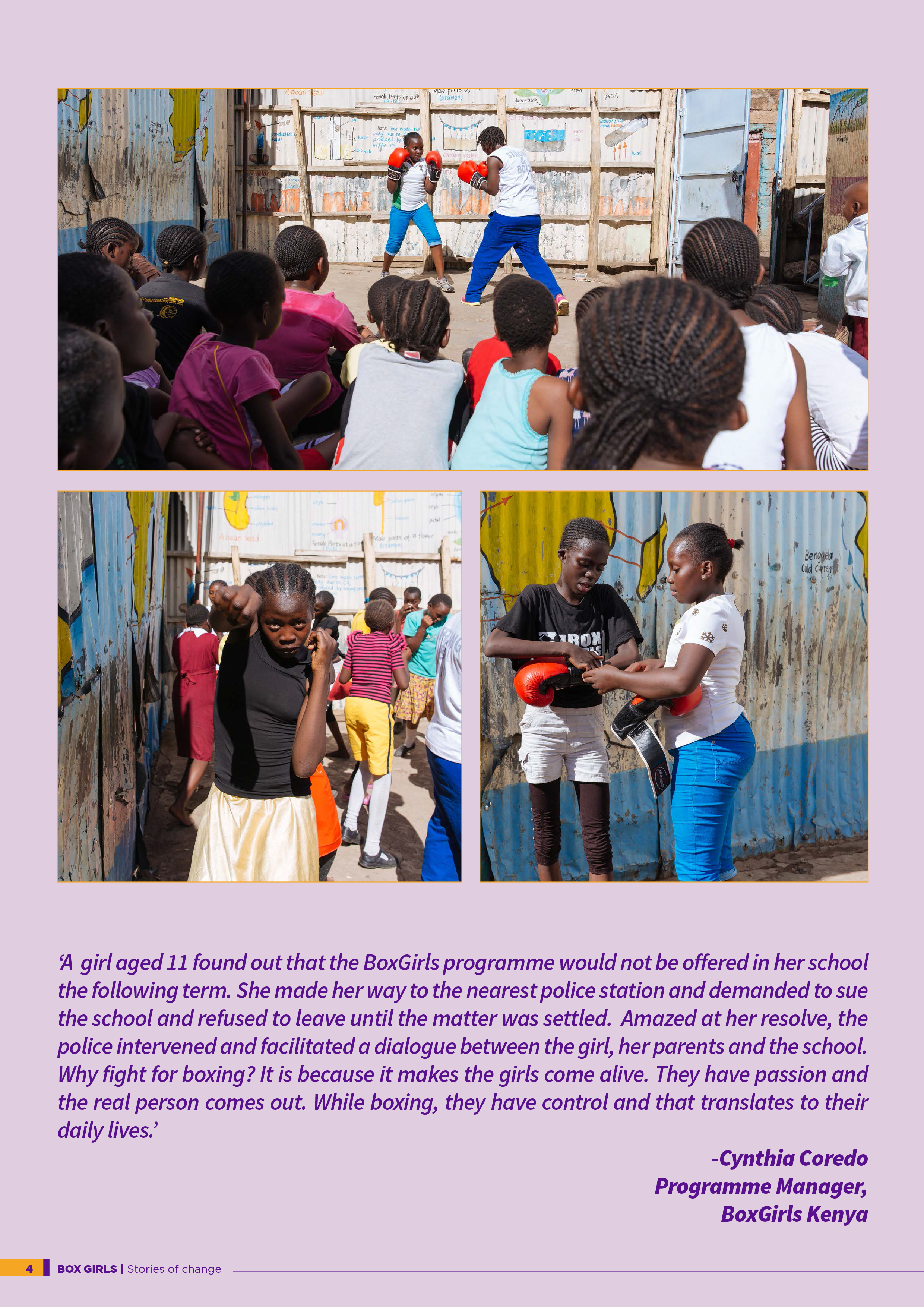
Transforming Girls, Young Women & Communities Through Boxing: Sofia Omar.
Transforming Girls, Young Women & Communities Through Boxing: Sofia Omar.
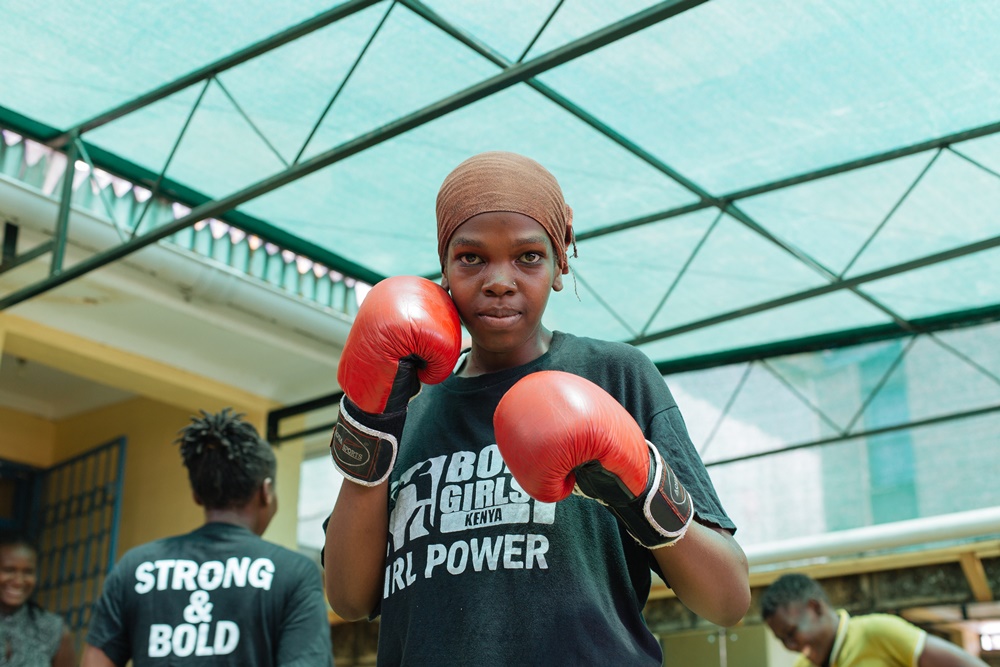 Sofia Omar, 19, is Muslim young woman and part of BoxGirls Kenya. She joined Box Girls whilst in high school, at the age of 16. As a result of engaging in the organisation’s programmes, she has honed her boxing skills. In addition, she has nurtured her entrepreneurial abilities and become more proficient in financial management. Currently a mini-coach and life skills facilitator, Sofia has defied the odds and transcended stereotypes on the basis of her gender and religion. As a result, she has leveraged an inborn capacity for leadership to influence her peers and mentor young girls and women in her community.
To read the rest of Sofia’s story click the link below: