
Category: News
Shapeshifters: African Women Spearheading Change on: International Justice
Shapeshifters: African Women Spearheading Change on: International Justice
[tp lang=”en” not_in=”fr”]

For many women and girls in Africa, getting justice for violence perpetrated against them continues to be an elusive dream. The barriers that impede access to justice are myriad but are all rooted in societal structures and social norms that define women and men’s interactions and experiences.
This month, the international community celebrates the World Day of International Justice. This historic day marks the establishment of the Rome Statute, the treaty that created the International Criminal Court which deals with war crimes, crimes against humanity, crimes of aggression and genocide.
Violence against women (VAW) has been a key funding area for AWDF’s grant making with cases advocating to end VAW occupying the majority of our grant portfolio over the years.
Under AWDF’s new strategic framework (SFIV), tackling VAW continues to be a major pillar under the Bodily and Health Rights thematic area. Beyond our main grants, AWDF makes annual calls to fund organisations during the 16 days of Activism against Gender-based Violence (25th November – 10th December). Over the past 3 years, AWDF has funded several organisations working on VAW issues.
AWDF is proud of its grantee partner Ripples International, a women-led organisation that stands out in raising awareness and educating women and girls on their rights. Ripples International’s 160 girls Project goes beyond raising awareness and follows through to ensure that perpetrators of VAW are held accountable. With support from various donors including AWDF, Ripples International works to seek justice on behalf of sexually abused girls, usually under 18 years, and whose cases have either been improperly investigated or thrown out of court for lack of evidence or tampering with evidence.
Rape and sexual violence cases are particularly difficult to seek justice for. This fact makes it all the more extraordinary that Ripples International was not deterred by the difficult and frustrating nature of this case. After winning the ground-breaking case in 2013 with the 160 girls project through the court ruling that ensured girls are protected from rape, the organisation went on to win another key landmark case. On Thursday, October 27th 2017, Maua court ruled that a Laare Police Officer be sentenced to 20 years for sexually defiling a 13-year old school girl in Kenya. This is one of 11 child rape cases that Kenya’s high court ordered to be re-opened in 2013, after Ripples International sued the police for failing to investigate hundreds of cases brought to them – instead demanding bribes from and even locking up girls attempting to make reports. After six (6) years in and out of court, this landmark victory was one of 5 successful court rulings in favour of the 160 girls that Ripples international advocated for.
***************
It all started in December 2010 when police officer Joseph Mutua, on duty at a local bank, beckoned a 13-year old school girl in the company of her friends to approach him. He made advances at the little girl and suggested sex (which she refused), but forcefully raped her in a back room at the A.P Quarters. Mutua subsequently threatened to harm her if she informed anyone of the vicious act. Not surprisingly, the 13-year old obliged out of “fear of the uniform”. After a few months, the girl’s family realized that she was pregnant. The family immediately contacted Ripples International to seek justice for their daughter. But since the accused was a policeman, the police were reluctant to investigate the issue and even tampered with DNA evidence. The accused finally managed to coerce the family into accepting to withdraw the case and settle out of court. When the child was born in 2011, DNA tests confirmed that Mutua was indeed the father of the child. This revelation was followed by failed promises of customary marriage and bribes for the girl’s family.
Finally, after six years of unsuccessful attempts at justice, the court ruled in favour of the 13-year old school girl. The court determined that the stories of the accused, the girl (who had been coerced to speak in favour of the accused) and her mother did not corroborate, demonstrating inconsistencies such as the residential location of the supposed married couple . The fabricated stories led the judge to rule for the imprisonment of the police officer for 20 years. The girl has since returned to school.
We congratulate our grantee partner Ripples International and all change agents in Africa, the women who speak out and refuse to give up. We salute you![/tp]
[tp lang=”fr” not_in=”en”]
Pour de nombreuses femmes et filles en Afrique, l’obtention de la justice pour des violences perpétrées contre elles continue d’être un rêve non réalisable. Les obstacles qui entravent l’accès à la justice sont multiples mais sont tous enracinés dans les structures et les normes sociales qui déterminent les interactions et les expériences des femmes et des hommes.
Ce mois, la communauté internationale célèbre la Journée Mondiale pour la Justice Internationale. Cette journée historique marque la création du statut de Rome, le traité qui a créé la Cour Pénale Internationale qui s’occupe des crimes de guerre, des crimes contre l’humanité, des crimes d’agression et de génocide.
Les violences faites aux femmes (VAW) font partie des domaines clés d’octroi de subventions de l’AWDF. Au fil des ans, la majorité du portefeuille de l’AWDF est constituée de subventions destinées à soutenir les activités de plaidoyer visant à éliminer les violences faites aux femmes.
Dans le cadre de notre nouveau plan stratégique, adresser les problèmes liés aux violences faites à la femme continue d’être une priorité essentielle et est par conséquent inclus dans l’un de nos domaines thématiques notamment les droits relatifs au corps et à la santé. À part sa subvention principale, AWDF lance des appels à propositions de projets pour commémorer 16 jours d’activisme contre les violences basées sur le genre célébré chaque année (du 25 novembre au 10 décembre). Au cours des trois dernières années, AWDF a donné un soutien financier à plusieurs organisations travaillant sur les problèmes liés aux violences faites aux femmes.
Ripples International, organisation basée au Kenya et dirigée par des femmes, est l’une des organisations bénéficiaires de l’AWDF et est reconnue pour ses campagnes de sensibilisation et d’éducation des femmes et des filles sur leurs droits. Son projet « 160girls » va au-delà de la sensibilisation et assure que les auteurs des crimes de violences faites aux femmes sont tenus responsables de leurs actes. Avec le soutien financier de plusieurs donateurs dont AWDF, Ripples International travaille pour assurer la justice pour les filles (plus souvent moins de 18 ans) survivantes des abus sexuels et dont les cas ont été mal étudiés ou abandonnés pour manque de preuves.
Le viol et les violences sexuelles font partie des cas les plus difficiles à être jugés, raison pour laquelle l’organisation Ripples International est appréciée pour ses efforts car elle n’est pas découragée par les difficultés et les frustrations qu’elle rencontre en traitant ces types de cas. Après avoir remporté la grande victoire en 2013 dans le cadre de son projet « 160 girls » qui avait comme décision finale du tribunal d’assurer que les filles soient protégées contre le viol, elle a également remporté une autre victoire très signifiante. Jeudi 27 octobre 2017, le tribunal de Maua a condamné à 20 ans de prison un policier qui avait violé une écolière de 13 ans au Kenya. Ce cas est l’un des onze cas de viol de mineurs ayant été réétudié en 2013 sous l’ordre de la cour suprême du Kenya. Ceci est dû à l’intervention de Ripples International qui a poursuivi la police en justice pour manque d’enquêtes sur des centaines de cas rapportés. Ces policiers qui s’étaient laissés corrompre ont même enfermé les filles qui ont rapporté les cas de viols. Après 6 ans de lutte pour conclure ce cas, cette victoire marquante fut l’un des 5 jugements du tribunal en faveur du projet « 160 girls » que défendait Ripples International.
**********************
Tout a commencé en décembre 2010, lorsque le policier Joseph Mutua, de service dans une banque locale, a fait signe à une écolière de 13 ans, en compagnie de ses amis (es) de s’approcher de lui. Il a fait des avances à la petite fille et lui a demandé de faire l’amour avec lui. La petite a refusé mais ce dernier avec force l’a emmené dans une chambre derrière le logement AP et l’a violée. Mutua a par la suite menacé la petite en lui disant qu’il allait lui faire du mal si elle informait quelqu’un de l’acte inégal. La petite de 13 ans n’a donc parlé de l’incident à personne à cause de la peur qui l’envahissait. Après quelques mois, la famille de la petite a réalisé qu’elle était enceinte. La famille a immédiatement fait appel à Ripples International pour demander justice pour leur fille mais à cause du fait que l’accusé était un policier, la police était réticente à faire des enquêtes sur la situation et a même falsifié le test d’ADN. Finalement, l’accusé a réussi à convaincre la famille de retirer leur plainte de la justice afin de régler l’affaire hors du tribunal. Lorsque l’enfant est né en 2011, les tests d’ADN ont confirmé que Mutua était réellement le père de l’enfant. Cette découverte s’est suivie des promesses du mariage coutumier non tenues et aussi d’actes de corruption envers la famille de la jeune fille.
Après six ans de tentatives infructueuses à l’obtention de justice, la Cour d’appel a finalement statué en faveur de l’écolière de 13 ans. La Cour a jugé que les témoignages de l’accusé, de la jeune fille (qui avait été contrainte de témoigner en faveur de l’accusé) et de sa mère étaient contradictoires à cause des incohérences par exemple sur le lieu de résidence du couple présumé. Les témoignages fabriqués ont poussé le juge à condamner le policier pour 20 ans de prison. La jeune fille par la suite, est retournée à l’école.
Nous félicitons notre partenaire bénéficiaire Ripples International et tous les partenaires qui œuvrent pour le changement en Afrique. Nous vous saluons, les femmes qui s’expriment et ne sont pas prêtes à abandonner la bataille.[/tp]
In Bloom: AWDF Activity Report 2017
In Bloom: AWDF Activity Report 2017
This year, AWDF set the stage for our new strategic plan Shaping the Future (2017-2021). It was a year of significant expansion in our budget, in our programming and also growth in our staff team as we began our planned scale-up in contributions in the world of African feminist philanthropy. Under our new strategic plan, AWDF has a threefold aim of resourcing African women’s organisations and movements to promote, protect and realise women’s human rights, amplifying African women’s rights, concerns and resourcing agendas; and sustaining AWDF as a financially secure, effective and well governed feminist philanthropic organisation.
To read our activity report in full, click the link below.
LFS Round 2: AWARD OF GRANTS FOR 2017-2018
LFS Round 2: AWARD OF GRANTS FOR 2017-2018
[tp lang=”en” not_in=”fr”]AWDF is excited to announce the award of the second round of grants for “Leading from the South” for Africa and the Middle East, supporting advocacy and lobbying to advance women’s rights.
We received many exciting applications from women’s rights organisations and coalitions from across Africa and the Middle East that spanned the full range of our thematic areas, and contained innovative approaches to advocacy work. We would like to commend all eligible applicants for putting forward thorough and engaging applications. After a rigorous screening, 22 grants have been approved with grant awards totaling US $5,657,900.
See the breakdown of the Data and the full grants list below.
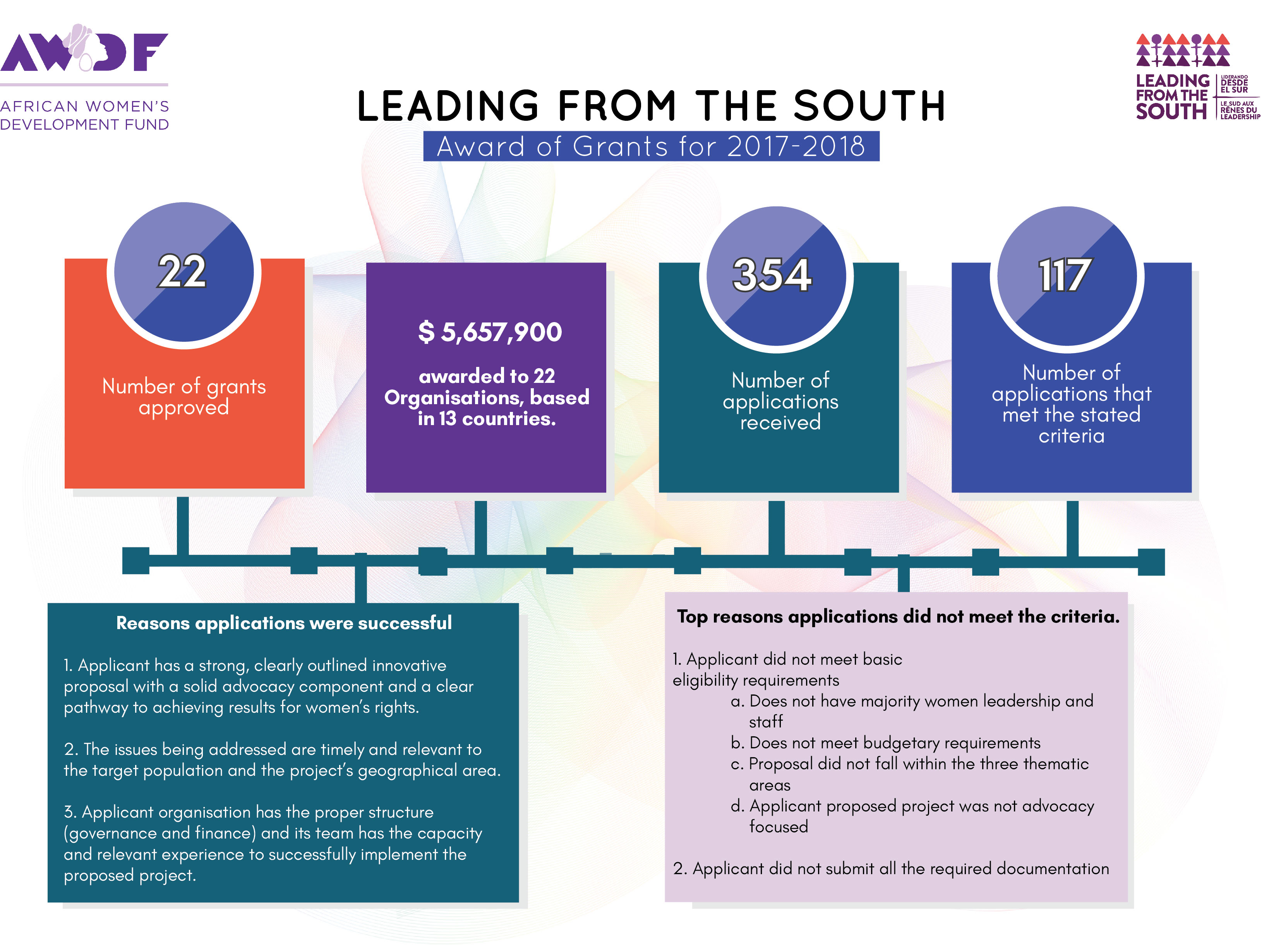
LFS Grantees: Round 2
Yalla Grantees
- Association Démocratique des Femmes du Maroc / Rabat, Morocco
- Association des Femmes Handicapées de Madagascar (AFHAM), Madagascar
- Institute For Social Transformation (IST), Uganda
- Rural Women’s Movement (RWM), South Africa
Ananse Grantees
- ABANTU For Development, Ghana
- Alliances for Africa, Nigeria
- Anti-Racism Movement (ARM), Lebanon
- EarthLore Foundation, South Africa
- Federation of Women Lawyers (FIDA Kenya), Kenya
- Horizons Femmes, Cameroon
- Psycho Social Counseling Center for Women, Palestine
- The Initiative for Strategic Litigation in Africa, South Africa
- Womankind Kenya, Kenya
- Women Advocates Research and Documentation Center (WARDC), Nigeria
- Women and Law in Southern Africa, Zambia
- Women Filmmakers of Zimbabwe (WFOZ), Zimbabwe
- Forum for Women in Democracy (FOWODE), Uganda
- The Nigerian Women Trust Fund (NWTF), Nigeria
Pamoja Grantees
- Collective for Research and Training on Development Action (CRTDA), Lebanon
- FEMNET- The African Women’s Development and Communication Network, Kenya
- Women in Law and Development in Africa – Afrique de l’Ouest (WiLDAF), Togo
- Coalition of African Lesbians (CAL), South Africa
[/tp]
[tp lang=”fr” not_in=”en”]
L’AWDF a le plaisir de vous annoncer sa deuxième série de subventions octroyées en Afrique et au Moyen Orient dans le cadre du projet «LE SUD AUX RÊNES DU LEADERSHIP» dont l’objectif est d’appuyer les actions de plaidoyer et de lobbying en vue de la promotion des droits des femmes.
La demande était très énorme. Les organisations de défenses des droits des femmes et des coalitions en Afrique et au Moyen Orient ont envoyé des propositions de projets intéressants et après un examen rigoureux de ces dossiers, 22 subventions d’un montant total de 5657900 de dollars américains ont été approuvées.
Ci-dessous les détails sur les organisations sélectionnées
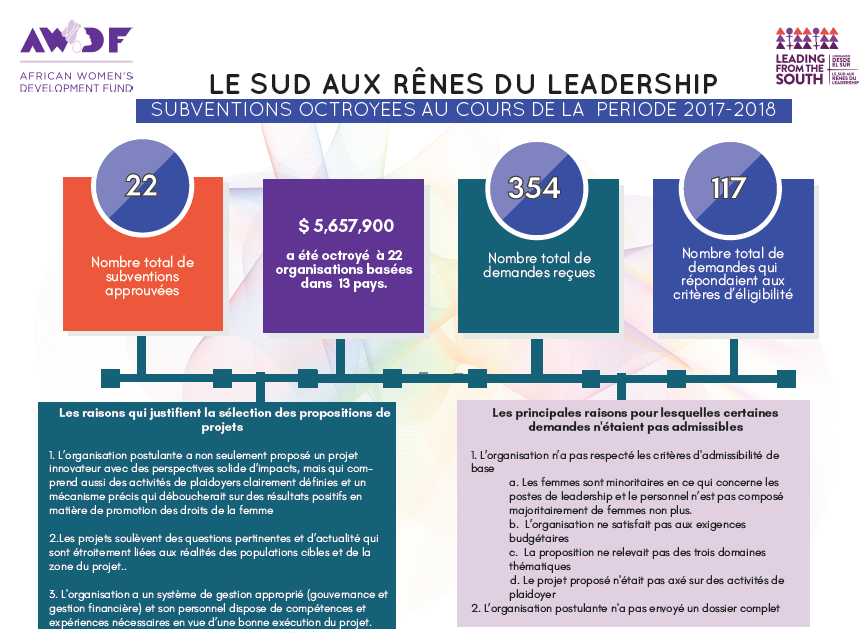
Bénéficiaires de LFS : 2e cycle de subventions
Bénéficiaires de la catégorie Yalla
Association Démocratique des Femmes du Maroc / Rabat, Maroc
Association des Femmes Handicapées de Madagascar (AFHAM), Madagascar
Institute For Social Transformation (IST), Ouganda
Rural Women’s Movement (RWM), Afrique du Sud
Bénéficiaires de la catégorie Ananse
ABANTU For Development, Ghana
Alliances for Africa, Nigeria
Anti-Racism Movement (ARM), Liban
EarthLore Foundation, Afrique du Sud
Federation of Women Lawyers (FIDA Kenya), Kenya
Horizons Femmes, Cameroun
Psycho Social Counseling Center for Women, Palestine
The Initiative for Strategic Litigation in Africa, Afrique du Sud
Womankind Kenya, Kenya
Women Advocates Research and Documentation Center (WARDC), Nigeria
Women and Law in Southern Africa, Zambie
Women Filmmakers of Zimbabwe (WFOZ), Zimbabwe
Forum for Women in Democracy (FOWODE), Ouganda
The Nigerian Women Trust Fund (NWTF), Nigeria
Bénéficiaires de la catégorie Pamoja
Collective for Research and Training on Development Action (CRTDA), Liban
FEMNET- The African Women’s Development and Communication Network, Kenya
Women in Law and Development in Africa – Afrique de l’Ouest (WiLDAF), Togo
Coalition of African Lesbians (CAL), Afrique du Sud
[/tp]
#FacesofLeadership: Meet the women of the Ceo Forum, Valnora Edwin.
#FacesofLeadership: Meet the women of the Ceo Forum, Valnora Edwin.
The CEO Forum and coaching programme, designed by African feminists, develops the individual and collective leadership skills of women leaders who are at different points in their careers (senior, mid-level and emerging). As a Capacity Building Programme, this space also addresses critical gap areas while strengthening institutional and governance structures and providing an enabling framework for their sustainability. With this 7th CEO Forum and 4th coaching programme, we have over the years gained specialised knowledge of the persistent challenges African women’s organisations contend with concerning resource mobilisation, communications, governance, leadership transition, safety and wellbeing.
The story below, is from one of the participants of the CEO forum and Manda program. She describes how the programme has changed not only her approach to leadership, but her approach to life in general.
VALNORA EDWIN
Executive Director: Campaign for Good Governance
Sierra Leone
“This has been a mind-opening experience. I think of a quote that says, It’s not about you but it’s all about you. It’s not anything personal about you but there’s a lot you have to do about yourself to be a better person. As the CEO, you take the lead in making the organisation a better place. There have been quite a lot of conversations both in the sessions and informally that shows that you are not alone. You feel you are alone in the bad experiences – you have a feeling of, is something wrong with me? What am I not doing right? Am I not communicating well? But in conversation we realise that it is something common but we need to work on ourselves to make things better.
The Wheel of Life – the nature and pace of the organisation – we’re all paying attention to that rather than ourselves. We need to work on ourselves, reflect and set targets and goals and that will help us to strengthen the team. I want my colleagues to do some reflection. Our governance structure is not too bad but it could be better than what we have now. While we were doing the baseline evaluation, in practice we are doing a couple of things but in terms of formalizing and developing tools, written policies and structures, these are things we will work on when we return to the office.
I’m very excited about the coaching and I’m really looking forward to it. I’m in another leadership training program in Sierra Leone which is also a 9-month program and it’s almost similar. This is preparing me for the next level – I don’t know what – and so I am excited for being equipped to do this”.
AWDF launches the Flourish Project with support from NoVo’s Radical Hope Fund
AWDF launches the Flourish Project with support from NoVo’s Radical Hope Fund
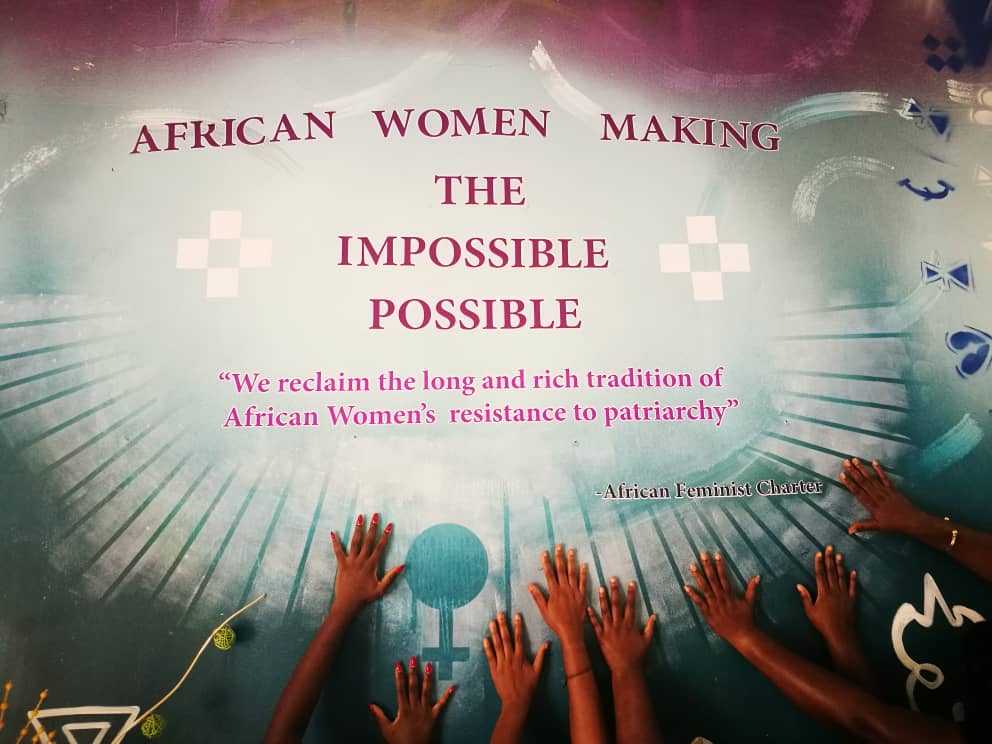
AWDF is thrilled to have been selected for support under the NoVo Foundation’s Radical Hope fund- a bold and imaginative initiative that seeks to support efforts focused on nurturing the movements we need and deepening our collective ability to build a more just and balanced world.
We are looking to re-inspire radical hope amongst African feminists through Flourish Project- a three-year initiative that will strengthen feminist organising across Africa through three key interventions:
- Seedinginspiration for the growth of African feminist movements through intergenerational dialogues and documenting a generation of liberation-era feminist trailblazers;
- Grounding through a pilot model of a retreat for African feminist activists facing burnout and stress, and in need of a reflective and healing space—designed and implemented in collaboration with AIR, a network of African practitioners developing transformative feminist approaches to trauma, emotional wellbeing, and mental health
- Connectingfeminist activists to convene and grow their organising at national and community levels linked to the African Feminist Forum.
“The Flourish Project aims to do what the name suggests- refresh and tend to the vibrant movement of African feminists who have and will continue to shape the future of Africa” says Jessica Horn, Director of Programmes at AWDF. “We are excited that Novo has recognised the need to invest in the deep movement work that also needs support alongside frontline advocacy: the work of documenting and sharing our activist legacies, of finding durable ways to sustain activists working in hostile terrain, and of keeping movement strategy and base-building spaces alive”.
For more information on Radical Hope, read the Novo Foundation press release here
Updated AWDF Privacy Policy
Updated AWDF Privacy Policy
We’ve updated our Privacy Policy for GDPR compliance. This means that we will include an opt-out mechanism anytime we send you material, and always notify you whenever we revise the policy.
To read the full Privacy Policy, please click here
VACANCY: Programme Officer: Catalytic Initiatives
VACANCY: Programme Officer: Catalytic Initiatives
Are you passionate about women’s rights in Africa, excited about African feminism, and embrace African women’s diversities?
Do you have experience of implementing programmes aimed at movement building, encouraging innovation?
Are you ready to contribute to developing cutting-edge programming in women’s rights around feminist movement building, activist well-being and artivism/ arts, culture and tech for women’s rights?
The Programme Officer- Catalytic Initiatives, plays an exciting role in the Programmes Department supporting AWDF’s role as host of the African Feminist Forum and implementation of new programming areas around the arts, culture and technology for women’s rights; and activist wellbeing. Reporting to and working in close collaboration with the Director of Programmes, the Officer will implement a diverse portfolio of projects that involve a high level of creative thinking and an open attitude to experimentation, learning and programme improvement. The Officer will work with the Grants Department to support grantmaking in line with the project areas, as well as with the Knowledge Management and Communications teams in producing externally-facing information, documentation and analysis. The Officer will also liaise with external consultants in the delivery of project objectives.
Excellent knowledge of English is required. Working knowledge of French is desirable.
For the full Job Description CLICK HERE
#FacesofTransformation: The Bear Foundation tackles Gender Based Violence
#FacesofTransformation: The Bear Foundation tackles Gender Based Violence
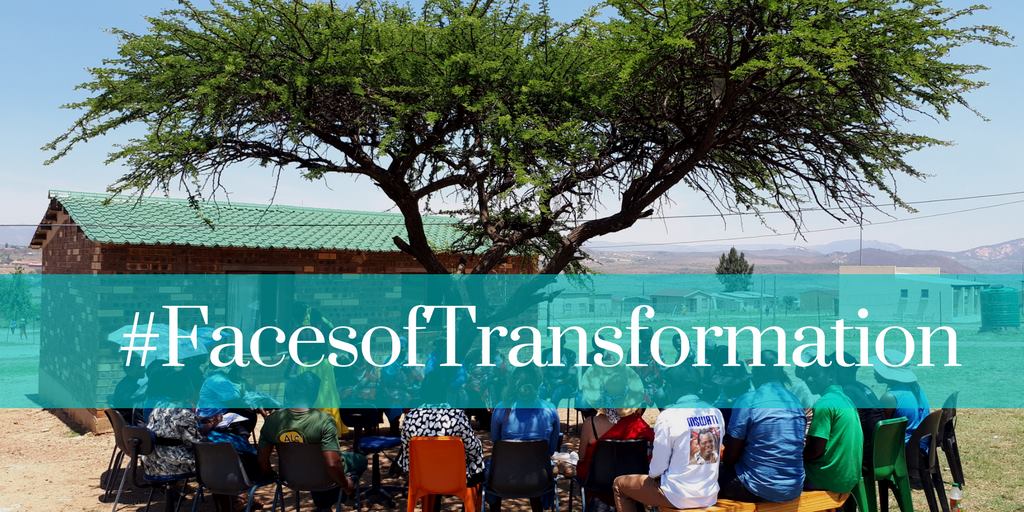
The Bear Foundation (TBF) was formed in 2011 to help survivors of violence build their confidence and realise their self-worth. It is an organisation born out of the personal struggle of the Executive Director of the Bear Foundation, Nomzamo Gcwensa, (TBF) who survived an emotionally and physically abusive relationship. She felt the need to help other women who were struggling to get back on their feet and regain their sense of self after they left their abusers and formed the organisation to combat gender-based violence. The organisation works mainly with school girls and young women both in and out of school.
TBF also works on building leadership skills in young women and girls with programmes and activities in the Diepsloot township in Gauteng Province, South Africa. Bear Foundation was awarded a grant by AWDF in 2016 as part of its 16 days of activism, a grant process that supports various women’s organisations fighting against Gender based violence. During the period, they organized a walk to raise awareness on gender-based violence in Diepsloot; they were also on the Diepsloot community radio and participated in the community dialogues that spoke to the issue of Gender based violence. The project therefore helped reinvigorate the discussions around eliminating Violence Against Women.
Their grassroots focus and determination to make change in young women’s lives is what makes The Bear Foundation one of our #FacesofTransformation.
Theo Sowa named among 100 most influential in global gender policy
Theo Sowa named among 100 most influential in global gender policy
In recognition of her contribution to shaping gender policy around the world, AWDF CEO Theo Sowa has been listed among the top 100 influencers of global policy.
Apolitical, a global platform for public servants and policymakers to stay informed about policy and the public service, announced its compilation of the 100 most influential people in gender policy around the world, citing Theo for her work in Philanthropy! This accolade recognises her incredible efforts, both at AWDF and in her own personal capacity, to make the world a better, kinder, and freer place for women.
For the full list of actors please click HERE
#FacesofTransformation: TGNP Mtandao builds movements from the ground up.
#FacesofTransformation: TGNP Mtandao builds movements from the ground up.
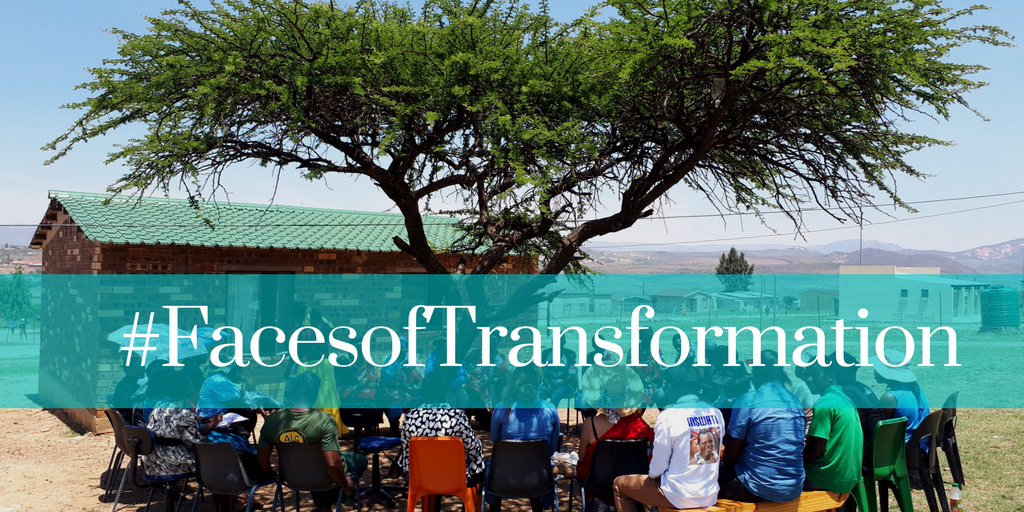
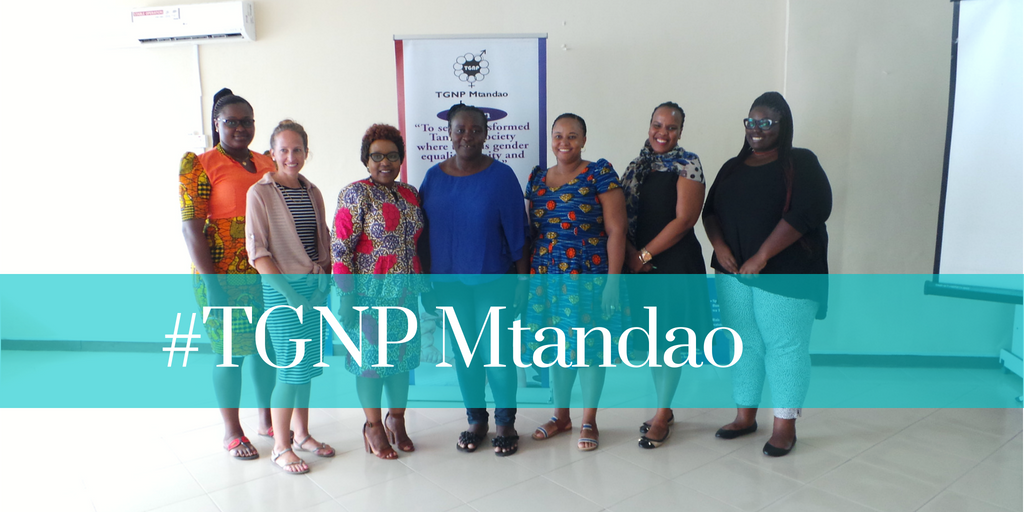
To achieve true gender parity and transformation requires changing not just the law, but the hearts and the minds of the people within that community. TGNP Mtandao works to transform and inform its stakeholders and Tanzanians at large about the rights of women, as well as engaging women to know and champion their own rights.
TGNP is a membership organisation based in Tanzania and is well-known within its field as a trailblazer in empowering women for the achievement of their rights. Their recent accreditation as well as their partnership with COADY Canada, where they help run some of its capacity building programmes puts it in a strong position within the women’s movement of Tanzania and the country as a whole. Their drive to share knowledge and resources throughout the country has resulted in the creation of a network of knowledge and research centres that serve as hubs that guide movement building activities all over Tanzania.
Their impressive reach throughout Tanzania means that when TGNP was awarded a grant to build the capacity of informal Women Cross Border Traders (WCBT) and duty bearers on gender mainstreaming in trade for women’s economic justice, they were well positioned and well equipped to achieve their goals. Their project focuses on strengthening women’s economic skills and empowering women’s cross border traders. They also work to advocate for gender friendly trade policies with key stakeholders on all levels of government.
TGNP’s innovation and research driven approach to their work is what makes them one of our #FacesofTransformation