
Category: News
LFS: Watch an Informational Video on our Grantmaking.
LFS: Watch an Informational Video on our Grantmaking.
[tp lang=”en” not_in=”fr”]
Based on feedback received and from frequently asked questions, we have jut released a video aimed at simplifying the grantmaking process for Leading from the South. This video gives valuable insight into LFS grantmaking including how to approach the application process and also shares a few lessons learnt from previous rounds of grantmaking.
Please follow this link: LFS: An Insight into our Grantmaking to view the video and also share with your networks for the benefit of others who may want to apply for a Leading from the South Grant.
[/tp]
[tp lang=”fr” not_in=”en”]
Nous avons publié une vidéo visant à simplifier le processus d’octroi de subvention. Ceci pour répondre à vos préoccupations relatives à notre initiative LE SUD AUX RÊNES DU LEADERSHIP (LFS).
Cette vidéo donne un aperçu général de l’octroi de subvention dans le cadre de l’initiative LFS, y compris comment aborder le processus de demande et partage également quelques leçons tirées des cycles de subventions précédents.
Cliquez sur ce lien Un aperçu de notre octroi de subvention pour regarder la vidéo et partager le avec vos réseaux et d’autres personnes qui désireraient postuler pour une subvention dans le cadre de cette initiative.
[/tp]
#FacesofTransformation: Earthlore Puts Ancient Knowledge into Practice to Restore the Environment
#FacesofTransformation: Earthlore Puts Ancient Knowledge into Practice to Restore the Environment
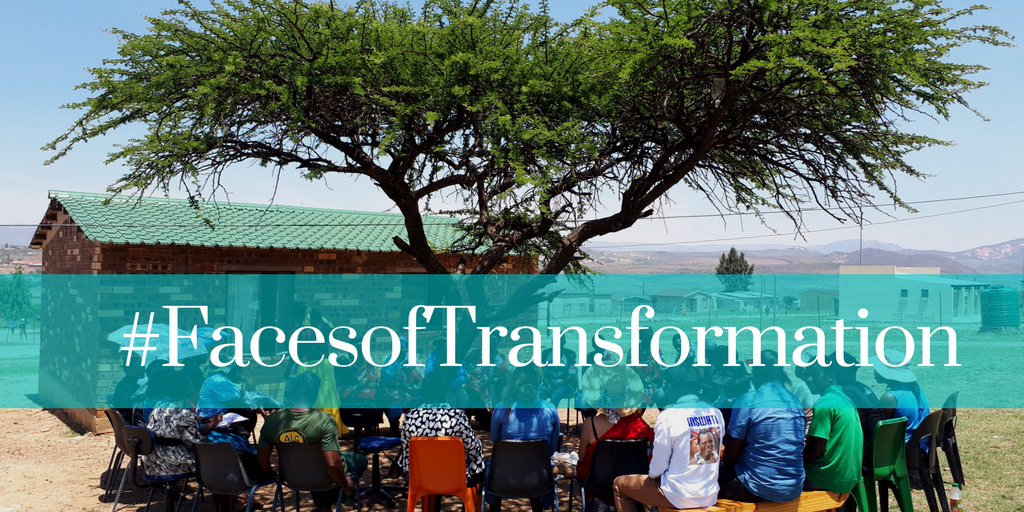
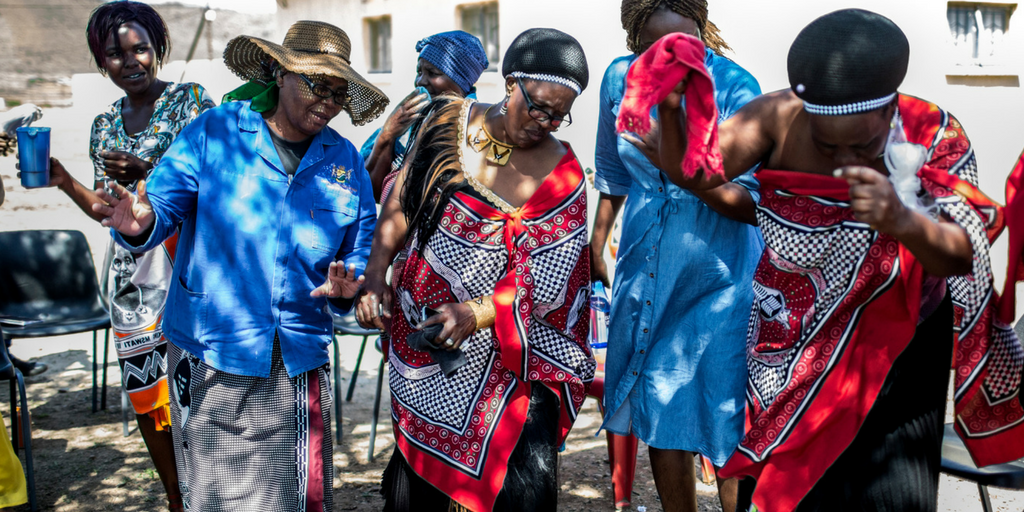
African women have always played an integral role in sustaining the planet’s biodiversity, conserving the environment around them, and EarthLore fits right into this mould. This is one of the women-led organisations that is rural-based, and that often forms the backbone of the community and the starting point of the agri-food value chain.
Earthlore’s work ensures that these women continue to play a central role in the continued life cycle of our planet.
Earthlore was provided a grant to improve the economic security of rural women in Mpumalanga, South Africa, and to promote conservation of the environment and biodiversity. The project included community dialogues, exchange meetings and workshops for rural women to revive and strengthen women’s leadership, traditional knowledge and governance systems. Earthlore also organized agro-ecology trainings and support visits to small-scale women farmers to revive traditional knowledge and indigenous seed and food systems. They undertook advocacy activities to protect community lands and sacred natural sites– as a way of continuing their legacy of honouring the land they live on. Earthlore’s unique respect of traditional methods provides them a unique advantage when it comes to conservation methodology and allows them to centre women and the earth in their work in spiritual and revolutionary ways.
Earthlore’s understanding of the environment and recall of traditional methods of farming make them a forward facing organisation that acknowledges, respects and carries the path with them. Their love for the environment, and the hope and methods they’ve instilled in their community make them one of our #FacesofTransformation.
#FacesofAdvocacy: Gender Links presses for Affirmative action to become a reality
#FacesofAdvocacy: Gender Links presses for Affirmative action to become a reality
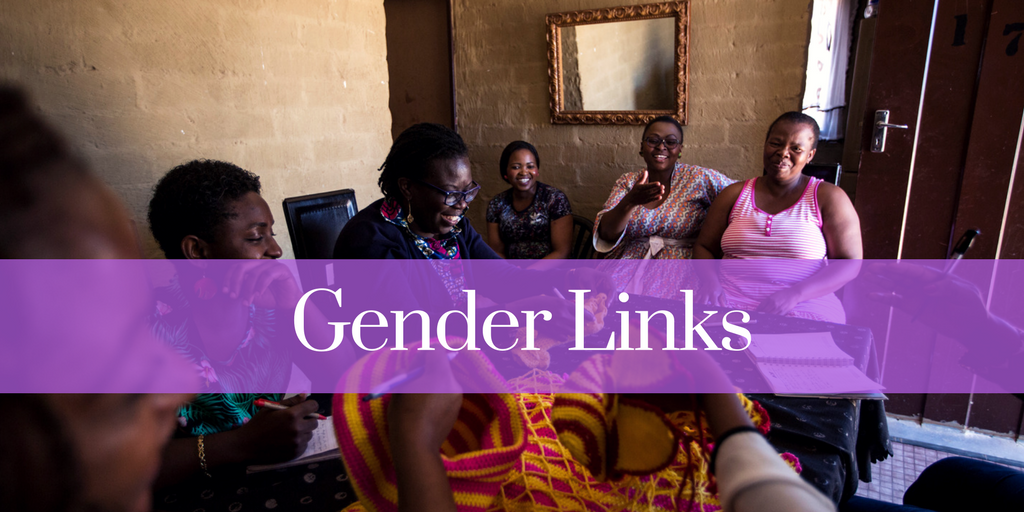
For change to be reflective of the people, government and those who contribute to it should be representative of its population. Gender links and their innate belief in this idea, continue to press for a more representative government by working to ensure the adoption of affirmative action in both local and national governance structures within Southern Africa. They continue to strategise, network and lobby partners to ensure that their vision becomes a reality.
Gender Links received a grant to enable them to advocate for the adoption of affirmative action in governance structures in seven Southern African countries while ensuring inclusivity for all categories of women with a special focus on young women and women living with disability.
Their project focuses on changing the internal leadership structures of political parties to accommodate women in leadership and also creating a more receptive environment for women at work. It further advocates for the implementation of policies and laws that have already been passed to ensure that women are autonomous and live their lives free of violence. The project is being implemented in Mauritius, Botswana, Mozambique, Lesotho, Zimbabwe, Swaziland and Zambia.
Though the project is a young one, they have already set up a web-based platform that provides the space for women activists to share resources on issues pertaining to gender as well as discuss new strategies, practices and networking. The web based platform includes a blog, discussion forum and other resources.
Their innovative approaches to advocacy as well as their impressive network and their efforts at growing their cache of knowledge, makes Gender links one of our #FacesofAdvocacy.
Shapeshifters: African Women Spearheading Change in the Environment
Shapeshifters: African Women Spearheading Change in the Environment
[tp lang=”en” not_in=”fr”]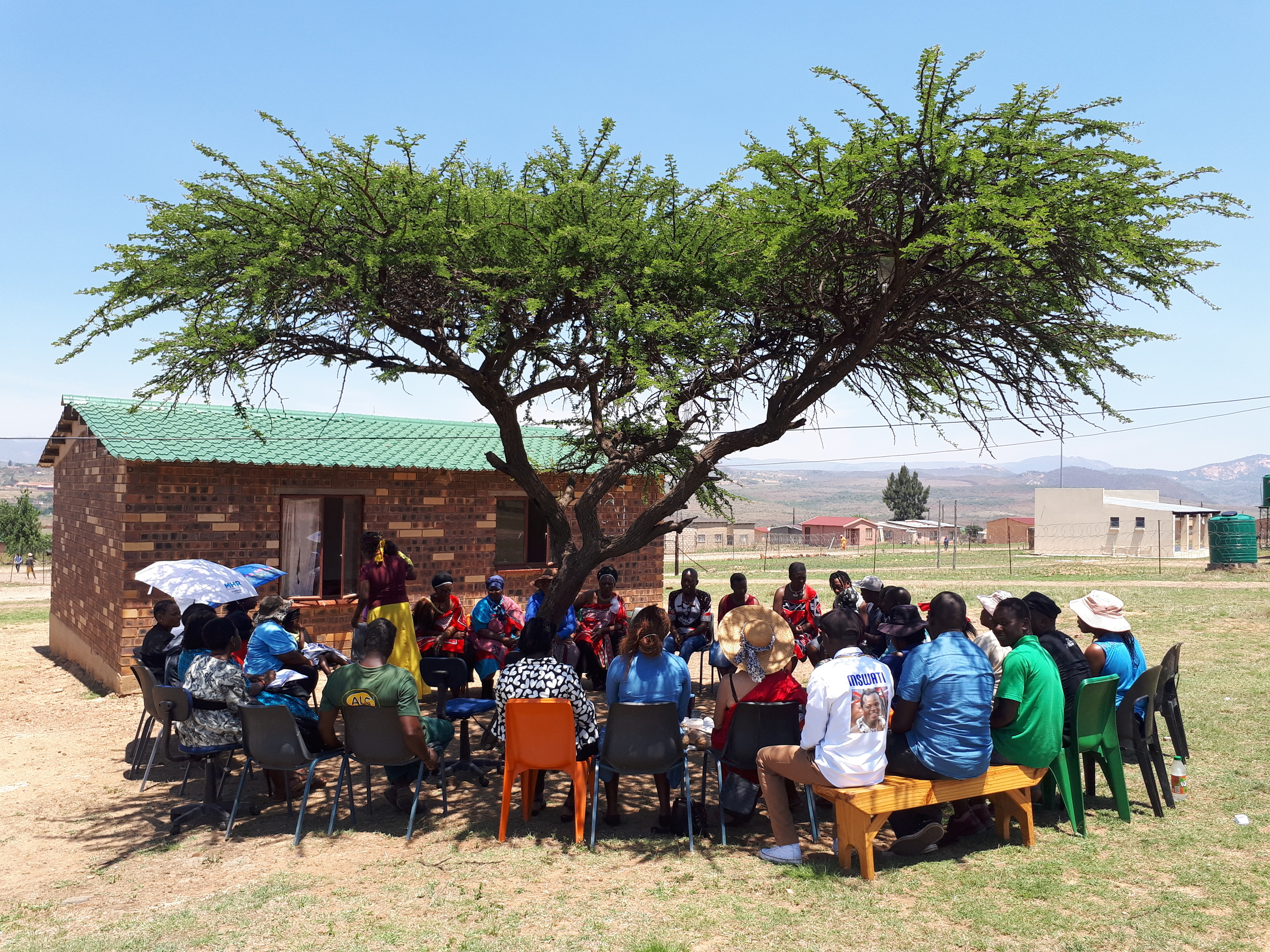
“We all share one planet and are one humanity; there is no escaping this reality.”
― Wangari Maathai
The planet is dying, and African women are some of the primary constituents affected by this fact. There is growing evidence that the continent faces major environmental challenges, threatening our access to food, clean water and general livelihood. As the late Feminist Environmentalist Wangari Maathai noted, we share one planet and must also share the burdens we place on it –as well as the solutions for fixing it. While not a stand-alone theme for AWDF, climate change continues to be a key priority area, and falls under the organisation’s Economic Security and Justice thematic area. At AWDF, we recognise the intersection of environmentalism and social justice to improve the present (and future) realities of African women. Over the last four (4) years, AWDF has supported six (6) organisations across four (4) different countries (Cameroon, Zambia, Ethiopia and South Africa) with over USD 130,000 in tackling climate change and its various effects on African women’s lives.
The six (6) organisations are:
- Community Agriculture and Environmental Protection Association (Cameroon)
- Dynamic Sisters Farming Group (Cameroon)
- Surplus People Project (SPP)
- Earth Lore Foundation (South Africa)
- Zambia Alliance of Women (ZAW) (Zambia)
- SOS Addis (Ethiopia)
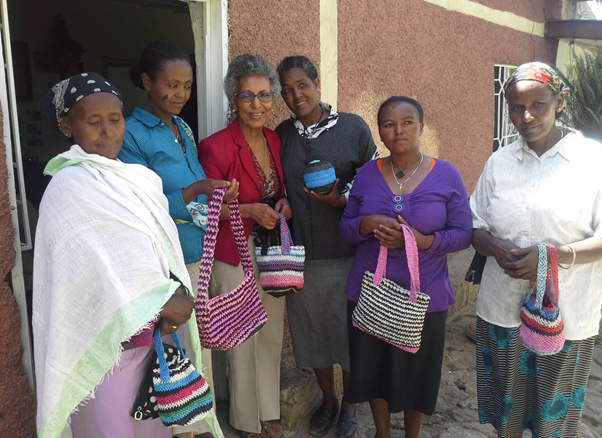
Five of the six organizations were supported to implement projects that sought to create or improve women’s livelihood in agriculture with a central focus on food security and climate adaptation, with amounts ranging from USD10,000 – USD38,000. Through our grant opportunities, these organisations engaged in various activities to increase smart agricultural practices that could help improve the environment. CAEPA undertook sensitisation trainings for women on climate change issues and its effects on agricultural practices, including how to use improved seed for maize cultivation and organic fertilizers for bumper harvests. Earth Lore Foundation and the Surplus People Project both conducted trainings on organic manure production and agro ecology farming, while organisations like the Zambia Alliance of Women trained 300 female farmers on sustainable land governance and climate smart agriculture. SOS Addis – Ethiopia worked on waste management and helped women recycle plastic waste to re-usable items that were sold to generate income. The project trained 50 women in plastic art/re-using the plastic waste in handicraft and further conducted environmental lessons for 90 people selected from beneficiaries, local administration representatives and other stakeholders.
Results! Results! Results!
Through the support of AWDF, these organisations made significant interventions into agricultural practices across their countries which included the following:
- More women are now practicing “climate smart” agriculture by integrating the planting of tree species in their farming system to check soil erosion and conserve ground water to improve soil fertility;
- Farm productivity has increased without damaging the environment;
- Food security has been enhanced through the reviving of the traditional seeds and these women now own and control the seeds they cultivate;
- The women do not spend extra money to buy manure since they produce it themselves, and can control what goes into the crops they are producing.
Success Stories
We are cleaners with pride
“I had little idea about the use of plastic bags apart from throwing them away until I joined SOS ADDIS. I can now make bags out of it. I have transferred this knowledge to my daughter who now assists me with the picking of the waste rubber. It costs us nothing to get these raw materials”, says a beneficiary of SOS Addis.
“We are cleaners, we clean all gutters and make sure it is not blocked by plastic waste. We collect waste plastics as well to protect animals from eating these and dying. We use waste plastics to generate money and it feels good. At times we go to far places to collect and even buy, because we know how useful it is” -group of beneficiaries of SOS.
Passionate about traditional farming
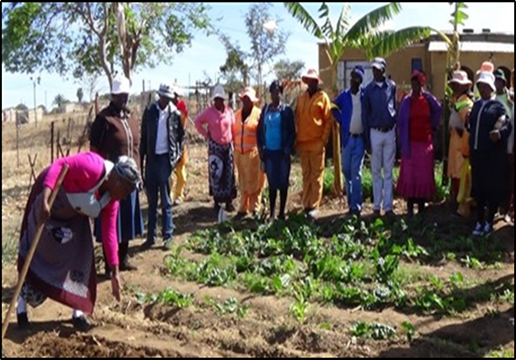
Make Halala, as she is affectionately known in Avontuur, Mpumalanga, is passionate about traditional farming. Poverty, unemployment, the loss of traditional seeds and foods are high in Avontuur, making life for women-headed families particularly difficult. So discovering a way to farm without buying seeds, fertilisers and pesticides has been very exciting and inspiring. A year ago, Make Halala started attending EarthLore’s community dialogues and the Ukulima agro-ecology trainings. No sooner is an idea introduced than it appears in the family garden – from intercropping with marigolds to stop cutworms eating their tomatoes, water harvesting using boxed ridges, making compost and liquid manure, to planting pulses with seeds from the Seed Fair in Zimbabwe. Make is a good teacher and is constantly encouraging neighbouring farmers to adopt these approaches as well.
Make Halala also enjoys feeding her family with the nourishing traditional foods and vegetables growing in their garden. “I am very happy to be reviving our tradition and practices. You need to have a connection with nature and take care of nature because then it gives you healthy food that is good for your body.” In the past, Make Halala and other Avontuur farmers would go to town to buy food, but now they only go to purchase the few groceries that they cannot make at home. What makes Make Halala happiest of all is when she is planting traditional seeds that have been shared with her so that she can propagate them to also share with other farmers to ensure the revival of lost traditional crops. Visitors to Make Halala’s field in December were excited to recognise Umngomeni, a traditional crop that had been completely lost in Avontuur. She is also very happy to share the knowledge with the rest of the community about the importance of reviving their traditional culture.
AWDF continues to be proud of our grantees for their future-oriented strategies to improve women’s lives. To our grantees, we say: well done Sisters! Let’s continue #ShapingAfricasFuture.
[/tp]
[tp lang=”fr” not_in=”en”]
« Nous partageons une seule planète et nous constituons une seule humanité ; c’est une réalité que nous ne pourrons jamais denier »
Wangari Maathai
La planète se dépérit et les femmes africaines sont les premières à être touchées. Plusieurs preuves existent montrant que le continent souffre de défis environnementaux menaçant ainsi notre accès à l’alimentation, à l’eau potable, et aux moyens de subsistance. Comme l’a noté la feue écologiste féministe, nous partageons une seule planète et nous devons donc partager les charges que nous lui imposons, ainsi que les solutions pour y remédier. Bien que le changement climatique ne constitue pas un thème indépendant pour l’AWDF, il continue d’être une priorité essentielle et est par conséquent inclus dans l’un de ses domaines thématiques notamment la Sécurité Economique et la Justice. A l’AWDF, nous reconnaissons l’intersection de l’environnementalisme et la justice sociale pour améliorer les conditions actuelles (et futures) des femmes africaines. Au cours des quatre (4) dernières années, AWDF a soutenu six (6) organisations dans quatre (4) pays. (Cameroun, Zambie, Éthiopie et Afrique du Sud) avec plus de 130.000 USD pour lutter contre le changement climatique et ses effets sur la vie des femmes africaines. Les six organisations sont les suivantes :
- Community Agriculture and Environmental Protection Association (Cameroun)
- Dynamic Sisters Farming Group (Cameroun)
- Surplus People Project (SPP)
- Earth Lore Foundation (Afrique du Sud)
- Zambia Alliance of Women (ZAW) (Zambie)
- SOS Addis (Ethiopie)
Cinq de ces six organisations ont reçu un soutien financier de 10.000 USD à 38.000 USD pour mettre en œuvre des projets visant à créer ou à améliorer les moyens de subsistance des femmes agricultrices avec un accent particulier sur la sécurité alimentaire et l’adaptation au climat. Grâce à notre subvention, ces organisations ont organisé diverses activités visant à accroitre les bonnes pratiques agricoles qui pourraient contribuer à l’amélioration de l’environnement. CAEPA a sensibilisé les femmes sur les questions liées au changement climatique et ses effets sur les pratiques agricoles y compris l’utilisation des semences améliorées pour la culture du maïs et des engrais organiques pour une bonne récolte. Earth Lore Foundation et Surplus People Project ont organisé des formations sur la production de l’engrais organique et l’agriculture agro-écologique tandis que Zambia Alliance of Women a formé 300 agricultrices sur la gouvernance durable des terres et l’agriculture intelligente face au climat. SOS Addis –Ethiopie a sensibilisé les femmes sur la gestion des déchets et les a aidé à recycler les déchets plastiques en produits réutilisables qui ont été vendus pour générer des revenus. Le projet a formé 50 femmes sur comment réutiliser les déchets plastiques dans l’artisanat. Elle a également dispensé des cours sur l’environnement à 90 personnes sélectionnées parmi les bénéficiaires, les représentants des administrations locales et d’autres parties prenantes.
Résultats
Grâce au soutien de l’AWDF, ces organisations ont contribué massivement à l’application des bonnes pratiques agricoles dans leurs pays. Certaines de ses contributions sont les suivantes:
- Augmentation du nombre de femmes qui pratiquent maintenant l’agriculture intelligente face au climat dans leur famille en plantant des arbres dans leurs champs pour contrôler l’érosion du sol et conserver les eaux souterraines pour l’amélioration de la fertilité du sol.
- Augmentation de la productivité agricole sans nuire à l’environnement
- Amélioration de la sécurité alimentaire par l’usage des semences traditionnelles.
- Augmentation du nombre de femmes qui ne dépensent plus d’argent pour acheter du fumier puisqu’elles les produisent elles-mêmes et donc arrivent à contrôler leur culture.
Quelques témoignages
“Nous sommes des agents d’entretien et nous en sommes fières. ”
« Avant de rejoindre SOS ADDIS, je n’avais aucune idée de l’utilisation des déchets plastiques si ce n’est pas celle de les jeter. Maintenant, je peux en faire des sacs. J’ai formé aussi ma fille et elle m’aide maintenant à collecter ces déchets plastiques qui ne nous coûtent rien du tout ». Bénéficiaire SOS ADDIS
Nous sommes des agents d’entretien, nous nettoyons tous les caniveaux pour éviter leur blocage par des déchets plastiques et ainsi empêcher que les animaux ne les mangent et n’en meurent. Avec les déchets plastiques, nous arrivons à générer de revenus et nous en sommes fières. Parfois nous parcourons une longue distance pour les collecter et même les acheter car nous savons à quel point cela nous est utile ». Groupe de bénéficiaires SOS.
Passionnée par l’agriculture traditionnelle
Make Halala, comme elle est affectueusement appelée à Avontuur, Mpumalanga, est passionnée par l’agriculture traditionnelle. La pauvreté, le chômage, la perte des semences traditionnelles et d’aliments sont élevés à Avontuur, ce qui rend ainsi la vie difficile pour les femmes chefs de familles. La découverte donc d’un moyen de cultiver sans avoir à acheter des semences, des engrais et des pesticides a été très intéressante et inspirante. Il y a un an, Make Halala a commencé à participer aux dialogues communautaires de EarthLore et aux formations en agro-écologie de Ukulima.
Elle a appliqué les connaissances reçues de la formation dans son jardin en pratiquant une culture intercalaire avec des fleurs qui empêchaient les vers-gris de détruire les tomates ; en récupérant de l’eau avec des buttes de terres, en fabriquant du compost et des engrais liquides; et en plantant des graines reçues de la Foire des semences en Zimbabwe. Elle est une bonne éducatrice et encourage les agricultrices dans sa communauté à utiliser ces approches.
Make Halala nourrit sa famille avec des repas traditionnels et des légumes cultivés dans son jardin. « Je suis très contente d’avoir relancé notre tradition et pratiques. Nous devons avoir un lien avec la nature et en prendre soin parce qu’elle nous donne des aliments sains qui sont bon pour notre santé. » Make Halala ainsi que d’autres agricultrices de Avontuur avaient l’habitude d’aller en ville pour acheter des repas mais maintenant, elles y vont pour acheter seulement quelques provisions qu’elles ne peuvent pas produire chez elles. La plus grande joie de Make Halala c’est de planter des semences traditionnelles qui lui ont été données et de les partager avec d’autres agricultrices pour assurer la renaissance des traditions perdues. Les personnes qui ont visité le champ de Halala en décembre étaient ravies d’avoir accès à Umngomeni, une culture traditionnelle complètement abandonnée à Avontuur. Elle est également très heureuse de partager ses connaissances avec le reste de la communauté sur l’importance de faire revivre leur culture traditionnelle.
AWDF est toujours fière de ses bénéficiaires à cause de leurs stratégies orientées vers l’avenir et focalisées sur l’amélioration de la vie des femmes. A nos bénéficiaires, nous disons, Bravo nos sœurs ! Continuons de façonner l’avenir de l’Afrique.
[/tp]
#FacesofAdvocacy: SWID recounts the journey towards Women’s Land rights in Uganda.
#FacesofAdvocacy: SWID recounts the journey towards Women’s Land rights in Uganda.
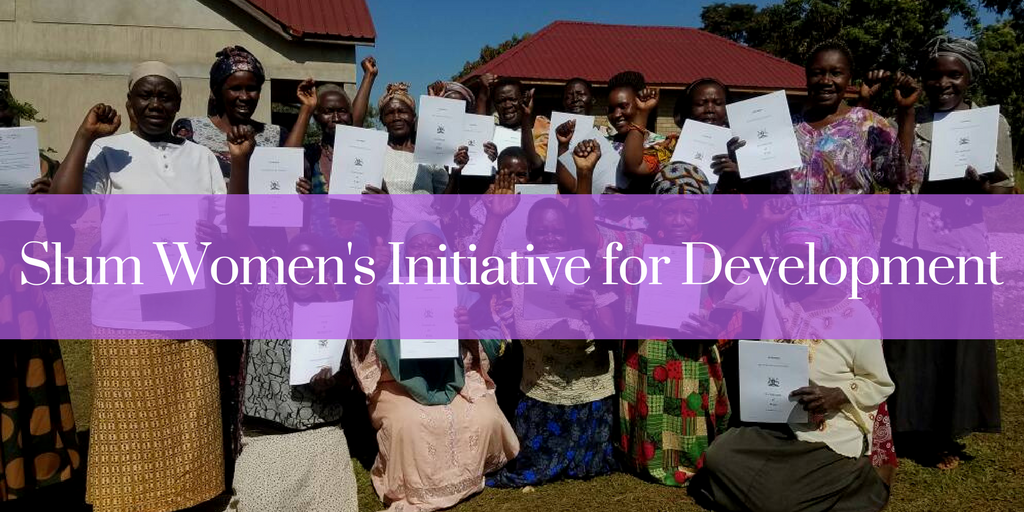
Advocacy leads to transformation and Slum Women’s Initiative for Development (SWID) has demonstrated the importance of transformation on the issue of Land rights in Uganda. SWID works on a spectrum of issues: land rights, women’s rights, food security as well as environmental protection. They understand how issues of land, the environment and food are interwoven, and how all of these issues directly impact women. They empower rural women farmers through advocacy and educational activities for easy access to land to invest in profitable agriculture which will result in high yields, thereby enhancing food security as well as income.
Below are two grantee stories from SWID, the grantee we profiled HERE last week.
- Florence Elume, a widow with two children and a vice chair of SWID has this to say:
“I used to be a teacher and when I went on pension I started farming and raring rabbits and goats. I acquired a land but didn’t have a title to it. SWID trained me in leadership and helped me know my rights. I now know how to make will, lobby stakeholders: municipal council, NGOs to help my fellow women on our needs. I know how to process land title and know the steps I need to follow. The process we undertook to get the land title has also created harmony in our community. I have my land title that I know I have full ownership of my land. This title means a lot to me. Because it assures me that I have security of tenure. I can get loan from the bank for my business. I can even sell it if I wish to do so. I have Power! Power! Power!!”
2. Mariam Kajoda, a beneficiary of SWID’s program had this to say as well:
“I am a farmer- I cultivate land and also rare goats. I appreciate the director of SWID who mobilized us to acquire land titles and also helped us come out of ignorance and know our rights as women. I am now a woman who can contribute to development. Now we have a voice to pursue justice. I have built a house and now I have title of ownership. I have 99 years lease of the land where the house is. I appreciate AWDF for the support given us to process the title, the training that helped us get power and knowledge. “United is Power”. This power has given me success as my children are also on the title. I can use my title as collateral for a loan, but I will be careful not to over use it otherwise I lose my land and my house”.
#FacesOfAdvocacy: Slum Women’s Initiative for Development pushes for Women’s Land Rights
#FacesOfAdvocacy: Slum Women’s Initiative for Development pushes for Women’s Land Rights
Advocacy leads to transformation and Slum Women’s Initiative for Development (SWID) has demonstrated the importance of transformation on the issue of Land rights in Uganda. SWID works on a spectrum of issues: land rights, women’s rights, food security as well as environmental protection. They understand how issues of land, the environment and food are interwoven, and how all of these issues directly impact women. They empower rural women farmers through advocacy and educational activities for easy access to land to invest in profitable agriculture which will result in high yields, thereby enhancing food security as well as income.
AWDF supported SWID in the processing of leases for 31 women. They also held a one-day sensitisation workshop for their community to help them understand why it was so important for women to own their own land.
The training proved to be not only successful but revolutionary. In the past, women had been acknowledged only as witnesses on land title documents but as a direct result of this intervention, a number of men in the community started processing joint title ownership for their land so their wives would also have rights to the land.
SWID continued their advocacy and sensitisation in various parishes, with local authorities and with the police. Over a 100 people participated in these dialogues and a revolving fund was established to give loans to group members who owned land to start the land title acquisition process.
Reports from the land office shows a significant increase in the number of women processing land titles as a result of the sensitisation programme, with a corresponding change in the mindset of men in relation to land ownership.
SWID has played an integral role in changing their society by continuing to advocate for the rights of women and girls to the land on which they live, work and earn from.
This is why SWID is one of our #FacesOfAdocacy.
#FacesofAdvocacy: S.H.E creates space for those whose voices are often ignored.
#FacesofAdvocacy: S.H.E creates space for those whose voices are often ignored.
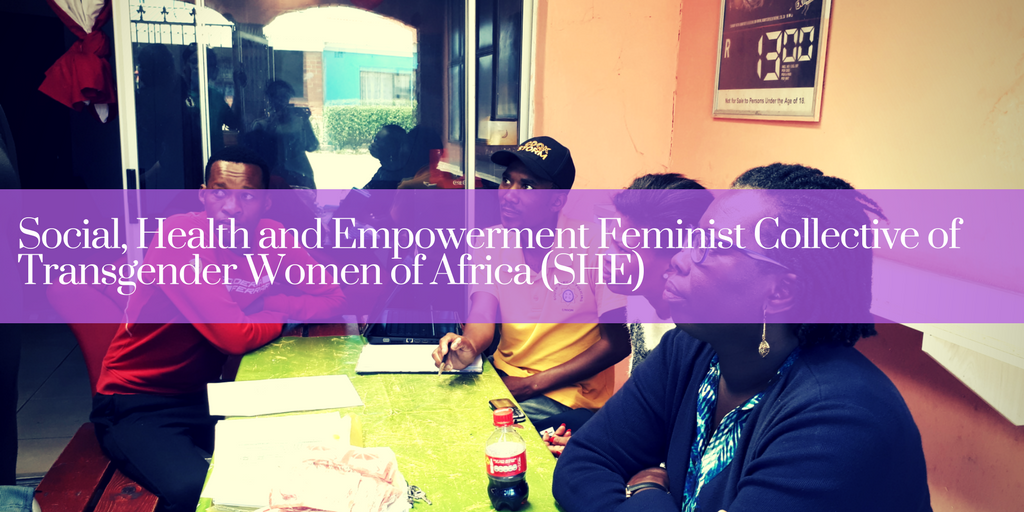
Women experience marginalisation on multiple levels, but transwomen often experience added layers of marginalisation within movements, because their experience of womanhood is constantly questioned and policed.
Social Health and Empowerment Feminist Collective of Transgender Women of Africa (SHE) understands the necessity of having an organisation for women who find themselves within larger movement spaces but not at the centre of them and experience unique discrimination because of that. SHE was formed by transwomen of colour in South Africa, to give Transwomen a voice within the LGBTI movement.SHE was founded in 2010 by Leigh Ann van der Merwe, a Transwoman from rural South Africa in 2010. This trailblazing organisation works with transgender women, women living with HIV AIDS, as well as LGBTQI organisations, serving as an invaluable resource to its community.
As part of its work with AWDF, SHE organised a one week feminist movement building school for 20 transwomen to help them better engage within the women’s movement and advocate for themselves. This would allow them to have a strong voice during key development processes, and ensure that their voices are at the forefront of important governmental change and policy making decisions.
SHE recognises the need for our future to be intersectional. SHE is a #FaceofAdvocacy.
For more information on Transwomen and the Gender binary click HERE
#FacesofAdvocacy: Rape Crisis Cape Town Trust
#FacesofAdvocacy: Rape Crisis Cape Town Trust
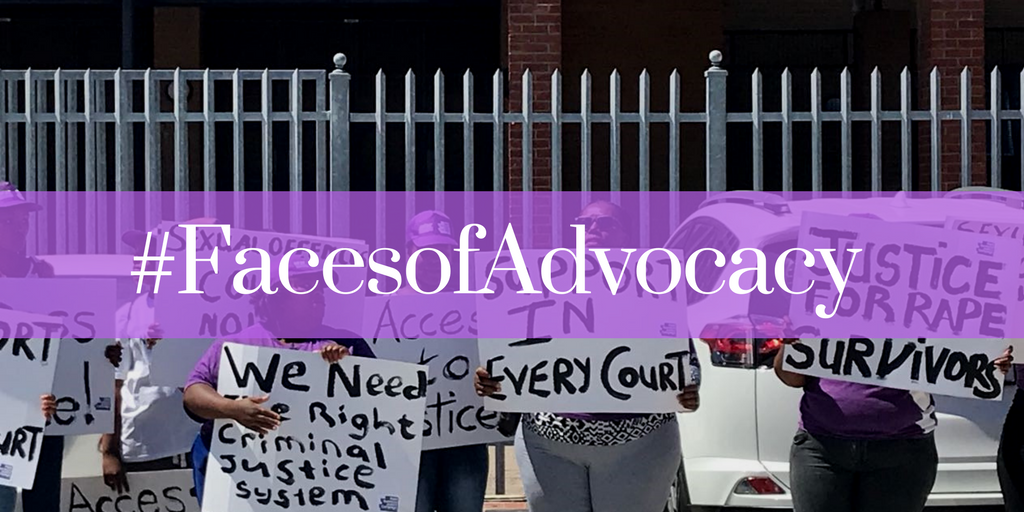
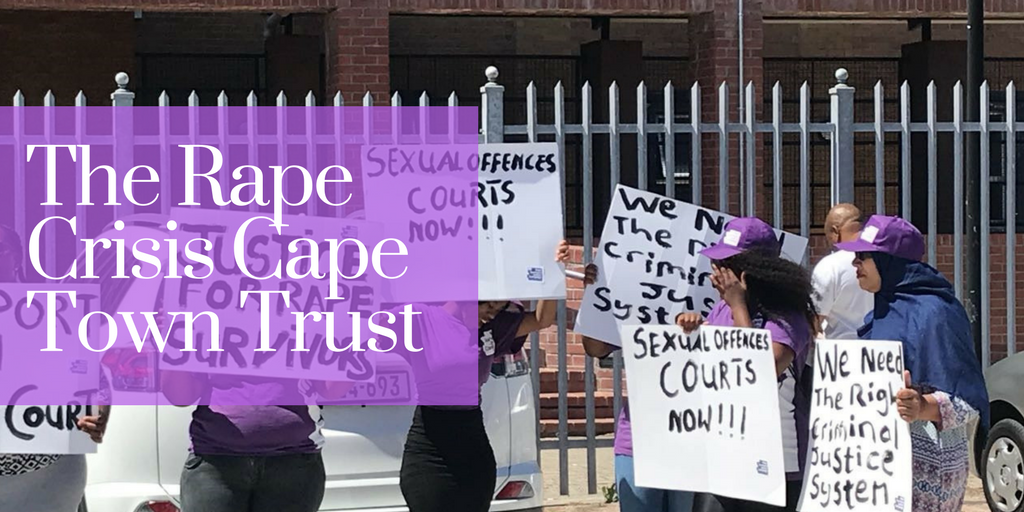
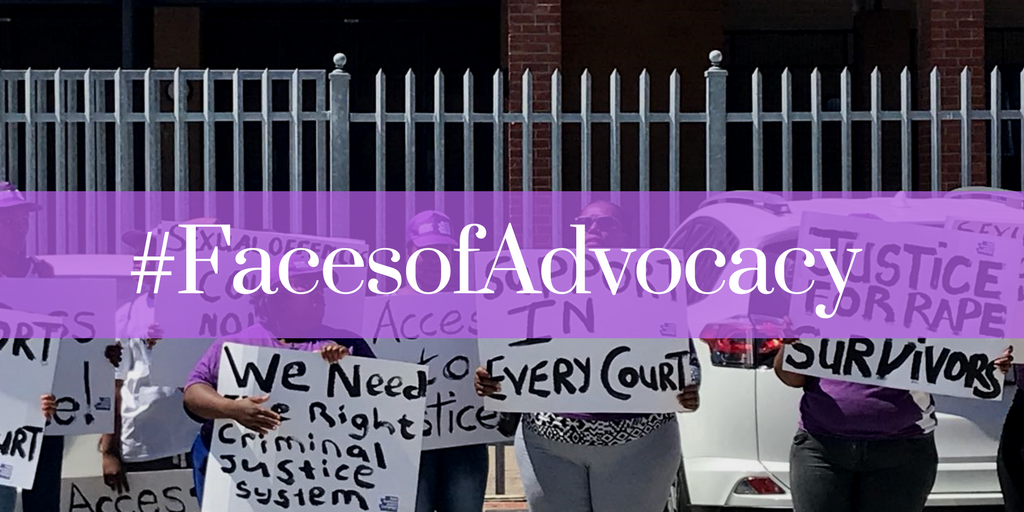
What does it mean to truly seek justice for victims of sexual assault and abuse? What does this justice look like and who does it centre on? The Rape Crisis Cape Town Trust has continually sought to answer this question and push the state to act on its commitment to survivors of Sexual offences in South Africa. They recognise the way that different people and groups navigate the justice system, and the disparities in support for various kinds of survivors.
The Rape Crisis Cape Town Trust works to ensure that sexual offence courts are set up all across South Africa. They work to keep the South African Government accountable to fulfilling its promise to roll out sexual offences courts across the country to provide specialised services, personnel and infrastructure to survivors of sexual offences. Because of their in-depth understanding of the justice system, they appreciate how integral a safe, reliable court system would be for survivors of sexual violence. These courts will offer various forms of support to survivors throughout the legal process whilst dealing with several commonly reported problems that survivors often face when pursuing justice against perpetrators of sexual violence.
The Rape Crisis Cape Town Trust was awarded a grant to allow them to better advocate for the institutionalisation of these court systems that would provide support across board for all survivors of sexual violence, as well as hold authorities accountable for fulfilling all the mandates of the specialised courts. Their social media campaigns and community mobilisation activities have helped bring awareness to their cause and encouraged commitment from various community members.
The Rape Crisis Cape Town Trust is a #FaceofAdvocacy.
To see the full list of our grantees, please click here
#FacesofLeadership: Tanzanian Women’s Cross Party
#FacesofLeadership: Tanzanian Women’s Cross Party
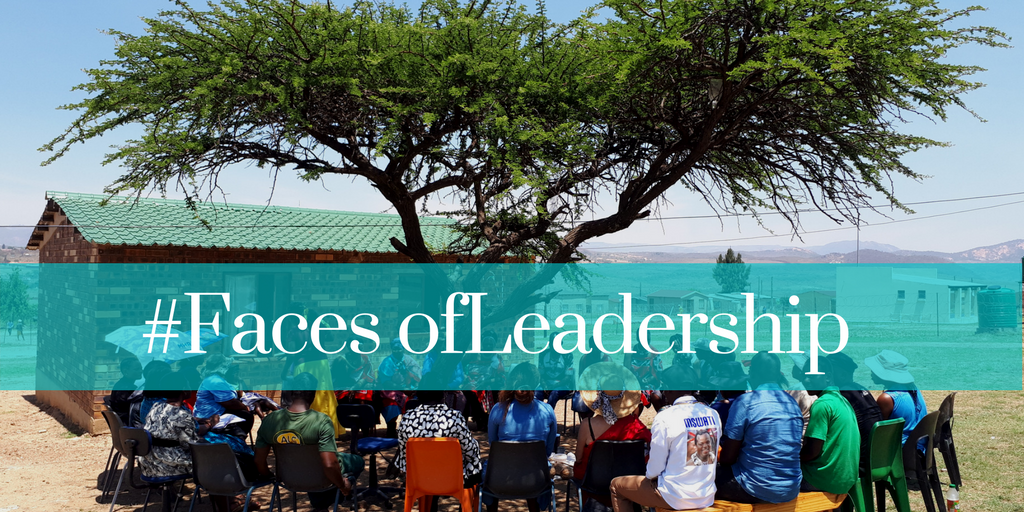
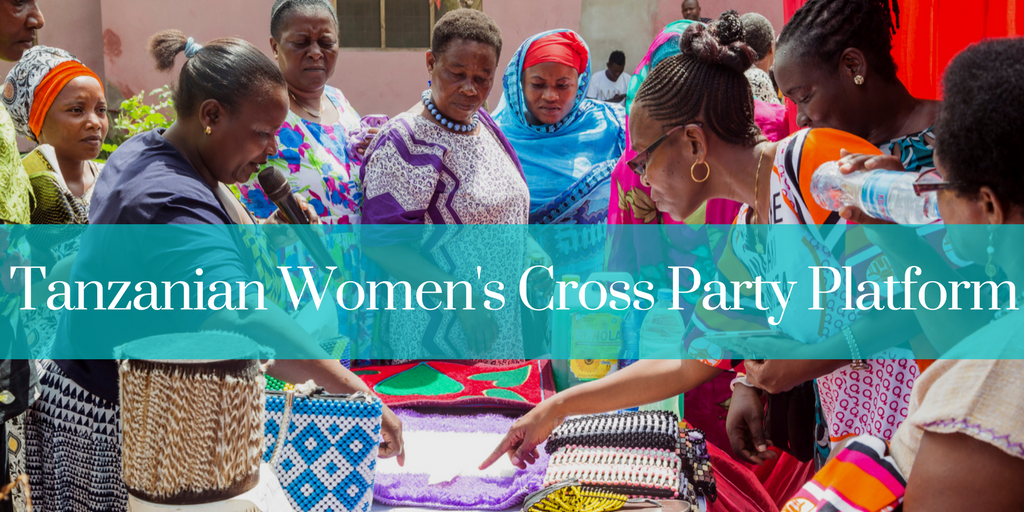
TWCP is a trailblazer in building women’s political and leadership capacities and creating spaces for women in politics. They are often consulted during high level political conversations and engage the media on policies that are gender blind. Through their efforts, TWCP has created a safe space for women politicians to interact and work with CSOs, having advocated for more women to be elected to various political positions.
They operate in 13 districts and focus on empowering women leaders of political parties, building women politicians and women leaders capacity and community mobilization for civic engagement.
TWCP was awarded a grant in 2017 to engage political stakeholders to change policies in order to facilitate the adoption of gender equality and quota systems in political processes. These included the National election commission, Zanzibar election Commission, officials from the office of registrar of political parties, Tanzania female Police Network, Women’s Rights Organization and Officials from the ministry of health, gender, children, community development and elderly.
#FacesoftheFuture : Grantee Stories and Moments to highlight the Women changing the Future of the African Continent.
#FacesoftheFuture : Grantee Stories and Moments to highlight the Women changing the Future of the African Continent.
[tp lang=”en” not_in=”fr”]
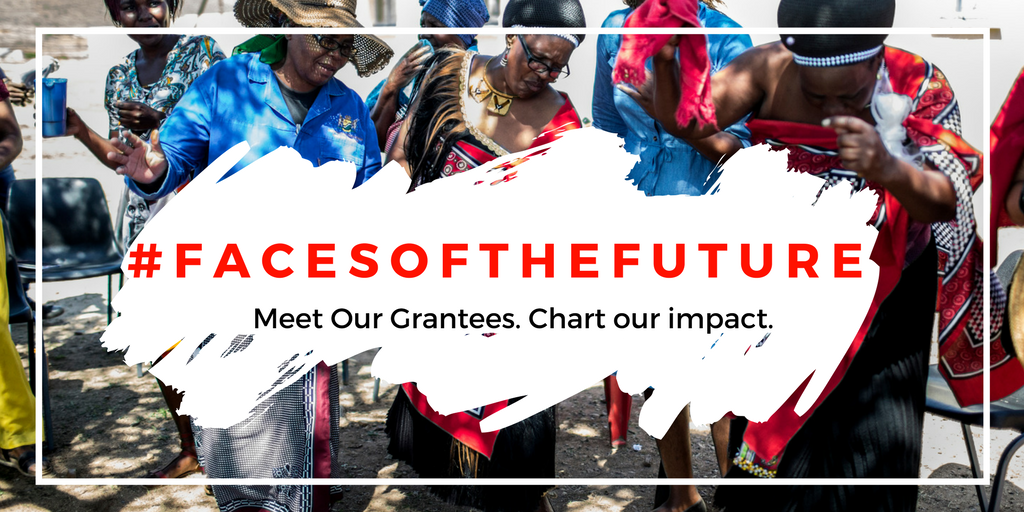
This year we’re placing our grantees at the forefront of our work. The #Facesofthefuture campaign highlights the various women and organisations behind our thematic areas and each individual subsection corresponds with a different aspect of our work. All of our grantees continue to define and shape the future– and it’s important to highlight the myriad ways in which they do this, as they do this.
This campaign centres both our grantees and the work that we’re doing and allows us to highlight some of the more interesting parts of our work.
Track #Facesofthefuture on twitter to keep up with all of the new stories and highlights each week.
Track #FacesofTransformation for stories on women transforming their communities through various interventions.
Track #FacesofLeadership for stories on our capacity building grantees and our innovative Manda Coaching Program that helps shape feminist leaders within women’s rights organisations.
Track #FacesofEmpowerment for stories that focus on the various ways we support economic security and justice.
Track #FacesofAdvocacy for stories on grantees that work in work in advocacy!
[/tp]
[tp lang=”fr” not_in=”en”]
Cette année, nos bénéficiaires occupent la première place dans notre travail. Notre campagne #Facesofthefuture met l’accent sur les différentes femmes et organisations qui contribuent à notre travail lié à nos domaines thématiques et chaque sous-section correspond à un aspect de notre travail. Toutes nos bénéficiaires continuent à définir et à façonner l’avenir. Il est donc important de souligner les diverses manières dont elles le font, pendant qu’elles le font.
Cette campagne tourne autour de nos bénéficiaires ainsi que notre travail et nous permet de décrire certaines des parties les plus intéressantes de notre travail.
Suivez #Facesofthefuture sur Twitter pour avoir accès à toutes les nouvelles histoires et les faits marquants de chaque semaine.
Suivez #FacesofTransformation pour accéder à des histoires sur les femmes qui transforment leurs communautés à travers diverses interventions.
Suivez #FacesofLeadership pour accéder aux histoires sur nos bénéficiaires qui sont dans le domaine de renforcement des capacités et notre programme innovant Manda Coaching qui forme les leaders féministes au sein des organisations de défense des droits des femmes.
Suivez #FacesofEmpowerment pour lire des histoires qui mettent l’accent sur nos diverses manières de soutenir l’autonomisation économique et le plaidoyer.
Suivez #FacesofAdvocacy pour accéder à des histoires sur les bénéficiaires qui ne font que du plaidoyer.
[/tp]