
Category: News
Creating Safe Spaces: Experiences of Ugandan women in the informal sector
Creating Safe Spaces: Experiences of Ugandan women in the informal sector
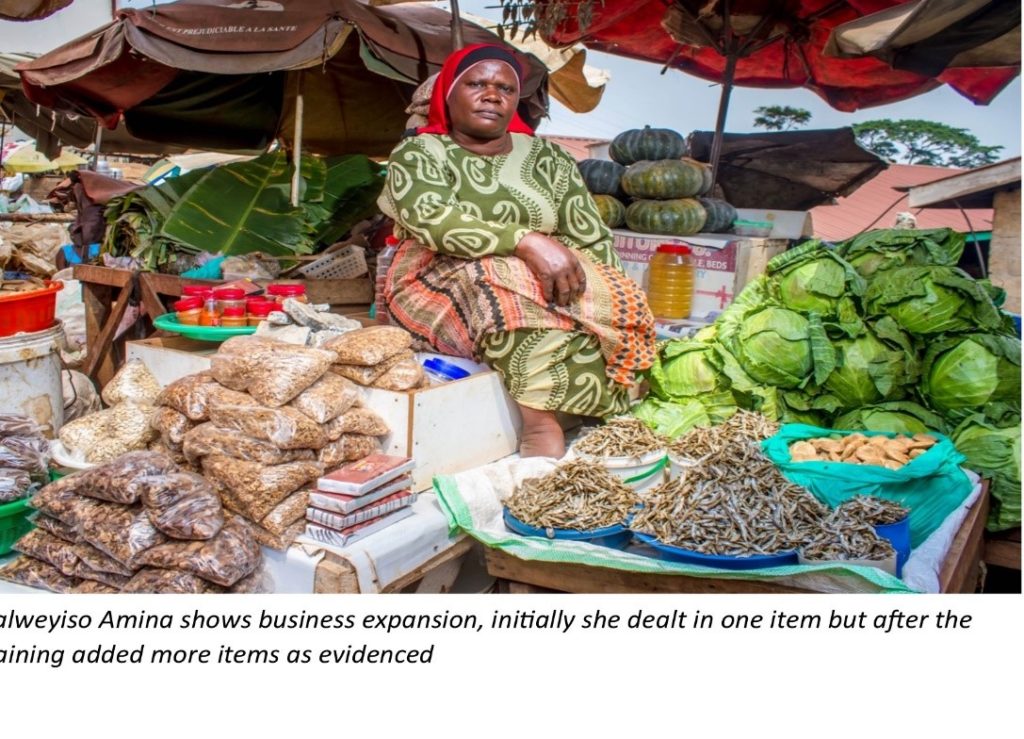
To mark 16 Days of Activism this year, AWDF and her grantee partners are lending a voice to support the global campaign on ratification and implementation of the new ILO Convention 190 and recommendation 206 to end gender based violence in the world of work.
Under the thematic area of Body and Health Rights, AWDF has supported a number of women’s rights organisations in Africa to mobilise for the protection of women’s rights and an end to violence in the informal economy and in domestic work.
African women are the backbone of African economies, performing labour to sustain themselves, their families, communities and countries. However, this labour often takes place in precarious conditions, with low pay, lack of recognition or protection, and frequent violations of women workers’ human rights.
The Institute for Social Transformation, Uganda with the support of AWDF is working to strengthen the voices, visibility, and collective organising power of women in four selected markets in Uganda.
Informal markets are of high interest to politicians and government officials, who derive easy money and support and therefore influence decisions such as who occupies leadership positions in such spaces. Women cannot easily occupy the most influential positions (e.g., Chairpersonship) because they are perceived to be incapable or temperamental.
The intervention by IST resulted from a research conducted in 2016 which revealed that there is no clear regulatory framework for informal markets in Uganda. This has exposed market women to violence and exploitation and yet they are the majority market occupants (80%). The study also revealed that 59% of market women interviewed had experienced some form of violence with the most prevalent form being physical violence at 47%.
IST empowered over 300 market women within the four selected markets with capacity support and mentorship which provided market women with relevant knowledge in managing their businesses and also to advocate for favourable local government market policies and working environment. Hear their testimonies:
“After the training I received from IST, I was able to educate 9 women and together we formed a savings group that contributes 5,000 Shs per day per member for purposes of accumulating capital for each other through cash rounds.” Naura Miriam- Nakawa Market
“Before the training I sold tomatoes and was satisfied with the sales but after the training, I realised the need to expand the business so I used some of the profits from the tomato business to enrol for training in liquid soap making. Today I am a happy person, I am not scared even if the price of tomatoes goes down because I know I have a backup income thanks to IST,” said a market entrepreneur from Kalerwe freedom market.
“The training has enabled me to gain confidence to speak to customers and to confront market authorities if I feel I am not being treated fairly. Previously, I would just sell the items quietly but today while the customer buys, I keep telling them about why they should buy from me, and I even ask them for their contact so I can follow up to check if they liked the product,” Hellen, a market entrepreneur from Busia market.
By: Rose Buabeng, Programme Officer for Anglophone Africa, AWDF
Grantee Profile: 1-in-9 Campaign – Renewed Focus on the Other Eight
Grantee Profile: 1-in-9 Campaign – Renewed Focus on the Other Eight
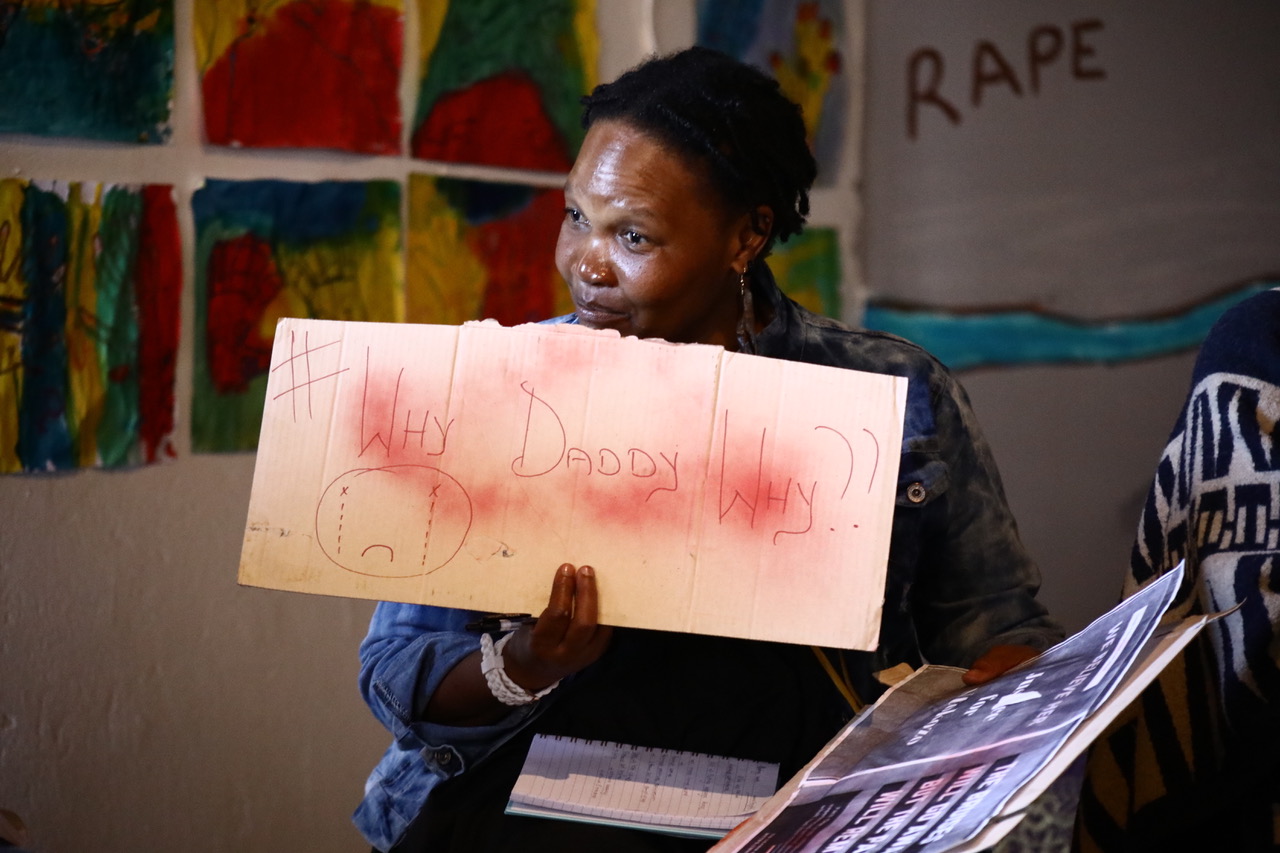
The year was 2006. HIV-activist Fezekile Ntsukela Kuzwayo, known to the public only as Khwezi, faced off against Jacob Zuma, then the deputy-president of South Africa, in court. She had accused him of rape. She stood her ground amidst death threats from Zuma’s supporters, harassment from the ANC Women’s League and widespread torment from the ruling party. She was not alone in her stand. The 1-in-9 Campaign was born during this particularly turbulent, triggering time in South Africa. Zuma, who would go on to become President of South Africa, was acquitted on the charges against him. The organisation, however, continued to support survivors of sexual violence in navigating the social landscape and the criminal justice system. According to popularly cited statistics, one in three women will experience sexual violence in her lifetime. According to the South African Medical Research Council, only one in nine rapes are reported to authorities. It was, initially, the latter group that the organisation supported.
Mpumi Mathabela is the 1-in-9 Campaign coordinator. She says despite the impact they were making through their work within the criminal justice system, there came a day when they realised that that was not enough. “Our name is a statistic from that time period – the time of Zuma and Khwezi – and it was a work that was incredibly impactful. We got to a point where when people did not see us outside court they would call and ask where we were.” More needed to be done.
“Only one in nine women report their rape to the police. So one woman reports. One woman we go to court with. One woman we push for the justice system to do its job. One woman. Just one in nine.”
Sheshakes her head. “But what about the other eight…” The question hangs in the air as the magnitude of the statement sinks in.
“What happens to the other eight? Are they silent?”
The answer, she says, is of course not. “They are simply speaking out in their own ways. We have progressed from working with that one in the criminal justice system to branching out to the other eight too. This is our shift. We are reintroducing and redefining feminist movement building, but we are not just focusing on the one woman who makes it to court anymore.”
To read the rest of this incredible profile and see how 1 in 9 is helping impact the lives of survivors, click here.
Meet our New Director of Operations: Gertrude
Meet our New Director of Operations: Gertrude
[tp lang=”en” not_in=”fr”]
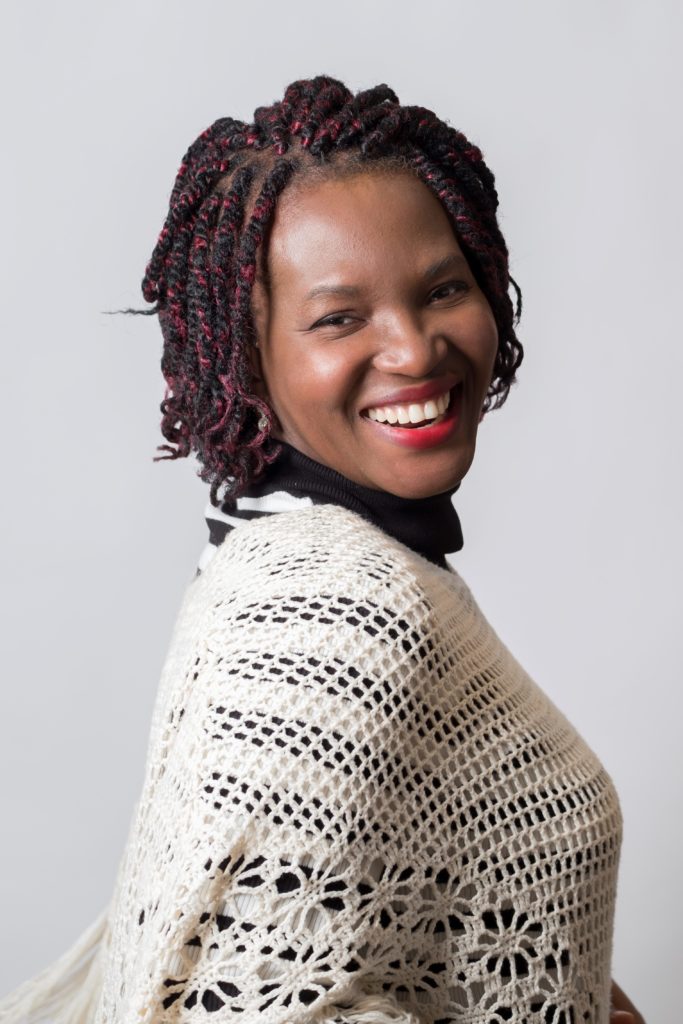
Gertrude Bibi Annoh-Quarshie, affectionately called Bibi has been appointed the Director of Operations Effective August 2019. Until this appointment, she was the Finance Manager of AWDF, overseeing the financial planning, review, monitoring, reporting and risk management functions of the organisation.
As Director of Operations, Gertrude says she is excited about the opportunity to be leading and directing the finance, human resource and administrative functions of AWDF to ensure that they are of the highest quality. She will be responsible for designing, developing and implementing short and long term strategies aimed at optimising AWDF’s general support systems and complex financial management systems.
She is a feminist, passionate about women’s rights and the pursuit of dignity, equality, respect and justice for African women and girls. Integrity and ethical leadership are at the forefront of her personal and professional values, influencing her day-to-day decision making and actions.
Bibi has over 15 years of experience in strategic finance, leadership and management. She is a Chartered Accountant and has an MBA in Finance.
[/tp]
[tp lang=”fr” not_in=”en”]
En août 2019, Gertrude Bibi Annoh-Quarshie, affectueusement appelée Bibi, a été nommée Directrice des Opérations. Avant ce poste, elle était responsable des finances de l’AWDF, supervisant les fonctions de planification financière, d’examen, de suivi, de rapport et de gestion des risques de l’organisation.
En tant que directrice des opérations, Gertrude se dit enthousiasmée par l’opportunité de superviser les activités financières, administratives et celles liées aux ressources humaines de l’AWDF afin de s’assurer qu’elles sont de la plus haute qualité. Elle sera responsable de la conception, de l’élaboration et de la mise en œuvre des stratégies à court et à long terme visant à optimiser les systèmes d’appui et les systèmes complexes de gestion financière de l’AWDF.
Elle est une féministe, passionnée par les droits des femmes et la poursuite de la dignité, de l’égalité, du respect et de la justice pour les femmes et les filles africaines. L’intégrité et le leadership éthique occupent la première place dans ses valeurs personnelles et professionnelles influençant ainsi donc ses décisions et ses actions quotidiennes.
Bibi a plus de 15 ans d’expérience en finance stratégique, leadership et gestion. Elle est comptable agréée et détient un MBA en finance.[/tp]
Evidence Based Prevention of Violence Against Women Convening Report: Building African Feminist Momentum
Evidence Based Prevention of Violence Against Women Convening Report: Building African Feminist Momentum
The rates of violence against women have reached pandemic levels across the world. It is estimated that 1 in 3 ever-partnered women above the age of 15 have, at some point in their lives, experienced some form of physical or sexual interpersonal violence. In some parts of Africa, the prevalence rate is almost double that of the global average at 65.6%¹. The far-reaching physical, emotional and economic impact of this violence on the lives of African women cannot be overstated. However now, more than ever before, bringing violence against women to an end is a tangible possibility.
At this critical moment, there has been a shift to focus on evidence-based prevention of this violence against
women with programmes producing quantifiable results that reflect the magnitude of their impact in this area.
African feminists – and the political lens with which they approach the issues – have been essential to prevention work, pioneering efforts to bring violence fuelled by gender inequality and patriarchal power to an end. With international interest in this field growing, AWDF saw the need to convene African practitioners and donors to look at ways of galvanising the efforts of African feminists operating at every level to advance the work and even more firmly establish African feminism as the centre.
To read the rest of the report click this link.
Grantee Profile: The Sunrise Campaign; How female support and empowerment let us grow
Grantee Profile: The Sunrise Campaign; How female support and empowerment let us grow
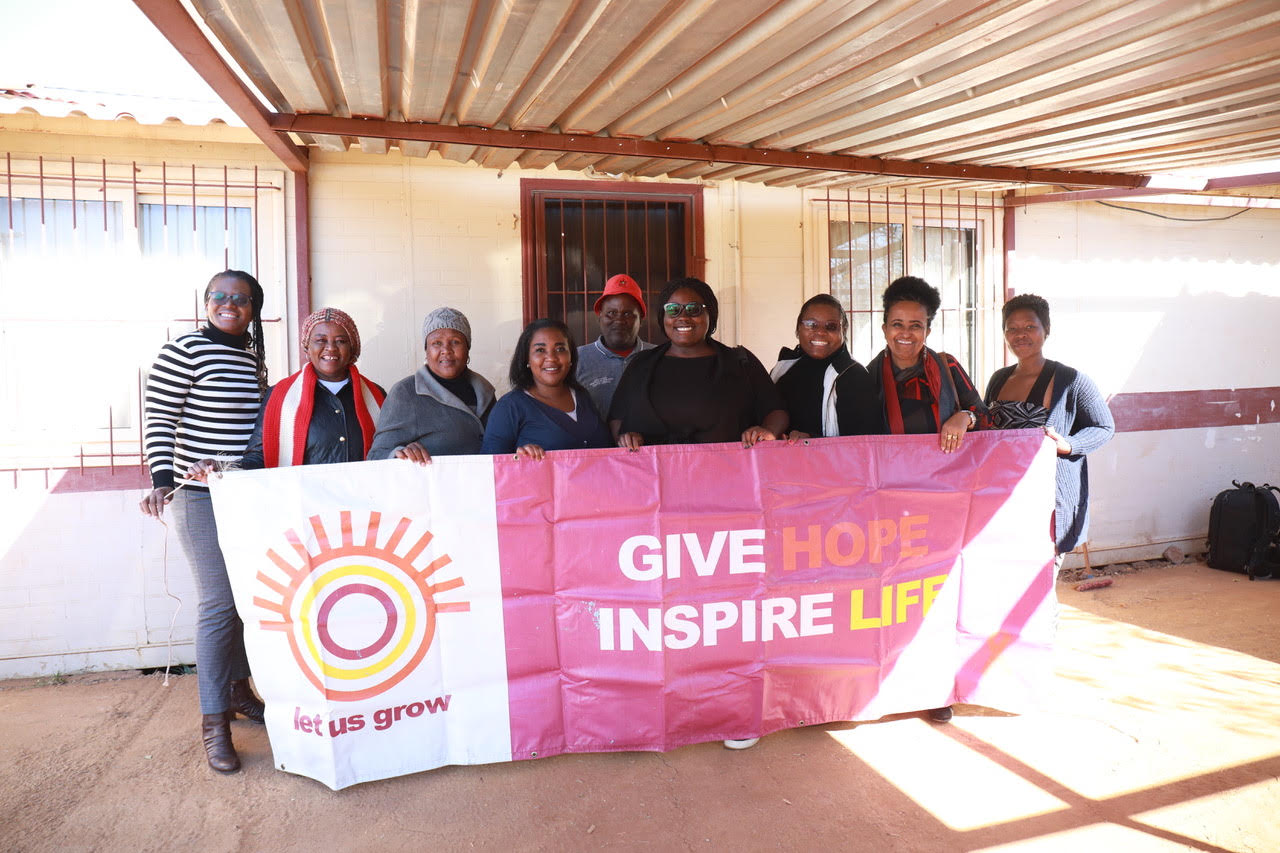
Children in well-worn school uniforms play on the dirt road that runs past the small, red-brick structure on the corner of an unnamed street in Orange Farm, about 45km south of Johannesburg in South Africa’s Gauteng province. Established in 1988, Orange Farm is one of South Africa’s youngest township, with the original inhabitants consisting predominantly of laid-off farm workers from the surrounding area. Later, as the township became more established, people migrated from Soweto to take up residence in Orange Farm. Many of the people who settled here were unemployed or marginalised in some manner.
This is the context from which Gender Links’ partner organisation Let Us Grow operates the Sunrise Campaign, a community-run empowerment programme for women in the area. Let Us Grow provides support and networking, training and activities for women who have experienced domestic abuse, sexual violence or stigma due to their status as HIV-positive. Many women have experienced all three. The organisation began as a support group for women living with HIV, but has since expanded to include a large network of female entrepreneurs, home- based care workers and survivors of violence and abuse. Each one is set on changing her world into a place of equality, safety and autonomy, free of fear, abuse and discrimination.
At the heart of Let Us Grow is 71-year-old Rose Thamae, who started the organisation in 1996 at a time when women’s issues were not on the table – services or support for people living with HIV was non-existent. The organisation has since evolved into a community of support, empowerment and hope for the women of the area.
To read the incredible story of Mam Rose and Let us Grow, please click here.
Grantee Profile: Gender Links – Don’t Get Angry, Get Smart
Grantee Profile: Gender Links – Don’t Get Angry, Get Smart
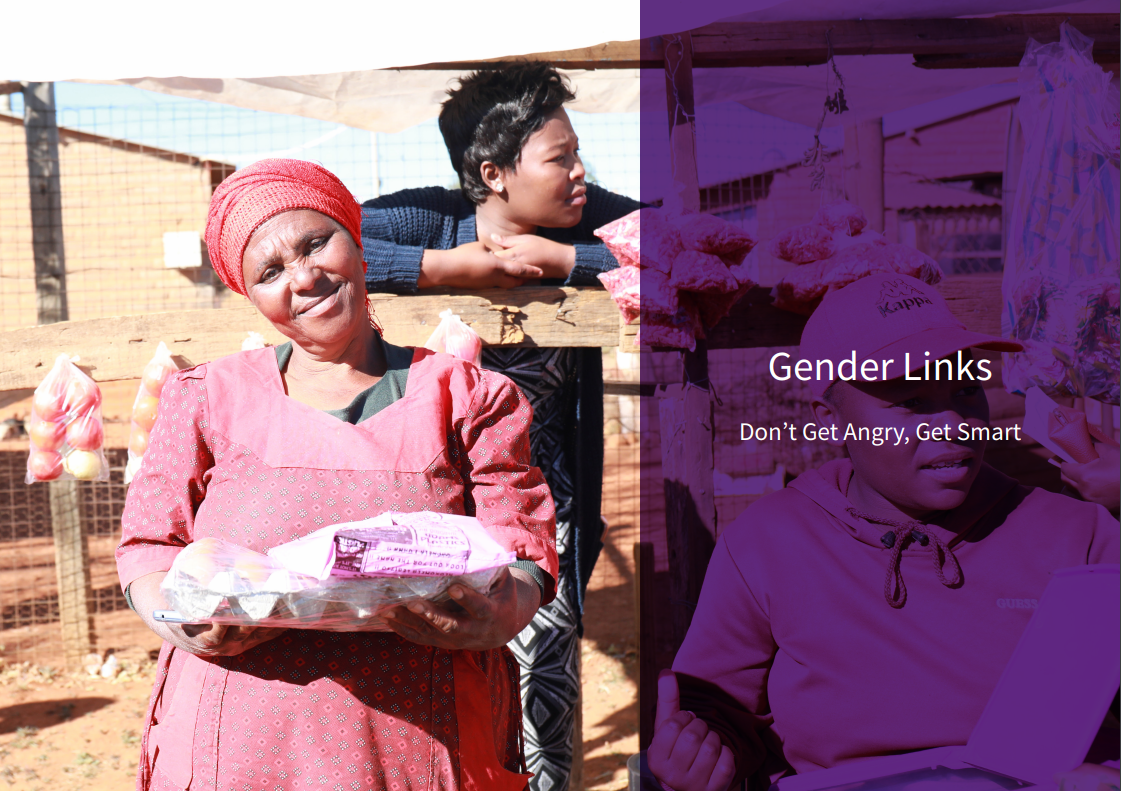
Gender Links – for equality and justice
From the outside, the unassuming red-brick house in Johannesburg’s southern suburbs does not look like much. From the street, it would be near impossible to guess that these are the offices of one of Southern Africa’s leading women’s rights organisations. Gender Links is a small organisation with a large footprint, with over 600 partners in ten countries, all working towards the promotion of women’s rights in the region. Gender Links CEO Colleen Lowe Morna is no stranger to advocacy work. She started her career as a journalist specialising in gender and development. After South Africa’s first democratic elections in 1994, she became an advisor on gender and institutional development. “We like to say we work from the grassroots all the way up to the elephant,” she laughs. This approach is necessary, says Morna. “The main challenge working in the gender space is the reality gap. There is a marked difference between constitutions, legislation, policy and the lived realities of women.”
Morna says it is widely accepted that it is difficult to see the results and impact of gender justice work on paper. Gender Links, however, might be an exception to this. From work with grassroot organisations to policy change at state level, the sheer scope and breadth that Gender Links operates on is hard to
comprehend.
“Gender Links acts as a big sister to smaller organisations, who are in turn empowered to mentor others,” she explains. “Our work is to build the capacity of our little sisters.” While the stories of individual stories of women who have benefitted through Gender Links programmes are significant, the organisation’s impact is also evident in its numbers. The Gender and Governance programme, spearheaded by Gender Links, has put gender on the local government agenda. There are now 432 councils in ten countries recognised as Centres of Excellence for Gender in Local Government. These local councils have committed to work towards 50/50 representation at local government level, while furthering gender responsive budgeting and service delivery. These councils cover a population of around 40 million people, approximately 34% of the population in the ten countries they are located in. “We can’t just start talking about representation of women in government at a national level in parliament,”
Morna explains. “But it’s also not enough to talk about representation among local government councillors. We need to look at women’s political participation as a whole. That includes the committees that deal with water and sanitation and housing and all other things.”
To read the rest of this incredible profile, please click here
Birthing Leaders: Stories of Change in African Women’s Organisations
Birthing Leaders: Stories of Change in African Women’s Organisations
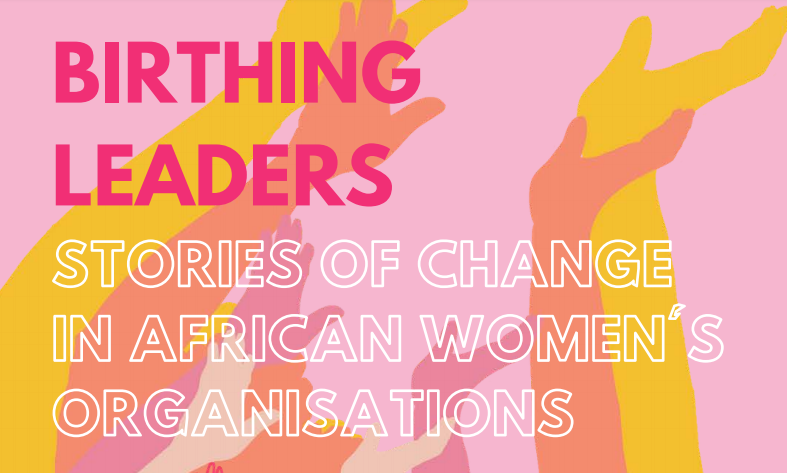
In 2015 AWDF launched its Leadership and Governance programme, a capacity building initiative that sought to nurture growth in African women’s organisations by feeding the hearts of the organisations themselves- in dedicated one-on-one and collective coaching with senior and mid-level leaders, and with governance boards. The investments were aimed at growing feminist leadership and governance, and strengthening the leadership capacities of African women already in leadership positions in organisations but also a second tier- to help strengthen the leadership pipeline. Jessica Horn, AWDF’s Director of Programmes sat down with Nancy Akanbombire, Capacity Building Specialist and Ayesha Abukari, Capacity Building Officer to discuss the publication that was developed out of this initiative.
Birthing Leaders: Stories of Change in African Women’s Organisations .
This is what they had to say…
Jessica: Most donors invest in projects- in the activities of organisations. Why do you think it is important to invest in areas like leadership and governance- in women’s organisations?
Nancy: The thing is, most donors in my opinion are often more interested in project outcomes to feedback to their stakeholders rather than in the leadership and governance or capacities of the people that implement these activities on the ground, which is fair to some extent, considering that is how donors can continue to fund. On the other hand, what does this mean to the long term goal of the organisation?
But to answer why invest in areas like leadership and governance- in women’s organisations, my answer is simple, for transformation, for sustainability and for social justice and change. When you watch the news, listen to the radio or read the newspapers, there are a lot more women’s organisations than ever before and women around the world today seems to have more decision-making power and influence, over more aspects of social, political and economic life. Yet, the voices of women are lagging behind and there is still no real authority or autonomy when it comes to women leadership.
I feel this is patriarchy reflecting itself in diverse ways and in all the structures, systems and institutions of our society. Resources for women’s organisations for example are very limited which undermines the work of women and women’s organisations. As a result, the governance systems of most women’s organisations are not very formal because women jump in to find solutions to problems first without thinking of formal structures of their organisations.
So I think for donor funds to contribute to positive changes in any form, it is important to invest in a process of organisational and personal transformation, consciousness raising and internalisation of the strengths and abilities of women and women’s organisations. It is important is invest in a process and a space that encourages and allows women and women’s organisations to celebrate their strength and to stand up to the normative values of the male world.
Jessica: Birthing Leaders has a mix of stories- some funny, some empowering, some surprising (and… it’s beautifully designed)! Tell me about your experiences of developing it and some of the common themes that emerged across the individual and organizational stories.
Ayesha: Wow!! This was a really unique experience, it felt as if I was part of the whole coaching process and I started to overcome my own fear of writing.
When we were first asked to develop this amazing piece, I was quite unsure that I could capture the experiences, emotions and changes that the women and organisations we worked with underwent all through the project lifespan. While I still feel that their stories have been fully represented, I do hope that I managed to bring to life the organisations and leaders, such that readers are able to really connect with these women and organisations in ways that their experiences as narrated become real and not just stories from another fiction novel. I also hope that what we have been able to pull together will offer the needed hope to other African women leaders who have undertaken or are undertaking similar journeys.
I think at the organisational level, the main themes emerging were issues around governance systems, practices and structures and issues relating to power or leadership transition. With the individual leaders, I would say issues around self-confidence and power.
It is also worth mentioning that, we had an amazing and talented African Feminist Illustrator and Graphic Designer, Dorcas Magbadelo who designed and illustrated the work beautifully.
Jessica: And what story in Birthing Leaders touched you the most?
Nancy: Well, I think all the stories are very transformational and inspiring but if am to choose just one story, I would say the story of Zawade. It’s incredible how she overcame stigma and is leading with such confidence, grace and strength. Just re-emphasising that, the struggle for a just world for ALL women is possible!!
In such a patriarchal world such as the one we find ourselves living in, women are already discriminated against at all levels: at home, in school, at work, at the hospitals, transports, hotels…… I mean everywhere. In the case of Zawade, not only was she born a woman, but a differently abled woman, “a woman with disability”. This in itself attracts a whole new level of discrimination, abuse, stigma…. name it!! So, for her to defy all these obstacles and stand up today to fight for the rights of other women and girls in similar plight is amazing. This is the spirit of a true feminist, her transformation from participating in the leadership and governance programme is very remarkable. I am constantly reminded by her story that, women are and have always been capable. Her story is very empowering in a beautiful way… One more reason to invest in coaching!!!!
Ayesha: I would say that of Khanyisile – Finding power beyond the surface. The thing that struck me the most with that story is how we tend to look at situations on such a surface level, especially when it comes to issues of development and creating of opportunities. The usual narrative is that of women in poor, marginalised communities. Here was a young woman who would have been passed up on many opportunities just because of her geographical location and physical space of work. It turns out that there were so many aspects of her that needed discovery. For instance, she had never been presented with the opportunity to see or interact with strong, successful women leaders who looked like her. Her ambition was stunted.
Her surprise at being in a room full of black women leaders, and some not much older than herself, was truly touching. It awakened something within her, and as a result she is aiming for the skies.
The experience of writing this has really been amazing…
Jessica: Internal growth is beautiful but it can also be painful. What are some of the common growing pains that you saw in the course of this initiative?
Ayesha: Hmmm!! I think growth in general or let me say change in any form is often hard and very uncomfortable to navigate…. So you hear people say things like, we’ve always done it this way or that way or ohhh that’s how it’s always been done. Really? The moment we stop changing, we start dying and this is true for everything, organisations and individuals alike.
But as you rightly put it, it was beautiful to see growth especially with the individual leaders. At the same time, it meant that some of them discovered that they had outgrown their organisations and therefore resigned either after the programme or midway. This was difficult to navigate because while the aim of strengthening the leadership skills of these individuals was achieve, the affected organisations ultimately lost some valuable resources.
On the organisational front, structural strengthening and the changes that came with it was not always welcome, especially where founders of the organisation were still acting as Executive Directors. There were a few organisations that experienced initial discomfort with the prospect of redistribution of power or even considered a discussion around leadership transition. There was also this intergenerational gap in some instances, where certain topics were difficult discussing.
It was beautiful in the end though.
Jessica: AWDF is one of the few funders investing in coaching as a method for strengthening women’s rights organisations. Does it work? What’s the added value of individual and organisational coaching?
Nancy: I would start by saying that AWDF is one of the few funders that recognises the pervasive nature of patriarchy and how it runs through every system and structure of our society, how that fuels injustices and constantly marginalising the voices of women. AWDF is one of the few funders that again recognises the need to create a safe space, void of the influence of patriarchy of any forms, for women to evolve and embrace their strengths and for women’s rights organisations to grow.
So if you are a funder and recognise this as a problem too, then one of the best areas I would you invest in is coaching, and I must add that it should have a feminist lens- there is a difference. Investing in feminist coaching means investing in women’s organisations to better deliver on their mission for change, it means investing in areas to unlock hidden potential of individuals and organisations to perform. It gives room for individuals and organisations to evolve and it creates this safe space especially for women that have gone through certain bad experiences such as abuse and violence, to just be themselves, own their voices and let out the pain and fear that has been hidden within for so long.
These kind of investments are very limited – or not found at all in the mainstream – but contributes to amazing results.
The Birthing Leaders stories is clear example of that. Coaching works! We see how within a short period of time, transformation at both the individual and organisational levels were achieved and I would say coaching definitely works in strengthening women’s rights organisations. It’s is such a powerful tool for transformation and should be embraced. \
Call for Consultants: Green Climate Fund (GCF) Accreditation Consultant
Call for Consultants: Green Climate Fund (GCF) Accreditation Consultant
Background
In order to grow its funding base to scale up support to women’s organisations involved in activities around climate change mitigation and adaptation, AWDF is currently aiming at gaining accreditation to the Green Climate Fund (GCF) with support from Both ENDS. The GCF is a new global fund created to support efforts made by developing countries to respond to climate change effects. Specifically, GCF provides grants to projects aimed at helping developing countries limit or reduce their greenhouse gas (GHG) emissions and adapt to climate change. It seeks to promote a paradigm shift to low-emission and climate-resilient development, taking into account the needs of nations that are particularly vulnerable to the impact of climate change.
Purpose of the consultancy
Considering the demands of the accreditation process, AWDF requires the services of a consultant, who is familiar with environmental, climate change, and gender issues and has an understanding of the funding landscape for women’s rights activities and of the workings of the GCF. The consultant’s main responsibility would be to study the requirements of the accreditation process, assess AWDF’s readiness to access the fund, advise on adequate steps, produce a concept note as well as any additional required policies.
Interested in this offer, Click here for full TOR and mode of application
It’s Not a Death Sentence: You Don’t Have to Die.
It’s Not a Death Sentence: You Don’t Have to Die.
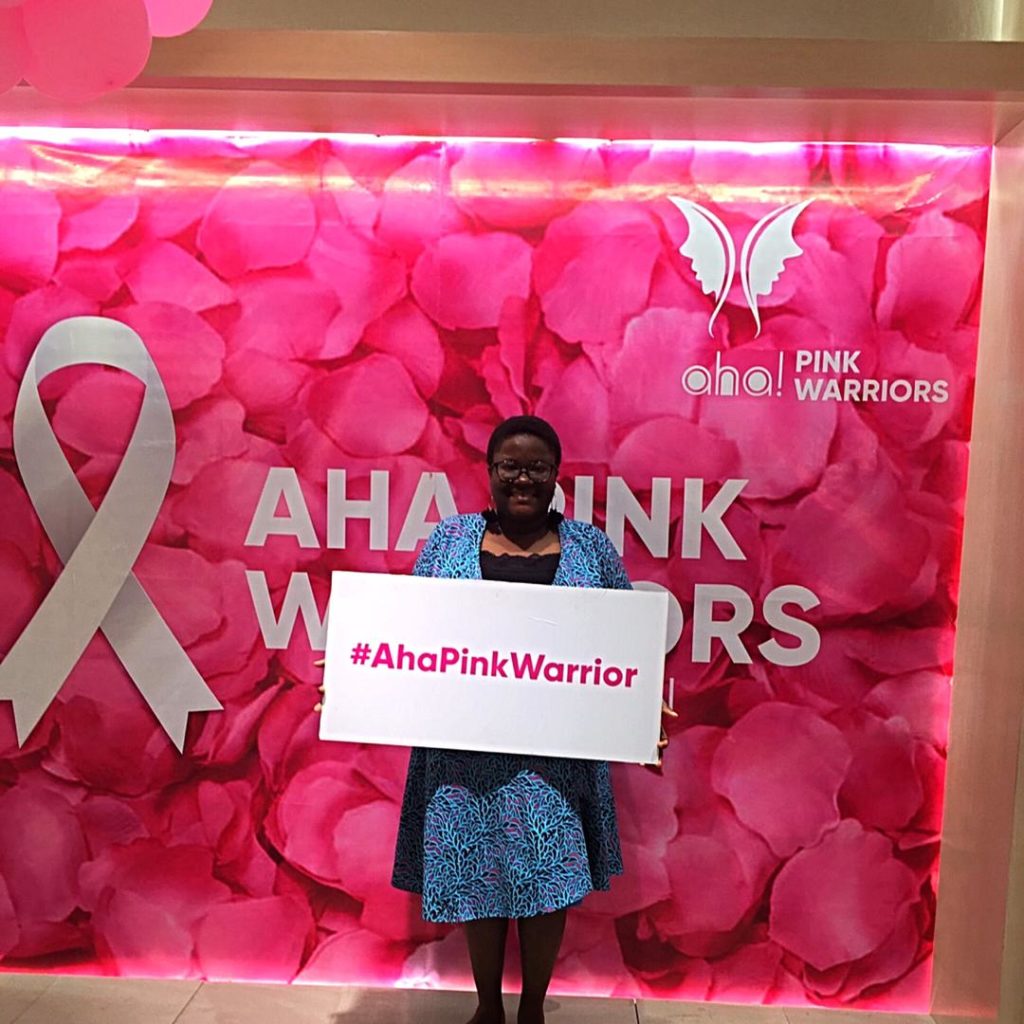
“Cancer took so much away from me but in return has given me so much. I have a better perspective on life, what matters and who counts. I live my life like its golden. I don’t take anything for granted” Twena Harvey-Ewusi
Twena is a Ghanaian fashion designer and a breast cancer survivor. She fought and survived breast cancer, the most common cancer that affects women in Ghana and the leading cause of cancer deaths among Ghanaian women.
The mention of any kind cancer sends shivers down the spine of many; for a lot of women, cervical and breast cancers are a death sentence. Does it have to be tough? Definitely not! Undeniably, breast cancer does claim lives. Such was the case of the late Mrs. Beatrice Mensah Osae, the beloved mother of AhmazingGrace Baaba Danso. “She was diagnosed in 2011 when she discovered a tumor in her left breast which grew bigger to the point it became inoperable. It burst and became an open sore on her chest and ate away at her breast even claiming her nipple. She had three chemo treatments which weakened her greatly till she switched to homeopathic treatment. This helped her regain her strength a bit but ultimately she succumbed to the disease and passed in September 2016” recalls AhmazingGrace. Madam Beatrice was one of the 1% of breast cancer patients who are likely not to survive breast cancer.
Okay! Let’s pause briefly and talk about what breast cancer really is. Dr Grace Gyimah-Boateng, a general medical practitioner at Sonotech Medical and Diagnostic Center describes breast cancer as growth of abnormal cells in the breast. Ideally, the body has a way of working to control how the cells in the body divides but cells become cancerous when they grow abnormally and at a rate that the body can no longer control.
Breast cancer comes in two main classifications: primary and secondary. Primary breast cancer cells originate or start from the breast, whereas secondary breast cancer occurs when cancerous cells in any other parts of your body spread to the breast. According to Dr Gyimah-Boateng, primary breast cancer makes up about 90% of diagnosed cancers in our part of the world. She further elaborated that the breast has 3 main parts, the lobule, duct and connective tissues. Breast cancer most commonly found is the Invasive Ductal Carcinoma (phew! this one is kind of heavy) which in simple terms means invasive cancer (abnormal growth) in the breast duct.
For Twena, finding out she had breast cancer “...was very devastating. My heart was broken, I was scared, didn’t know where to go and what to do. I was very scared because where I come from, the word cancer is a death sentence“. Was Twena’s fear unfounded? Of course not! Imagine processing a medical diagnosis as a death sentence. Nobody really wants to die. This fear of breast cancer lingers even in women who have never had a breast screening.
Karen Aziza Yassine is a Malian-Ivorian entrepreneur, a translator and a breast cancer survior. When I asked Karen what her diagnosis experience was, she said: “The day of my “official” announcement, the day I heard the doctor tell me that I had stage 3 out of 4 breast cancer, 4 meaning that you have a 99.9% of change of dying, the conversation went like this:
The doctor: I’m sorry to inform you that you have stage 3 breast cancer, and the younger you are the faster cancer spreads”
Me: ok! So what do I do now?
The doctor: (repeated) you have breast cancer ma’am!
Me: I heard you the first time around, I already cried yesterday… what do I do now?”
Karen was 27 years and had a 2 month old baby when she herself discovered a lump in her breast. Doctors told her it may just be a clogged milk duct as she was breastfeeding. It wasn’t until she went back a few months to get it checked again after having watched the cancer story of Angelina Jolie, that she was officially diagnosed. In a few months, the small lump had progressed to a stage 3 cancer. This news would scare anyone, I know I would have been scared, but her response! She had 99.9% surety that she was going to die but she said “…I already cried yesterday, what do I do now” She wanted to do something about her situation so she decided to make use of the 1% survival chance she had.
In her interview, Karen said her reaction surprised the doctor. She didn’t consider dying an option, saying: “…I was not going to waste another second being sad, I saw my grandmother dying of breast cancer and I was not going to let it win this time. I thought about my kids, my mother, my family and I knew that 70% of your recovery is in your attitude and my plan was to be as POSITIVE as possible and take the bull by the horns!” And she did take the bull by the horn. She survived it!
What caused Karen, Twena, Madam Beatrice or any other woman to develop breast cancer? Well, doctors don’t know that, yet! Scientists don’t know the exact cause of breast cancer. Dr Grace Gyimah-Boateng explained that there are risk factors; things that could make one prone to developing breast cancer. These are categorised as modifiable and non-modifiable factors. Non modifiables are factors women have no control over, they include genetic mutations, family history, radiation treatment to the chest, dense duct, prolonged exposure of endogenous estrogen (eg: early menstruation, late menopause and late age of beginning child birth) increasing age and being female, as 99% of cancer is found in women. One other minor non modifiable risk factor which Dr Grace mentioned is still being researched is height. Tall people have been found to be more susceptible to breast cancer. Modifiable risks which are factors women have control over are obesity, alcohol intake, and physical inactivity. These risk factors however do not always have a bearing on a woman’s diagnosis, as especially more now than before, women below age 45 are increasingly being diagnosed with breast cancer.
Breast cancer can be scary, we’re not here to tell you it isn’t. What it also is, besides being scary, is that it is curable. Twena did “6months of chemotherapy, surgery (lumpectomy) and 30 rounds of radiation. I was put on medication for 7yrs“. Karen on the other hand did “10 rounds of chemotherapy, and IV (Intravenous therapy)…a double mastectomy – took out both of my breasts and 3 months of radiotherapy” Not everyone diagnosed with breast cancer goes through these same treatments. Treatment is tailored to the type and level of cancer one has.
Depending on the stage and type, breast cancer treatment may include surgery to remove the cancer tissues, radiation to kill or shrink the cancer cells and medication which includes chemotherapy.
So you see, unlike dysmenorrhea- I know this a terrible comparison but I couldn’t help it, forgive me, breast cancer has a definite cure and you can get rid of it before it becomes life threatening. How do you do that? Early detection!!! My mind’s voice actually screamed that. Twena emphasised that “early detection is the reason I’m still here. Cancer if detected early can be cured. Girls/boys should be educated from the age of 12 on how to do the monthly self-exam. We should all mark it on our calendar to do it monthly” For AmazingGrace, her mum’s death has made her “hypersensitive and aware and desperate to ensure that women detect it early so they have better chances of survival…” She has since become a staunch breast cancer awareness advocate who dedicates time to encourage women to overcome their fears and get screened. This October, AmazingGrace says she’ll continue sharing her mother’s story to encourage women to get regular breast screening, although she wishes she had money to do more.
As we mark Breast Cancer Awareness Month this October, I’d like to tell you that You Don’t Have to Die. Breast cancer is curable, it’s okay to be afraid to get screened but don’t let fear cause you to lose your life. Breast cancer doesn’t have to be a death sentence. Read on breast cancer, go and get screened by a medical professional at least once a year, learn to examine your breast by yourself and do it regularly.
To examine your breasts:
- Lie on your back and put one arm behind your head. With your three middle fingers placed flat on your breast, move your hand gently in circular motions checking for lumps, knots or thickening. Do this over the entire breast area including the area from your collarbone right down to the ribs below your breast. Apply pressure moderately as your fingers move. Put the other hand behind your head and do same for the other breast.
- Stand up straight, raise your left arm and use the right hand to check your arm for lumps. Squeeze your nipple between your thumb and index fingers and look out for any fluid or discharge. Do same for the other breast.
- Stand in front of a mirror with your hands on your waist and observe your breast. Look out for any changes in size, shape, any swelling or dimpling of the skin.
These are best done within the first week after menstruating. Report any unusual observation to a medical practitioner. Remember this does not replace getting screened by a professional.
Let these words of Karen Aziza Yassine who survived a stage 3 breast cancer resound in your ears this month and every other day – “I’d like to remind people that 1 in 8 women will be diagnosed with breast cancer during their lifetime. Men can also develop it…So Inform yourself, touch your breast in the shower or when you’re putting cream on, don’t be scared, fear will not help you. No matter what happens, remember that you are stronger than you think you are, we all have it in us!”
And remember, it’s not a death sentence. Get screened.
By Sarah Benewaa Fosu, Knowledge Management Assistant, AWDF
01/10/2019
Life and Hope After Breast Cancer: African Women Providing Support
Life and Hope After Breast Cancer: African Women Providing Support
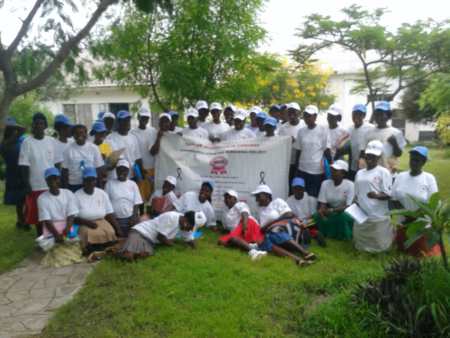 (Picture) Rural Female Volunteers in Mudzi District, Zimbabwe-Cancer Association of Zimbabwe
Breast cancer is a growing problem in low-resource settings. A report by the International Agency for Research on Cancer, GLOBACOB revealed that an estimated 94,378 new cases of breast cancer are diagnosed in sub-Saharan Africa annually, with incidence rates varying between African countries.
In a bid to empower women to take charge of their bodies and health, the African Women’s Development Fund (AWDF), provides resources to women’s organisations and groups under its ‘Body and Health Rights’ thematic area. These organisations and employ innovative strategies to help improve behaviour in symptomatic women in seeking health-care and referral. They also empower women with skills to undertake self-examination for early detection of lumps in the breast.
Since inception, AWDF has invested over $300,000 in grants and capacity support to about 10 breast cancer related organisations on the African continent. These are national and community based organisations who are well grounded in issues of breast cancer prevention and support programming. The organisations undertake activities such as breast cancer education, free breast screening campaigns in institutions and communities, education, counselling and support for women diagnosed with breast cancer as well as providing hospice services to patients with breast cancer related problems. The women’s rights organisations also empower the health sectors within the various countries by training health care workers to educate and provide gender-friendly health care services at the grassroot level. The initiatives of such women’s organisations and groups have had a great impact on health seeking behaviours of women, patients and breast cancer survivors.
“The education, interaction, free screening project and the usual hospital visitations have created an avenue for support and bonding with patients, and this has led to the reduction of anxiety and the feeling of isolation. The sharing of experiences by survivors who are volunteers helped the patients to relate to their journeys in the knowledge that there is life and hope after breast cancer”, says Mrs. Gladys Boateng, Reach for Recovery-Ghana.
“Continuous visits to survivors aside from offering peer support also helped families of patients better relate to what is happening to their loved ones and in turn served as a source of hope, comfort and relief to both the patients and their families,” Cancer Association of Zimbabwe.
The organisations also engage strategic health sector stakeholders as well as sector policies to advocate for friendly policies on diagnosis and the availability of appropriate treatment; sustainable pathological resources; palliative care for patients with late-stage breast cancer as well as reduced financial burden for average patient with breast cancer in sub-Saharan Africa. Such strategies are known to improve early diagnosis.
As we celebrate the breast cancer month, AWDF is lending its voice to the cause to reiterate the urgency of investing more in women’s body and health rights to ensure autonomy over their lives in general.
In solidarity with all women and survivors, together we can surmount!