
Author: African Women's Development Fund
Op-Ed : Ghana’s frustrated youth are vulnerable to the radical call of ISIS
Op-Ed : Ghana’s frustrated youth are vulnerable to the radical call of ISIS
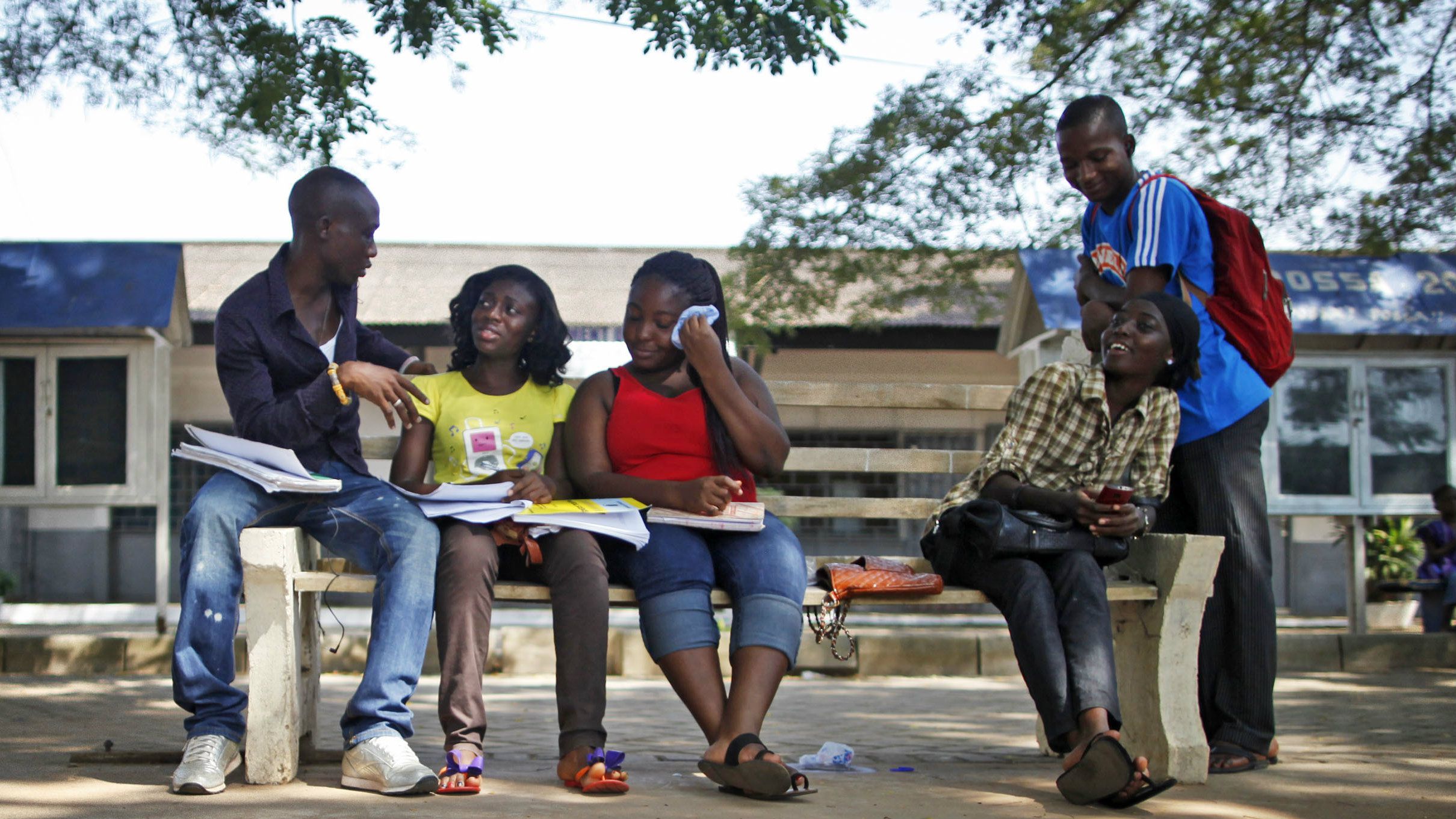
Students at University of Ghana (AP Photo/Gabriela Barnuevo)
Read published article here: on Qz.com
BY Amba Mpoke-Bigg
Over the past couple of decades Ghana has won a hardearned reputation as a stable and settled democracy.
Yet, as news broke last week that a young university graduate from Ghana had left home to join Islamic State of Iraq (ISIS), it was hard not to dread the prospect of a mass exodus, or worse, deadly jihadist violence on our shores.
Those concerns were heightened when an investigative report by popular local radio station Starr FM reported that ISIS agents in Ghana are enticing unemployed youths with promises of cash and a gateway to heaven.
“They are promised initial spending fee and luxurious life before they travel to Syria and Iraq. Again their immediate families are assured quality life after they have left, so many of the young guys are considering it, especially in the Zongos (a slang term for neighborhoods populated by majority northern Ghanaian Muslims),” it quoted an interviewee as saying.
Twenty-five year old Nazir Alema Nortey, a graduate of one of Ghana’s leading universities sent a WhatsApp message to his family telling them he left the country earlier this month to join the Islamic extremist group, leaving behind a devastated family. The University Of Science and Technology graduate, is described by his father as a gentle, well-mannered man. Nortey was an active student on campus and showed no signs of being radicalized. He had a girlfriend. He was an ordinary man. Sketchy details of a second recruit, identified only as Rafiq also emerged this week at an official media briefing but there are already unconfirmed reports of a third—a young woman whose name has been given as Shakira Mohammed.
“Anyone is a potential recruit,” National Security Co-ordinator, Mr Yaw Donkor, told reporters at the briefing.
Donkor said would-be members were being headhunted from mainly tertiary institutions in Ghana where students were drafted into WhatsApp and Facebook social media forums in which radical discourse and indoctrination took place.
Among the many questions a shocked nation is asking itself is what might happen if radicalized youth return home. A look at what’s happening across Africa and around the world shows a sharp rise in the number of youth joining ISIS.
Ghana prides itself on its stable democracy and social harmony, but it was surely only a matter of time before the specter of Islamist militancy touched our shores given how close we are to troubled regional neighbours like Nigeria to the east, Mali to the northwest and Niger and Chad to the northeast. These are all now hotspots for militant Islam and terrorist activity.
Boko Haram, which has launched massive attacks in Nigeria since 2009, is the most troubling. The group which initially had links to al-Qaeda, pledged allegiance to ISIS in March. With little in place in terms of anti-terrorism measures in Ghana, what is there to stop us following the lead of our volatile neighbours?
Back in June there were angry demonstrations in Accra when city authorities ordered security forces to raze part of one of the largest slums, largely inhabited by Muslims, leaving thousands homeless.
One placard brought home the frustration: “Before 2016 , you will see Boko Haram in Ghana,” the sign read.
While some are blaming the internet and the accessibility of radical social media sites, there is an increasing possibility Islamic disaffection with Christian fundamentalism might be on the rise.
Christians make up 70% of the population of Ghana and Muslims 18%, according to official census figures from 2000. This has been disputed by Ghanaian Muslim leaders and other official sources who set the number at between 18% to 30%. Relations between the two religions have been peaceful in Ghana. But it’s often noted development and education have spread much faster in the predominantly Christian south than in the mainly Muslim north.
Ghana’s main political parties are not organised primarily on religious or ethnic lines, as happens elsewhere on the continent, and the country has had several Muslim vice presidents. Yet in the wake of these revelations the potential for Islamophobia against its Muslim minority is real.
We need to ask ourselves what the attraction is for an ordinary, middle-class Ghanaian young man, or woman, in joining the most dangerous jihadist group in the world. Words like radicalization seem almost incongruous with moderate Muslim youth. Yet it is true that education and liberalism aren’t foolproof armour against radicalization.
Neither can the economic factor be overlooked, given that Ghana, once Africa’s star economy, has turned to the International Monetary Fund to help it resolve its financial crisis.
President John Mahama says growth needs to be at least 8% to provide jobs for its young people, but growth has shrivelled in the past two years and it is expected to stand at 3.9% in 2015—below average for subSaharan Africa.
Unemployment data in Ghana is not collected, but Desmond Biney, director of the Unemployed Graduates Association Of Ghana sets the figure for unemployed graduates over the last five years at around 287,000. Current membership of the group which was set up as an advisory and placement service has doubled in the last two years.
And in further evidence of the impact of current economic conditions, Ghanaians have joined the hundreds of thousands of migrants risking their lives on the Mediterranean to seek work in Europe.
It is important not to overstate the problem. So far this is a tiny handful of people in a nation of 26 million. But for the majority of Ghanaians their decision to join ISIS should set alarm bells ringing. The question that needs answering is: how far will they go?
Aspen New Voices Fellowship Announces Call for 2016 Nominations
Aspen New Voices Fellowship Announces Call for 2016 Nominations
Aspen New Voices Fellowship Announces Call for 2016 Nominations
The Aspen Institute seeks nominations for one-year non-resident media skills and coaching program for next generation of global development leaders from the developing world
WASHINGTON, DC September 1, 2015– The Aspen Institute’s New Voices Fellowship today announced a call for nominations for the 2016 Fellowship class. The Fellowship initiative, supported by the Bill & Melinda Gates Foundation, offers development experts from Africa and other parts of the developing world a year-long program of media support, training, research and writing under the guidance of experienced mentors and trainers.
Candidates for the 20 Fellowships awarded next year must be experts in fields relating to global development. The Fellowship welcomes specialists from all development fields, and this year is particularly interested in professionals with backgrounds in food security, polio and/or infectious diseases and development finance.
Fellows must be from a developing country, and ideally work and live in their country of origin or another developing country.
Over the course of a year, the Fellowship works to prepare and support Fellows to become recognized thought leaders, helping amplify their insights and ideas rooted in experience on the ground. They will be given training and support to speak at major events; write conversation-starting op-eds and think pieces for major outlets; and build their social media platforms. The Fellowship is non-resident, but includes travel to training workshops as well as opportunities for travel to select international conferences.
Current Fellows have had their work featured in media sites ranging from the New York Times, Washington Post, CNN and Al Jazeera to the Huffington Post, Africa Report, and AllAfrica.com. Fellows have been interviewed by news organizations including the BBC, CNBC, and National Public Radio (NPR) and been invited to speak at events including TED and the Aspen Ideas Festival
Application to the Fellowship is by nomination only through the program website at http://www.aspennewvoices.org/Nominations. The nomination period will close on November 1, 2015 and the incoming class will be announced in January 2016.
The New Voices Fellowship
The New Voices Fellowship at the Aspen Institute is a groundbreaking initiative designed to bring more expert voices from the developing world into the global development discussion. Launched in 2013 with support from the Bill & Melinda Gates Foundation, the New Voices Fellowship is part of Aspen Global Health and Development. For more information, visit www.aspennewvoices.org.
The Aspen Institute
The Aspen Institute is an educational and policy studies organization based in Washington, DC. Its mission is to foster leadership based on enduring values and to provide a nonpartisan venue for dealing with critical issues. The Institute is based in Washington, DC; Aspen, CO; and on the Wye River on Maryland’s Eastern Shore. It also has offices in New York City and an international network of partners. For more information, visit www.aspeninstitute.org.
Contact: Andrew Quinn
Director, New Voices Fellowship
The Aspen Institute
202-736-2291
Andrew.Quinn@aspeninstitute.org
Disability Rights Scholarship Program
Disability Rights Scholarship Program
The Disability Rights Scholarship Program provides awards for master’s degree study to disability rights advocates, lawyers, and educators to develop new legislation, jurisprudence, policy, research, and scholarship to harness the innovations and opportunities offered by the United Nations Convention on the Rights of Persons with Disabilities (CRPD).
With the knowledge and networks gained through the program, we expect that fellows will deepen their understanding of international law and education, with a focus on disability rights, and gain the tools necessary to engage in a range of CRPD implementation strategies, such as: challenging rights violations in their home countries by drafting enforceable legislation consistent with the CRPD; utilizing enforcement mechanisms set forth in the convention; taking forward disability rights litigation requesting CRPD-compliant remedies; engaging in disability rights advocacy; and developing law, education, or other academic curricula informed by the CRPD.
Inclusive Education Scholarships
For 2016–2017, in addition to awards in law, we will offer two awards for master’s degrees in education, focusing on inclusive education. Participants will build a foundation in the principles, values, and practices of inclusive education, and upon completion of the program will be equipped to lead reform of education policy and practice in their home countries. We welcome applicants from various professional backgrounds.
The competition is merit-based and open to those meeting the following criteria:
- be a citizen and legal resident of Argentina, China, Colombia, Malawi, Mexico, Mozambique, Peru, Sudan, South Sudan, Tanzania, Tunisia, or Zambia at the time of application
- have work experience in the legal profession or advocacy focusing on human/disability rights and/or work in education with a demonstrated interest in advancing inclusive education
- have an excellent academic record with a bachelor of laws (LLB; in exceptional circumstances, those without a LLB but with substantial relevant experience may be considered); for inclusive education, a degree in teaching, public administration/policy, anthropology, social work, psychology, or related field
- have demonstrated leadership in the field of disability rights or education
- be proficient in spoken and written English or French and able to meet university-designated minimum scores on standardized language tests
- be able to participate in an intensive academic writing program in summer 2016
- be able to begin the graduate program in August or September 2016
- be able to receive and maintain visa or study permit required by host country
- demonstate a clear commitment to return to home country to advance the inclusion and full participation of persons with disabilities in their communities, or to aid ongoing disability rights work
The program does not discriminate on the basis of age, race, color, sex, religion, sexual orientation, or disability. Candidates with disabilities are particularly encouraged to apply.
Employees of the Open Society Foundations and employees of local administering organizations (and their immediate family members) who are directly involved in the administration of scholarships are not eligible, nor are individuals receiving other Open Society Foundations–funded support during the fellowship period.
For further details, please see the detailed guidelines available in the Download Files section of this page or contact the appropriate regional coordinator. For those needing materials in a different format, please contact the regional coordinator:
Residents of Malawi, Mozambique, Sudan, South Sudan, Tanzania, Tunisia, or Zambia
Centre for Human Rights
(c/o Mr. Jehoshaphat Njau)
Faculty of Law, University of Pretoria
Pretoria, 002, SOUTH AFRICA
Tel: +27 (0) 12 420 3587
Email: jehoshaphat.njau@up.ac.za
Residents of Argentina, Colombia, Mexico, or Peru
Prof. Francisco Bariffi
Centro de Investigación y Docencia en Derechos Humanos
Universidad Nacional de Mar del Plata
Calle 25 de Mayo 2855. 8º piso
Mar del Plata, CP 7600, ARGENTINA
Tel-Fax: +54-223-491-1376
Email: redcdpd@gmail.com
Website: redcdpd.net
Residents of China
Wing Mai Sang
Open Society Foundations
Scholarship Programs
224 W. 57th St.
New York, NY 10019 USA
Tel: +1-212-548-0379
Email: wingmai.sang@opensocietyfoundations.org
AWDF/ FEMRITE July 2015 Public Dialogue on African Women and Public Policy
AWDF/ FEMRITE July 2015 Public Dialogue on African Women and Public Policy
As part of the 2015 African Women Writers Workshop, The African Women’s Development Fund (AWDF) and Uganda Women Writers Association- FEMRITE- held a Public Dialogue on Friday July 31st in downtown Kampala, Uganda. That evening, the workshop participants, 22 African women writers, joined members of Uganda’s literary, art and activist community for a discussion on the status of African women in decision making spaces. The overall theme of the event was ‘African Women & Public Policy: Are We Getting It Right?’
The dialogue was led by a panel of noted African women thinkers including AWDF’s CEO Theo Sowa, Dr Tabitha Mulyampiti, a senior lecturer in the department of women and gender studies at Uganda’s Makerere University, writer and lead workshop facilitator Yewande Omotoso and the workshop participants.
It was a lively debate, which was well attended. Following the event AWDF CEO Theo Sowa gave an interview to the Ugandan radio station Power FM. You can listen to the interview and report on the event below:
Audited Financial Statements
Audited Financial Statements
- 2014 Audited Financial Statements
- 2015 Audited Financial Statements
- 2016 Audited Financial Statements
- 2017 Audited Financial Statements
- 2018 Audited Financial statements
- 2019 Audited Financial Statements
- 2020 Audited Financial Statements
- 2021 Audited Financial Statements
- 2022 Audited Financial Statements
- 2023 Audited Financial Statements
- 2024 Audited Financial Statements
AWDF APPOINTS JESSICA HORN AS NEW DIRECTOR OF PROGRAMMES
AWDF APPOINTS JESSICA HORN AS NEW DIRECTOR OF PROGRAMMES
[tp lang=”en” not_in=”fr”] AWD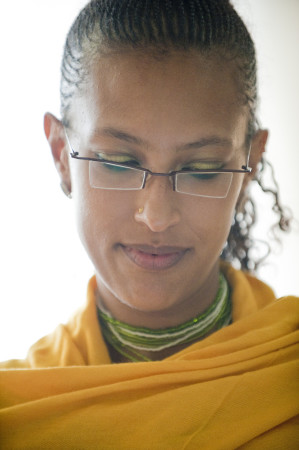 F is Delighted to announce the appointment of Jessica Horn as icts new Director of Programs Beginning October 1, 2015. Ms Horn’s ground breaking work, commitment to feminist philanthropy, and vividly innovative communications strategies-have-been integral to social change and social justice leadership on the African continent.
Jessica is a founding member of the African Feminist Forum Working Group, a board member of Urgent Action Fund-Africa, and sits on the International Grants Committee of Comic Relief. In 2012 She Was named an African woman changemaker by ARISE Magazine and as one of Applause Africa’s 40 Africans Changemakers under 40. Her research and analysis has-been published in professional journals The Lancet and Feminist Africa, and media platforms Al Jazeera, openDemocracy and The Feminist Wire.
“AWDF is Delighted That She Will Be joining our team and look forward to her leadership AWDF Taking forward into yet Reviews another phase of our journey Promoting and Achieving African women’s rights and global social justice” AWDF’s CEO Theo Sowa said.
Jessica’s work under her consultancy, Akiiki Consulting, HAS led to ground-breaking initiatives, Including in social justice philanthropy, with the establishment of UHAI -EASHRI- the first African-led fund Supporting the rights of sexual minorities. She Was a leader in early thinking around funding models for FRIDA – The Young Feminist Fund and aussi managed funding for Women’s Rights and Minority Rights at the Sigrid Rausing Trust, one of the Largest private human rights funders in Europe, overseeing substantial businesses growth in Both funding portfolios.
“Jessica Horn HAS Worked for over 15 years Supporting activist organizations, funders and the UN, to Deepen analysis, shape policy and funding, and refine interventions to defend women’s rights to health, bodily autonomy and freedom from violence. This includes 10 years in women’s rights and social change philanthropy as a donor Grantmaker and in advisory and governance roles. “
Ms Horn join AWDF from the Stephen Lewis Foundation Where She Has served as Senior Advisor to AIR (The African Institute for Integrated Responses to Violence Against Women & Girls and HIV / AIDS). Ms Horn replaces Sarah Mukasa, Who served in the position for nine years. [/tp]
[tp lang=”fr” not_in=”en”] AWDF is pleased to announce the appointment of Jessica Horn its new Director of Programmes at 1 October 2015. The innovative work of Ms. Horn in engaging in feminist philanthropy communication strategies were an integral part of social change and leadership for social justice in Africa.
Jessica is a founding member of the African Working Group of Feminist Forum, a member of the Board of Urgent Action Fund-Africa, and serves on the International Comic Relief Grants Committee. In 2012 she was named African woman ‘changemaker’ by ARISE Magazine and as one of the 40 Africans among 40 Changemakers by Applause Africa’s. Its research and analysis was published in professional journals The Lancet and Feminist Africa, the Al Jazeera media platforms, and openDemocracy The Feminist Wire.
“AWDF is thrilled that she is joining our team and we are delighted that its leadership leads AWDF forward into a new phase of our journey to the promotion and realization of the rights of African women and global social justice,” said the Theo Sowa CEO of AWDF.
The work of Jessica as his counsel Akiiki Consulting, has led to pioneering initiatives, including philanthropy for social justice, with the creation of UHAI -EASHRI- the first African funds directed to support the rights of sexual minorities. She was a leader in the early days of reflection on the funding models for FRIDA – The Fund young feminists and also managed funding for women’s rights and minority rights in the Sigrid Rausing Trust, one of the largest private funders of human rights in Europe, overseeing substantial growth in two portfolio funds.
“Jessica Horn worked for over 15 years in supporting militant organizations, donors and the UN in order to deepen the analysis, shape policy and funding, and refine interventions to defend the rights of women to health, bodily autonomy and freedom from violence. This includes 10 years on the rights of women and the change of social philanthropy as a funder and governance donor and advisory roles. “
Ms. Horn joined AWDF after the Stephen Lewis Foundation, where she served as Senior Advisor AIR (The African Institute for integrated responses to violence against women and girls and HIV / AIDS). Ms. Horn replaces Sarah Mukasa, who operated at this position for nine years. [/tp]
Gender & Rhodes Must Fall Debate by Simamkele Dlakavu
Gender & Rhodes Must Fall Debate by Simamkele Dlakavu
[tp lang=”en” not_in=”fr”]This article was originally posted on The Journalist.
South Africa has been forced to look at ways to ‘decolonialise’ and transform its white dominated academic spaces and curricula. Nationwide student activism that was led by the #RhodesMustFall movement, reverberated around the world. The importance of feminism and intersectionality have been emphasised by all these student movements. But we have not had sufficient vigour and spirit in trying to create an academic space where gender is mainstreamed. We cannot continue reproducing systems and students who are not gender conscious and who think the issue of gender is only an issue for the “gender studies department”.
Academia has been criticised for the ways in which it has ignored, “pseudo included or alienated” issues of gender in its curriculum. This has been evident in my experiences and interactions as a student and young professional. My personal experience has made me even more aware of the importance of having a gender conscious curriculum at university.
There are three events that stand out.
Firstly, I attended the budget speech for the Department of Women in the Presidency in parliament last year. In the discussion after the presentation, one of the department representatives mentioned how parliament was not built with women in mind. It was built for men by men. She mentioned how the space, and the architecture was not gender sensitive. One of the examples that she highlighted was how slippery the floors were. They are made out of marble and that it’s difficult for women who wear heels to walk with ease.
Obviously, while walking in parliament, I too was conscious of my steps because indeed the floors were slippery. Before this I had not paid much attention to the notion of space and gender. I had thought about spaces being disability friendly, the need for it to have ramps, but I had never thought about spaces and architecture being female friendly. I wondered if architecture students and those studying the built environment were taught the notion of space in relation to gender.
The second moment that stands out… I was recently told a story of a female academic in the United States of America, who only referenced female thinkers in her classes and course packs. After some time, the students complained. They felt that they were learning only a “feminist perspective”. She laughed in amazement and said that last semester, she taught only male thinkers and no one even noticed or complained. This story speaks to the way in which we have universalised and normalised male thinkers/academics as the authority of thought.
Feminist Economics
Lastly, in my undergraduate years I remember my first encounter with the woman who had mesmerised me with her fierceness and political analysis on television while growing up. During her talk, she introduced herself as a Feminist Economist. Feminist Economics is a field that challenges that male and patriarchal gaze of how economics is studied and applied. It seeks to make women visible in studies where gender and race have been excluded in analyses. I realised that some of the issues that Feminists were centering were different to what students were learning at Wits economics (I had a brief stint there). It also differed from the economics I was learning in my Development Studies and International Political Economy classes. Gender issues would be mentioned, but as it is in our patriarchal society, it was always optional, additional and “a side issue”.
Much research has been conducted to try and remove the gender bias in our university curriculums. UNESCO commissioned a paper called: “From Gender Studies to Gender IN Studies: Case Studies on Gender-Inclusive Curriculum in Higher Education”. In this study they argue that we have moved past the question of the importance of a gender conscious curriculum, its importance shouldn’t even be up for question, it is evident. They present successful case studies of universities where gender has been mainstreamed like the Central European University (CEU) in Budapest, Hungary.
In their paper, they argue… “What does a ‘gender-inclusive curriculum’ openly mean? Do students in History also learn about ‘her story’? Do students in Sociology learn about ‘the gender dimension’ of the social life? Is gender part of the Engineering curricula?”
Some critics would argue that we need to be cautious of our endeavour to en-gender the curriculum. We could fall into the trap of being oversensitive. This criticism sounds so familiar. It is the same argument that has been highlighted when we point to the need to decolonialise and Africanise our academy. This criticism seeks to silence us and continue with the status quo. The male view of our society continues to be at the centre in our politics, in our media — with all male panelists in television talk shows like Judge for Yourself. A pattern that I have noticed. Recently they had an all male panel once more. In the show they “discussed and debated whether the church should be left to its own devices in deciding matters like whether a gay person or a married lesbian woman can be a pastor or bishop or occupy some other leadership position….” When I highlighted the matter, it was ignored. This pattern in all aspects of our society cannot be accepted.
The popular media influences thinking and attitudes and should honour its responsibility to all sectors of the audience.
Tertiary institutions are the spaces that direct our debates and inform new ways of thinking. A gender sensitive curriculum should be mainstreamed and compulsory. We need to challenge and train our academics who are still mostly white males in South Africa. Feminists fought for decades to make gender studies an academic discipline in our institutions of higher learning. I hope that in South Africa, it won’t take that long for gender to be mainstreamed in our academic institutions, the gender bias chains must be broken!
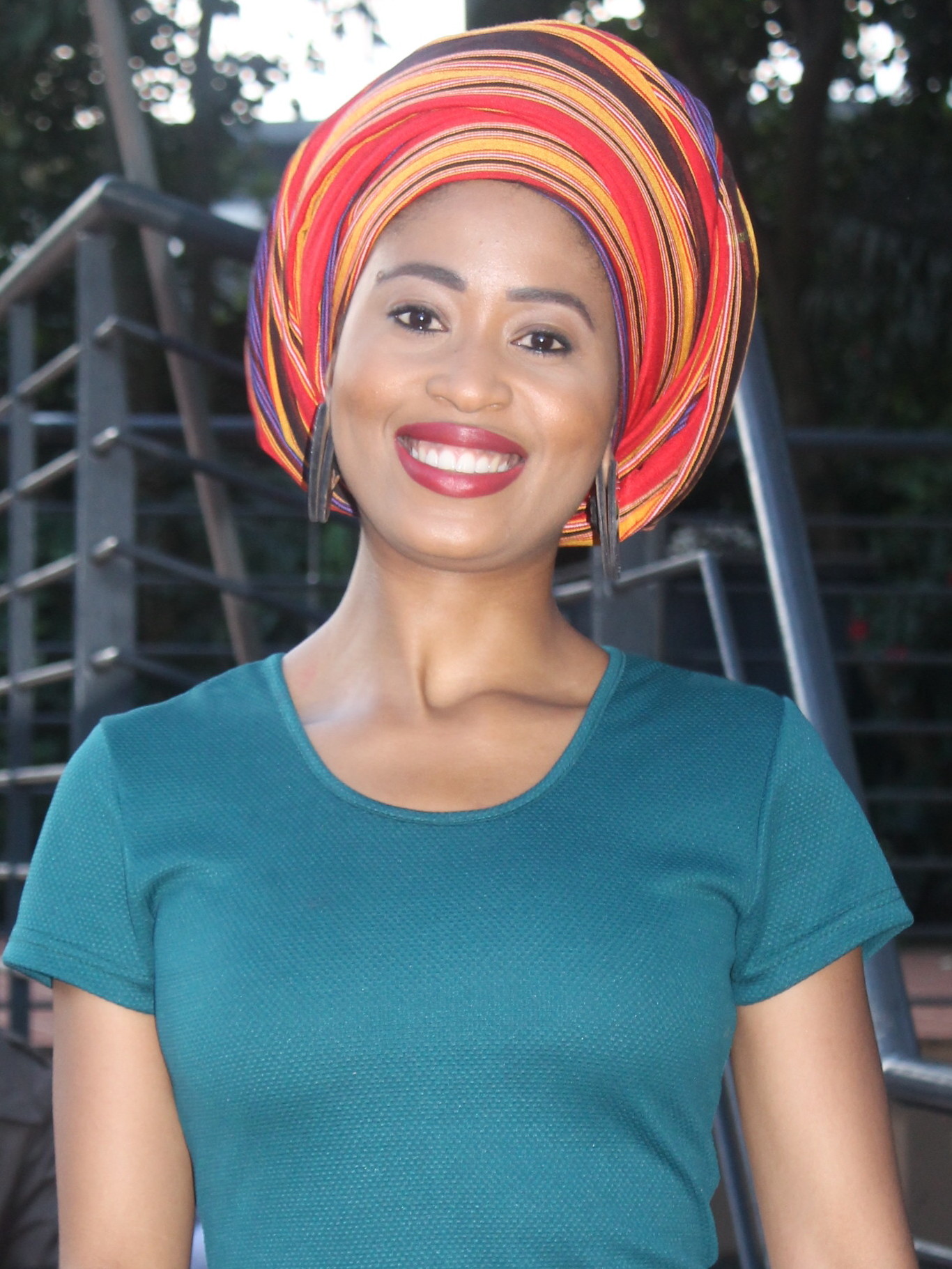 Simamkele Dlakavu is a story-teller and social activist who works as a human rights television producer on one of South Africa’s most popular current affairs shows, The Big Debate, and for international broadcasters like the BBC. Simamkele has been a youth activist since the age of 15 and recently co-founded a social enterprise called Sakha Ingomso Lethu, which means “we are building our tomorrow”. Through her work, Simamkele has represented young people in various youth summits around the African continent and the world. In 2013, she was recognized by the Moremi Initiative as one of 28 of “Africa’s Most Outstanding Emerging Women Leaders.” Simamkele was a participant in AWDF’s 2015 Writing for Social Change Workshop in Kampala, Uganda.[/tp]
Tout d’abord, j’ai assisté au discours sur le budget du ministère de la femme à la présidence au Parlement l’année dernière. Dans la discussion après la présentation, l’une des représentantes du service a mentionné comment le Parlement n’a pas été conçu pour des femmes d’esprit. Il a été construit pour les hommes par des hommes. Elle a mentionné la façon dont l’espace et l’architecture n’étaient pas sensibles au genre. Un des exemples qu’elle a mis en lumière était la façon dont les étages étaient glissants. Ils sont fabriqués en marbre et il est difficile pour les femmes qui portent des talons d’y marcher avec facilité.
Évidemment, en marchant au parlement, moi aussi je faisais attention car en effet les étages étaient glissants. Avant cela, je n’avais pas prêté beaucoup d’attention à la notion de l’espace et du sexe. J’avais pensé aux espaces étant respectueux des handicapés, la nécessité pour eux d’avoir des rampes, mais je n’avais jamais pensé à des espaces et une architecture étant adaptés aux femmes. Je me demandais si les étudiants en architecture et ceux qui étudient l’environnement bâti ont appris la notion d’espace par rapport au sexe.
Le deuxième moment qui se démarque … On m’a récemment raconté l’histoire d’une universitaire américaine, qui ne faisait référence qu’aux penseurs femminins dans ses classes et notes de cours. Après un certain temps, les étudiants se sont plaints. Ils ont estimé qu’ils apprenaient seulement une “perspective féministe”. Elle rit à la stupéfaction générale et a dit que le dernier semestre, elle a enseigné seulement à travers les penseurs masculins et personne ne le remarqua ou s’en est plaint. Cette histoire parle de la façon dont nous avons universalisé et normalisé les penseurs / universitaires masculins comme autorité de la pensée.
Economie féministe
Enfin, dans mes années de premier cycle, tout en grandissant, je me souviens de ma première rencontre avec une femme qui m’a fasciné par sa férocité et son analyse politique à la télévision. Au cours de son discours, elle se présente comme une économiste féministe. ‘Feminist Economics’ est un domaine qui défie ce regard masculin et patriarcal, de la façon dont l’économie est étudiée et appliquée. Il vise à rendre les femmes visibles dans les études où le sexe et la race ont été exclus des analyses. Je me rendis compte que certaines des questions qui ont été centrales pour les féministes étaient différentes de ce que les élèves apprennent en économie à la Wits (j’ai fait un bref passage là-bas). Il diffère aussi de l’économie, je suis des cours pour mes études sur le développement et l’économie politique internationale. Les questions de genre seraient mentionnées, mais comme toujours dans notre société patriarcale, c’était toujours en option, complémentaire et «un problème de côté”.
Beaucoup de recherches ont été menées pour tenter de supprimer le sexisme dans nos programmes d’études universitaires. L’UNESCO a commandé un document intitulé: “Des Gender Studies au genre dans les études: Etudes de cas sur les curriculums sexistes dans l’enseignement supérieur”. Dans cette étude, ils soutiennent que nous avons dépassé la question de l’importance d’un programme conscient du genre, son importance ne devrait même pas être une question, mais évident. Ils présentent des études de cas d’universités où le genre a été intégré comme la Central European University (CEU) de Budapest, en Hongrie.
Dans leur document, ils affirment … “Qu’est-ce qu’un« programme non sexiste »signifie ouvertement? Les élèves en histoire apprennent également «son histoire»? Les élèves en sociologie informez-vous sur «la dimension de genre» de la vie sociale? Le genre est partie intégrante des programmes d’ingénierie? ”
Certains critiques diront que nous devons être prudents avec nos efforts pour l’égalité des genres dans les programmes. Nous pourrions tomber dans le piège d’être hypersensible. Cette critique semble si familière. C’est le même argument qui a été mis en évidence lorsque nous soulignions la nécessité de décolonialiser et africaniser notre académie. Cette critique cherche à nous faire taire et continuer avec le statu quo. La vision masculine de notre société continue à être au centre de nos politiques, dans nos médias – avec tous les panélistes de sexe masculin à la télévision, dans les talk-shows comme un juge pour vous-même. Une chose que j’ai remarqué. Récemment, ils ont eu un panel exclusivement masculin une fois de plus. Dans le spectacle, ils “ont discuté et débattu pour savoir si l’église devrait être laissée autonome pour trancher sur des questions comme savoir si une personne gay ou lesbienne mariée peut être pasteur ou évêque ou occuper un autre poste de direction ….« Quand j’ai souligné la question, elle a été ignorée. Cette tendance dans tous les aspects de notre société ne peut pas être acceptée.
Simamkele DlakavuSimamkele Dlakavu est une conteuse et activiste sociale qui travaille comme productrice de télévision pour les droits de l’homme de l’une des plus populaires émissions d’actualité d’Afrique du Sud, The Big Debate, et pour les radiodiffuseurs internationaux comme la BBC. Simamkele a été une militante pour la jeunesse dès l’âge de 15 ans et a récemment co-fondé une entreprise sociale appelé Sakha Ingomso Lethu, qui signifie “nous bâtissons notre avenir”. Grâce à son travail, Simamkele a représenté les jeunes dans divers sommets de la jeunesse à travers le continent africain et dans le monde. En 2013, elle a été reconnue par le Moremi Initiative comme l’une des 28 «plus exceptionnelles femmes dirigeantes africaines émergentes.” Simamkele était une participante de l”atelier d’écriture d’AWDF pour le changement social, 2015 Writing for Social Change Workshop , à Kampala, en Ouganda.[/tp]
The Original Sin: A Letter from a Young Kenyan Girl to Herself by Aisha Ali Haji
The Original Sin: A Letter from a Young Kenyan Girl to Herself by Aisha Ali Haji
[tp lang=”en” not_in=”fr”]This article was originally posted on The Journalist.
Sometimes I wonder if the woman I am named after, the Prophet’s wife, would be ashamed that I carry her name. These thoughts mostly happen in the dead of night. That time of the night when you unfold after a long day of navigating the world, while holding yourself tight lest anything spills out. That time of the night when the darkness is more illuminating than the day’s sun. When the darkness reveals all that was hidden during the day. I wonder if she knew that there would be women, long after she was gone who would be given her name and who would be so unworthy.
I was an early bloomer and my breasts started growing when I was 10, way ahead of my age group. I worked hard to disguise them by wearing an extra petticoat in the hope that it would flatten them. I never removed my sweater in primary school, after someone made a comment of how they looked beneath my school uniform. I started wearing big t-shirts and avoiding games. It wasn’t until high school that I became a little bit comfortable. But by then I was fat so I was fighting another battle.
I don’t remember when I realised that my body was the measure of my worth.
One day I was playing house with my cousin’s friend. At some point he told me to remove my clothes so that we could do what parents do. He then told me to lie on top of him and we stayed like that for a few minutes. Then he said we were done and I got off. He then told me how cheap I was, for allowing him to do that with me. Have sex with him, that is. If it had been Munira from across the street she would not have accepted to do that. Munira was a pure girl. After that he told all the other boys that if they wanted to have “sex” they should try me. I was easy. We were 9, I think.
Sex Was A Surprise
Our watchman liked to touch my breasts. I was 11 and he would touch me every chance he got. He would then smile and tell me how beautiful I was and how pretty my breasts were. He didn’t call me cheap or easy.
The first time I had sex, for real, it was a surprise. I never intended to do it because I wasn’t supposed to. I was 23 and I’m not really sure if I loved him but it was important that I believed so. I was less easy, less cheap if I loved him. I had convinced myself that nothing would happen. We would stop. When he started touching me, I kept reminding myself to tell him to stop. But I didn’t. My body was a willing participant. I guess I shouldn’t have been surprised. After all, I was easy.
You can only lose your virginity once. It is the ultimate mark of your worth and so it was arranged that you would lose it to your husband… the prize you offer the man who would validate you for the rest of your life. It is highly coveted and guarded zealously. Your value decreases if it is given to anyone other than your husband.
I almost lost my virginity to my cousin’s husband. They lived with us because he had lost his job and my mum took care of everyone. Every time I was alone with him he would touch me. He touched my breasts but he liked to touch me between my legs more. He told me I was a good girl and that I was making him happy. There was this one time he was in the toilet and he heard me waiting on the other side to go in. He came out with his kikoy lifted up and his penis, fully erect in display.
I will never forget the leer on his face.
That was the first penis I saw. I was 9, I think.
Drunken Incest
The night he decided to take my virginity, he came home late and drunk and my cousin told him to sleep on my bed. I woke up feeling his hands touching me as he removed my panties. I started crying silently, trying to push him away from me. He grabbed me and pushed me against his chest, using one hand to restrain me. With the other hand, he spread my legs, and started to insert his penis into me. I was shocked. I cried out loudly. My cousin, his wife, heard me and came into the room.
He quickly pushed me away before she switched on the light. She asked me what was wrong. I told her that he was trying to put his thing in me. Her husband told her that he had not done anything. He said it was only that I was sleeping in an awkward position. He had been pushing me away from him. She angrily told him to get off the bed and go sleep in the sitting room. She then told me that I shouldn’t tell my mum. That he was drunk and didn’t know what he was doing. And that it will cause problems if I told her. She cried.
He never tried again after that but he never stopped watching me.
A few months later they moved away.
I never told my mother.
I was the last one of my friends to get a boyfriend. We were around 15 and my friends were talking about the boys they met. They were giggling about holding hands and stolen kisses. I wanted to ask them if it hurt them when they were touched. If they felt dirty afterwards.
The first time a boy kissed me at 17, I cried.
Before & After
I started viewing my life as Before and After. Everything that happened to me After, I found a way to connect it to losing my virginity. Everything that went wrong was a consequence that I accepted. I had committed the original sin and I was not worthy anymore. I lived the life of the condemned with nothing else left to lose. So when I got pregnant I accepted my punishment. And when I lost the baby, it was also a punishment because I had dared to want the baby. You are not supposed to enjoy the punishment. You bear it, but you don’t enjoy it.
The first time I looked at myself in the mirror and I didn’t hate my body I wept.
For a long time I viewed my body through layers of complicated misconceptions that the world told me and which in turn I told myself repeatedly until it became my truth. I was worthless because my body was worthless. I was nothing because my body was nothing.
Invisible scars criss cross my body. Many self inflicted. To this day standing in front of a mirror requires courage. It took a long time for me to unpack all this and it is still an ongoing process. And there are days when I still look at my body and wonder which part carries the most value.
Lupita Nyong’o said:
“What is fundamentally beautiful is compassion for yourself and for those around you. That kind of beauty enflames the heart and enchants the soul…”
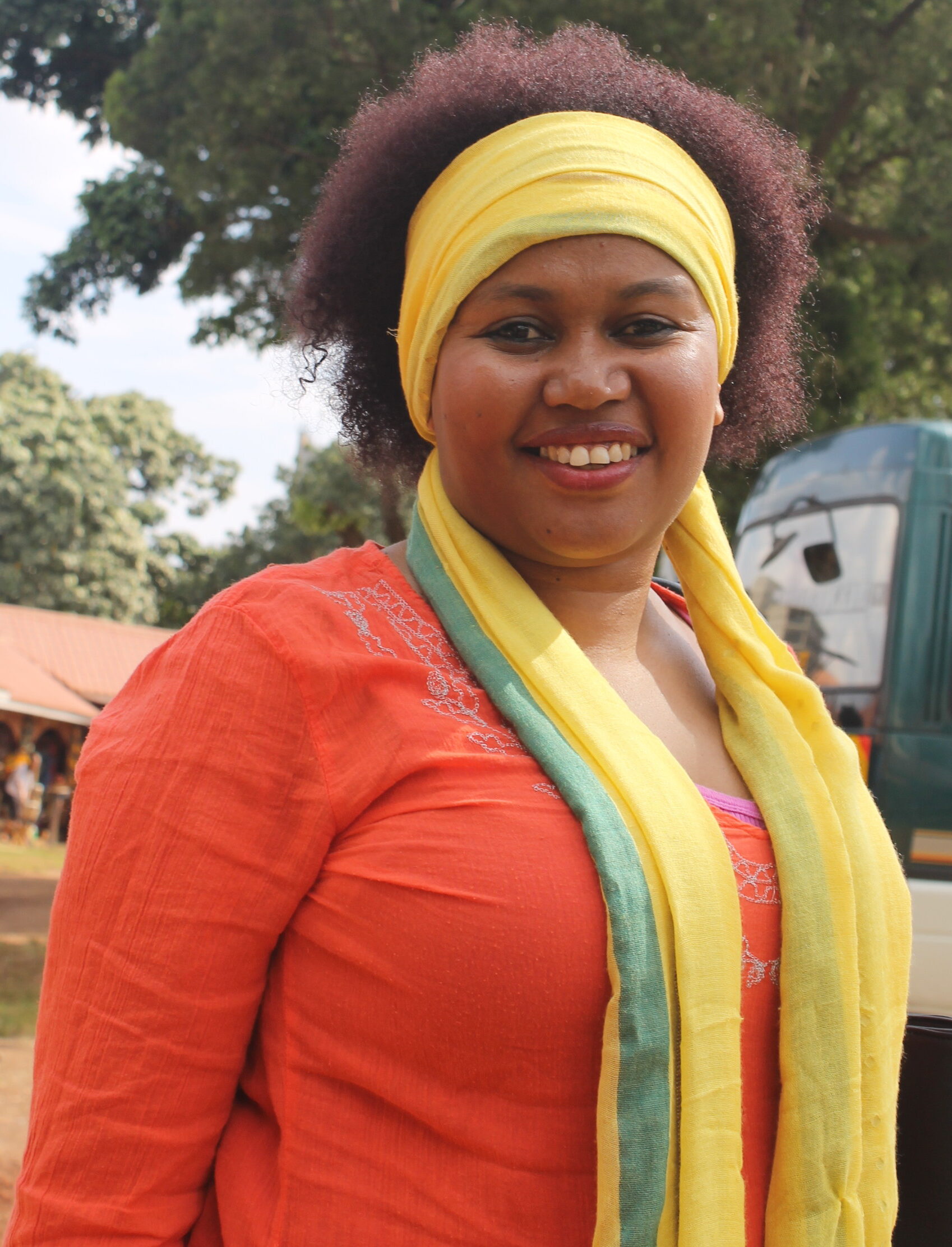 Aisha is a writer and currently employed as a copywriter in Advertising. She is also enrolled at the University of Nairobi studying for a degree in Journalism and Media Studies. She has a strong interest in using social media as a platform to highlight, talk about and champion women’s rights issues. She believes that it’s a space for women who would otherwise be silenced, to voice their issues and build communities with each other. She uses twitter extensively, under the handle, @bintiM, to spark conversations on various issues facing Kenyan women. Aisha was a participant in AWDF’s 2015 Writing for Social Change Workshop in Kampala, Uganda.[/tp]
[tp lang=”fr” not_in=”en”]Cet article a été à l’origine publié dans The Journalist.
Parfois je me demande si la femme dont je tiens mon nom, la femme du Prophète, aurait honte que je le porte. Ces pensées arrivent principalement dans le milieu de la nuit. Ce temps de la nuit quand vous vous détendez après une longue journée à naviguer de par le monde, tout en ayant la crainte que quelque chose se révèle. Ce temps de la nuit quand l’obscurité est plus éclairante que le soleil de la journée. Quand l’obscurité révèle tout ce qui a été caché pendant la journée. Je me demande si elle savait qu’il y aurait des femmes, longtemps après qu’elle soient partie à qui serait donné son nom et qui en serait indignes.
J’ai été pubère très tôt et mes seins ont commencé à pousser de plus en plus quand j’avais 10 ans, bien avant les autres filles de mon âge. Je travaillais dur pour les cacher en portant un jupon supplémentaire dans l’espoir qu’il les aplatirait. Je n’ai enlevé mon pull à l’école primaire, qu’après que quelqu’un ait fait un commentaire sur la façon dont ils ressortaient sous mon uniforme scolaire. J’ai commencé à porter de grands T-shirts et évitais certains jeux. Ce ne fut qu’à l’école secondaire que c’est devenu un peu plus confortable. Mais là, j’étais grosse de sorte que je me livrais à une autre bataille.
Je ne me souviens pas quand je me rendis compte que mon corps était la mesure de ma valeur.
Un jour, je jouais à la maison avec l’ami de mon cousin. À un certain moment, il m’a dit d’enlever mes vêtements afin que nous puissions faire ce que font les parents. Il m’a alors dit de se coucher au dessus de lui et nous sommes restés comme ça pendant quelques minutes. Puis il a dit que c’était bon et je suis descendue. Il m’a alors dit le peu de valeur que j’avais pour lui permettre de faire ça avec moi. Avoir des relations sexuelles avec lui, en réalité. Si cela avait été Munira de la rue, elle n’aurait pas accepté de le faire. Munira était une jeune fille pure. Après cela, il a dit à tous les autres garçons que s’ils voulaient du “sexe” ils n’avaient qu’à essayer avec moi. J’étais facile. Nous avions 9 ans je pense.
Le sexe a été une surprise
Notre gardien aimait toucher mes seins. J’avais 11 ans et il me touchait à chaque occasion qu’il avait. Alors il me souriait et me disait comme j’étais belle et combien mes seins étaient jolis. Il ne m’a jamais qualifiée de peu chère ou facile.
La première fois que j’ai fais l’amour, pour de vrai, ce fut une surprise. Je ne voulais pas le faire parce que je ne devais pas. J’avais 23 ans et je n’étais pas vraiment sûre de l’aimer mais il était important que je le crois. J’étais moins facile, moins bon marché si je l’aimais. Je m’étais convaincue que rien ne se passerait. Nous nous arrêtions. Quand il a commencé à me toucher, je n’arrêtais pas de me répéter de lui dire d’arrêter. Mais je ne l’ai pas fait. Mon corps était un participant volontaire. Je suppose que je n’aurais pas du être surprise. Après tout, je suis facile.
Vous ne pouvez perdre votre virginité qu’une fois. Elle est la marque ultime de votre valeur et il a été convenu que vous la perdriez avec votre mari … le prix que vous offrez à l’homme qui vous accepte pour le reste de votre vie. Elle est très convoitée et gardée jalousement. Votre valeur diminue si elle est accordée à toute personne autre que votre mari.
J’ai presque perdu ma virginité avec le mari de ma cousine. Ils vivaient avec nous parce qu’il avait perdu son emploi et ma mère a pris soin de tout le monde. Chaque fois que je me trouvais seule avec lui, il me touchait. Il a touché mes seins, mais il aimait d’avantage me toucher entre les jambes. Il m’a dit que j’étais une bonne fille et que je lui faisait plaisir. Il y avait cette fois, où il était dans les toilettes et il m’a entendu attendre de l’autre côté pour y aller aussi. Il est sorti avec son kikoy soulevé et son pénis en érection parfaitement visible.
Je ne pourrai jamais oublier le regard concupiscent sur son visage.
Ce fut le premier pénis que je voyais. J’avais 9 ans je pense.
Inceste ivre
La nuit, il a décidé de prendre ma virginité, il est rentré tard et ivre donc ma cousine lui a dit de dormir sur mon lit. Je me suis réveillée en sentant ses mains me toucher lorsqu’il a enlevé ma culotte. J’ai commencé à pleurer en silence, essayant de le pousser loin de moi. Il m’a attrapé et m’a poussée contre sa poitrine, en utilisant une main pour me retenir. Avec l’autre main, il a écarté mes jambes, et a commencé à insérer son pénis en moi. J’étais choquée. Je criais fort. Ma cousine, son épouse, m’a entendue et entra dans la chambre.
Il m’a poussé rapidement loin de lui avant qu’elle n’allume la lumière. Elle m’a demandé ce qui s’était passé. Je lui ai dit qu’il essayait de mettre sa chose en moi. Son mari lui a dit qu’il n’avait rien fait. Il a dit que c’était simplement par ce que je dormais dans une position inconfortable. Il avait du me pousser loin de lui. Elle lui a dit avec colère de descendre du lit et d’aller dormir dans le salon. Elle m’a alors dit que je ne devrais pas le dire à ma maman. Qu’il était ivre et ne savait pas ce qu’il faisait. Et que cela peut causer des problèmes si je lui en parle. Elle a pleuré.
Il n’a jamais essayé de nouveau après cela, mais il n’a jamais cessé me regarder.
Quelques mois plus tard, ils ont déménagé.
Je n’ai jamais rien dit à ma mère.
J’étais la dernière de mes amies à avoir un petit ami. Nous avions environ 15 ans et mes amies parlaient des garçons qu’elles avaient rencontré. Elles riaient du fait de se tenir la main et des baisers volés. Je voulais leur demander si cela leur a fait mal quand elles ont été touchées. Si elles se sont senties sale après.
La première fois qu’un garçon m’a embrassé à 17 ans, j’ai pleuré.
Avant après
J’ai commencé à regarder ma vie comme un avant/après. Tout ce qui m’est arrivé ‘Après’, je trouvais le moyen de le connecter à la perte de ma virginité. Tout ce qui a mal tourné était une conséquence que j’ai accepté. J’avais commis le péché originel et je ne méritait pas plus. Je vivais la vie du condamné avec rien d’autre à perdre. Alors, quand je suis tombée enceinte, j’ai accepté ma punition. Et quand j’ai perdu le bébé, cela a également été une punition parce que j’avais osé le vouloir. Vous n’êtes pas censée profiter de la punition. Vous assumez, mais vous ne jouissez pas.
La première fois que je me suis regardée dans le miroir j’ai détesté mon corps, je pleurais.
Pendant longtemps, je voyais mon corps à travers les couches de fausses idées complexes que le monde m’a dit et, à mon tour je me le suis dit à plusieurs reprises jusqu’à ce que cela devienne ma vérité. Je ne valais rien parce que mon corps était sans valeur. Je n’étais rien parce que mon corps n’était rien.
Des cicatrices invisibles sillonnent mon corps. Beaucoup ont été auto-infligées. A ce jour, me tenir debout devant un miroir exige du courage. Il a fallu un long moment pour moi pour déballer tout cela et c’est encore un processus en cours. Et il y a des jours où je regarde encore mon corps et je me demande quelle partie porte le plus de valeur.
Lupita Nyong’o a déclaré:
“Ce qui est fondamentalement beau est la compassion pour vous et pour ceux qui vous entourent. Ce genre de beauté enflamme le cœur et enchante l’âme … ”
Aisha est écrivain et travaille actuellement en tant que rédacteur dans la publicité. Elle est également inscrite à l’Université de Nairobi et suit des études pour un diplôme en journalisme et des études sur les médias. Elle a un fort intérêt pour l’utilisation des médias sociaux comme plate-forme pour mettre en évidence, parler des questions des droits des femmes. Elle croit que c’est un espace pour les femmes qui, autrement, seraient réduites au silence, d’exprimer leurs problèmes et construire des communautés avec d’autres. Elle utilise twitter largement, sous le nom, @bintiM, afin de susciter des conversations sur les différents problèmes auxquels font face les femmes kenyanes. Aisha a participé en 2015 à l’atelier d’écriture d’AWDF pour le changement social, 2015 Writing for Social Change Workshop, à Kampala, en Ouganda.[/tp]
AFRICAN WOMEN’S DEVELOPMENT FUND CALL FOR PROPOSALS
AFRICAN WOMEN’S DEVELOPMENT FUND CALL FOR PROPOSALS
The African Women’s Development Fund (AWDF) is a grant making foundation that supports local, national and regional organizations working towards the empowerment of African women and the achievement of gender equality on the continent. The vision of AWDF is for women to live in a world where there is social justice, equality and respect for women’s human rights. To this end, our mission is to mobilize and disburse financial, human and material resources to support positive transformation in Africa. We believe that If women are empowered with skills, information, sustainable livelihoods, opportunities to fulfil their potential, plus the capacity and space to make transformatory choices, then we will have vibrant, healthy and inclusive communities.
To achieve its vision and mission, the African Women’s Development Fund provides grant and technical support to women’s groups and organizations in Africa working on issues in line with the following themes:
- Women’s Human Rights (WHR)
- Economic Empowerment and Livelihoods (EEL)
- Health and Reproductive Rights (HRR)
- Governance Peace and Security (GPS)
- Arts Culture and Sports (ACS) and
- HIV/AIDS
The AWDF is inviting applicants working on specified areas to put in applications for support. The current call is opened from 10th August to 11th September 2015. Applicants are to send in proposals with innovative but effective strategies to address issues relating to the specified focus areas under the various listed themes: The areas of focus are as follows:
Women’s Human Rights (WHR)
In the area of promoting Women’s Human Rights, priority will be given to projects that enhance:
- Women and girls access to justice especially around land and property rights
- Policy engagements on women’s rights
- Addressing violence against women specifically around early & child marriage; FGM; sexual violence
Governance, Peace & Security (GPS)
To enhance women’s participation in decision making and peace building, projects that will be prioritised would focus on:
- Enabling women’s voices to be heard and their interest represented at all levels of decision making
- Involving women in peace building activities
- Facilitating women’s participation in leadership and governance processes
Economic Empowerment & Livelihood (EE&L)
To increase income earning opportunities for women, projects to be supported should seek to:
- Work with smallholder women farmers
- Work on climate change and food security issues
Arts, Sports & Culture (AS&C)
Projects to be supported under this theme will use arts, sports and culture to help address the negative images of women, by building women’s talents and skills as well as to build their capacities to lead the advocacy for the promotion of the rights of women. The support will cover:
- The use of sports, arts and popular culture to disseminate information on women’s rights and other key issues affecting women, to new and hard to reach audiences
- Raise the voices and profiles of women in all sectors of leadership on the continent using media such as music, films, documentaries, TV and radio productions, and national and regional film festivals.
- Support women and girls in sports, culture and sports
HIV/AIDS
Projects that will be prioritised under this theme will be centred on:
- Fighting stigma and discrimination against women and girls living with HIV&AIDS
- Promoting the rights of women living with HIV&AIDS
- Innovative HIV prevention activities and programmes
Eligibility Criteria
- Applicant Organisation must have been in existence for at least 3 years
- The organisation must be duly registered, at least with its local government structure
- The organisation must be led by a woman and have a focus on Women’s Rights
- The organisation must have the needed organizational structures
- The organisation must have an appreciable financial management system
- The organisation must be capable of reporting back on the outcomes of the project
- The organisation must be highly recommended by a donor agency, a grantee or partner of AWDF or the local government office
- The applying organisation must complete the necessary application forms
Grant Size
Grants disbursed will be in the range of $5,000 to $30.000.
Geographical Scope
Applications from the following countries are specifically encouraged to apply;
Burkina Faso, Cameroon, Ethiopia, Nigeria, Malawi, South Africa, Zambia & Zimbabwe
Grant Period
The grant period will be for one year from the date of award.
Expectation
The grantee is expected to send in 2 reports. An interim report and a final comprehensive report detailing the various activities, lessons learnt and clearly defined achievements at the end of the project. The organisation must be capable of measuring the results of the project and must be able to document stories and lessons learnt for sharing with AWDF and other partners.
How to apply
Interested organisations should send in their proposals to the AWDF secretariat in Accra, Ghana, using the required grant applications guidelines which include a financial management assessment form and an outcome form:
Application guidelines- Main grants
Financial-Management-Assessment-Guidelines-AWDF-Grant-Applications-20121
Framework for Measuring Outcomes
The African Women’s Development Fund
Office: Plot 78 Ambassadorial Enclave, East Legon
Post: P.M.B CT 89 Cantonments, Accra, Ghana
Email: awdf@africlub.net/awdf; grants@africlub.net/awdf
Website: www.africlub.net/awdf
Tel : + 233 289669666
NOTE: Please note that this is a very competitive process and it is only organizations with innovative but effective strategies who will be supported.
****
Le Fonds Africain de Développement de la Femme (AWDF) est une fondation d’octroi de subventions qui soutient des organisations locales, nationales et régionales qui travaillent à l’autonomisation des femmes africaines et à la réalisation de l’égalité des sexes sur le continent. La vision d’AWDF est que les femmes vivent dans un monde où il y a de la justice sociale, l’égalité et le respect des droits humains des femmes. À cette fin, notre mission est de mobiliser et de distribuer des ressources humaines, matérielles et financières pour soutenir la transformation positive en Afrique. Nous croyons que si les femmes sont habilitées avec des compétences, de l’information, des moyens de subsistance durable, des possibilités de réaliser leur potentiel, ainsi que la capacité et d’espace pour faire des choix transformateurs, alors nous aurons des collectivités dynamiques, saines et inclusives.
Pour réaliser sa vision et sa mission, le Fonds Africain de Développement de la Femme fournit des subvention et du soutien technique aux groupes et organisations en Afrique travaillant sur les questions en lien avec les thèmes suivants surla femme:
- Les droits des femmes (WHR)
- Autonomisation économique et les moyens de subsistance (EEL)
- Santé et droits reproductifs (FCR)
- Gouvernance de la paix et de la sécurité (GPS)
- Arts Culture et des Sports (ACS) et
- VIH / SIDA
L’AWDF invite les candidats qui travaillent sur l’un des domaines figurant ci-dessus à faire une demandes de soutien. L’appel en cours est ouvert du 10 Août au 11 Septembre 2015. Les candidats ont à envoyer des propositions avec des stratégies novatrices et efficaces pour traiter les questions relatives aux domaines d’intérêt spécifiques, sous les différents thèmes énumérés: les domaines de la mise au point sont comme suit:
Les droits des femmes (WHR)
Dans le domaine de la promotion des droits humains de la femme, la priorité sera accordée aux projets qui améliorent:
- L’accès à la justice des femmes et les filles en particulier autour des droits fonciers et immobiliers
- L’engagement politique sur les droits des femmes
- Remédier à la violence contre les femmes en particulier dès le plus jeun aâge et le mariage des enfants; MGF; la violence sexuelle
Gouvernance, paix et sécurité (GPS)
Pour renforcer la participation des femmes dans la prise de décision et le renforcement de la paix, les projets qui seront priorisés mettraient l’accent sur:
- L’Activation de la voix des femmes pour qu’elle soit entendue et leurs intérêts représentés à tous les niveaux de prise de décision
- Impliquer les femmes dans les activités de consolidation de la paix
- Faciliter la participation des femmes dans les processus de leadership et de gouvernance
Émancipation économique & moyens de subsistance (EE & L)
Pour accroître les possibilités de génération de revenus pour les femmes, les projets qui seront soutenus devraient viser à:
- Travailler avec petites agricultrices
- Les travaux sur le changement climatique et les questions de sécurité alimentaire
Arts, Sports et Culture (AS & C)
Les projets qui seront soutenus dans ce thème utiliseront les arts, les sports et la culture pour aider à résoudre les images négatives des femmes, en construisant les talents et les compétences des femmes ainsi que de renforcer leurs capacités à diriger le plaidoyer en faveur de la promotion des droits des femmes. Le soutien portera:
- L’utilisation du sports, des arts et de la culture populaire pour diffuser des informations sur les droits des femmes et d’autres questions clés qui touchent les femmes, à nouveau et difficile à rejoindre les auditoires
- Faire entendre les voix et les profils des femmes dans tous les secteurs de leadership sur le continent en utilisant les médias comme la musique, des films, des documentaires, la télévision et des productions radiophoniques et festivals nationaux et régionaux de films.
- Soutenir les femmes et les filles dans le sport, la culture et les sports
VIH / SIDA
Les projets qui seront prioritaires dans le cadre de ce thème seront centrées sur:
- Lutter contre la stigmatisation et la discrimination contre les femmes et les filles vivant avec le VIH et le SIDA
- Promouvoir les droits des femmes vivant avec le VIH et le SIDA
- Les activités novatrices de prévention du VIH et des programmes
Critère d’éligibilité
- L’Organisation demandeur doit exister depuis au moins 3 ans
- L’organisation doit être dûment enregistré, au moins avec sa structure de gouvernement local
- L’organisation doit être dirigé par une femme et un accent mis sur les droits des femmes
- L’organisation doit avoir les structures organisationnelles nécessaires
- L’organisation doit avoir un système de gestion financière appréciable
- L’organisation doit être capable de faire rapport sur les résultats du projet
- L’organisation doit être fortement recommandé par un organisme donateur, un bénéficiaire ou un partenaire de AWDF ou le bureau du gouvernement local
- L’organisme candidat doit remplir les formulaires de demande nécessaires
Taille des subventions
Les subventions versées seront de l’ordre de 5000 $ à $ 30,000.
Portée géographique
Les pays suivants sont particulièrement encouragés à postuler;
Burkina Faso, Cameroun, Ethiopie, le Nigeria, le Malawi, l’Afrique du Sud, la Zambie et le Zimbabwe
Période de subvention
La période de subvention sera d’un an à compter de la date d’attribution.
Attente
Le bénéficiaire est tenu d’envoyer 2 rapports. Un rapport intérimaire et un rapport final complet détaillant les différentes activités, les leçons apprises et les réalisations clairement définies à la fin du projet. L’organisation doit être capable de mesurer les résultats du projet et doit être en mesure de documenter les histoires et les leçons apprises pour les partager avec AWDF et d’autres partenaires.
Comment postuler
Les organisations intéressées doivent envoyer leurs propositions au secrétariat AWDF à Accra, au Ghana, en utilisant les demandes de subventions directives nécessaires qui comprennent un formulaire d’évaluation de la gestion financière et une forme de résultats:
Candidature principale subventions lignes directrices:
CANEVAS DE DEMANDE DE SUBVENTION (1)
Evaluation-Gestion-Financière-Directives-FRANCAIS
The African Women’s Development Fund
Adresse: Plot 78 Ambassadorial Enclave, East Legon
Adresse Postale: P.M.B CT 89 Cantonments, Accra, Ghana
Email: awdf@africlub.net/awdf; grants@africlub.net/awdf
Website: www.africlub.net/awdf
Tel : + 233 289669666
NOTE: Veuillez noter que ceci est un processus très compétitif et il est réservé seulement aux organisations aux stratégies innovantes et efficaces qui seront appuyées.
CALL FOR PROPOSALS: WORLD AIDS DAY GRANT (2015)
CALL FOR PROPOSALS: WORLD AIDS DAY GRANT (2015)
[tp lang=”en” not_in=”fr”]World AIDS Day Campaign
The African Women’s Development Fund (AWDF) is putting out a call for its annual World AIDS Day Grant.
The World AIDS Day, is observed on the 1st of December every year. The day which is celebrated on or around the 1st of December every year is an opportunity to intensify awareness raising around HIV issues in diverse ways. The Campaign is dedicated to raising awareness of the HIV/AIDS Pandemic and to demonstrate global solidarity in the face of the pandemic. The campaign is an opportunity for all stakeholders to highlight the progress made and the challenges besetting the response to the pandemic as well as to encourage various stakeholders and government to facilitate progress in HIV/AIDS prevention, treatment and care around the world. For 2015, the global World AIDS Day theme is “Getting to Zero” by 2015 – Zero AIDS Related Deaths, Zero New Infections and Zero Discrimination.
In support of the 2015 World AIDS Day Campaign, AWDF would support innovate initiatives by small to medium sized women led organisations in Africa working to:
- Address stigma and discrimination against women living with HIV/AIDS
- Empower women living with HIV to participate effectively and take the lead in the HIV response in their various communities.
- Create the platform for women and girls to speak on women susceptibility to HIV infection and or issues affecting women living with HIV/AIDS
The World AIDS day grant is under the AWDF small grants programme. They are usually one off activities and events to commemorate the day.
Time frame for the call
The current call is opened from 10th August to 11th September 2015. Applicants are to send in proposals with innovative but effective strategies to address issues relating to the peculiar impact of HIV&AIDS on Women and girls.
Eligibility Criteria
Applicant Organisation:
- Must have been in existence for at least 3 years
- Must be duly registered, at least with its local government structure
- Must be led by a woman and have a focus on Women’s Rights
- Must have the needed organizational structures
- Must have an appreciable financial management system
- Must be capable of reporting back on the outcomes of the project
- Must be highly recommended by a donor agency, a grantee or partner of AWDF or the local government office
- Must complete the necessary application forms
- Must have an annual budget no more than $50,000
Grant Size & Period
The grant size is a $1,000. Therefore eligible projects should have a budget of not more than $1,000. The grant period will be for 4 months from the date of award.
How to Apply
Interested small to medium sized women rights organisations should send in their proposals using the required application guidelines to the AWDF secretariat via email to awdf@africlub.net/awdf; grants@africlub.net/awdf or post to:
The African Women’s Development Fund
Office: Plot 78 Ambassadorial Enclave, East Legon
Post: P.M.B CT 89 Cantonments, Accra, Ghana
Tel : +233 289 669 666
The applicant must also complete and include a financial management assessment forms and an outcome form, all downloadable here:
Application Guidelines: WORLD AIDS DAY Guidelines 2015 (1)/ JOURNEE MONDIALE DE LUTTE CONTRE LE SIDA- CANEVAS
Financial-Management-Assessment-Guidelines-ENGLISH/ Evaluation-Gestion-Financière-Directives-FRANCAIS
Framework for Measuring Outcomes / Cadre de mesure de Succes
Expectation
The successful applicant is expected to send in one comprehensive report highlighting the various activities, lessons learnt, stories and achievements of the project. The organisation must be able to document stories and lessons learnt for sharing with AWDF and other stakeholders. Labelled photographs of project activities in j-peg format should be attached to the report.
NOTE: Please note that this is a very competitive process and only organizations with innovative but effective strategies who will be supported. Only successful applicants will be contacted.[/tp]
[tp lang=”fr” not_in=”en”]Campagne de la Journée mondiale du sida
Le Fonds Africain de développement de la femme (AWDF) lance un appel pour sa Subvention pour la Journée mondiale contre le sida.
La Journée mondiale contre le sida, est observée le 1er Décembre de chaque année. La journée qui est célébrée chaque année le, ou autour du 1er Décembre est l’occasion d’intensifier la sensibilisation autour des questions du VIH de diverses manières. La campagne est dédiée à la sensibilisation à la pandémie du VIH/SIDA et de démontrer la solidarité mondiale face à la maladie. La campagne est une occasion pour toutes les parties prenantes de mettre en évidence les progrès accomplis et les défis qui assaillent la réponse à la pandémie ainsi que pour encourager les différentes parties prenantes et le gouvernement à faciliter les progrès en matière de VIH / SIDA de prévention, de traitement et de soins dans le monde entier. Pour 2015, le thème mondial de la Journée mondiale contre le sida est “Objectif zéro» d’ici 2015 – Zéro décès liés au SIDA, zéro nouvelles infections et zéro discrimination.
En l’appui de la campagne 2015 de la Journée mondiale contre le sida, AWDF soutient les initiatives innovantes des petites et moyennes organisations dirigées dirigées par des femmes en Afrique et travail à:
- Des discours contre la stigmatisation et la discrimination contre les femmes vivant avec le VIH / SIDA
- L’autonomisation des femmes vivant avec le VIH afin de participer efficacement et de prendre les devants dans la riposte au VIH dans leurs différentes communautés.
- Créer la plate-forme pour les femmes et les filles pour parler des femmes vulnérables à l’infection par le VIH et / ou aux questions touchant les femmes vivant avec le VIH / SIDA
La subvention de la journée mondiale contre le sida est sous le programme de petites subventions AWDF. Ce sont généralement des activités et des événements ponctuels pour commémorer la journée.
Délais pour l’appel d’offrez
L’appel en cours est ouvert à partir du 10 Août jusqu’au 11 Septembre 2015. Les candidats doivent envoyer des propositions avec des stratégies novatrices et efficaces pour traiter les questions relatives à l’impact particulier du VIH et du SIDA sur les femmes et les filles.
Critères d’éligibilité
L’Organisation candidate:
- Doit exister depuis au moins 3 ans
- Doit être dûment enregistrée, au moins avec sa structure de gouvernement local
- Doit être dirigée par une femme et avoir un accent sur les droits des femmes
- Doit avoir les structures organisationnelles nécessaires
- Doit avoir un système sensible de la gestion financière
- Doit être capable de faire un rapport sur les résultats du projet
- Doit être fortement recommandé par un organisme donateur, un bénéficiaire ou un partenaire d’AWDF ou le bureau du gouvernement local
- Doit remplir les formulaires de demande nécessaires
- Doit avoir un budget annuel ne dépassant pas $ 50 000
Taille de la subvention & Période
Le montant de la subvention est de 1000 $. Par conséquent les projets admissibles doivent avoir un budget de pas plus de 1000 $. La période de subvention sera pour 4 mois à compter de la date d’attribution.
Comment candidater
Les organisations pour le droit des femmes de petite ou taille moyenne doivent envoyer leur candidature en utilisant “l’Application guideline” appropriée au secrétariat d’AWDF par email à awdf@africlub.net/awdf; grants@africlub.net/awdf ou par voie postale à:
The African Women’s Development Fund
Office: Plot 78 Ambassadorial Enclave, East Legon
Post: P.M.B CT 89 Cantonments, Accra, Ghana
Tel : +233 289 669 666
Le demandeur doit également remplir et inclure un formulaire d’évaluation de la gestion et un formulaire de résultats, tous téléchargeables à partir d’ici:
Directives de candidature:
: WORLD AIDS DAY Guidelines 2015 (1)/ JOURNEE MONDIALE DE LUTTE CONTRE LE SIDA- CANEVAS
financial-Management-Assessment-Guidelines-ENGLISH/ Evaluation-Gestion-Financière-Directives-FRANCAIS
Framework for Measuring Outcomes / Cadre de mesure de Succes
Attentes
Le candidat retenu devra envoyer un rapport détaillé mettant en évidence les différentes activités, les leçons apprises, des histoires et des réalisations du projet. L’organisation doit être en mesure de documenter les histoires et les leçons apprises pour les partager avec AWDF et d’autres intervenants. Des photographies labellisées des activités du projet au format j-peg devront être jointes au rapport.
NOTE: S’il vous plaît noter que ceci est un processus très concurrentiel et seules les organisations ayant des stratégies novatrices mais efficaces seront appuyées. Seuls les candidats retenus seront contactés.[/tp]