
Author: African Women's Development Fund
#FacesofAdvocacy: SWID recounts the journey towards Women’s Land rights in Uganda.
#FacesofAdvocacy: SWID recounts the journey towards Women’s Land rights in Uganda.
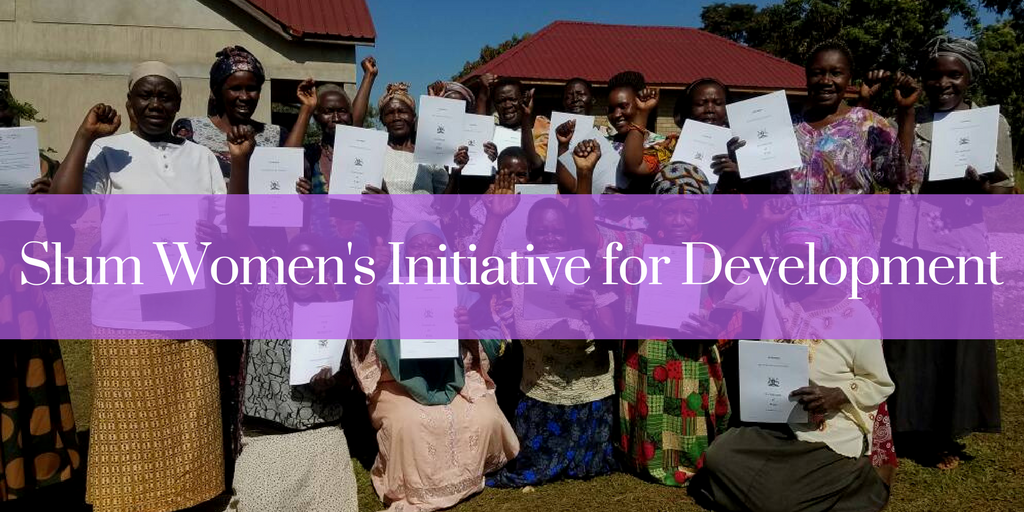
Advocacy leads to transformation and Slum Women’s Initiative for Development (SWID) has demonstrated the importance of transformation on the issue of Land rights in Uganda. SWID works on a spectrum of issues: land rights, women’s rights, food security as well as environmental protection. They understand how issues of land, the environment and food are interwoven, and how all of these issues directly impact women. They empower rural women farmers through advocacy and educational activities for easy access to land to invest in profitable agriculture which will result in high yields, thereby enhancing food security as well as income.
Below are two grantee stories from SWID, the grantee we profiled HERE last week.
- Florence Elume, a widow with two children and a vice chair of SWID has this to say:
“I used to be a teacher and when I went on pension I started farming and raring rabbits and goats. I acquired a land but didn’t have a title to it. SWID trained me in leadership and helped me know my rights. I now know how to make will, lobby stakeholders: municipal council, NGOs to help my fellow women on our needs. I know how to process land title and know the steps I need to follow. The process we undertook to get the land title has also created harmony in our community. I have my land title that I know I have full ownership of my land. This title means a lot to me. Because it assures me that I have security of tenure. I can get loan from the bank for my business. I can even sell it if I wish to do so. I have Power! Power! Power!!”
2. Mariam Kajoda, a beneficiary of SWID’s program had this to say as well:
“I am a farmer- I cultivate land and also rare goats. I appreciate the director of SWID who mobilized us to acquire land titles and also helped us come out of ignorance and know our rights as women. I am now a woman who can contribute to development. Now we have a voice to pursue justice. I have built a house and now I have title of ownership. I have 99 years lease of the land where the house is. I appreciate AWDF for the support given us to process the title, the training that helped us get power and knowledge. “United is Power”. This power has given me success as my children are also on the title. I can use my title as collateral for a loan, but I will be careful not to over use it otherwise I lose my land and my house”.
#FacesOfAdvocacy: Slum Women’s Initiative for Development pushes for Women’s Land Rights
#FacesOfAdvocacy: Slum Women’s Initiative for Development pushes for Women’s Land Rights
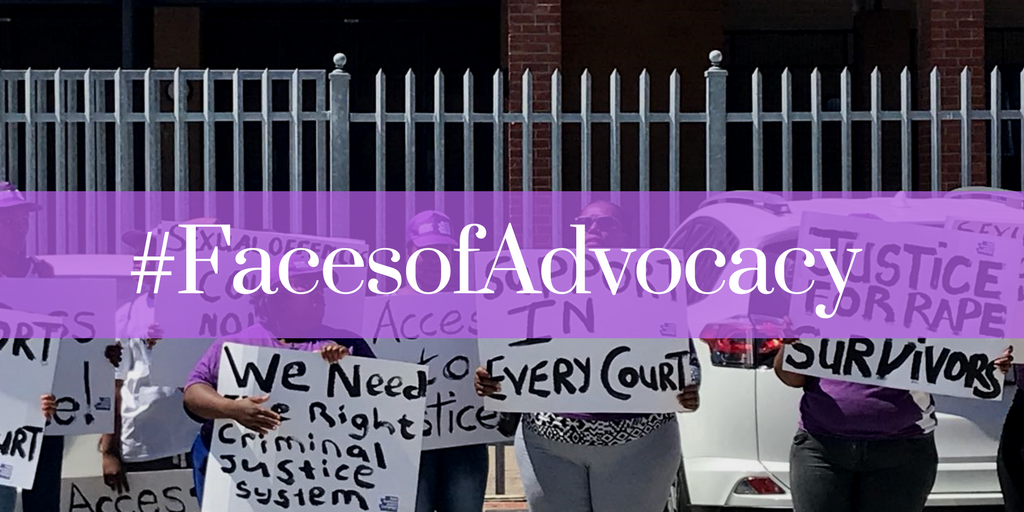
Advocacy leads to transformation and Slum Women’s Initiative for Development (SWID) has demonstrated the importance of transformation on the issue of Land rights in Uganda. SWID works on a spectrum of issues: land rights, women’s rights, food security as well as environmental protection. They understand how issues of land, the environment and food are interwoven, and how all of these issues directly impact women. They empower rural women farmers through advocacy and educational activities for easy access to land to invest in profitable agriculture which will result in high yields, thereby enhancing food security as well as income.
AWDF supported SWID in the processing of leases for 31 women. They also held a one-day sensitisation workshop for their community to help them understand why it was so important for women to own their own land.
The training proved to be not only successful but revolutionary. In the past, women had been acknowledged only as witnesses on land title documents but as a direct result of this intervention, a number of men in the community started processing joint title ownership for their land so their wives would also have rights to the land.
SWID continued their advocacy and sensitisation in various parishes, with local authorities and with the police. Over a 100 people participated in these dialogues and a revolving fund was established to give loans to group members who owned land to start the land title acquisition process.
Reports from the land office shows a significant increase in the number of women processing land titles as a result of the sensitisation programme, with a corresponding change in the mindset of men in relation to land ownership.
SWID has played an integral role in changing their society by continuing to advocate for the rights of women and girls to the land on which they live, work and earn from.
This is why SWID is one of our #FacesOfAdocacy.
#FacesofAdvocacy: S.H.E creates space for those whose voices are often ignored.
#FacesofAdvocacy: S.H.E creates space for those whose voices are often ignored.
Women experience marginalisation on multiple levels, but transwomen often experience added layers of marginalisation within movements, because their experience of womanhood is constantly questioned and policed.
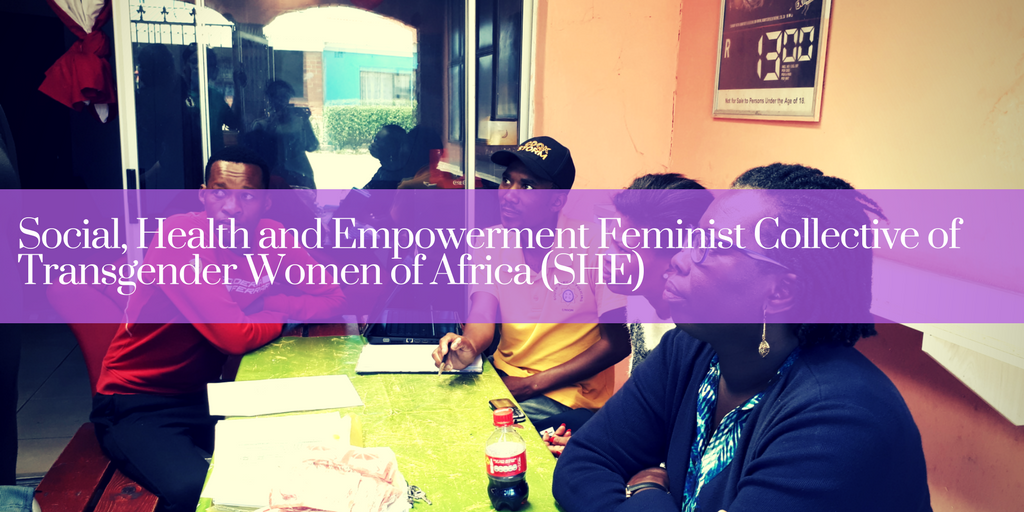
Social Health and Empowerment Feminist Collective of Transgender Women of Africa (SHE) understands the necessity of having an organisation for women who find themselves within larger movement spaces but not at the centre of them and experience unique discrimination because of that. SHE was formed by transwomen of colour in South Africa, to give Transwomen a voice within the LGBTI movement.SHE was founded in 2010 by Leigh Ann van der Merwe, a Transwoman from rural South Africa in 2010. This trailblazing organisation works with transgender women, women living with HIV AIDS, as well as LGBTQI organisations, serving as an invaluable resource to its community.
As part of its work with AWDF, SHE organised a one week feminist movement building school for 20 transwomen to help them better engage within the women’s movement and advocate for themselves. This would allow them to have a strong voice during key development processes, and ensure that their voices are at the forefront of important governmental change and policy making decisions.
SHE recognises the need for our future to be intersectional. SHE is a #FaceofAdvocacy.
For more information on Transwomen and the Gender binary click HERE
#FacesofAdvocacy: Rape Crisis Cape Town Trust
#FacesofAdvocacy: Rape Crisis Cape Town Trust
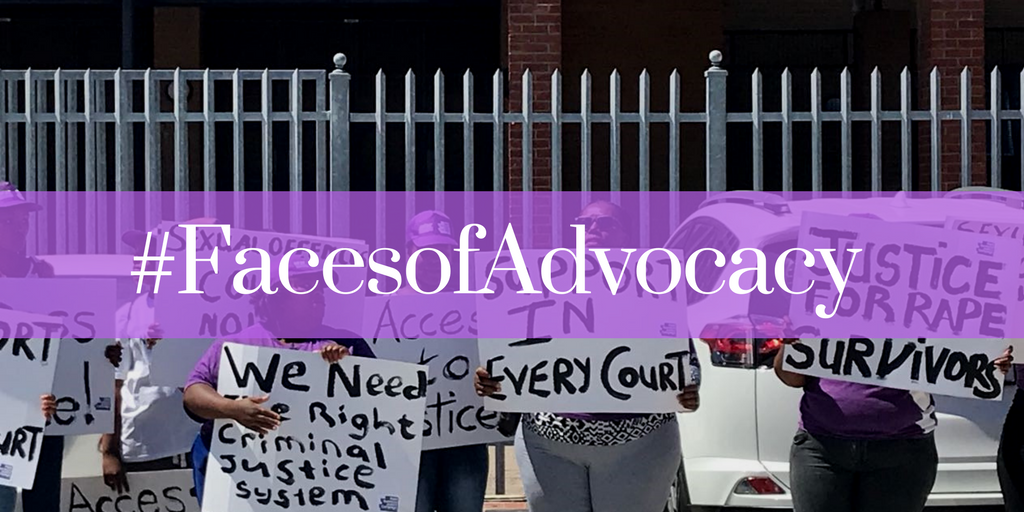
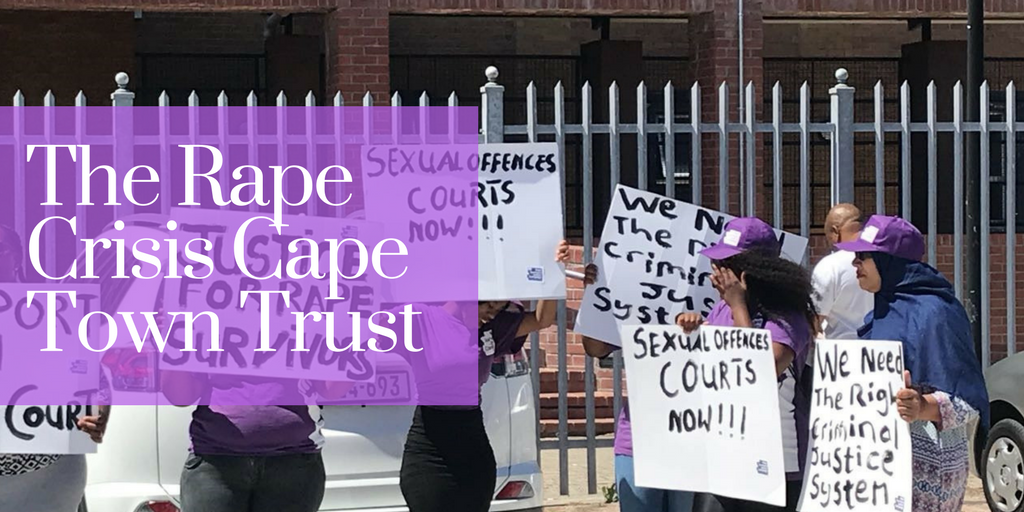
What does it mean to truly seek justice for victims of sexual assault and abuse? What does this justice look like and who does it centre on? The Rape Crisis Cape Town Trust has continually sought to answer this question and push the state to act on its commitment to survivors of Sexual offences in South Africa. They recognise the way that different people and groups navigate the justice system, and the disparities in support for various kinds of survivors.
The Rape Crisis Cape Town Trust works to ensure that sexual offence courts are set up all across South Africa. They work to keep the South African Government accountable to fulfilling its promise to roll out sexual offences courts across the country to provide specialised services, personnel and infrastructure to survivors of sexual offences. Because of their in-depth understanding of the justice system, they appreciate how integral a safe, reliable court system would be for survivors of sexual violence. These courts will offer various forms of support to survivors throughout the legal process whilst dealing with several commonly reported problems that survivors often face when pursuing justice against perpetrators of sexual violence.
The Rape Crisis Cape Town Trust was awarded a grant to allow them to better advocate for the institutionalisation of these court systems that would provide support across board for all survivors of sexual violence, as well as hold authorities accountable for fulfilling all the mandates of the specialised courts. Their social media campaigns and community mobilisation activities have helped bring awareness to their cause and encouraged commitment from various community members.
The Rape Crisis Cape Town Trust is a #FaceofAdvocacy.
To see the full list of our grantees, please click here
#FacesofLeadership: Tanzanian Women’s Cross Party
#FacesofLeadership: Tanzanian Women’s Cross Party
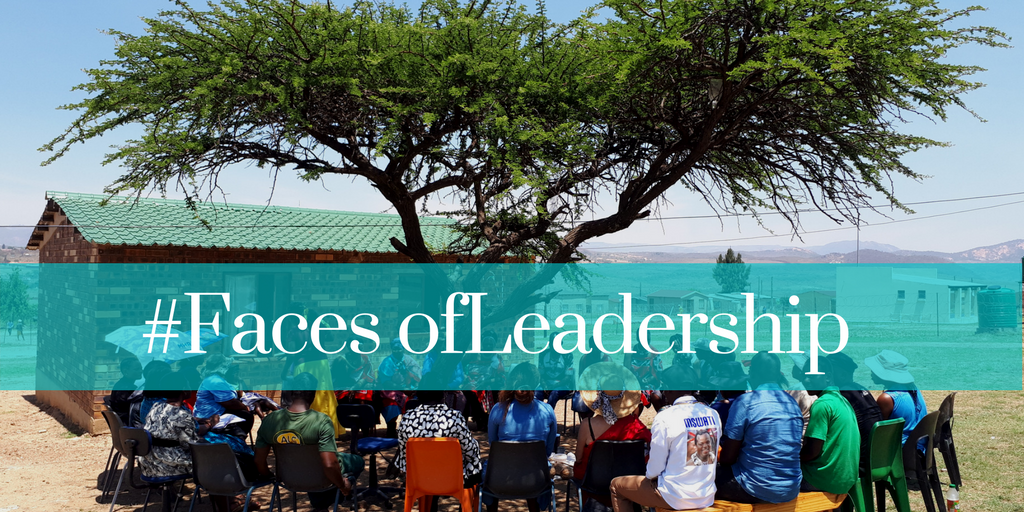
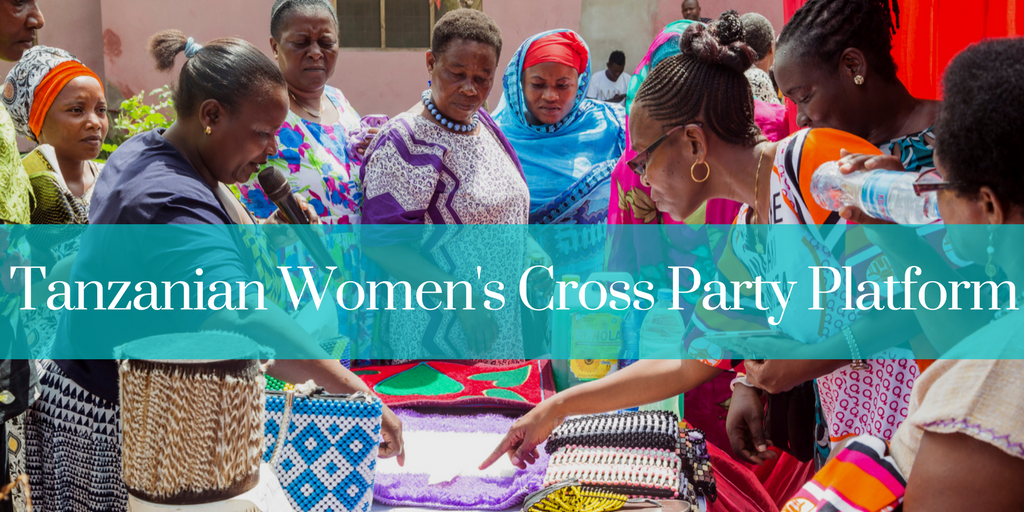
TWCP is a trailblazer in building women’s political and leadership capacities and creating spaces for women in politics. They are often consulted during high level political conversations and engage the media on policies that are gender blind. Through their efforts, TWCP has created a safe space for women politicians to interact and work with CSOs, having advocated for more women to be elected to various political positions.
They operate in 13 districts and focus on empowering women leaders of political parties, building women politicians and women leaders capacity and community mobilization for civic engagement.
TWCP was awarded a grant in 2017 to engage political stakeholders to change policies in order to facilitate the adoption of gender equality and quota systems in political processes. These included the National election commission, Zanzibar election Commission, officials from the office of registrar of political parties, Tanzania female Police Network, Women’s Rights Organization and Officials from the ministry of health, gender, children, community development and elderly.
#FacesoftheFuture : Grantee Stories and Moments to highlight the Women changing the Future of the African Continent.
#FacesoftheFuture : Grantee Stories and Moments to highlight the Women changing the Future of the African Continent.
[tp lang=”en” not_in=”fr”]
This year we’re placing our grantees at the forefront of our work. The #Facesofthefuture campaign highlights the various women and organisations behind our thematic areas and each individual subsection corresponds with a different aspect of our work. All of our grantees continue to define and shape the future– and it’s important to highlight the myriad ways in which they do this, as they do this.
This campaign centres both our grantees and the work that we’re doing and allows us to highlight some of the more interesting parts of our work.
Track #Facesofthefuture on twitter to keep up with all of the new stories and highlights each week.
Track #FacesofTransformation for stories on women transforming their communities through various interventions.
Track #FacesofLeadership for stories on our capacity building grantees and our innovative Manda Coaching Program that helps shape feminist leaders within women’s rights organisations.
Track #FacesofEmpowerment for stories that focus on the various ways we support economic security and justice.
Track #FacesofAdvocacy for stories on grantees that work in work in advocacy!
[/tp]
[tp lang=”fr” not_in=”en”]
Cette année, nos bénéficiaires occupent la première place dans notre travail. Notre campagne #Facesofthefuture met l’accent sur les différentes femmes et organisations qui contribuent à notre travail lié à nos domaines thématiques et chaque sous-section correspond à un aspect de notre travail. Toutes nos bénéficiaires continuent à définir et à façonner l’avenir. Il est donc important de souligner les diverses manières dont elles le font, pendant qu’elles le font.
Cette campagne tourne autour de nos bénéficiaires ainsi que notre travail et nous permet de décrire certaines des parties les plus intéressantes de notre travail.
Suivez #Facesofthefuture sur Twitter pour avoir accès à toutes les nouvelles histoires et les faits marquants de chaque semaine.
Suivez #FacesofTransformation pour accéder à des histoires sur les femmes qui transforment leurs communautés à travers diverses interventions.
Suivez #FacesofLeadership pour accéder aux histoires sur nos bénéficiaires qui sont dans le domaine de renforcement des capacités et notre programme innovant Manda Coaching qui forme les leaders féministes au sein des organisations de défense des droits des femmes.
Suivez #FacesofEmpowerment pour lire des histoires qui mettent l’accent sur nos diverses manières de soutenir l’autonomisation économique et le plaidoyer.
Suivez #FacesofAdvocacy pour accéder à des histoires sur les bénéficiaires qui ne font que du plaidoyer.
[/tp]
Reflections on Generations of Sisterhood: International Women’s Day 2018
Reflections on Generations of Sisterhood: International Women’s Day 2018

“Women are not homogenous. We can be different but still find common ground to work together strategically. We cannot, must not, allow age, generation, class, ethnicity, education and professional lives, marital and motherhood statuses, diverse abilities and disabilities to divide us”. Prof Akosua Adomako Ampofo
Feminism is sisterhood and sisterhood requires conversation and interrogation to grow. It is not always the beautiful, flowing moments of synergy, but sometimes the recognition of our differences that require an examination of the cracks in order to find healing.
To mark International Women’s Day this year, The African Women’s Development Fund partnered with Pepper Dem Ministries, a vibrant online activist movement to engage in a conversation about Intergenerational feminism in Ghana. We examined mind sets, structures and the lack of conversation between various generations that could eventually lead to an erasure of our collective gains and histories. We looked at the good, the bad and the complex and emerged better for it.
The conversation was divided into three separate panels. The first panel, labelled the Pacesetters, comprised some of the women whose activism had paved the way for women’s rights in Ghana today. The panel, moderated by Gifty Anti included Nana Oye Lithur, Professor Akosua Adomako Ampofo, Professor Takyiwah Manuh and Professor Akua Opokua Britwum. These women recounted all the times they had challenged power in their long careers, and reminded the audience of the importance of building on foundations. They also spoke to worrying new trends, a resurgence of “traditional” values, that Professor Ampofo aptly referred to as the cult of domesticity.
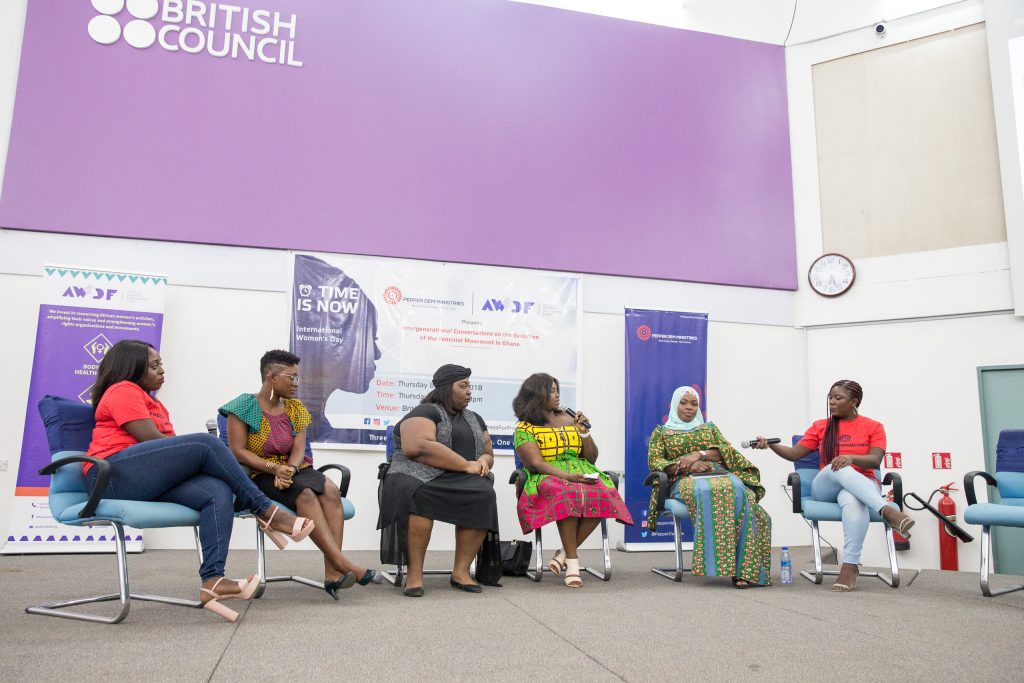
The Second panel, captioned the NewGen, included feminists that had come into the fold through the development of their individual belief systems that were doing interesting work and sparking new conversations in their various fields. This panel, moderated by Afia Kwakyewaa Owusu-Nyantakyi was made up of Francisca Kakra Forson, Shamima Muslim, Felicity Nelson, Efe Plange and Maame Adwoa Amoa Marfo. This panel discussed the new conversations that Ghanaian feminists were having to tackle, as well as the necessity in fighting for and understanding differences within the movement. From their discussion, it was clear that a self-serving movement was unsustainable and would ultimately fizzle out.
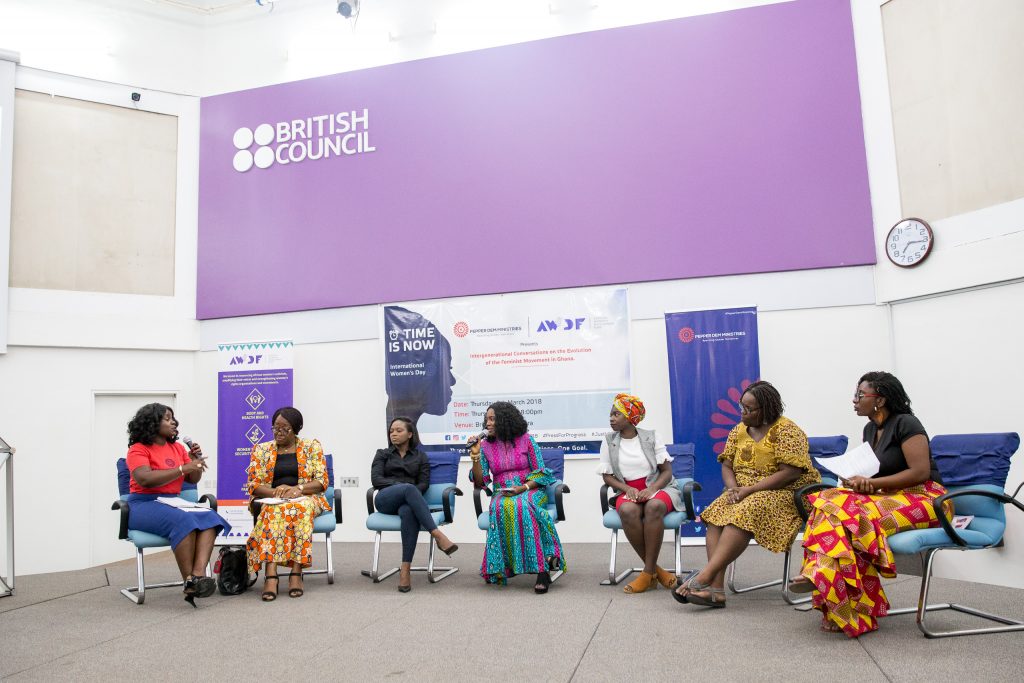
The Third Panel, was an intergenerational panel that focused on the learnings that the feminist movement would need to address and grow from. They spoke to the changing dynamics within the feminist movements, the importance of harnessing social media space and momentum as well as the need for better communication of our feminist histories within the movement. This panel comprised Kinna Likimani, Louise Carol Donkor, Dinah Adiko, Rita Nketiah, Sheila Minka-Premo and was moderated by Akosua Hanson.
The conversation was lively, raising issues that are often glossed over and charting a history that isn’t always spoken of. Participants left the event with renewed vigour and a thirst to learn more about our shared movement and discover better ways to work together. This will enable us to truly consolidate our gains.
Beyond Tie Dye: Rethinking African Women’s Economies and the role of Funders.
Beyond Tie Dye: Rethinking African Women’s Economies and the role of Funders.
Jessica Horn, AWDF’s Director of programs was interviewed by News Deeply! See an excerpt below-and follow the read the entire interview.
Don’t talk to Jessica Horn about tie dye. The director of programs for the African Women’s Development Fund doesn’t have time for women’s advancement projects that lean on an age-old standby: artisanal crafts.
“One of the most common post-conflict reconstruction initiatives in economic empowerment is teaching women to make soda soap and to do tie dye,” she says. “Now you’re flooding the market with sub-standard tie-dyed cloth. Who’s going to buy it?”
To become real economic players, equal to men, Horn says, women need a say in the decisions that affect them. Which is why every project the African Women’s Development Fund supports has to meet at least two goals: increased income generation and greater political participation.
At the Bond conference in London, News Deeply spoke to Horn about the relationship between economics and politics, and the trouble with “women’s work.”
For the entire interview click here: http://bit.ly/2oQb5ai
#She Decides 2018
#She Decides 2018
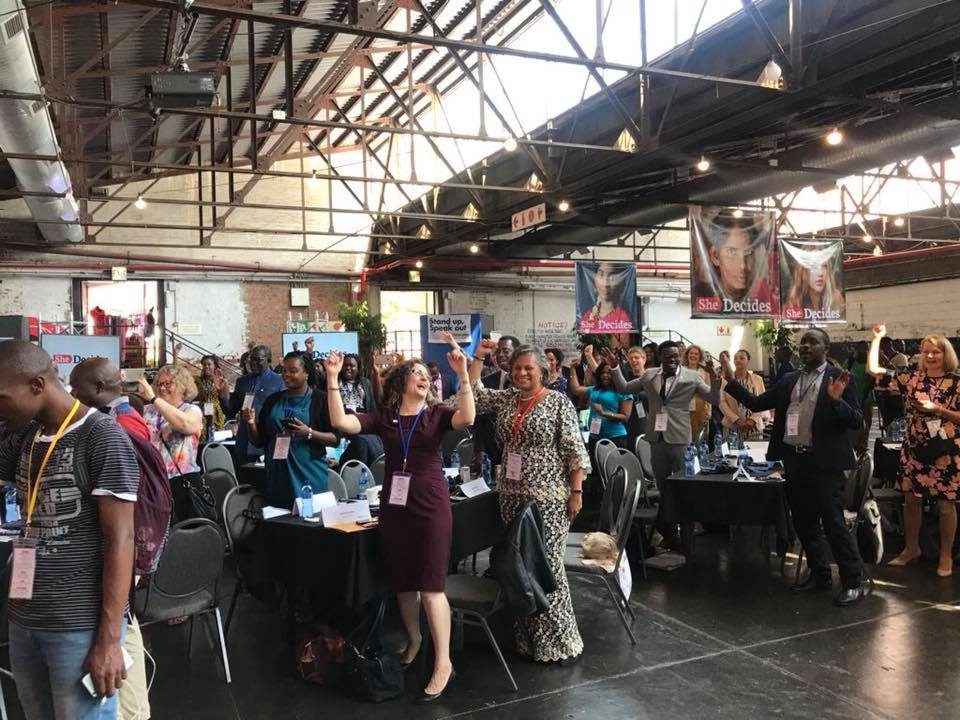
Every girl and every woman has the right to health and the right to do what she chooses with her body. These rights affect her personal development, her participation in society, her livelihood and whether her family and community thrives.
#SheDecides is a global movement to promote, provide, protect and enhance the fundamental rights of every girl and woman and ensure that every girl and every woman can safely exercise her right to decide for herself what she does with her body, who she shares her body with and whether she wants to have children.
In a #SheDecides conference held in South Africa on 2nd March 2018, our Grants Manager, Beatrice Boakye-Yiadom spoke on Unlocking the Resources to ensure that girls and women everywhere have access to the right information and a full range of services, so that they really can decide. This means finding and spending the money from governments, foundations, donors, individuals so that all women and girls have the services, information and education they need to decide.
For more information on how to support the movement click here
Women’s Human Rights: A Look at AWDF Grant Best Practices
Women’s Human Rights: A Look at AWDF Grant Best Practices
Within the strategic plan, AWDF prioritised issues under the WHR thematic area which included Violence against women: ending impunity, practical support to survivors of violence, Fundamentalisms: religious, cultural, political, economic, legal and social, Property rights: ownership, inheritance, access, control of assets and Citizenship. The grantee portfolio at the time included initiatives that addressed the following issues including: legal, policy development and reform, movement building using The Charter of Feminist Principles for African Feminists, awareness raising through campaigns, events, media outreach on issues listed above, research and documentation, practical support to women affected by the thematic issues,training and capacity building. The purpose of the evaluation
was to increase organisational learning by assessing AWDF and grantee partners. It was designed to understand AWDF and performance between 2009-2011. The evaluation used relevance, effectiveness, efficiency, impact and sustainability as an overarching framework. The analysis of the report was guided by the social change matrix, a tool utilised by the Global Fund for Women for internal reflection practices. It is our hope that the findings over that period of time will only continue to strengthen the work of AWDF as well as deeper understandings and practices in women’s human rights.