
Author: African Women's Development Fund
#FacesofTransformation: The Bear Foundation tackles Gender Based Violence
#FacesofTransformation: The Bear Foundation tackles Gender Based Violence
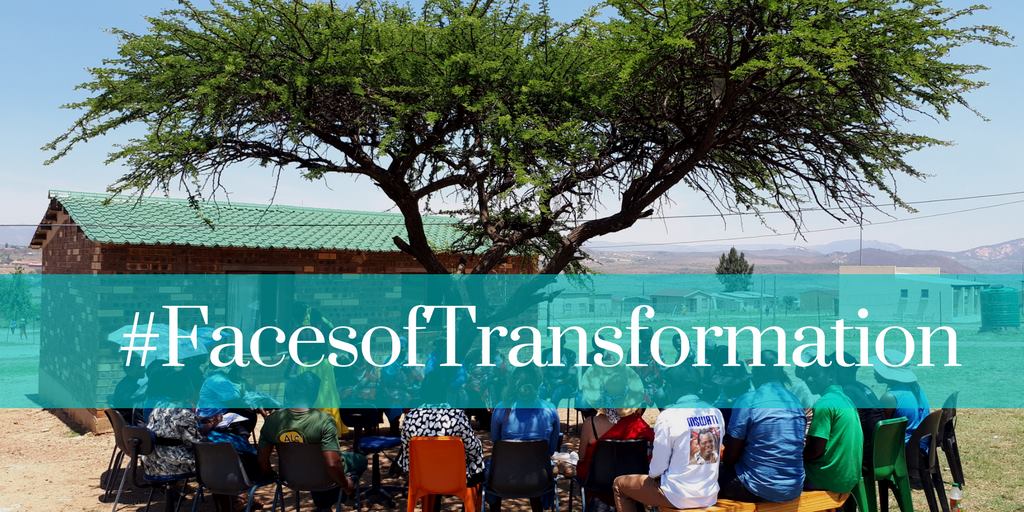
The Bear Foundation (TBF) was formed in 2011 to help survivors of violence build their confidence and realise their self-worth. It is an organisation born out of the personal struggle of the Executive Director of the Bear Foundation, Nomzamo Gcwensa, (TBF) who survived an emotionally and physically abusive relationship. She felt the need to help other women who were struggling to get back on their feet and regain their sense of self after they left their abusers and formed the organisation to combat gender-based violence. The organisation works mainly with school girls and young women both in and out of school.
TBF also works on building leadership skills in young women and girls with programmes and activities in the Diepsloot township in Gauteng Province, South Africa. Bear Foundation was awarded a grant by AWDF in 2016 as part of its 16 days of activism, a grant process that supports various women’s organisations fighting against Gender based violence. During the period, they organized a walk to raise awareness on gender-based violence in Diepsloot; they were also on the Diepsloot community radio and participated in the community dialogues that spoke to the issue of Gender based violence. The project therefore helped reinvigorate the discussions around eliminating Violence Against Women.
Their grassroots focus and determination to make change in young women’s lives is what makes The Bear Foundation one of our #FacesofTransformation.
Theo Sowa named among 100 most influential in global gender policy
Theo Sowa named among 100 most influential in global gender policy
In recognition of her contribution to shaping gender policy around the world, AWDF CEO Theo Sowa has been listed among the top 100 influencers of global policy.
Apolitical, a global platform for public servants and policymakers to stay informed about policy and the public service, announced its compilation of the 100 most influential people in gender policy around the world, citing Theo for her work in Philanthropy! This accolade recognises her incredible efforts, both at AWDF and in her own personal capacity, to make the world a better, kinder, and freer place for women.
For the full list of actors please click HERE
Women’s rights movements get a boost from Canadian Government
Women’s rights movements get a boost from Canadian Government
A new $300 Million dollar Equality Funding initiative launched by Canada on 24 May 2018, aims to be a self generating fund for women’s movements. This new approach presents the possibility of continuous flexible funding for women’s movements and is the result of sustained advocacy by feminists who pushed for resources for women’s organisations because they recognised the true value of their work.
This next phase of funding for women’s movements will require innovation and new approaches to old questions and will leverage the financial clout of government, private, investment and philanthropic sectors to reach women driving social change and peace efforts globally. The Match International Women’s Fund will play a key role in actualising the initiative to ensure its sustainability.
These are exciting times and we are thrilled for the future of women’s movements across the world!
#FacesofTransformation: TGNP Mtandao builds movements from the ground up.
#FacesofTransformation: TGNP Mtandao builds movements from the ground up.
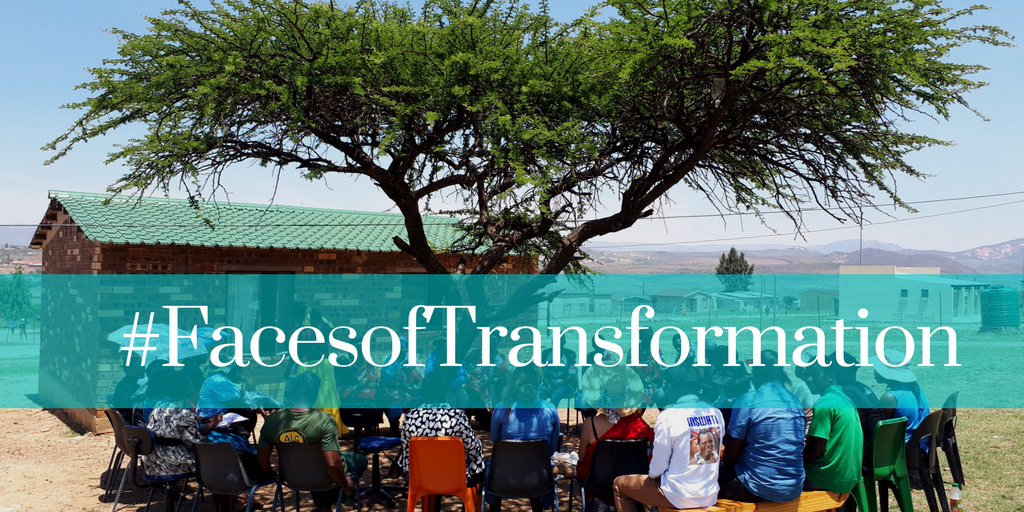
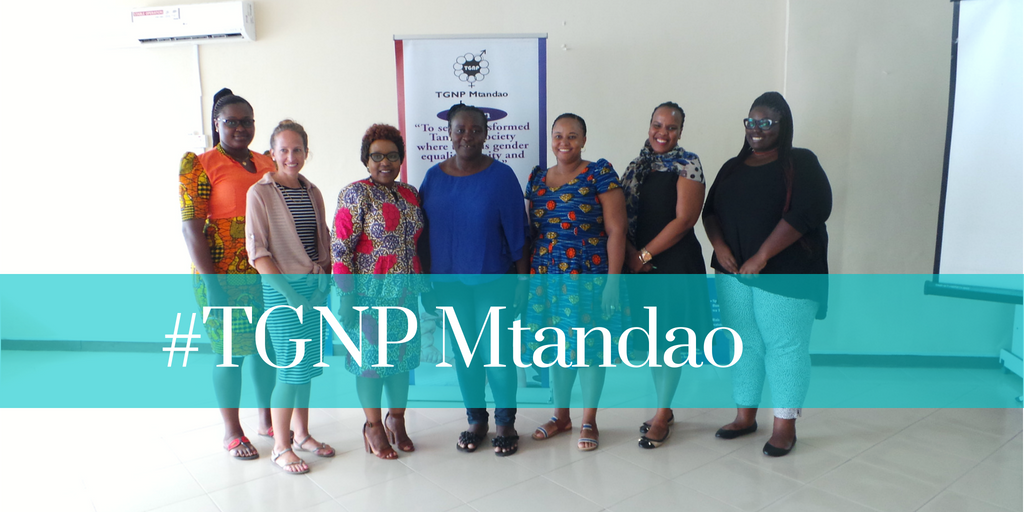
To achieve true gender parity and transformation requires changing not just the law, but the hearts and the minds of the people within that community. TGNP Mtandao works to transform and inform its stakeholders and Tanzanians at large about the rights of women, as well as engaging women to know and champion their own rights.
TGNP is a membership organisation based in Tanzania and is well-known within its field as a trailblazer in empowering women for the achievement of their rights. Their recent accreditation as well as their partnership with COADY Canada, where they help run some of its capacity building programmes puts it in a strong position within the women’s movement of Tanzania and the country as a whole. Their drive to share knowledge and resources throughout the country has resulted in the creation of a network of knowledge and research centres that serve as hubs that guide movement building activities all over Tanzania.
Their impressive reach throughout Tanzania means that when TGNP was awarded a grant to build the capacity of informal Women Cross Border Traders (WCBT) and duty bearers on gender mainstreaming in trade for women’s economic justice, they were well positioned and well equipped to achieve their goals. Their project focuses on strengthening women’s economic skills and empowering women’s cross border traders. They also work to advocate for gender friendly trade policies with key stakeholders on all levels of government.
TGNP’s innovation and research driven approach to their work is what makes them one of our #FacesofTransformation
LFS: Watch an Informational Video on our Grantmaking.
LFS: Watch an Informational Video on our Grantmaking.
[tp lang=”en” not_in=”fr”]
Based on feedback received and from frequently asked questions, we have jut released a video aimed at simplifying the grantmaking process for Leading from the South. This video gives valuable insight into LFS grantmaking including how to approach the application process and also shares a few lessons learnt from previous rounds of grantmaking.
Please follow this link: LFS: An Insight into our Grantmaking to view the video and also share with your networks for the benefit of others who may want to apply for a Leading from the South Grant.
[/tp]
[tp lang=”fr” not_in=”en”]
Nous avons publié une vidéo visant à simplifier le processus d’octroi de subvention. Ceci pour répondre à vos préoccupations relatives à notre initiative LE SUD AUX RÊNES DU LEADERSHIP (LFS).
Cette vidéo donne un aperçu général de l’octroi de subvention dans le cadre de l’initiative LFS, y compris comment aborder le processus de demande et partage également quelques leçons tirées des cycles de subventions précédents.
Cliquez sur ce lien Un aperçu de notre octroi de subvention pour regarder la vidéo et partager le avec vos réseaux et d’autres personnes qui désireraient postuler pour une subvention dans le cadre de cette initiative.
[/tp]
#FacesofTransformation: Earthlore Puts Ancient Knowledge into Practice to Restore the Environment
#FacesofTransformation: Earthlore Puts Ancient Knowledge into Practice to Restore the Environment
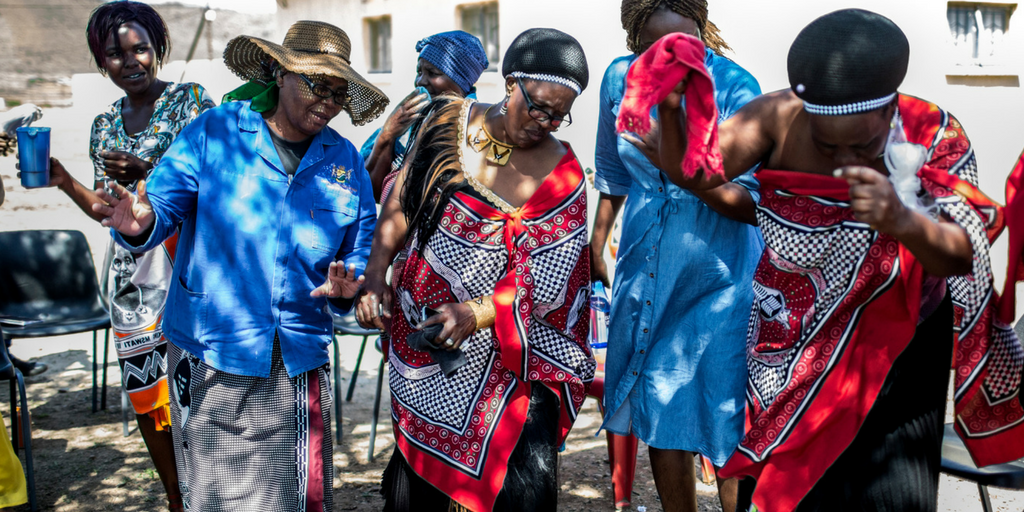
African women have always played an integral role in sustaining the planet’s biodiversity, conserving the environment around them, and EarthLore fits right into this mould. This is one of the women-led organisations that is rural-based, and that often forms the backbone of the community and the starting point of the agri-food value chain.
Earthlore’s work ensures that these women continue to play a central role in the continued life cycle of our planet.
Earthlore was provided a grant to improve the economic security of rural women in Mpumalanga, South Africa, and to promote conservation of the environment and biodiversity. The project included community dialogues, exchange meetings and workshops for rural women to revive and strengthen women’s leadership, traditional knowledge and governance systems. Earthlore also organized agro-ecology trainings and support visits to small-scale women farmers to revive traditional knowledge and indigenous seed and food systems. They undertook advocacy activities to protect community lands and sacred natural sites– as a way of continuing their legacy of honouring the land they live on. Earthlore’s unique respect of traditional methods provides them a unique advantage when it comes to conservation methodology and allows them to centre women and the earth in their work in spiritual and revolutionary ways.
Earthlore’s understanding of the environment and recall of traditional methods of farming make them a forward facing organisation that acknowledges, respects and carries the path with them. Their love for the environment, and the hope and methods they’ve instilled in their community make them one of our #FacesofTransformation.
#FacesofAdvocacy: Gender Links presses for Affirmative action to become a reality
#FacesofAdvocacy: Gender Links presses for Affirmative action to become a reality
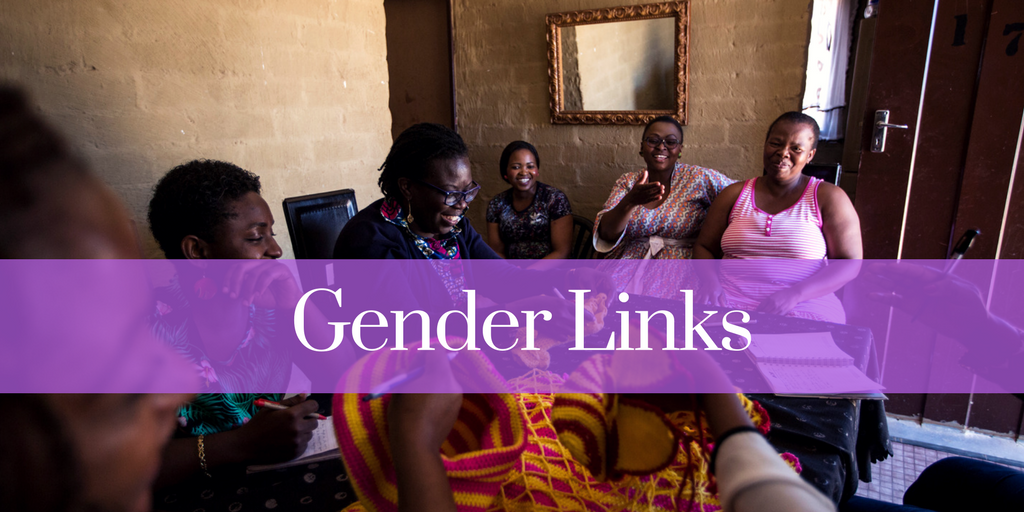
For change to be reflective of the people, government and those who contribute to it should be representative of its population. Gender links and their innate belief in this idea, continue to press for a more representative government by working to ensure the adoption of affirmative action in both local and national governance structures within Southern Africa. They continue to strategise, network and lobby partners to ensure that their vision becomes a reality.
Gender Links received a grant to enable them to advocate for the adoption of affirmative action in governance structures in seven Southern African countries while ensuring inclusivity for all categories of women with a special focus on young women and women living with disability.
Their project focuses on changing the internal leadership structures of political parties to accommodate women in leadership and also creating a more receptive environment for women at work. It further advocates for the implementation of policies and laws that have already been passed to ensure that women are autonomous and live their lives free of violence. The project is being implemented in Mauritius, Botswana, Mozambique, Lesotho, Zimbabwe, Swaziland and Zambia.
Though the project is a young one, they have already set up a web-based platform that provides the space for women activists to share resources on issues pertaining to gender as well as discuss new strategies, practices and networking. The web based platform includes a blog, discussion forum and other resources.
Their innovative approaches to advocacy as well as their impressive network and their efforts at growing their cache of knowledge, makes Gender links one of our #FacesofAdvocacy.
Call for Consultant: AWDF Communications Audit
Call for Consultant: AWDF Communications Audit
Over the past 16 years, AWDF has increased the scope of its work (grantmaking, capacity building, advocacy and fundraising) within its mandate. As the programmes and the income of the organisation grows, the communications function becomes ever more vital. Additionally, the role, methodologies and visions of communications in the human rights field has developed dramatically over the past ten years and AWDF wishes to move with that communications andtechnology growth, innovation and creativity. The projected growth of AWDF income in the next three years has been a trigger for a series of programme audits, of which communications is a key area. The communications audit should provide a clear, reasoned, analytical review and assessment of AWDF’s communications function and propose ways of building on areas of strength and minimising areas
of challenge. The audit should be the basis of moving AWDF further on the road towards having a state of the art communications function for a women’s rights fund.
AWDF is seeking an audit of the entire organisation’s communications as part of our institutional strengthening programme to accelerate our growth,
engagements and to attract new constituencies of funders and allies (in addition to current funders).
Find the entirety of the Terms of Reference below:
Ending plastic pollution: a step towards mitigating climate change effects
Ending plastic pollution: a step towards mitigating climate change effects
On 22nd April 2018, as the whole world celebrates Earth Day and contributes to eradicating climate change under the theme, “End Plastic Pollution”, our message is that women who experience the consequences of climate change are often leaders in developing effective coping strategies and building resilience. They have important insights to contribute to designing and implementing effective climate responses and should be fully included in decision-making on climate change at all levels. Plastic pollution not only affects the environment but it also affects women’s health by transferring toxins into our food. Therefore, we advocate for less production and use of plastic bags and more use of paper bags, which are health and environment friendly.
In sub-Saharan Africa, where populations depend largely on natural resources for their means of livelihood, the situation seems even worse. For women in particular, the threat of climate change to their socio-economic and environmental development is evident, especially among those in rural areas who are reliant on agriculture for their livelihoods and natural resources such as traditional biomass for cooking and heating. Furthermore, women often lack the capacity and resources to adequately respond to natural hazards and thereby mitigate their negative effects on their activities. For example, restrictions on women’s land ownership mean that many women do not have access to productive land to farm, while a lack of financial capital and access to technologies means they cannot easily diversify their livelihoods. The implication is that climate change worsens the pre-existing socio-economic pressures women are faced with. Existing social inequalities resulting from climate change are further exacerbated by women’s limited adaptive capacities as well as ascribed social and economic roles that eventually lead to unequal access to resources, decision-making processes and reduced access to information.
Attempts to deal with climate change have faced a number of challenges. These include rural women’s overdependence on natural resources due to insufficient access to alternative livelihood opportunities; a lack of reliable methodologies and approaches to measure climate change impact by gender at all levels; and the lack of access to financial and technology-based solutions for climate change adaptation and mitigation.
With the current climate change challenges confronting women, AWDF supports them to respond to these challenges by adapting and mitigating the impact of climate change through its grant making and technical support activities. AWDF also supports women’s rights organisations to intensify their advocacy work for policies that support the mitigation of climate change effects for most affected communities of women. Some of the organisations are specifically engaged in activities aimed at reducing plastic pollution. Examples include Women’s Leadership and Training Program (WLTP) in South Africa and SOS in Ethiopia, who have introduced very unique models of reducing plastic waste and at the same time create employment for women.
As part of AWDF’s mandate of achieving social justice for women as well as supporting them towards economic security, and the intent to deepen its support to women’s rights organisations working on environmental and climate change issues, AWDF recently embarked on a journey to access the Green Climate Fund (GCF). GCF is a new global fund created to support efforts made by developing countries to respond to climate change effects. Specifically, GCF provides grants to projects aimed at helping developing countries limit or reduce their greenhouse gas (GHG) emissions and adapt to climate change. It seeks to promote a paradigm shift to low-emission and climate-resilient development, taking into account the needs of nations that are particularly vulnerable to the impact of climate change.
For AWDF, this initiative is timely because the integration of gender considerations into key multilateral climate finance mechanisms like GCF are steps in the right direction, since gender considerations have yet to be effectively mainstreamed in some climate change programmes and activities, and national planning. Funding mechanisms like GCF are needed across scales to maximize the impact of climate financing and also to tackle deeply rooted structural inequities at a time when climate change affects women in ways that may not always be evident and this includes their health.
Shapeshifters: African Women Spearheading Change in the Environment
Shapeshifters: African Women Spearheading Change in the Environment
[tp lang=”en” not_in=”fr”]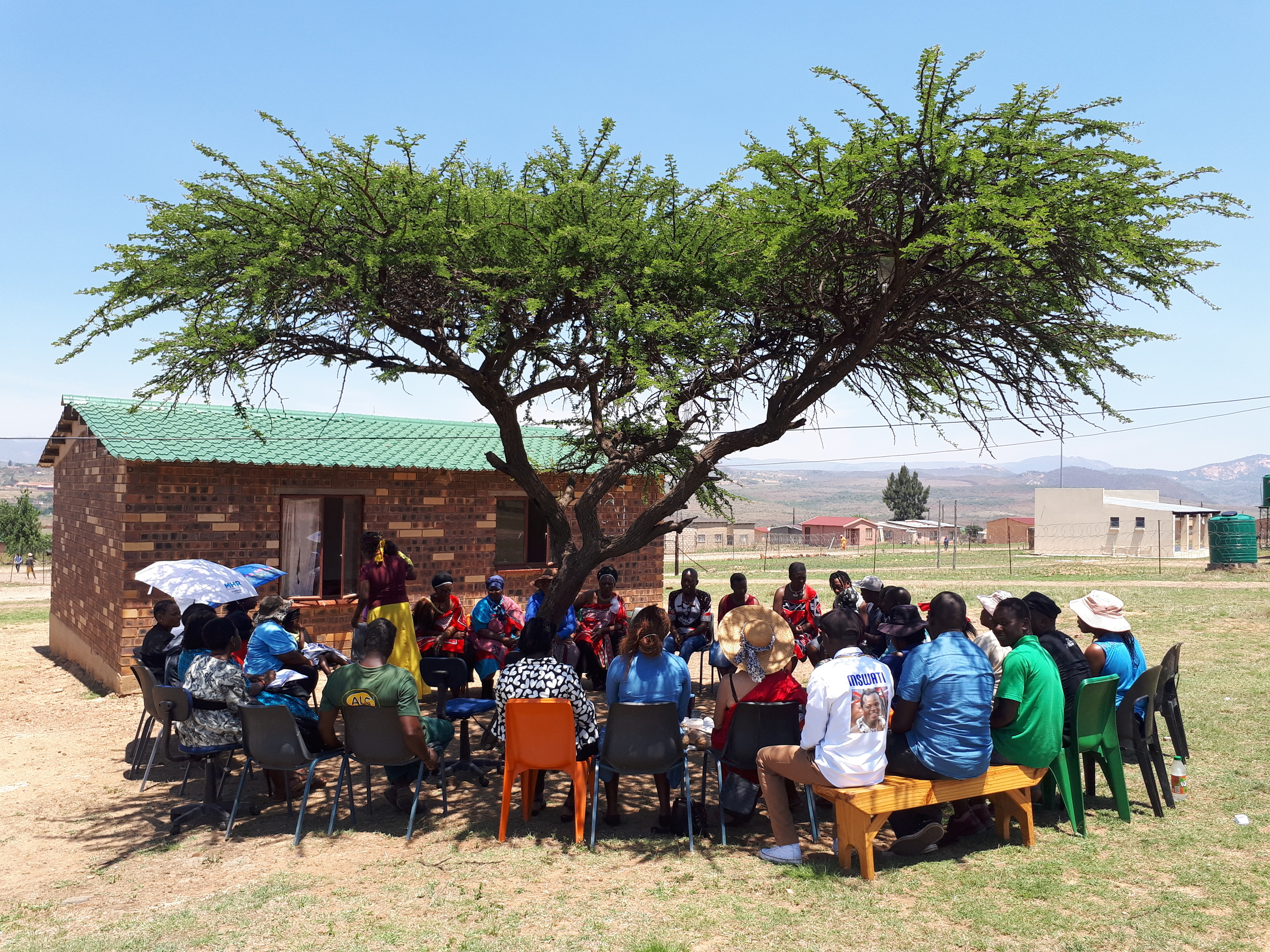
“We all share one planet and are one humanity; there is no escaping this reality.”
― Wangari Maathai
The planet is dying, and African women are some of the primary constituents affected by this fact. There is growing evidence that the continent faces major environmental challenges, threatening our access to food, clean water and general livelihood. As the late Feminist Environmentalist Wangari Maathai noted, we share one planet and must also share the burdens we place on it –as well as the solutions for fixing it. While not a stand-alone theme for AWDF, climate change continues to be a key priority area, and falls under the organisation’s Economic Security and Justice thematic area. At AWDF, we recognise the intersection of environmentalism and social justice to improve the present (and future) realities of African women. Over the last four (4) years, AWDF has supported six (6) organisations across four (4) different countries (Cameroon, Zambia, Ethiopia and South Africa) with over USD 130,000 in tackling climate change and its various effects on African women’s lives.
The six (6) organisations are:
- Community Agriculture and Environmental Protection Association (Cameroon)
- Dynamic Sisters Farming Group (Cameroon)
- Surplus People Project (SPP)
- Earth Lore Foundation (South Africa)
- Zambia Alliance of Women (ZAW) (Zambia)
- SOS Addis (Ethiopia)
Five of the six organizations were supported to implement projects that sought to create or improve women’s livelihood in agriculture with a central focus on food security and climate adaptation, with amounts ranging from USD10,000 – USD38,000. Through our grant opportunities, these organisations engaged in various activities to increase smart agricultural practices that could help improve the environment. CAEPA undertook sensitisation trainings for women on climate change issues and its effects on agricultural practices, including how to use improved seed for maize cultivation and organic fertilizers for bumper harvests. Earth Lore Foundation and the Surplus People Project both conducted trainings on organic manure production and agro ecology farming, while organisations like the Zambia Alliance of Women trained 300 female farmers on sustainable land governance and climate smart agriculture. SOS Addis – Ethiopia worked on waste management and helped women recycle plastic waste to re-usable items that were sold to generate income. The project trained 50 women in plastic art/re-using the plastic waste in handicraft and further conducted environmental lessons for 90 people selected from beneficiaries, local administration representatives and other stakeholders.
Results! Results! Results!
Through the support of AWDF, these organisations made significant interventions into agricultural practices across their countries which included the following:
- More women are now practicing “climate smart” agriculture by integrating the planting of tree species in their farming system to check soil erosion and conserve ground water to improve soil fertility;
- Farm productivity has increased without damaging the environment;
- Food security has been enhanced through the reviving of the traditional seeds and these women now own and control the seeds they cultivate;
- The women do not spend extra money to buy manure since they produce it themselves, and can control what goes into the crops they are producing.
Success Stories
We are cleaners with pride
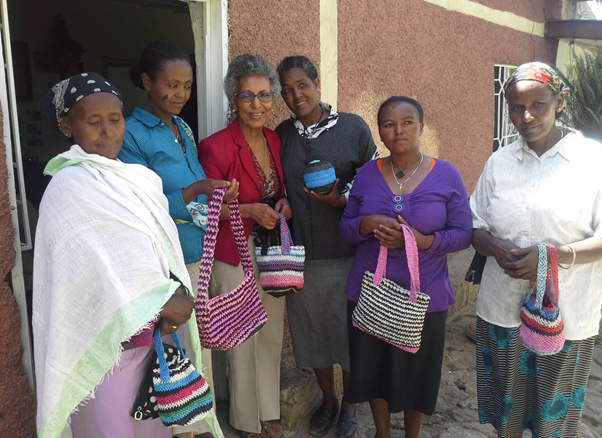
“I had little idea about the use of plastic bags apart from throwing them away until I joined SOS ADDIS. I can now make bags out of it. I have transferred this knowledge to my daughter who now assists me with the picking of the waste rubber. It costs us nothing to get these raw materials”, says a beneficiary of SOS Addis.
“We are cleaners, we clean all gutters and make sure it is not blocked by plastic waste. We collect waste plastics as well to protect animals from eating these and dying. We use waste plastics to generate money and it feels good. At times we go to far places to collect and even buy, because we know how useful it is” -group of beneficiaries of SOS.
Passionate about traditional farming
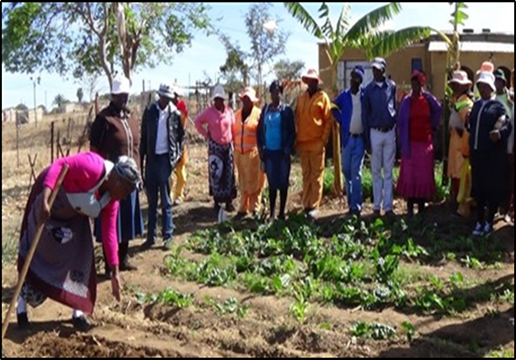
Make Halala, as she is affectionately known in Avontuur, Mpumalanga, is passionate about traditional farming. Poverty, unemployment, the loss of traditional seeds and foods are high in Avontuur, making life for women-headed families particularly difficult. So discovering a way to farm without buying seeds, fertilisers and pesticides has been very exciting and inspiring. A year ago, Make Halala started attending EarthLore’s community dialogues and the Ukulima agro-ecology trainings. No sooner is an idea introduced than it appears in the family garden – from intercropping with marigolds to stop cutworms eating their tomatoes, water harvesting using boxed ridges, making compost and liquid manure, to planting pulses with seeds from the Seed Fair in Zimbabwe. Make is a good teacher and is constantly encouraging neighbouring farmers to adopt these approaches as well.
Make Halala also enjoys feeding her family with the nourishing traditional foods and vegetables growing in their garden. “I am very happy to be reviving our tradition and practices. You need to have a connection with nature and take care of nature because then it gives you healthy food that is good for your body.” In the past, Make Halala and other Avontuur farmers would go to town to buy food, but now they only go to purchase the few groceries that they cannot make at home. What makes Make Halala happiest of all is when she is planting traditional seeds that have been shared with her so that she can propagate them to also share with other farmers to ensure the revival of lost traditional crops. Visitors to Make Halala’s field in December were excited to recognise Umngomeni, a traditional crop that had been completely lost in Avontuur. She is also very happy to share the knowledge with the rest of the community about the importance of reviving their traditional culture.
AWDF continues to be proud of our grantees for their future-oriented strategies to improve women’s lives. To our grantees, we say: well done Sisters! Let’s continue #ShapingAfricasFuture.
[/tp]
[tp lang=”fr” not_in=”en”]
« Nous partageons une seule planète et nous constituons une seule humanité ; c’est une réalité que nous ne pourrons jamais denier »
Wangari Maathai
La planète se dépérit et les femmes africaines sont les premières à être touchées. Plusieurs preuves existent montrant que le continent souffre de défis environnementaux menaçant ainsi notre accès à l’alimentation, à l’eau potable, et aux moyens de subsistance. Comme l’a noté la feue écologiste féministe, nous partageons une seule planète et nous devons donc partager les charges que nous lui imposons, ainsi que les solutions pour y remédier. Bien que le changement climatique ne constitue pas un thème indépendant pour l’AWDF, il continue d’être une priorité essentielle et est par conséquent inclus dans l’un de ses domaines thématiques notamment la Sécurité Economique et la Justice. A l’AWDF, nous reconnaissons l’intersection de l’environnementalisme et la justice sociale pour améliorer les conditions actuelles (et futures) des femmes africaines. Au cours des quatre (4) dernières années, AWDF a soutenu six (6) organisations dans quatre (4) pays. (Cameroun, Zambie, Éthiopie et Afrique du Sud) avec plus de 130.000 USD pour lutter contre le changement climatique et ses effets sur la vie des femmes africaines. Les six organisations sont les suivantes :
- Community Agriculture and Environmental Protection Association (Cameroun)
- Dynamic Sisters Farming Group (Cameroun)
- Surplus People Project (SPP)
- Earth Lore Foundation (Afrique du Sud)
- Zambia Alliance of Women (ZAW) (Zambie)
- SOS Addis (Ethiopie)
Cinq de ces six organisations ont reçu un soutien financier de 10.000 USD à 38.000 USD pour mettre en œuvre des projets visant à créer ou à améliorer les moyens de subsistance des femmes agricultrices avec un accent particulier sur la sécurité alimentaire et l’adaptation au climat. Grâce à notre subvention, ces organisations ont organisé diverses activités visant à accroitre les bonnes pratiques agricoles qui pourraient contribuer à l’amélioration de l’environnement. CAEPA a sensibilisé les femmes sur les questions liées au changement climatique et ses effets sur les pratiques agricoles y compris l’utilisation des semences améliorées pour la culture du maïs et des engrais organiques pour une bonne récolte. Earth Lore Foundation et Surplus People Project ont organisé des formations sur la production de l’engrais organique et l’agriculture agro-écologique tandis que Zambia Alliance of Women a formé 300 agricultrices sur la gouvernance durable des terres et l’agriculture intelligente face au climat. SOS Addis –Ethiopie a sensibilisé les femmes sur la gestion des déchets et les a aidé à recycler les déchets plastiques en produits réutilisables qui ont été vendus pour générer des revenus. Le projet a formé 50 femmes sur comment réutiliser les déchets plastiques dans l’artisanat. Elle a également dispensé des cours sur l’environnement à 90 personnes sélectionnées parmi les bénéficiaires, les représentants des administrations locales et d’autres parties prenantes.
Résultats
Grâce au soutien de l’AWDF, ces organisations ont contribué massivement à l’application des bonnes pratiques agricoles dans leurs pays. Certaines de ses contributions sont les suivantes:
- Augmentation du nombre de femmes qui pratiquent maintenant l’agriculture intelligente face au climat dans leur famille en plantant des arbres dans leurs champs pour contrôler l’érosion du sol et conserver les eaux souterraines pour l’amélioration de la fertilité du sol.
- Augmentation de la productivité agricole sans nuire à l’environnement
- Amélioration de la sécurité alimentaire par l’usage des semences traditionnelles.
- Augmentation du nombre de femmes qui ne dépensent plus d’argent pour acheter du fumier puisqu’elles les produisent elles-mêmes et donc arrivent à contrôler leur culture.
Quelques témoignages
“Nous sommes des agents d’entretien et nous en sommes fières. ”
« Avant de rejoindre SOS ADDIS, je n’avais aucune idée de l’utilisation des déchets plastiques si ce n’est pas celle de les jeter. Maintenant, je peux en faire des sacs. J’ai formé aussi ma fille et elle m’aide maintenant à collecter ces déchets plastiques qui ne nous coûtent rien du tout ». Bénéficiaire SOS ADDIS
Nous sommes des agents d’entretien, nous nettoyons tous les caniveaux pour éviter leur blocage par des déchets plastiques et ainsi empêcher que les animaux ne les mangent et n’en meurent. Avec les déchets plastiques, nous arrivons à générer de revenus et nous en sommes fières. Parfois nous parcourons une longue distance pour les collecter et même les acheter car nous savons à quel point cela nous est utile ». Groupe de bénéficiaires SOS.
Passionnée par l’agriculture traditionnelle
Make Halala, comme elle est affectueusement appelée à Avontuur, Mpumalanga, est passionnée par l’agriculture traditionnelle. La pauvreté, le chômage, la perte des semences traditionnelles et d’aliments sont élevés à Avontuur, ce qui rend ainsi la vie difficile pour les femmes chefs de familles. La découverte donc d’un moyen de cultiver sans avoir à acheter des semences, des engrais et des pesticides a été très intéressante et inspirante. Il y a un an, Make Halala a commencé à participer aux dialogues communautaires de EarthLore et aux formations en agro-écologie de Ukulima.
Elle a appliqué les connaissances reçues de la formation dans son jardin en pratiquant une culture intercalaire avec des fleurs qui empêchaient les vers-gris de détruire les tomates ; en récupérant de l’eau avec des buttes de terres, en fabriquant du compost et des engrais liquides; et en plantant des graines reçues de la Foire des semences en Zimbabwe. Elle est une bonne éducatrice et encourage les agricultrices dans sa communauté à utiliser ces approches.
Make Halala nourrit sa famille avec des repas traditionnels et des légumes cultivés dans son jardin. « Je suis très contente d’avoir relancé notre tradition et pratiques. Nous devons avoir un lien avec la nature et en prendre soin parce qu’elle nous donne des aliments sains qui sont bon pour notre santé. » Make Halala ainsi que d’autres agricultrices de Avontuur avaient l’habitude d’aller en ville pour acheter des repas mais maintenant, elles y vont pour acheter seulement quelques provisions qu’elles ne peuvent pas produire chez elles. La plus grande joie de Make Halala c’est de planter des semences traditionnelles qui lui ont été données et de les partager avec d’autres agricultrices pour assurer la renaissance des traditions perdues. Les personnes qui ont visité le champ de Halala en décembre étaient ravies d’avoir accès à Umngomeni, une culture traditionnelle complètement abandonnée à Avontuur. Elle est également très heureuse de partager ses connaissances avec le reste de la communauté sur l’importance de faire revivre leur culture traditionnelle.
AWDF est toujours fière de ses bénéficiaires à cause de leurs stratégies orientées vers l’avenir et focalisées sur l’amélioration de la vie des femmes. A nos bénéficiaires, nous disons, Bravo nos sœurs ! Continuons de façonner l’avenir de l’Afrique.
[/tp]