
Category: News
African women: The Architects of our Economic Futures.
African women: The Architects of our Economic Futures.
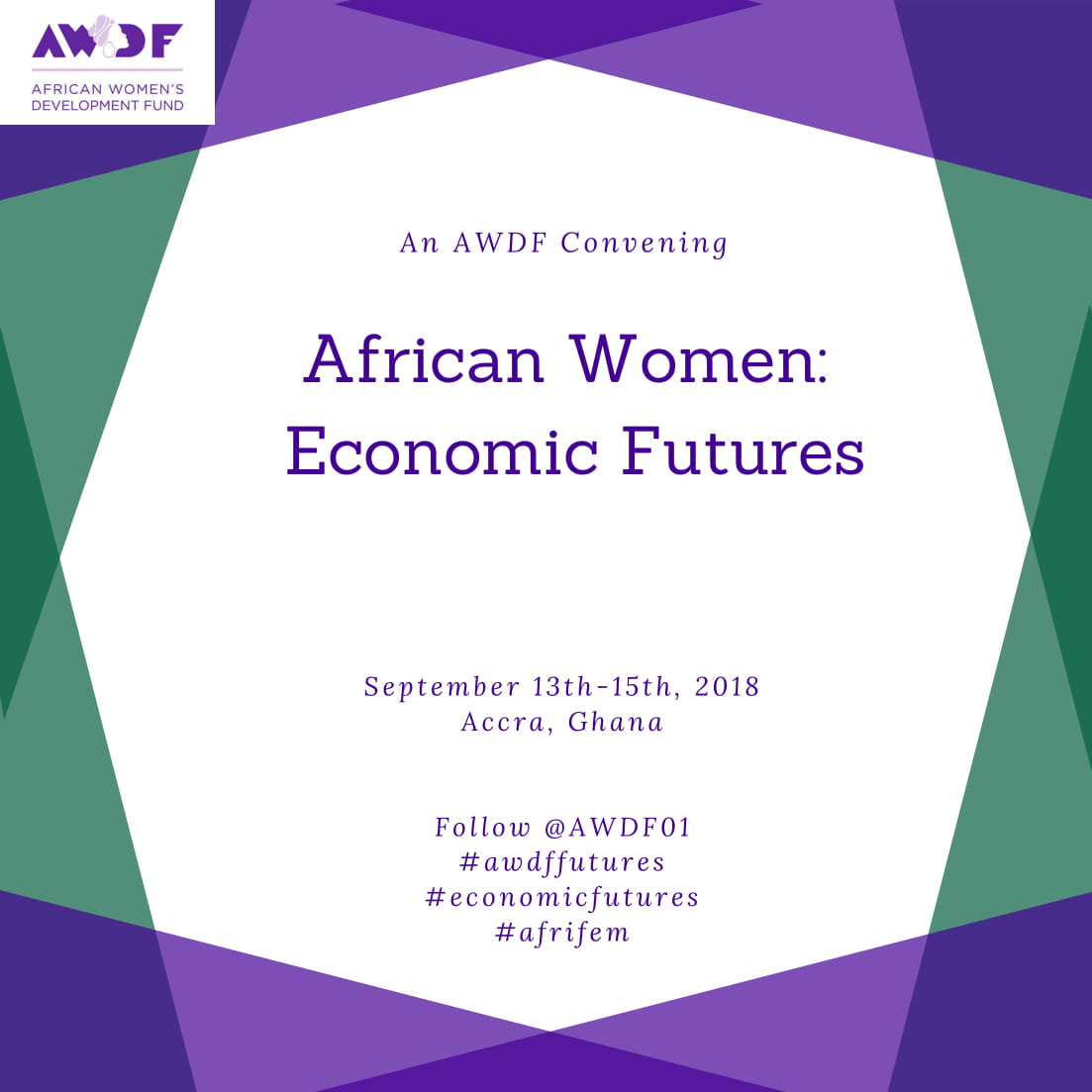
On September 13-15 2018, AWDF will convene a select group of activists, scholars, researchers and policy shapers to help build and think through a thoughtful, progressive and transformative vision for the future of women in African economies. The African Women’s Development Fund knows the potential of the power that women wield in our shared economic future and seeks to harness to shape this future.
At the “African Women: Economic Futures” convening we will examine what needs to be done to see that potential grow into tangible results. Participants will also investigate feminist interventions within the economy and how we can further support progressive changes that help ensure that the possibilities of our economic future becomes a reality.
The convening will be part of a larger movement-building process and ongoing conversation and activism around African women’s economic transformation. Some of the questions that will anchor the conversations and creative construction are:
- What is already being done to build just and secure economic presents and futures?
- How are African women actively, politically and intentionally creating subversive work/labour practices, and what can we learn from these?
- What economic models exist that can be engaged in thinking about where to go?
To participate in the conversation please follow the hashtag #AWDFfutures, #Econfutures, #Afrifem as well as our twitter handle @awdf01, where we will be unpacking these topics, and tweeting key thoughts and ideas from the convening. Also look out for future knowledge products that will come out of the amazing work that our participants will be doing over the 3-day period!
Please click here to read the full Futures Report.
Remembering our Sister Stella Mukasa
Remembering our Sister Stella Mukasa
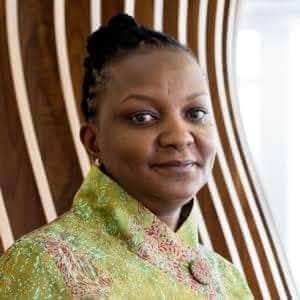
A feminist, a passionate champion and advocate for the rights of women, Stella Mukasa was an exemplary human being. Her belief in equality spurred her to challenge patriarchal institutions on all levels of society and governance, and her feminist ethos guided her life and cultivated strong sisterhoods in a wide range of diverse personal and professional spaces. We at the African Women’s Development Fund have been privileged to know her as a friend, a sister and a colleague. She was one of a small handful of stalwarts who supported and shaped the early work of AWDF in various capacities as a key resource person. She was a leading light of the African Feminist Forum and the Ugandan Feminist Forum. We mourn her passing, yet are grateful and honoured to have known and worked with her.
Her years of work in governance, law, and gender and development allowed her to cultivate influence and change in spaces that were traditionally hard to reach. She used her work and her experience in the sector to promote transformation in every space she was found in, carving a niche for herself as a faculty member of the African Women’s Leadership Institute.
Stella, your loss is one we feel keenly. Rest well, sister. We will honour you with our work, and will carry the memory of your dignity and your determined fire with us.
To read about Stella in her own words, in the publication ‘Voice, Power and Soul’: Click here
AWDF Communications Audit: Help Us Become Better Versions of Ourselves
AWDF Communications Audit: Help Us Become Better Versions of Ourselves
[tp lang=”en” not_in=”fr”]

The African Women’s Development Fund is currently undertaking a Communications Audit to assess the reach and impact of our communications, and explore ways of better serving our existing audiences while attracting new constituencies.
Part of this exercise includes a survey to assess our communications strengths and weaknesses, as identified by stakeholders, plus their input as to how we could better meet expectations in respect of our communications.
We recently sent out a survey to our partners, grantees and stakeholders, which includes you. Your views and ideas are important to us, and we would be grateful if you would be a part of this process. Please take a few minutes to fill out the survey if you haven’t done so already (link below).
This process is being lead by frayintermedia, who will analyse and pull together a report on the entire process. Your responses to the survey, will be kept confidential unless you give permission to quote them in the report.
Help us become better versions of ourselves.
To participate, please click here.
[/tp]
[tp lang=”fr” not_in=”en”]Le Fonds Africain pour le Développement de la Femme (AWDF) procède actuellement à un audit des communications de l’ensemble de l’organisation dans le cadre d’un programme de renforcement institutionnel visant à accélérer la croissance de l’organisation et à attirer de nouveaux groupes de donateurs et alliés.
Une partie de ce processus comprend une enquête auprès des parties prenantes pour évaluer les forces et les faiblesses que les parties prenantes identifient en termes de communications de l’AWDF.
Tout récemment nous avons envoyé un questionnaire à nos partenaires, bénéficiaires, et parties prenantes. Votre participation à cet exercice sera grandement appréciée. Au cas où vous n’avez pas encore rempli notre questionnaire, cliquez sur le lien ci-dessous.
Cet exercice est géré par Frayintermedia, qui analysera les données et rédigera un rapport sur l’ensemble du processus. Vos réponses resteront anonymes, à moins que vous ne leur donniez l’autorisation de figurer dans un rapport sur les résultats de l’enquête.
Aidez-nous à devenir les meilleurs.
Cliquez ici pour participer[/tp]
Hawa Yakubu’s Legacy lives on: A conversation with Linda
Hawa Yakubu’s Legacy lives on: A conversation with Linda
In 2010, as a part of its efforts to immortalise the works and achievements of African Women whose legacies of community development were not always documented,
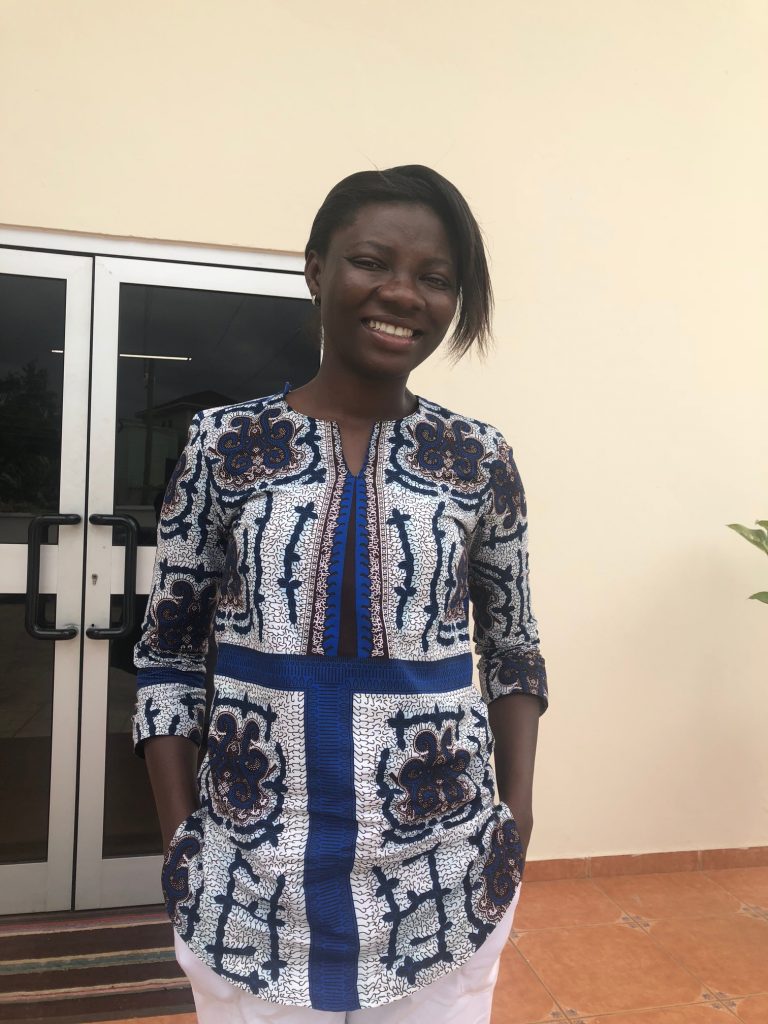
AWDF instituted a fund in memory of Hawa Yakubu, a Ghanaian politician, a Member of Parliament in the Fourth Republic of Ghana and also a Minister for Tourism. Hawa Yakubu’s legacy is one of selflessness, dedication to the development of her community and the development of young women. As such the Hawa Yakubu fund benefited young women between 18-30, in tertiary institutions in the three Northern regions of Ghana.
We caught up with one of the young women, Linda Lariba Atibilla who was selected as a Hawa Yakubu award winner in 2011 and she spoke to us about her journey and her own start up initiative that was born out of the seed funding that she received as part of her award.
How did you get involved in the Hawa Yakubu Grants process and what was it like for you?
The Hawa Yakubu grantees were selected through an essay competition in 2011. We were awarded $5000 each, half went towards paying for our education with the other half going into a women focused initiative. When I had to choose the initiative I wanted to create, I already had a fair idea of the community that I wanted to work with. I come from a rural community in the Boko West District, called Benaba and female migration is a tragic part of life there. Girls disappear often, only to reappear working in cocoa farms or on the streets of Accra and Kumasi. Through the Hawa Yakubu fund I was able to engage 15 young women who had been victims of forced migration and create Hope Givers Company Limited to begin working in shea butter production. Over the years the organisation has really grown.
In the beginning I would have to invest 70% of my personal salary in the organisation but now with the organisation’s growth, I’ve had to resign and start working in it full time. We now have a factory and a website (thanks to some students from Manchester University) and today the organisation creates market access for over 615 rural women agricultural producers.
We’re currently exploring producing value added products- as we’ve realised how little access women shea farmers have to a larger market. Often times as the value chain moves up there are fewer women present, and we want to create more space within the market for the producers of shea. We are also exploring using other natural resources such as moringa, baobab and neem. There are times when I’ll be able to connect with other women producing baobab or neem products and take them to trade fairs, and help them gain access to a ready market for their products as well. The organisation is currently working on getting more machinery for our factory to allow for more mechanised production.
This has been a real learning journey for me especially when it comes to market production. The other young women who received the grant have acted as a good network for me, continually sharing knowledge and opportunities with me.
Putting Women In the Driver’s seat of their own lives: Meet NEWIG’s female drivers
Putting Women In the Driver’s seat of their own lives: Meet NEWIG’s female drivers
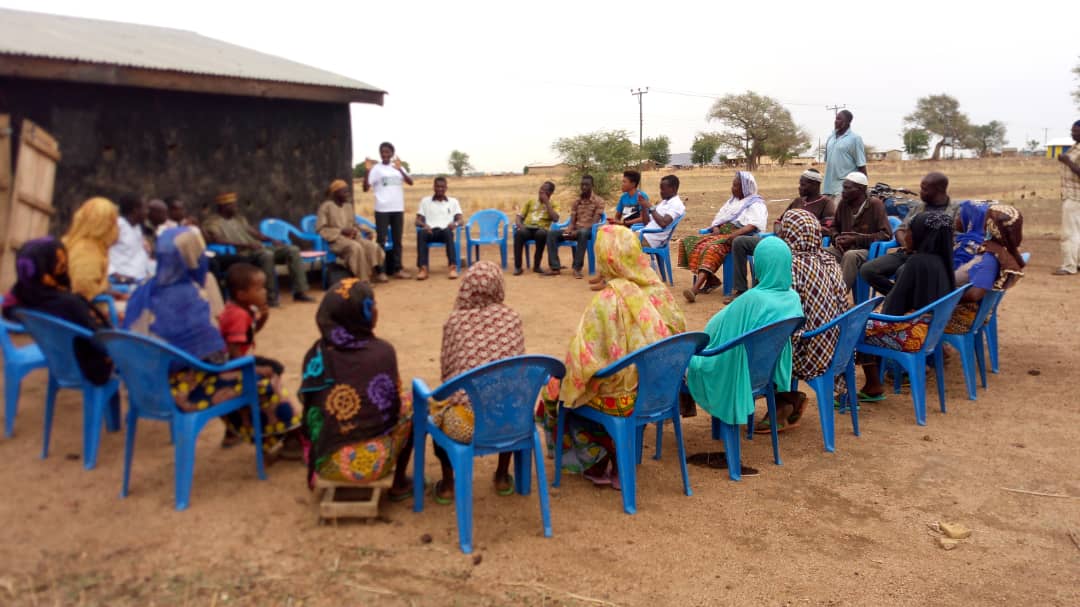
Network of Women in Growth (NEWIG) was formed with the goal of improving the conditions of the less privileged in society, especially women. It does this through economic empowerment, by creating access to vocational training and providing them with a network that could act as political leverage within society. This helps them develop common political agendas and action strategies, re-group and engage in critical analysis of their lives, society and the world at large.
In 2017 NEWIG, with the support of the African Women’s Development fund, launched a new program: “Young Women-in-Professional Driving”. It’s main objective was to empower disadvantaged young women to become professional drivers and enable them to gain remunerative ‘livelihoods with dignity’.
The programme comprised three modules, spread over 4 months. Upon graduation, these young women become professional and commercial chauffeurs and are deployed in various organisations. The programme also enhances their rights awareness and also to helps them become independent and confident women, who are able to have more autonomy over their lives and their choices.
Other institutions provide technical skills as part of the training. These include the Ghana Armed Forces Mechanical Transport School (for theory and practical driving training), Army Combat School (for self-defence training), 37 Military Hospital (for first aid training) and Armed Forces Fire Serv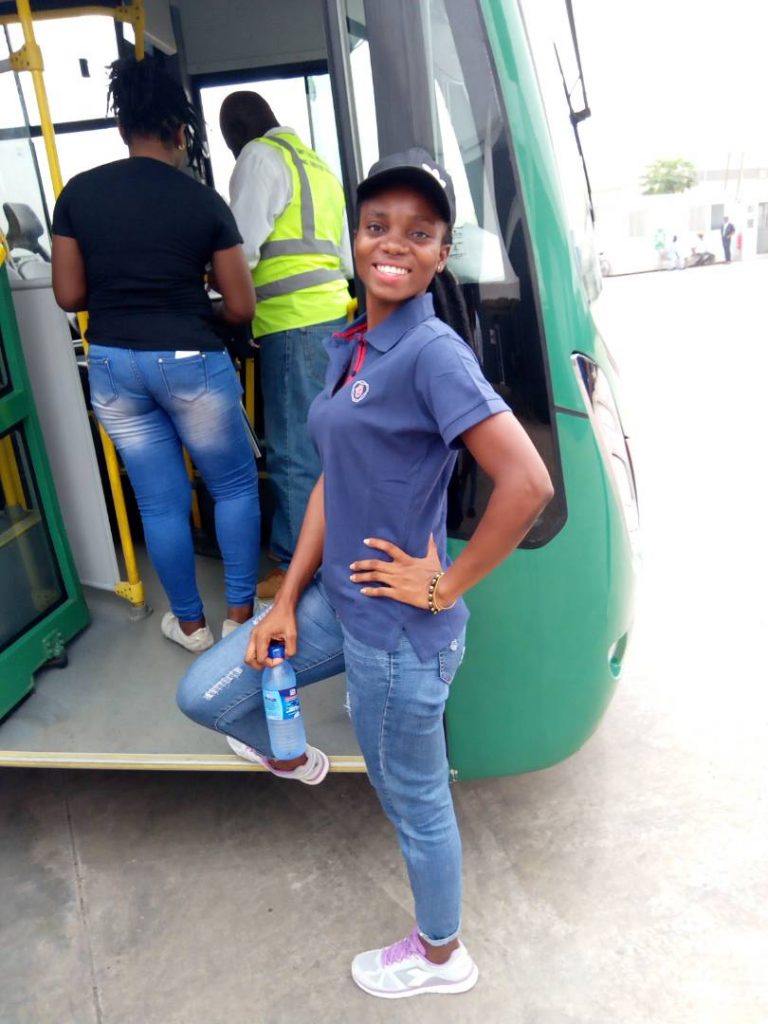 ice Department (for fire prevention/fighting training).
We caught up with one of the beneficiaries of the program, MARY AGBOLI, to talk about her experiences and what she gained from being involved in the programme.
Describe the programme to us:
The NEWIG programme was organised to train women to occupy vacant spaces in male dominated occupations. Since most occupations have been male dominated Mrs Mawusi (founder of NEWIG) took it upon herself to train women to occupy those positions. The programme really benefited me, as at that time I was an untrained teacher and I didn’t know I could go higher from there. I have something, a skill and a certificate that I can boast of one day.
What was the training like?
The training wasn’t easy at all. We were trained by soldiers during the bootcamp section of the training and had to do personal training and classes all at the same time. It was really hectic but I had a lot of experiences. When I finished a lot of people asked me why I chose to drive, being a woman . I told them that it was what I wanted to do, and I gave my best to the programme.
A lot of men they are surprised at the field that I’m in. People are surprised that I’m a commercial bus driver and always say “how come? You are tiny– what do you use to drive?”. I found these comments discouraging, but I persevered and I took all of their surprise and criticism as fuel to complete the programme. I’m currently waiting for my license to be issued, and then I’ll commence work as a fully licensed bus driver for the rapid transport bus system **(Ayalolo)!
How did the programme benefit you?
The Newig program positively affected my life. It was through this program that I managed to be trained as a bus driver, which is a very good opportunity that I had access to. It’s not easy, but despite the criticism it’s what I want to do and what I’m now licensed to do.
Funding Feminist Futures
Funding Feminist Futures
[tp lang=”en” not_in=”fr”]
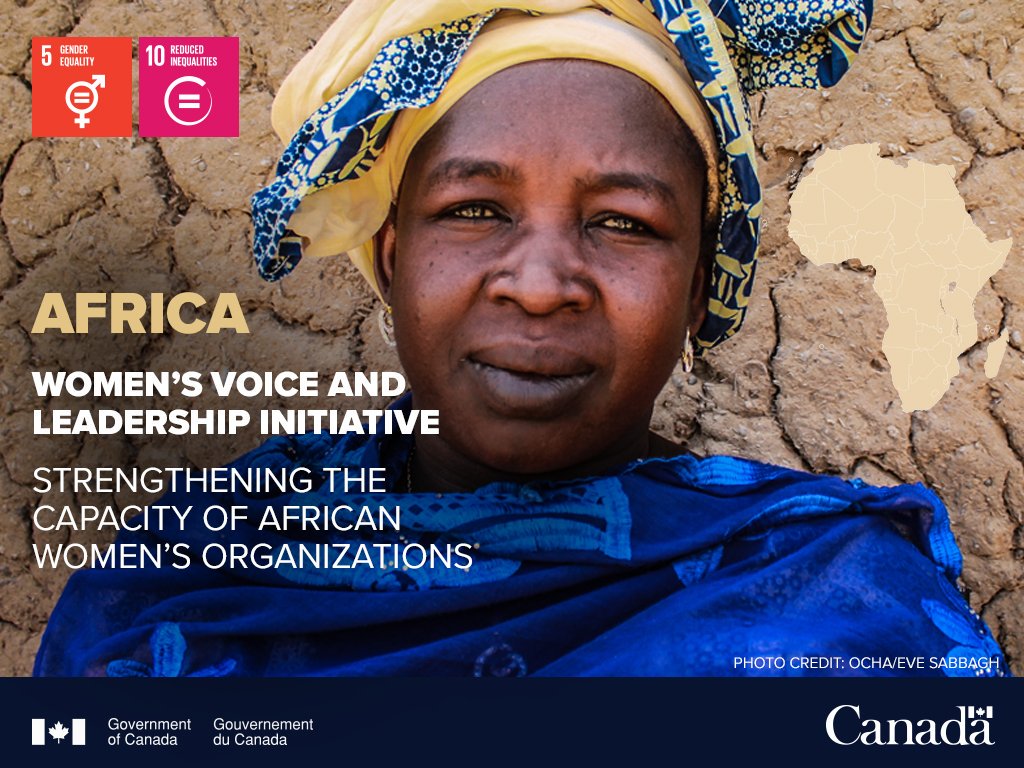
Women’s rights and feminist movements in Africa received a boost this week. On a visit to Sierra Leone, the Canadian Minister of International Development, Marie-Claude Bibeau, announced a $7 million (CAD) partnership with the African Women’s Development Fund, as part of the Canadian government’s recently announced $150 million ‘Women’s Voice and Leadership’ initiative.
At a meeting in Freetown on 14 August 2018, with women’s rights and peace and security civil society organisations, Minister Bibeau stated that in Canada’s Feminist International Assistance Policy, ‘women are not seen as victims but as survivors and agents of change’. As such, AWDF is excited to be a part of the Voice and Leadership initiative, with an initial focus on transnational and regional activity.
Spanning five years, this project will allow AWDF and African women’s rights organisations to further strengthen their impact on the achievement of women’s rights and social justice through greater support, profile and networking of African women’s voices, participation and leadership. This initiative will join with other AWDF work, supporting African women’s rights organisations and movements through grantmaking, technical assistance, advocacy and knowledge generation.
Watch for further information about this initiative in the near future.[/tp]
[tp lang=”fr” not_in=”en”]
Dans le cadre de la récente annonce du gouvernement canadien de consacrer 150 millions de dollars à sa nouvelle initiative sur « la voix et le leadership des femmes », l’honorable Marie-Claude Bibeau, ministre du Développement international, en visite en Sierra Leone a annoncé un financement de 7 millions de dollars en faveur du Fonds Africain pour le Développement de la Femme (AWDF). Cette annonce vient booster les efforts des organisations de défense des droits des femmes et des mouvements féministes en Afrique.
Le 14 août 2018, lors d’une rencontre avec les représentants des organisations de femmes, de la société civile, et celles œuvrant pour la paix et la sécurité en Sierra Leone, Freetown, la ministre Bibeau a déclaré que dans la Politique d’Aide Internationale Féministe du Canada «les femmes ne sont pas considérées comme des victimes mais comme des survivantes et des agents du changement». AWDF est donc ravi de contribuer à la mise en œuvre du projet Voix et Leadership, tout en se focalisant sur les activités transnationales et régionales.
Couvrant une période de cinq ans, ce projet permettra à l’AWDF ainsi qu’aux organisations de défense des droits des femmes de renforcer leur impact pour le respect des droits des femmes et l’atteinte de la justice sociale à travers le soutien, le réseautage et l’amplification des voix, de la participation et du leadership des femmes africaines. Ce projet s’ajoutera aux autres projets de l’AWDF consacrés à soutenir les organisations de défense des droits des femmes et des mouvements féministes par l’octroi des subventions, le renforcement des capacités, le plaidoyer et la gestion des connaissances.
Consultez souvent notre site web pour de plus amples informations sur cette initiative.[/tp]
Decolonise The Internet: Solidarity Is More than Just A Buzzword.
Decolonise The Internet: Solidarity Is More than Just A Buzzword.

The fast pace of technology has often made it synonymous with the concept of progress. New Technological developments often came with the presumption of neutrality. They were widely thought of not to have the the weaknesses of human prejudice, just simple–clean–algorithms. Technology could be–at least conceptually–blissfully neutral. However in its implementation it became clear that technological developments often mirrored the people doing the developing and left out, inadvertently or not, those who lacked the privilege often needed to gain the skills necessary to claim digital real estate. The Decolonising the Internet conference, held in Cape Town, wanted to re-imagine an internet where the real estate was owned by all. An internet where everyone had a voice, an opinion and a story.
Decolonising the Internet was a conference organised by Whose Knowledge? as a precursor to WIKIMANIA 2018, the Wikimedia Foundation’s annual conference. Each WIKIMANIA brings together volunteers and free knowledge leaders to celebrate all the various free knowledge projects hosted by the Wikimedia Foundation. This year’s theme– “Bridging knowledge gaps: the Ubuntu way forward,” focused on the spaces and moments that Wikipedia and all of the other free knowledge products of the Wikimedia foundation, had missed. As an organisation that already does the work of reconstructing the internet so that more of it’s users are included within it’s landscape, Whose Knowledge?’s two day, Decolonizing the Internet pre-conference provided a lens by which to interpret and untangle the WIKIMANIA conference. They created a space where participants could participate in this reconstruction and re-imagining of an internet which would truly belong to everyone.
The first day focused on imagining. What would it truly mean to rethink the internet–and how could all of the different voices in the room find a space in this collective re-imagining? What did it mean to be in a room full of people doing interesting and often times revolutionary work in spaces that the western world normally wouldn’t consider in its construction of the digital landscape? What would this reclaiming of space look like? The answers to these questions had a wide range, from new ways of archiving information and new knowledge systems to rethinking the concepts of labeling that are prevalent within library systems and how even those categorisations can be limiting and exclusionary. The first day served as a way of getting participants to both conceptualise the internet and free knowledge spaces they want to see, and start the difficult work of imagining themselves within those landscapes.

Over the next few days of WIKIMANIA itself, it became clear how important the space offered by Decolonising the Internet was. It allowed people working in different ways to link hands in a space where knowledge was de-centralised. This meant that for those who had been in the bean bag filled break away rooms there was a lens, an action plan and a reason to engage, beyond a passion for free knowledge. It allowed inputs to be important and poignant, and though the overall achievements of that space are hard to map now– the connections between people doing incredible work, who were pushing for more space for marginalised knowledge were powerful, tangible things.
Whose Knowledge called into question the rethinking of the cannon. An internet for all would mean rethinking concepts, categories, what is considered a source and who is considered an authority. Although Wikipedia questions these tenets by its simple existence– it was clear from both the conversations and the theme for this years WIKIMANIA that this question, this probing, this revolution is incomplete. Whose Knowledge took that theme and that questioning further, and provided a space of liberation. One were we could deconstruct and reconstruct.
Whose Knowledge provided not only space to question and imagine– but also incredible people to do this important imagining with.

For more information on Whose Knowledge please follow this LINK.
Results Based Programming Training: Using Evidence as Fuel for Women’s Organisation
Results Based Programming Training: Using Evidence as Fuel for Women’s Organisation
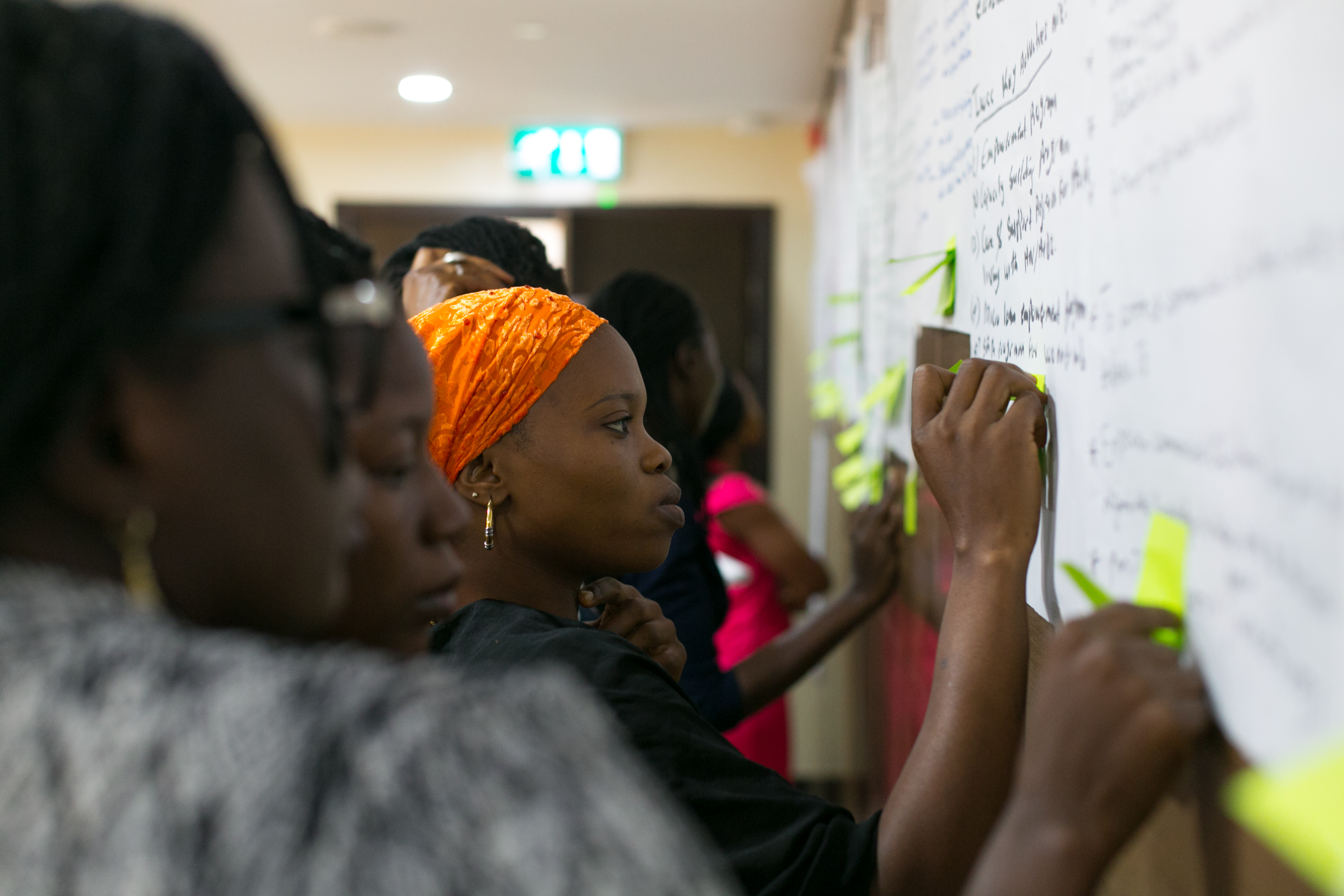 The African Women’s Development Fund believes in supporting our grantees to build their capacity and resourcing them past finances. We also believe in the strength of unity of purpose as demonstrated by our Results Based Programming training which is aimed at reinforcing our knowledge and understanding of our common goals.
This flagship programme is part of efforts of the Capacity Building Unit to strengthen our grantees, and through them the women’s movement as a whole. The training focuses on systematically aligning the incredible work that women’s organisations do with global visions and expected results, thus allowing them to map the change they are already creating.
This training helps grantees reaffirm their purpose and achieve the results that define their overall goals. The training also focuses on holistic learnings that gives organisations the space to integrate lessons learned into management decisions. Another important aspect of the training is its focus on monitoring and performance. It allows grantees to check in and check themselves, to make sure they’re doing the best work they can, and achieving the goals they set out to achieve.
The training module asks several key questions:
What do we want to achieve? What is our goal?
What will we do to reach that goal?
How will we know whether or not we have achieved our goal?
These questions will be explored in a myriad of ways, focusing on evidence-based methodologies that give grantees a nuanced experience of Monitoring Evaluation and learning, especially as it pertains to them and AWDF. This year’s training, starting on 8th August 2018, will take place over the course of 6 days and will be held in Nairobi, Kenya.
For more information and personal reflection on a previous Results Based Programming training held by AWDF, see this piece by Dr Awino Okech, HERE
AWDF CAPACITY BUILDING PROGRAMME – Financial Management Training
AWDF CAPACITY BUILDING PROGRAMME – Financial Management Training
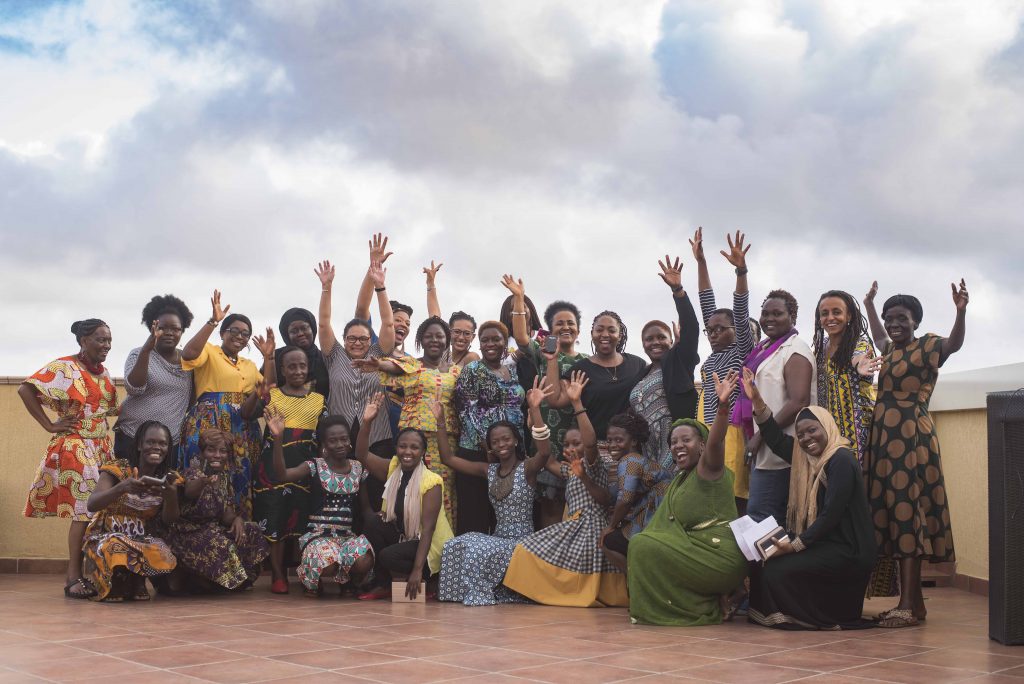
Theme: “Building capacity for organisational effectiveness and sustainability”.
The African Women’s Development Fund is organising its 4th Financial Management Training as part of its mandate to provide technical skills to grantees in order to ensure transparency, accountability and prudent financial management of resources for better results and impact.
Running from 24th till 26th July 2018, the 3-day programme will include a series of highly interactive sessions for sharing ideas among participants. The programme will consist of presentations, case studies and discussions in the following areas;
- Governance and Organisational structures
- The Financial Planning Process
- Assessment of Financial Health, Budget and Cash flow projection
- Internal control checks and financial risk management (fraud risk)
- Accounting records
- Reconciliations
- Grant Management and compliance
- Procurement
- Financial Reporting
- Compliance with Statutory Requirements
After the training, selected organisation will receive up to 6 hours of individual coaching by a Consultant to address challenges as well as assist participants in translating the workshop concepts into prioritized action steps for improvement.
Financial management is one of the most critical functions of any organisation and is vital to the existence of the entity. With sound financial planning, non-profits can successfully manage their resources and ensure their growth and sustainability. This is the reasoning behind the high premium that AWDF places on its Capacity Building Programme and specifically the Financial Management Training. It is done with the expectation that participants will enhance their financial management knowledge and skills to better manage as well as mobilise additional resources for long term sustainability.
Vacancy: Administrative Assistant
Vacancy: Administrative Assistant
Background
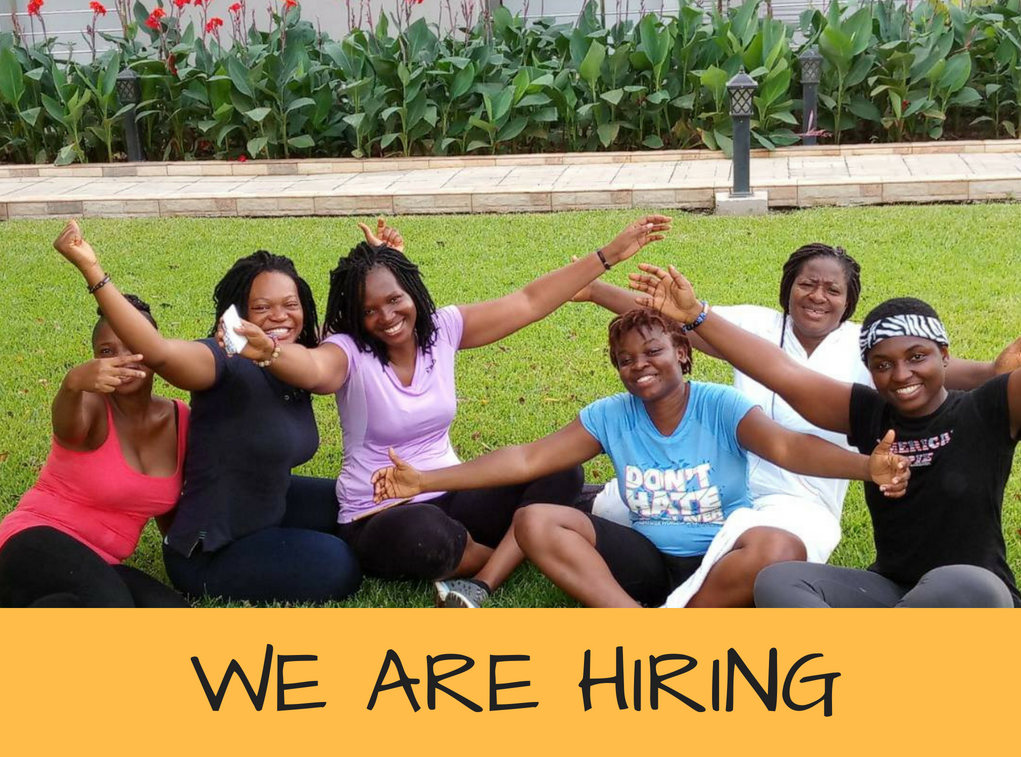
The African Women’s Development Fund (AWDF) is a pioneering grant-making foundation headquartered in Accra, Ghana. AWDF was founded by and for African women. It aims to support the work of the African women’s movement for peace, equality, sustainable development and social justice. Since its founding in 2001, AWDF has continued to support a growing portfolio of grants to leading women’s rights organisations and feminist movements across Africa, while also supporting knowledge generation, capacity building, and donor advocacy around African women’s activist histories, movement resourcing needs, and more recently, feminist futures.
AWDF requires the services of an astute, experienced, innovative, dedicated, smart and dependable Administrative Assistant, who believes in the achievement of African women’s rights. Given AWDF’s organizational mandate, female applicants are preferred.
Scope
The post holder will assist the Human Resources Manager in providing administrative and HR services to AWDF, with particular responsibility for the running of the front desk, general HR and administrative support to the organisation, and ensuring that AWDF’s operations and programmes are executed in an effective and efficient manner.
Responsibilities:
- Manage the Front desk of the organisation
- Receive incoming calls and make outgoing official calls
- Ensure efficient management and monitoring of incoming and outgoing letters, documents distribution (including filing of documents where appropriate).
- Assist in logging maintenance, administrative and logistical complaints, including receiving and recording of complaints, and liaising with the relevant service provider to resolve the issue
- Assist in ensuring operation of equipment by organising preventive maintenance requirements; calling for repairs; maintaining equipment inventories; evaluating new equipment and techniques.
- Assist in maintaining supplies inventory by checking stock to determine inventory level; anticipating needed supplies; placing and expediting orders for supplies; verifying receipt of supplies.
- Assist in procurement processes according to the organisation’s procurement policy
- Assist in maintaining electronic and hard copy filing system
- Assist in maintaining confidential records and files
- Assist in efficient minute taking and distribution
- Assist in providing administrative support during recruitment processes
- Assist in coordinating logistical arrangements for both in-house and external events according to laid down procedures. Organise information / board papers for organisational meetings.
- Assist in the renewal of permits, NGO recognition certificate, filing of annual returns and other
- Any other duties as may be assigned by the line manager
Person Specification
- Bachelor degree in HR/ Administration or its equivalent required
- Minimum of 2 years of hands-on administrative support experience
- Proficiency in MS Word, MS Excel and MS Outlook is a must
- Knowledge of office administration and reasonable knowledge of Human Resource management
- Knowledge of operating standard office equipment
- Knowledge of and commitment to African women’s rights issues
- Fluency in French is an advantage
Competencies required:
- Must have excellent communication (oral and written) and listening skills
- Ability to speak and interact clearly and professionally
- Ability to prioritise work and strong problem solving skills
- Good research skills and attention to detail
- Ability to work methodically, accurately, speedily and neatly.
- Must be a team player with excellent inter personal skills. Capacity to work constructively with a diverse group of people is essential.
- Experience working with an international organisation and with varied cultural awareness (preferred)
- Good analytical skills
- Extremely organised. Strong multi-tasking and time-management skills.
- Ability to handle sensitive information with the highest degree of integrity and confidentiality.
- Knowledge in transport bookings and arrangements is a plus.
- Proactive, with the ability to work with minimum supervision.
How to apply:
Qualified candidates should send their application letter and CV of not more than 3 pages by email
To grace@africlub.net/awdf with ‘Administrative Assistant’ as the subject reference. Applications should reach AWDF no later than August 7, 2018.
Only short listed candidates will be contacted for additional information and interviews.