Category: News
Finalists: African Women Writers Workshop 2019
Finalists: African Women Writers Workshop 2019
We are pleased to announce the final list of selected applicants for the 2019 African Women Writers Workshop due to be held in Ghana.
The quality and sheer volume of applications received was truly amazing, and we thank everyone who put in an application to be part of this wonderful experience. We received over 1,300 applications and it was really tough deciding on the finalists and we couldn’t have done it without the assistance of our partners Femrite and facilitators Yewande Omotoso and Sylvia Vollenhoven.
We are truly sorry if you applied and did not make it this time. We hope you will try again at the next opportunity.
We take this opportunity to congratulate the selected finalists as listed below, as we prepare to welcome them to the workshop in Ghana.
- Paula Akugizibwe (Rwanda)
- Lydia Ume (Nigeria)
- Fatima Derby(Ghana)
- Dorcas Tiwaa Addai (Ghana)
- Awa Badara Joof (The Gambia)
- Anne Waruguru Kiai (Kenya)
- Lerato Molisana (Lesotho)
- Louise Mutabazi (Rwanda)
- Gcotyelwa Jimlongo (South Africa)
- Makomborero Muzenda (Zimbabwe)
- Musih Tedji (Cameroon)
- Shameelah Khan (South Africa)
- Sharon Tshipa (Botswana)
- Beryl Adhiambo (Kenya)
- Ingrid Nayame (Zambia)
- Jessica Mandanda (Malawi)
- Ndapewoshali Ndahafa(Namibia)
- Sophie Efange (Ethiopia)
- Bigoa Chuol (South Sudan)
- Aminata Sanneh (Gambia)
Exciting New Vacancies: 3 Positions Open!
Exciting New Vacancies: 3 Positions Open!
PROGRAMME OFFICER – DONOR LIAISON
Job Summary
The role of the Programme Officer – Donor Liaison is to work with other team members to coordinate and manage AWDF’s donor portfolio, ensuring that AWDF is meeting its implementation and reporting obligations to all stakeholders as identified. The post holder will work cross organisationally to ensure the development of strong quantitative and qualitative reporting on the work of AWDF. The role includes key responsibilities in the AWDF fundraising structure, including development of fundraising initiatives, writing of funding proposals, tracking and documentation of initiatives geared towards AWDF’s financial sustainability.
FOR FULL DETAILS ABOUT THIS POST, CLICK HERE
PROGRAMME OFFICER- GRANTS
Job Summary
The Programme Officer – Grants plays a critical role in the grants department taking primary responsibility for assessing new grants applications, recommending organisations to be funded, and preparing dockets in collaboration with the Grants Manager, and other colleagues in the Grants Department, and in line with AWDF’s strategic plan. With a focus on Francophone grantmaking, the post-holder will work to grow the Francophone grantmaking portfolio in line with the overall strategy, conduct desk and field based assessments in both French and English, and prepare dockets in English for review and approval. The position also provides grants management services and supports technical assistance to grantees. Contributing to due diligence processes, site visits and Monitoring, Evaluation and Learning activities related to grant making, the post holder also supports with outreach and networking as well as fundraising activities.
INTERESTED IN THIS POSITION? CLICK HERE
KNOWLEDGE MANAGEMENT SPECIALIST (KMS)
Job Summary
The Knowledge Management Specialist’s role is to lead and coordinate the work of the AWDF Knowledge Management function- producing analysis, generating new knowledge around women’s rights in Africa, and collaborating to communicate the impact of AWDF’s work and the work of its grantees, advocacy and movement building partners. The KMS coordinates also the documentation of organisational learning and knowledge generation within AWDF. The work of the KM function is conducted in English, with selected initiatives in French.
The Knowledge Management Specialist will work with colleagues to sustain a programme of knowledge generation and management initiatives (including documentation, archiving, building knowledge resources, co-developing and managing knowledge production by staff and external actors), and to grow the work of the Knowledge Management unit in line with the AWDF strategic framework and direction and with support from Senior Management. As a member of the AWDF staff team, the Knowledge Management Specialist supervises the Knowledge Management Assistant, engages in other cross-departmental activities of AWDF and represents AWDF in external events as relevant.
TO APPLY FOR THIS POSITION, CLICK HERE
Interning at the African Women’s Development Fund (Summer 2019)
Interning at the African Women’s Development Fund (Summer 2019)
By: Sabine Afodanyi, Knowledge Management Intern
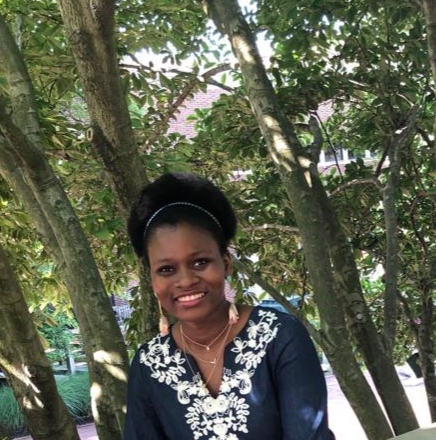 I began my internship with the African Women’s Development Fund with eagerness and desire to soak in as much knowledge as I can concerning African feminism. I had the opportunity of interning with the Knowledge Management department, which is responsible for archiving and analyzing feminist knowledge produced by the African Women’s Development Fund and its grantee organisations. As someone who is interested in development and advocacy work, I
believe this internship gave me the opportunity to learn what it entails to accomplish such type of work. My six-week internship, supervised by Knowledge Management Specialist Rita Nketiah was a thought-provoking, fulfilling and memorable experience. During this process, I was amazed by the critical work and impact that AWDF has and will continue to accomplish in the venture to support its grantee organisations in radically transforming the state of women’s rights
in the African continent.
The work of AWDF is quite fundamental in advancing the state of women’s rights in the African continent, as it is in a unique position of providing funds to various women’s organisations in order for them to actualise the principles of African feminism in their local communities. For example, NETRIGHT is involved in aiding rural women to reclaim knowledge concerning land rights in the northern region of Ghana. This is done through a knowledge
building initiative which allows for these rural women to adequately fight for their rights so they can be able to be in control of their own economic futures without having to rely on male figures within their households. Having the opportunity to craft stories around organisations such as NETRIGHT opened my eyes to what African feminism really entails. In my opinion, I believe a key mechanism through which African women can be empowered is for the actualisation of their true economic autonomy in addition to their social and political rights. Organisations such as NETRIGHT allow for African women’s empowerment in a system which has long allowed for their oppression from and dehumanized them as a result of colonialism and patriarchy. Seeing how the AWDF is working to further advance this goal allows me to further understand how these systems have held African women back from truly actualising their personhood in political,
economic and social spheres.
Beyond obtaining the opportunity to gain knowledge about how a pan-African organisation such as the AWDF supports its grantees, I was also able to strengthen my writing abilities. A key aspect of my internship was being able to adequately and efficiently produce stories concerning important work grantees have been doing with support from the AWDF. Initially, I felt intimidated to write for a much larger audience beyond that of a classroom audience. This was my first opportunity in writing from the perspective of a women’s rights organisation with a large audience. With the support and guidance of my supervisor, I quickly overcame this uncertainty, allowing for me to confidently produce two key short profiles on AWDF grantees. For me, this is a testament to one of AWDF’s goals of supporting young African women in growing their voice and leadership capabilities. I also was able to build my ediorial skills by contributing to AWDF’s knowledge generation series Bread and Butter series, which offers radical feminist macroeconomic analysis to shape and transform policy. Having the opportunity to collaborate with my supervisor on this task was also another manner in which I was able to further enhance my knowledge of how African women are leading the way in transformational approaches to macroeconomic policies. Apart from enhancing my writing and editorial skills, I subsequently had the opportunity to support with the weekly operations of the Resource Centre. The Centre houses hundreds of materials on African feminist knowledge including books, films and institutional reports. As a support staff, I had the opportunity to meet with members of the public who visited the Centre to access materials or needed a quiet study space away from the noisiness of Accra. As a KM intern, I also contributed to researching and
uploading content to AWDF’s online repository called AfriREP. This process allowed me to engage with key African feminist knowledge producers, through open source platforms.
In summary, my internship experience with the AWDF is one which I believe will positively impact my educational career and beyond. There were many thought provoking questions, such as the role of social class in African feminism, and how this impacts the lives of everyday African women. While I was not able to visit some of the local organisations supported by AWDF, I am amazed by the important work the AWDF is doing with its revolutionary take on confronting injustices committed against African women through systems rooted in patriarchy and colonialism.
Voice And Choice & State of Women in SADC Barometers Launched
Voice And Choice & State of Women in SADC Barometers Launched
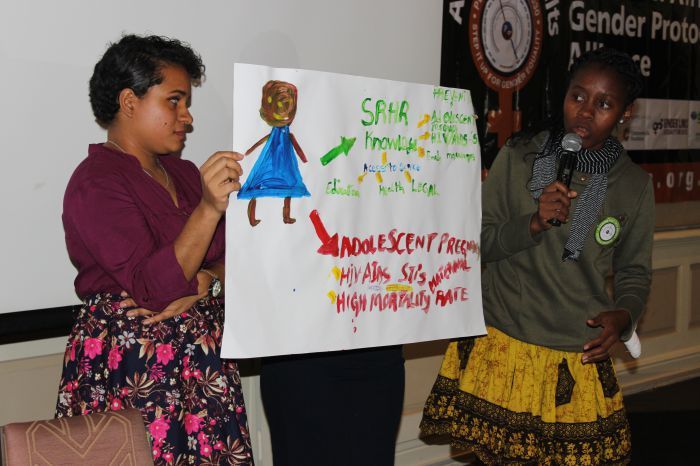
Gender activists from across Southern Africa launch the#VoiceandChoice 2019 Barometer alongside the State of Women in SADC 2019 report.
The Barometer has been produced for the last eleven years by the Southern African Gender Protocol Alliance, a network of Women’s Rights Organisations that campaigned for the SADC Protocol on Gender and Development in 2008, its updating and alignment to the Sustainable Development Goals in 2016.
In keeping with global and regional trends, reflected in the #MeToo, #TimesUp, #TotalShutdown and related campaigns, the 2019 Barometer departs with past tradition in focusing specifically on Sexual Reproductive Health and Right (SRHR).
The 2019 #VoiceandChoice Barometer is the first civil society shadow report on the recently adopted SADC SRHR strategy. It measures 100 indicators in seven thematic areas including Sexual and Reproductive Health; adolescent SRHR; safe abortion; GBV; HIV and AIDS; harmful practices and sexual diversity. The State of Women report details progress made against the provisions of the SADC Gender Protocol using two important yardsticks, the empirical SADC Gender and Development Index (SGDI) and Citizen Score Card (CSC) to measure progress made towards Gender Equality in the region.
For the findings of the Barometer and to gain context on the state of Women’s rights in the SADC Region, click here.
Preventing Violence against Women: A Primer for African Women’s Organisations
Preventing Violence against Women: A Primer for African Women’s Organisations
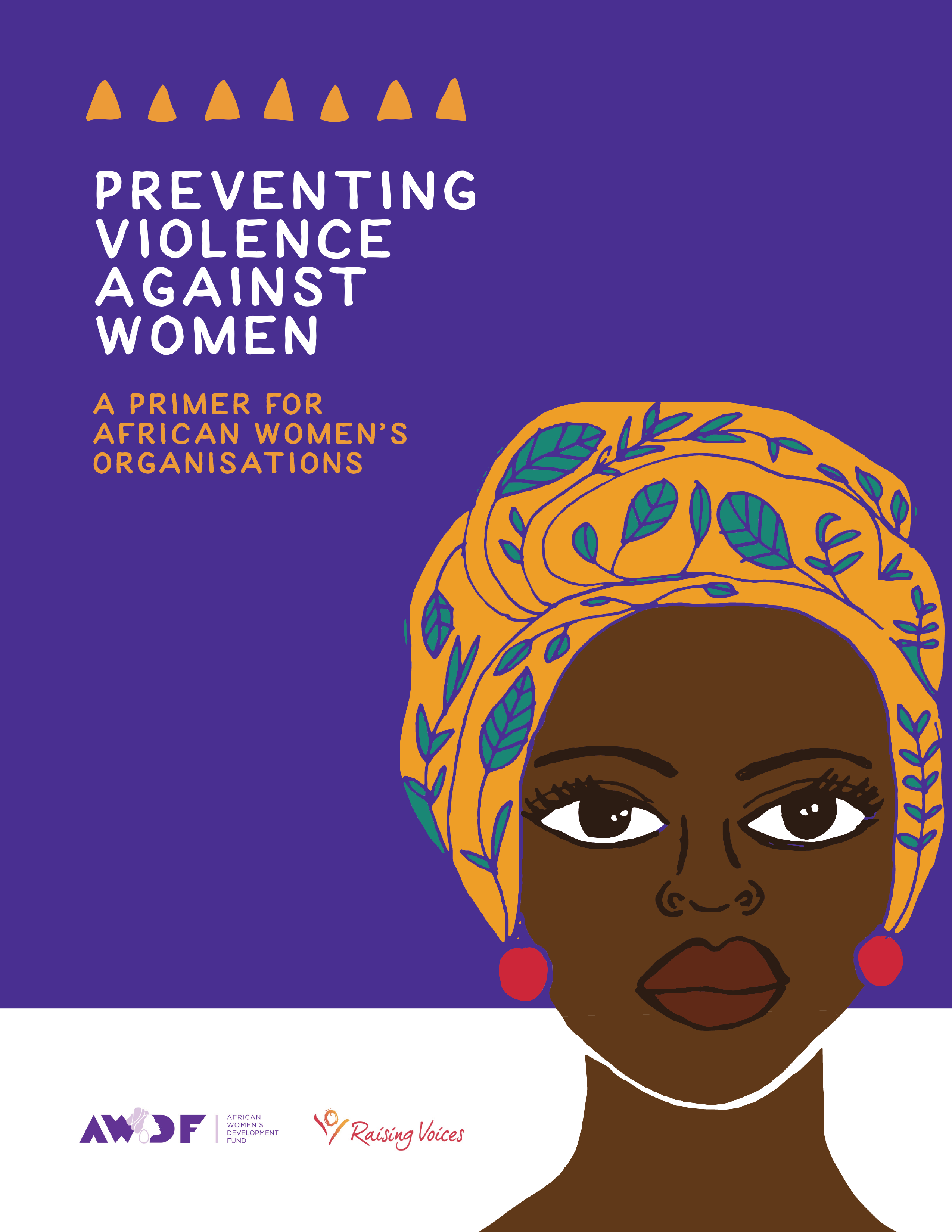
Why this primer?
This primer provides an overview of key terms, trends, approaches, and evidence used to frame violence against women (VAW) prevention programming. It is designed to strengthen programming, advocacy, and research for evidence-based violence against women prevention in Africa. We hope that it will both contribute to individual learning and promote collective knowledge on VAW—enabling organisations and groups to engage more meaningfully in VAW prevention programming, advocacy, research, and activism.
Who is this primer for?
This primer is intended for African women’s organisations, African women’s funds, and allied philanthropic actors to broaden their understanding of the trends in the rapidly evolving field of VAW prevention. The primer also serves to increase the participation of African women’s organisations, researchers, activists, and programme developers in advancing evidence-based work on VAW prevention grounded in feminist politics.
Ultimately, it is our hope that this primer supports African women’s organisations to take the lead on VAW prevention programming, innovations, implementation, and advocacy.
HERE TO DOWNLOAD THE PRIMER
Annual Report 2018: Deepening Roots
Annual Report 2018: Deepening Roots
[tp lang=”en” not_in=”fr”]
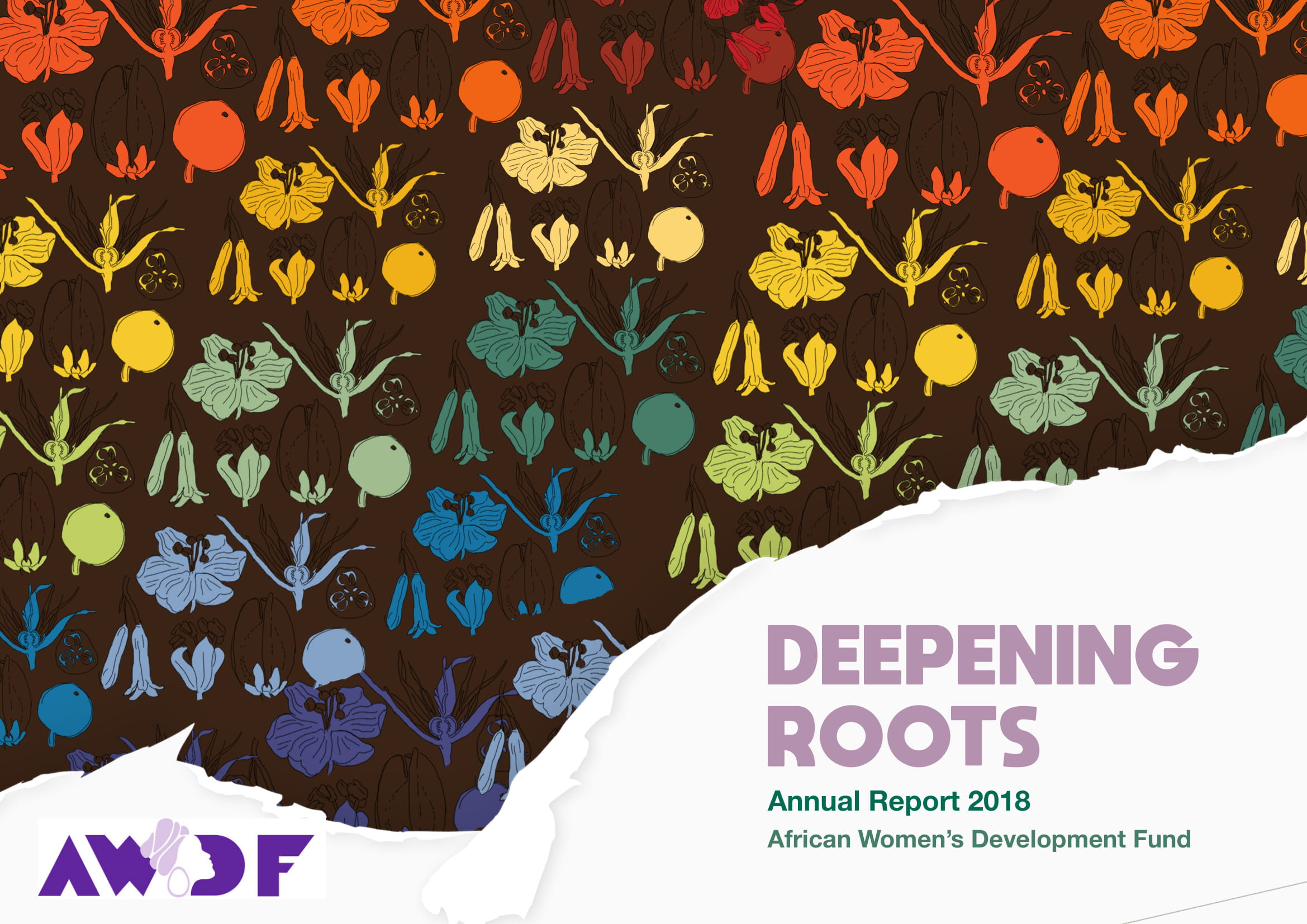
Deepening Roots is a report on our achievements, learnings and growth in 2018. We strongly believe in the power and potential of African women to shape our own destinies and this report is a testament to all the growth work that continues to guide our cause. The report has been structured across three major themes: growth, reflection, and learning. Each theme captures the ways that AWDF implemented our strategic vision in 2018. We stay committed to
supporting a range of African women’s organisations to live out their visions of justice and freedom for all African women. As we continue to reach upwards and outward in our feminist journeys, we also remember to dig deeper and more intentionally into the values that root us to do this work. We hope
you enjoy reading as much as we enjoyed growing, reflecting and learning in 2018.
CLICK HERE TO READ THE FULL REPORT ENGLISH VERSION
TO READ THE FRENCH VERSION, PLEASE CLICK HERE
[/tp]
[tp lang=”fr” not_in=”en”]
L’enracinement (Deepening Roots) est un rapport sur nos réalisations, nos apprentissages et notre croissance en 2018. Nous croyons fermement au pouvoir et au potentiel des femmes africaines à forger nos propres destins; et ce rapport est un témoignage de toutes les activités qui ont marqué notre croissance et qui continuent de guider notre cause.
Le rapport a été structuré autour de trois principaux thèmes: croissance, réflexion et apprentissage. Chaque thème représente les voies par lesquelles notre vision stratégique a été mise en oeuvre par l’AWDF en 2018. Nous demeurons engagées à notre volonté de soutenir un éventail d’organisations de femmes à accomplir leur vision de justice et de liberté pour toutes les femmes africaines. En poursuivant notre engagement à la cause féministe vers les sommets et l’extérieur, nous nous rappelons également de puiser profondément et de manière plus intentionnelle dans nos valeurs qui nous lient à ce travail qui nous passionne tant.
Nous espérons que vous trouverez du plaisir à lire ce rapport tout comme nous avons été heureuses de croître, de réfléchir et d’apprendre en 2018.
CLIQUEZ ICI POUR LIRE ET TELECHARGER LE RAPPORT
[/tp]
Update: African Women Writers Workshop 2019
Update: African Women Writers Workshop 2019
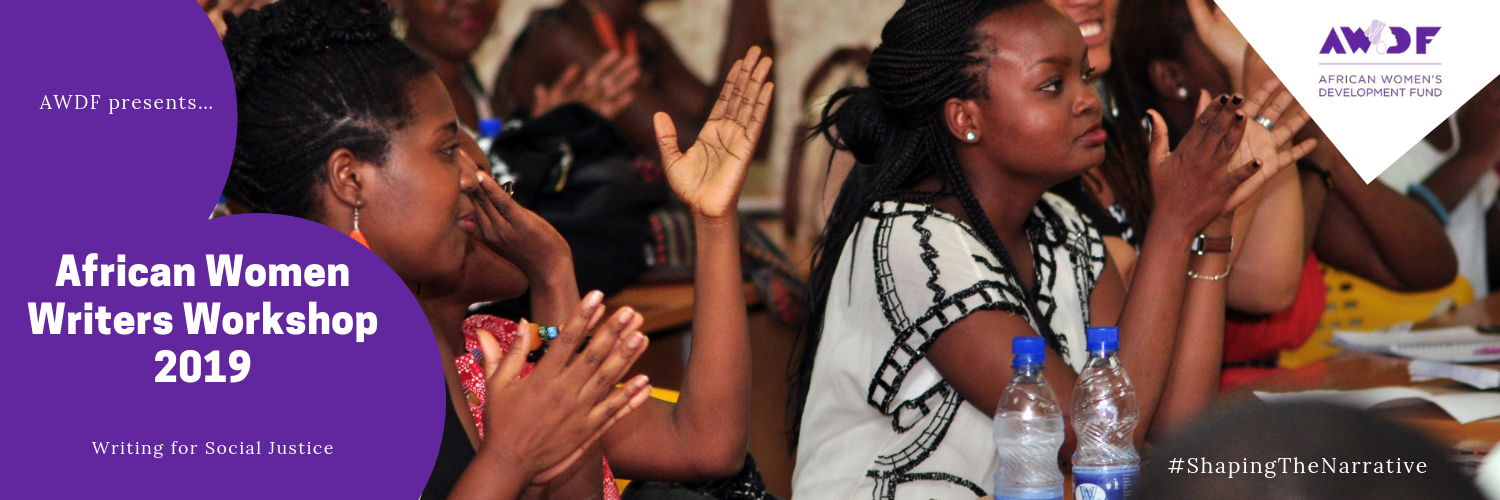
We are happy to share this update on the upcoming African Women Writers Workshop. The number of applications received was truly amazing and we’re excited by the high level of interest in the event.
Screening is still ongoing, but due to the high number of qualified applications received, we are unable to respond to every single applicant. We will notify shortlisted applicants by 30th August 2019. If you have not heard from us by the end of August, it means you did not make the shortlist. There will be an opportunity to try for the next one.
Thank you!
The AWWW 2019 Team
Adopting innovative models for feminist funding
Adopting innovative models for feminist funding
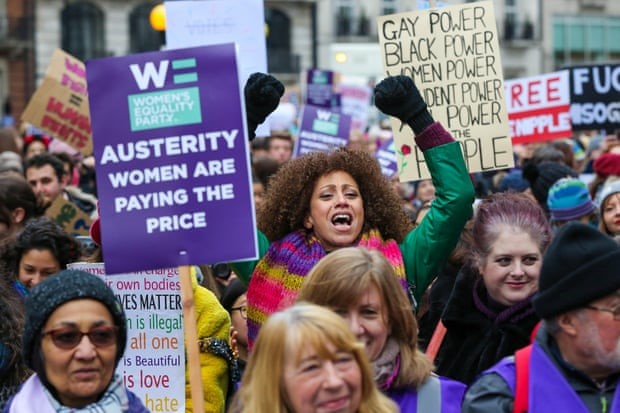
Photograph: Dinendra Haria/Alamy
Gender activism is yielding significant dividends as funding for women’s rights initiatives reach unprecedented levels. The African Women’s Development Fund has made great strides in driving donor funding towards more impactful causes with partnership initiatives such as Leading from the South, Amplify Change and the recently announced Equality Fund.
But this is not nearly enough, according to AWID’s Kasia Staszewska, Tenzin Dolker and Kellea Miller. The totality of funding for Gender Equality that goes to women’s organisations pales in comparison to the amounts that go to international organisations based in the donor countries. Read the article here
Our CEO Theo Sowa shares her thoughts in an interview with +SocialGood at Women Deliver.
Our CEO Theo Sowa shares her thoughts in an interview with +SocialGood at Women Deliver.
” The continent is emerging from some really difficult challenges and some of the drivers of that change are women and girls. The continent can do so much more and has so much more potential but we will only get there if we use 100% of our human resources and that means women and girls have got to be at the center of that change we want to see”.
To listen to the interview, click here
Emerging Stars at Women Deliver 2019
Emerging Stars at Women Deliver 2019
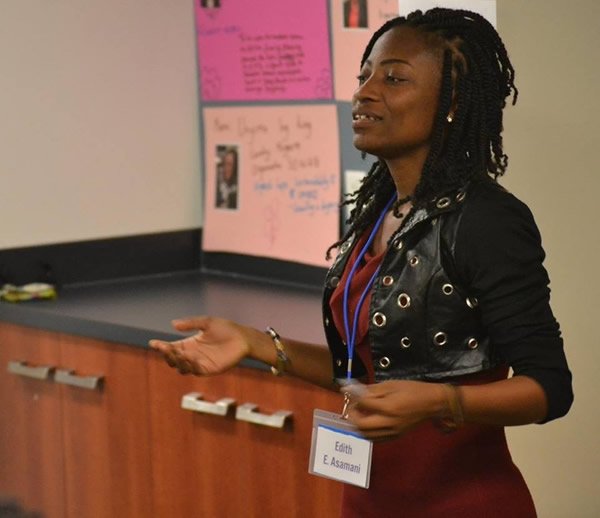
Edith Asamani
More than 6000 delegates from around the world participated in this year’s Women Deliver Conference in Vancouver, Canada. It was a time of sharing, learning and networking with discussions focused on diverse topics including education, economic and political empowerment, good governance, women and girl empowerment. World leaders, journalists, influencers, advocates, academics, activists, journalists were all present at the conference.
In addition to the panel discussions, competitions were held to award grants to deserving individuals and organisations who were leading on promoting gender equality and reducing gender based violence.
Ghanaian campaigner on sexual reproductive health rights, Edith Asamani, emerged the winner of a 30,000 Euro grant for advocacy to end gender based violence.
The panel which included the African Women’s Development Fund and the Global Fund for Women selected Edith, who works with the African Youth and Adolescents Network (AfriYan), out of 6 contenders.
Edith Asamani says the grant will enable AfriYAN Ghana to push to reduce sexual and gender-based violence. She added that it provides an opportunity for a youth-led network to lead change.