
Category: event
3rd African Grantmakers Network Assembly to be Held in Arusha, Tanzania July 1-3
3rd African Grantmakers Network Assembly to be Held in Arusha, Tanzania July 1-3
[tp lang=”en” not_in=”fr”]30th June 2015
PRESS RELEASE

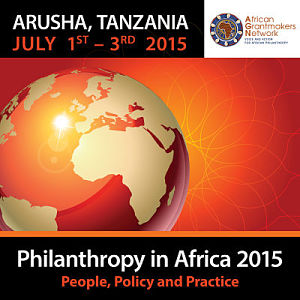

Arusha To Host 3rd African Grantmakers Network Assembly July 1-3, 2015
Activist and humanitarian Graça Machel, Nobel laureate, Leymah Gbowee and HRH Sylvia Nagginda of Buganda will be among keynote speakers and presenters at this year’s African Grantmakers Network (AGN) third General Assembly, which will take place in Arusha, Tanzania at the Arusha International Conference Centre, Arusha.
The meeting will be held from July 1-3, 2015 under the theme: “Philanthropy in Africa 2015 People, Policy and Practice.” It will be hosted by the African Women’s Development Fund and the Foundation for Civil Society (FCS).
The AGN conference will bring together philanthropists, grantmaking bodies and other sectors for a three day meeting during which they will share experiences and good practise in contributions to philanthropy in Africa. Attendees will discuss the contribution made by the wide range of critical constituencies such as women, youth and other marginalised groups, and tackle crucial issues such as the impact of governance on philanthropy.
Theo Sowa, current Chair of AGN said ‘this is one of the platforms AGN has created for renewed and vibrant conversations about philanthropy in Africa, and the AGN board is delighted that at this Assembly at least three new publications on African philanthropy will be launched.’
A major highlight of the Assembly will be the African Philanthropy awards, a recognition given by AGN to individuals and organisations that have contributed to development and philanthropy on the continent.
Founded in 2009, the African Grantmakers Network (AGN) is a continentwide network of African grantmaking organisations that facilitates networking, learning and good practise amongst established and emerging African philanthropic institutions. The AGN promotes the voices of African philanthropy on the continent and globally.
AGN’s first steering committee members were the African Womens’ Development Fund (AWDF), Kenya Community Development Foundation (KCDF) ,TrustAfrica (TA),the Southern Africa Trust (SAT), the Foundation for Civil Society (FCS), and Akiba Uhaki Foundation (AUF). The current board members include the Nelson Mandela Children’s Fund and Community Development Foundation Western Cape in South Africa.
For more information and to see the full programme, visit: www.africangrantmakersnetwork.org
For media enquiries or request for interviews contact:
Joyce Ambale
joyce@fricagrantmakersnetwork.org
+254 705 216 215
or
Amba MpokeBigg
amba@africlub.net/awdf
+255 682 327 082[/tp]
[tp lang=”fr” not_in=”en”]
COMMUNIQUE DE PRESSE
Arusha pour Accueillir la 3ème Assemblée du Réseau des subventionneurs africains du 1er au 3 Juillet, 2015
L’activiste et humanitaire Graça Machel, lauréate du prix Nobel, Leymah Gbowee et SAR Sylvia Nagginda du Buganda seront parmi les principaux conférenciers et présentateurs lors de la 3ème Assemblée du Réseau des subventionnaires africains de cette année (AGN), qui aura lieu à Arusha, en Tanzanie au Centre de Conférence International d’Arusha.
La réunion se tiendra à du 1er au 3 Juillet 2015 et portera sur le thème: «La philanthropie en Afrique en 2015: les acteurs, la politique et la pratique.” Il sera accueilli par le Fonds Africain de développement de la femme et la Fondation pour la société civile (FCS).
La conférence réunira des AGN philanthropes, des organismes subventionnaires et d’autres secteurs pour une réunion de trois jours au cours de laquelle ils vont partager expériences et bonnes pratiques des contributions à la philanthropie en Afrique. Les participants discuteront de la contribution apportée par le large éventail de parties prenantes essentielles telles que les femmes, les jeunes et d’autres groupes marginalisés, et d’aborder des questions cruciales telles que l’impact de la gouvernance sur la philanthropie.
Theo Sowa, présidente actuelle de l’AGN déclare:”Ceci est l’une des plates-formes qu’AGN a créé pour renouveler et dynamiser les discutions sur la philanthropie en Afrique, et le conseil d’AGN est ravi qu’au moins trois nouvelles publications sur la philanthropie africaine soient lancées lors de cette Assemblée . ‘
Un des faits marquants de l’Assemblée seront les Prix de Philanthropie Africaine, une reconnaissance accordée par AGN aux individus et aux organisations qui ont contribué au développement et à la philanthropie sur le continent.
Fondé en 2009, le Réseau des subventionaires africains (AGN) est un réseau à l’échelle du continent des organisations subventionnaires africaines, qui facilite le réseautage, l’apprentissage et les bonnes pratiques entre les institutions philanthropiques africaines établies et émergentes. L’AGN favorise les voix de la philanthropie africaine sur le continent et dans le monde.
Les membres du premier comité de direction de l’AGN étaient le Fonds de développement de la Femme Africaine (AWDF), Kenya Community Development Foundation (KCDF), TrustAfrica (TA), Southern Africa Trust (SAT), la Fondation pour la société civile (FCS), et la Fondation Akiba Uhaki (AUF). Les membres actuels du conseil comprennent le Nelson Mandela Children’s Fund and Community Development Foundation Western Cape en Afrique du Sud.
Pour plus d’informations et pour voir le programme complet, visitez: www.africangrantmakersnetwork.org
Pour tout renseignement ou demande d’entrevues avec les médias:
Joyce Ambale
joyce@fricagrantmakersnetwork.org
+254 705 216 215
or
Amba MpokeBigg
amba@africlub.net/awdf
+255 682 327 082[/tp]
AWDF & Stakeholders To Discuss Health and Reproductive Rights in Arusha, Tanzania, June 30 2015
AWDF & Stakeholders To Discuss Health and Reproductive Rights in Arusha, Tanzania, June 30 2015
[tp lang=”en” not_in=”fr”]AWDF will convene a roundtable on June 30th 2015, to discuss findings of an evaluation of its Health and Reproductive programme and current and emerging issues for women and girls.
The conversation with stakeholders – donors, partners, individual activists and consultants, will focus on analysing key concerns and recommendations noted in a desk based external evaluation done on AWDF’s Health and Reproductive Rights programme in October 2014. The goal is to identify strategic interventions that would scale up and sustain impact on the ground as well as influence policies around Sexual and Reproductive Health and Rights (SRHR)/Health and Reproductive Rights(HRR) at local, national and regional levels.
This meeting is also a pre-event to the African Grantmakers Network (AGN) third Biennial Assembly to be held in Arusha, Tanzania from 1st -3rd July, 2015, hosted by AGN, AWDF and the Foundation for Civil Society (FCS)
The 2015 review of the Millennium Development goals revealed that insufficient progress has been made in the areas of maternal mortality, infant mortality and HIV & AIDS. Continued practice of harmful social, cultural and religious traditions compounded by years of neglect and under-investment in women’s health, have contributed to a lack of proper healthcare for women. This is especially true for poor, marginalized women in rural and remote regions of the continent.
The evaluation established the relevance of Health and Reproductive Rights as a theme for AWDF and the African women’s movement. It also reaffirmed the fact that women’s health, diseases and sexual and reproductive concerns, are not prioritized by most African governments, with the exception of Sexually Transmitted Infections(STI’s), HIV & AIDS, safe delivery and infant mortality.
According to the findings, AWDF’s work has contributed significantly to increased awareness and critical consciousness amongst African women and girls about their rights, rights over their bodies and better access to health services. The increased awareness amongst communities and service providers has enabled women and girls in many communities to access HRR services freely and without fear, stigma or discrimination. Where the services have not been available, some women have demanded those services from local governments.
The review also made suggestions for AWDF’s future work such as a strategic reframing and repositioning of its work in order to impact both the practical and strategic need of women.
“ At AWDF we like to pause and reflect on our activities and one of the ways in which we do this is to create a platform to engage all stakeholders in the area. This convening in Arusha is one of such platforms and, l look forward to learning new ideas about women’s health development that will help us bring transformational changes in the lives of women and girls in Africa,” says Nafi Chinery, AWDF’s Capacity Building programme Specialist.
Do you have a comment or opinion you’d like to share? Please contribute and follow the discussion by following the social media hashtag #AWDFHRR[/tp]
[tp lang=”fr” not_in=”en”]AWDF va organiser une table ronde le 30 Juin 2015 pour discuter des résultats d’évaluation de son programme sur la santé et la santé reproductive ainsi que des questions actuelles et émergentes concernant les femmes et les filles.
La discussion avec les parties prenantes – les bailleurs de fonds, des partenaires, des militants et des consultants individuels, se concentrera sur l’analyse des principales préoccupations et recommandations mentionnées dans une évaluation externe portant sur le programme de santé et les droits reproductifs d’AWDF en Octobre 2014. L’objectif est d’identifier des interventions stratégiques qui pourraient être développées à grande échelle et pérenniser l’impact des actions sur le terrain ainsi que des politiques d’influence autour de la santé sexuelle et les droits reproductifs (SSDR) / la santé et les droits reproductifs (FCR) aux niveaux local, national et régional.
Cette réunion est aussi un pré-événement pour la troisième édition de l’assemblée biennale du Réseau des subventionnaires africains (AGN) qui se tiendra à Arusha, en Tanzanie du 1er au 3 Juillet 2015, organisée par l’AGN, AWDF et la Fondation pour la société civile (FCS)
Le compte rendu de 2015 sur les Objectifs de Développement du Millénaire a révélé que les progrès accomplis dans les domaines de la mortalité maternelle, la mortalité infantile et le VIH & SIDA ont été insuffisants. La perpétuation des traditions sociales, culturelles et religieuses néfastes sont aggravées par des années de négligence et de sous-investissement dans la santé des femmes, contribuant à un manque de soins de santé appropriés pour ces dernières. Cela est particulièrement vrai pour les femmes pauvres et-ou marginalisées dans les régions rurales et éloignées du continent.
L’évaluation a démontré la pertinence d’un volet sur la Santé et droits reproductifs pour AWDF et le mouvement des femmes africaines. Il a également été réaffirmé le fait que la santé, les maladies des femmes et les préoccupations sexuelles et de reproduction, ne sont pas prioritaires pour la plupart des gouvernements africains, à l’exception des infections sexuellement transmissibles, le VIH et le SIDA (IST-MST), des accouchements sans risques et la mortalité infantile.
Selon les résultats, le travail d’AWDF a contribué de manière significative chez les femmes et les filles africaines à accroître la sensibilisation et la conscience critique de leurs droits, les droits sur leurs corps et un meilleur accès aux services de santé. La prise de conscience accrue parmi les communautés et les fournisseurs de services a permis aux femmes et aux filles dans de nombreuses communautés d’accéder librement et sans peur de stigmatisation ou de discrimination aux services de FCR. Lorsque les services ne sont plus disponibles, certaines femmes ont exigé ces services des gouvernements locaux.[/tp]
AWDF To Give First African Women In Film Award June 27th
AWDF To Give First African Women In Film Award June 27th
[tp lang=”en” not_in=”fr”]The African Women’s Development Fund (AWDF) will announce the winner of its first African Women in Film Award (AWIF) on Saturday 27th June at a movie awards ceremony in the Ghanaian capital Accra.
AWDF has partnered with Golden Movie Awards, a new pan-African award scheme that seeks to honour innovation, excellence and humanitarian efforts of individuals within the African Film industry.
The event is set to take place at the State House Banquet Hall, bringing together performers, writers, directors and other content creators from all over the continent.
AWDF’s African Women in Film Award will celebrate the contribution of African women to the industry.
The award will be given to an African woman who has demonstrated through her work, measurable efforts to change the narrative and challenge stereotypes about women on the continent.
AWDF recognizes the importance of the arts as a tool for social justice work and as a medium to train, nurture and raise the profile of African women through their creative works and expression.
The aim is to build the cadre of skilled African women who can use the different art mediums to promote women’s rights.
Tickets for the events can be purchased in Accra for GHS 150 at Surfline Ghana offices in Osu, Dansoman, East Legon, Tema and the Accra Mall.[/tp]
[tp lang=”fr” not_in=”en”]Le Fonds Africain de développement de la Femme (AWDF) annoncera le vainqueur de son premier prix pour les femmes africaines dans Cinéma (AWIF) le samedi 27 Juin lors d’une cérémonie de remise de prix de cinéma dans la capitale ghanéenne Accra.
AWDF a conclu un partenariat avec Golden Movie Awards, un nouveau système d’attribution panafricain, qui cherche à honorer l’innovation, l’excellence et les efforts humanitaires des individus au sein de l’industrie cinématographique africaine.
L’événement est prévu à la State House Banquet Hall, réunissant des artistes, des écrivains, des réalisateurs et autres créateurs de contenu de partout dans le continent.
Le prix pour les femmes africaines dans le cinéma d’AWDF célèbre la contribution des femmes africaines à l’industrie.
Le prix sera décerné à une femme africaine qui a démontré à travers son travail, des efforts mesurables pour changer le récit et lutter contre les stéréotypes sur les femmes sur le continent.
AWDF reconnaît l’importance des arts comme outil pour la justice sociale et comme un moyen de former, entretenir et élever le profil des femmes africaines par leurs œuvres créatives et expression.
Le but est de construire un cadre de femmes africaines qualifiées qui peuvent utiliser les différents médiums de l’art pour promouvoir les droits des femmes.
Les billets pour l’événement peuvent être achetés à Accra pour 150GhC dans les bureaux Surfline Ghana à Osu, Dansoman, East Legon, Tema et le centre commercial d’Accra.[/tp]
AWDF-USA and Girls Empowerment Summit Sierra Leone (GESSL) Team Up for ‘Celebrating Empowerment 3’
AWDF-USA and Girls Empowerment Summit Sierra Leone (GESSL) Team Up for ‘Celebrating Empowerment 3’
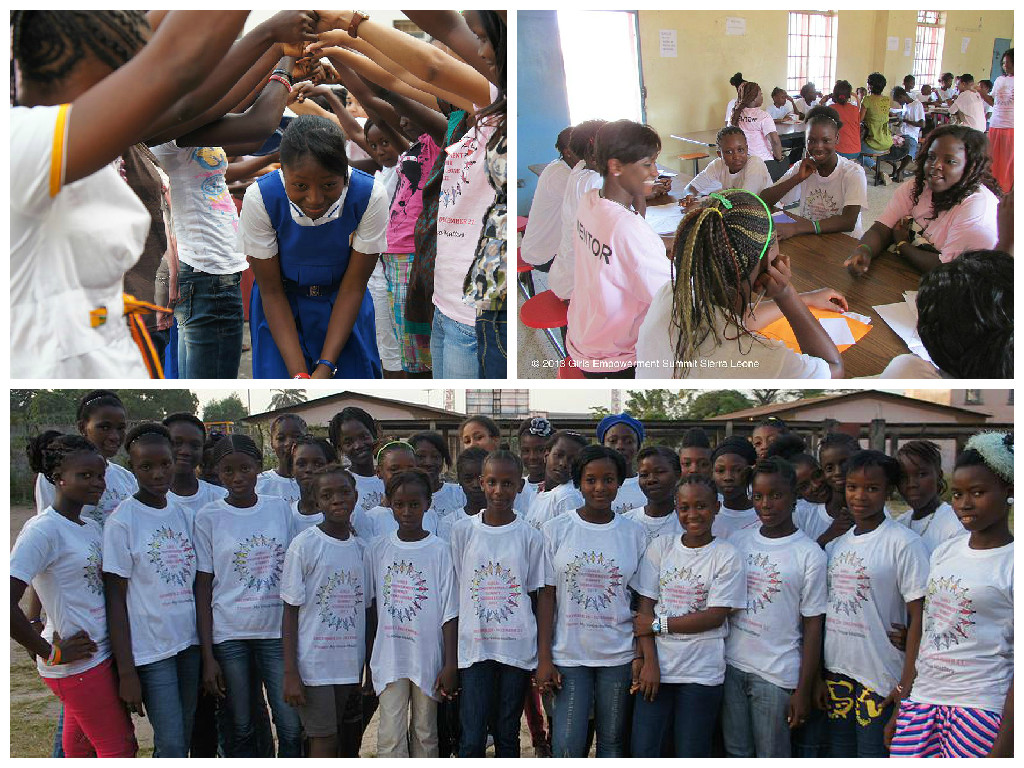
[tp lang=”en” not_in=”fr”]AWDF-USA is a proud to be taking part in the Celebrate Empowerment 3 fundraiser being organized by Girls Empowerment Summit Sierra Leone (GESSL), in collaboration with the Visao Foundation. The 3rd annual Celebrate Empowerment Fundraiser will be held on Thursday, June 25th at the United Nations in New York. Celebrate Empowerment 3 will raise funds for projects supporting young people in Sierra Leone.
Founded in 2012, GESSL is women-led, and engages vulnerable girls between the ages of 12 and 16 years in Sierra Leone. The organization provides girls with skills and knowledge, in addition to building their confidence to become the next generation of women leaders in Africa. Over 100 girls and their families have benefitted from two annual summits, as well as a series of workshops to empower girls and connect them to female mentors in Sierra Leone and the Diaspora.
Over a one year period, GESSL provides workshops focused on leadership and self-development, sexual and reproductive health, community development, entrepreneurship and technology. Furthermore, girls participate in community projects to address pertinent issues in their communities. Ultimately, these programs are designed to nurture leadership potential, build sisterhood and foster networking and transformative mentorship.
At the height of the Ebola epidemic in Sierra Leone, GESSL devised innovative ways and alternatives to ensure that girls could access continued education and emergency relief. With the disastrous impact of the Ebola, especially to social infrastructure, this fundraiser provides a unique vehicle to share GESSL’s story, raise visibility about its work and mobilize diverse resources for sustained impact.
Moiyattu Banya, Co-Founder of GESSL has been working closely with AWDF USA in an advisory role as well as supports AWDF USA’s communications efforts. In 2015, AWDF is celebrating 15 years and AWDF-USA is partnering with GESSL to raise visibility in the US about the presence and work of AWDF on the continent.
For more on Girls Empowerment Summit visit:
www.girlsempowermentsummitsl.org[/tp]
[tp lang=”fr” not_in=”en”]AWDF-USA est fier de prendre part à Celebrate Empowerment 3, une collecte de fonds organisée par Girls Empowerment Summit Sierra Leone (Gessl), en collaboration avec la Fondation Visao. La collecte de fonds de la 3e édition de Celebrate Empowerment aura lieu le jeudi 25 Juin à l’Organisation des Nations Unies à New York. Celebrate Empowerment 3 va lever des fonds pour des projets en faveur des jeunes en Sierra Leone.
Fondée en 2012, Gessl est dirigées par des femmes et implique les jeunes filles vulnérables âgées de 12 à 16 ans en Sierra Leone. L’organisation fournit aux filles des compétences et des connaissances, en plus de la construction de leur confiance pour devenir la prochaine génération de femmes leaders en Afrique. Plus de 100 filles et leurs familles ont bénéficié de deux sommets annuels, ainsi que d’une série d’ateliers pour aider les filles et les connecter à des mentors féminins en Sierra Leone et de la diaspora.
Sur une période d’un an, Gessl offre des ateliers axés sur le leadership, le développement personnel, la santé sexuelle et reproductive, le développement communautaire, l’entrepreneuriat et la technologie. En outre, les filles participent à des projets communautaires pour aborder les questions pertinentes dans leurs communautés. En fin de compte, ces programmes sont conçus pour favoriser le potentiel de leadership, construire de la fraternité, mais favorisent aussi le réseautage ou un mentorat transformateur.
A la hauteur de l’épidémie d’Ebola en Sierra Leone, Gessl a imaginé des moyens et des solutions de rechange novateurs pour s’assurer que les filles puissent accéder à la formation continue et au secours d’urgence. Avec l’impact désastreux d’Ebola, en particulier sur les infrastructures sociales, cette collecte de fonds fournit un vecteur unique pour partager l’histoire de Gessl, accroître la visibilité de ses travaux et mobiliser des ressources diverses pour un impact durable.
Moiyattu Banya, co-fondatrice de Gessl a travaillé en étroite collaboration avec AWDF-USA dans un rôle consultatif ainsi qu’en soutient des efforts de communication d’AWDF-USA. En 2015, AWDF célèbre ses 15 ans et AWDF-USA s’associe à Gessl pour permet d’accroître la visibilité aux États-Unis sur la présence et le travail d’AWDF sur le continent africain.
Pour en savoir plus sur le Sommet d’autonomisation des filles visitez:
Join us at the African Grantmakers Network Assembly, Arusha, Tanzania (July 1st – 3rd, 2015)
Join us at the African Grantmakers Network Assembly, Arusha, Tanzania (July 1st – 3rd, 2015)

[tp lang=”en” not_in=”fr”]The African Grantmakers Network (AGN) invites you to its Third Biennial Assembly to be held in Arusha, Tanzania on 1st -3rd July, 2015 and will be hosted by the African Women’s Development Fund (AWDF) and the Foundation for Civil Society (FCS).
Join the conversation with thought leaders in philanthropy and participate in action-oriented sessions on strategies to contribute to sustainable, just and peaceful development in Africa through philanthropic engagement.
This year’s theme “Philanthropy in Africa 2015 – People, Policy and Practice,” will include conversations on the impact of governance on philanthropy, while seeking to unearth good practice through knowledge building, research, experience sharing and skills building in each of these critical areas. The program will foreground contributions to philanthropy in Africa by critical constituencies such as women, youth and other marginalised groups. This exciting action focused program will bring together thought leaders, practitioners, academics, the media and other key actors to the table in Arusha.
The assembly conference will culminate in the Second AGN African Philanthropy Award Gala which recognizes and celebrates outstanding contributions to philanthropy on the continent.
For detailed information and registration, please go to the AGN Assembly website.
To learn more about the African Grantmakers Network visit their website at www.africangrantmakersnetwork.org[/tp]
[tp lang=”fr” not_in=”en”]Le Réseau des subventionnaires africains (AGN) vous invite à sa Troisième Assemblée biennale qui se tiendra à Arusha, en Tanzanie du 1er au 3 Juillet 2015 et sera accueillie par le Fonds Africain de développement de la Femme (AWDF) et la Fondation pour la société civile (FCS) .
Rejoignez les débats avec des leaders d’opinion de la philanthropie et participez à des séances orientées vers l’action sur les stratégies pour contribuer au développement durable, le développement juste et pacifique en Afrique grâce à l’engagement philanthropique.
Le thème de cette année «La philanthropie en Afrique 2015 – Personnes, politique et pratique,” comprendra des discutions sur l’impact de la gouvernance sur la philanthropie, tout en cherchant à définir les bonnes pratiques à travers le renforcement de la connaissance, la recherche, le partage d’expériences et le renforcement des compétences dans chacun de ces domaines critiques . Le programme mettra en avant les contributions à la philanthropie en Afrique par les circonscriptions critiques telles que les femmes, les jeunes et d’autres groupes marginalisés. Ce programme d’action passionnant réunira des leaders d’opinion, des praticiens, des universitaires, les médias et d’autres acteurs clés à la table à Arusha.
La conférence de l’assemblée se terminera par le second Gala AGN African Philanthropy Award qui reconnaît et célèbre les contributions exceptionnelles à la philanthropie sur le continent.
Pour plus d’informations et inscriptions, veuillez visiter le site Web de l’Assemblée AGN.
Pour en savoir plus sur le Réseau africain des subventionnaires visitez leur site Web www.africangrantmakersnetwork.org[/tp]
AWDF launches an award for African Women in the Film Industry
AWDF launches an award for African Women in the Film Industry
[tp lang=”en” not_in=”fr”]The African Women’s Development Fund (AWDF) has announced a special award to recognize the contributions of African women in film and television.
The “AWDF African Women in Film Award” is intended to honour an African woman who has demonstrated through her work, measurable efforts to change the narrative and challenge stereotypes about women on the continent.[/tp]
[tp lang=”fr” not_in=”en”]Le Fonds Africain de développement de la femme (AWDF) a annoncé une récompense spéciale pour reconnaître les contributions des femmes africaines au cinéma et à la télévision.
Le “AWDF African Women in Film Award” est destiné à honorer une femme africaine qui a démontré à travers son travail, des efforts mesurables pour changer le récit et lutter contre les stéréotypes sur les femmes du continent.[/tp]
GMA’s
[tp lang=”en” not_in=”fr”]AWDF announced the award May 21, at a Nominations Announcement ceremony in partnership with Golden Movie Awards (GMA), a newly launched pan-African award scheme, that seeks to honour individuals who have impacted and excelled in the African movie industry and have also embarked on humanitarian works in their countries.
GMA’s interest in building capacity within the film industry and special emphasis on women, is one of the contributing factors for AWDF’s decision to partner with them.
“The aim is to build the cadre of skilled African women who can use the different art mediums to promote women’s rights.” Sarah Mukasa, Director of Programmes at AWDF, who made the announcement, said.
The AWDF award will be part of GMA’s award scheme that will reward industry beneficiaries in 30 various prize categories.
As a follow up to the awards, AWDF and GMA will bring together African women filmmakers, actresses, producers, writers and content creators for a one-day capacity-building programme to share expertise and facilitate the growth and development of African women stakeholders in the film and television industry.[/tp]
[tp lang=”fr” not_in=”en”]AWDF a annoncé le prix le 21 mai lors d’une cérémonie d’annonce des nominations en partenariat avec Golden Movie Awards (GMA), un système d’attribution pan-africain nouvellement lancé, qui vise à honorer les personnes qui ont eu un impact et excellé dans l’industrie du cinéma africain et ont également lancé des actions humanitaires dans leurs pays.
L’intérêt de GMA dans le renforcement des capacités au sein de l’industrie du film et l’accent particulier sur les femmes, est l’un des facteurs contribuant à la décision d’AWDF de collaborer avec eux.
“L’objectif est de construire un cadre avec des femmes africaines qualifiées qui peuvent utiliser les différents médiums de l’art pour promouvoir les droits des femmes.”, a déclaré Sarah Mukasa, directrice des programmes d’AWDF, qui a fait l’annonce.
Le prix AWDF fera partie du système d’attribution de GMA qui récompensera les bénéficiaires de l’industrie en 30 différentes catégories de prix.
En guise de suivi à la récompenses, AWDF et GMA réuniront des femmes africaines cinéastes, actrices, productrices, écrivaines et créatrices de contenu pour un programme d’une journée de renforcement des capacités pour le partage de l’expertise la facilitation de la croissance et le développement des femmes parties prenantes africaines dans l’industrie cinématographique et télévisuelle.[/tp]
AWDF’s 2nd Financial Management Training for Grantee Partners
AWDF’s 2nd Financial Management Training for Grantee Partners
[tp lang=”en” not_in=”fr”]“I am really excited that AWDF with support from the Gates Foundation is once again able to organize this important training. Last year, seventeen organisations benefited from the training. Of these, 13 are already reporting steps put in place toward sound financial systems. As grant makers we understand the need to build strong women’s organisations by investing in training which includes building sound financial management systems.”
– Nafi Chinery, Capacity Building Programme Specialist, AWDF
The African Women’s Development Fund (AWDF) is organizing its second Financial Management Training programme in collaboration with Orwa and Co, an accounting firm in Nairobi. This specialized training, to be held from 12 – 14th May 2015 in Uganda, Kampala, falls under AWDF’s Capacity Building Programme’s Technical Support Project.
This forms part of AWDF’s mandate to provide technical skills to grantees in order to ensure sound financial management of the grants disbursed and for improved project results. Last year, the inaugural training was organized for finance managers and officers in Kenya.

The three-day training will bring together nineteen finance managers and officers from 18 grantee organisations from different parts of Uganda. The training will cover budgets and cash flow projections, in-context financial management, grant management, internal controls and checks, compliance with statutory requirements, and financial reporting among others.
The intended outcome is that participants will gain insights and skills into developing sound financial systems that meet minimum international standards for any financial management including donor reporting.
Ms. Juliet Acham who work as an Accounts Assistant at Gender Integrated Development Program (GIDP) in Mbale, Uganda said of the upcoming workshop:
“I hope to improve on GIDP’s organizational financial control systems, my own personal accounting skills and knowledge, meet donor financial expectations (as regards to transparency and accuracy in Accounting) and to meet and make new friends from other organizations.”
These technical support projects are designed to respond to the organisational development needs of grantees and women’s rights organisations in Africa.[/tp]
[tp lang=”fr” not_in=”en”]“Je suis vraiment heureuse que’AWDF avec le soutien de la Fondation Gates soit de nouveau en mesure d’organiser cette importante formation. L’an dernier, dix-sept organisations ont bénéficié de la formation. Parmi celles-ci, 13 font déjà état des mesures mises en place vers des systèmes financiers sains. En tant que responsables de la subvention nous comprenons la nécessité de construire des organisations de femmes fortes en investissant dans la formation, qui comprend la construction de systèmes de gestion financière “.
– Nafi Chinery, le renforcement des capacités Spécialiste du programme, AWDF
Le Fonds de développement des femmes africaines (AWDF) organise son deuxième programme de formation en gestion financière, en collaboration avec Orwa and Co, un cabinet comptable à Nairobi. Cette formation spécialisée, qui se tiendra du 12 – 14 mai 2015 en Ouganda, Kampala, relève du projet de support technique du programme de rencorecement des capacités d’AWDF.
Cela fait partie du mandat d’AWDF de fournir des compétences techniques aux bénéficiaires afin d’assurer une saine gestion financière des subventions versées et des résultats du projet améliorés. L’année dernière, la formation inaugurale a été organisée pour les directeurs financiers et les agents au Kenya.
La formation de trois jours rassemblera dix-neuf gestionnaires des finances et les dirigeants de 18 organismes bénéficiaires de différentes parties de l’Ouganda. La formation portera sur les budgets et les projections de flux de trésorerie, la gestion des subventions, les contrôles internes et les vérifications, la conformité aux exigences réglementaires, et des rapports financiers entre autres.
Le résultat visé est que les participants vont acquérir des connaissances et des compétences dans le développement de systèmes financiers sains qui répondent aux normes internationales minimales pour toute la gestion financière, y compris les rapports aux donateurs.
Mme Juliet Acham qui travaillent comme assistante de gestion au Gender Integrated Development Program (GIDP) à Mbale, en Ouganda dit du prochain atelier:
«J’espère pouvoir améliorer l’organisation des systèmes de contrôle financier de GIDP, mes propres compétences et connaissances en tant que comptable, répondre aux attentes financières des bailleurs de fonds (en ce qui concerne la transparence et précision en comptabilité) et de se rencontrer et faire de nouveaux amis d’autres organisations.”
Ces projets de soutien technique sont conçus pour répondre aux besoins de développement organisationnel de bénéficiaires et des organisations des droits des femmes en Afrique.[/tp]
AWDF’s Health and Safety Technical Support Project
AWDF’s Health and Safety Technical Support Project
Consumers want the assurance of safety and quality at every stage of the food production process. Consequently, women in the field of agro-processing and production need to stay abreast of the latest developments and techniques to enhance the safety and quality of their products. The African Women’s Development Fund’s Health and Safety Technical Support Project aims to provide food and health safety technical support to 11 small – medium sized women’s rights organisations in Ghana engaged in food production and processing activities.
This training programme offers useful and practical help to women food producers and processors to ensure a safe and healthy environment at work, in line with the International Labour Organization’s Safe Work mandate, which aims to create worldwide awareness of the dimensions and consequences of work-related accidents, injuries and diseases.
The programme outlines specific technical issues and general hygienic practices necessary for the production of healthy and safe food for consumption. These include the use of face masks, gloves, hair nets/head ties that participants were unfamiliar with or had taken for granted.


For women’s groups cultivating raw materials for processing, this training will emphasise good agricultural practices from pre to post harvest to ensure the use of wholesome crops for processing of the various foods. Recommendations are then made on how to improve safety around their work areas.

The training programme also covers packaging and labeling with hands-on demonstrations to impress the need to invest in appealing packaging and labeling, to increase visibility.
Between 2009-2012 AWDF supported over 200 women groups and organisations working in the areas of agriculture, food production and processing in East and West Africa through grants and technical supports. These small-to-medium-sized women’s groups from Ghana, Nigeria, Kenya, Sierra Leone, Liberia and Uganda, came from the fishing, gari (cassava) processing, bread making, confectionery, shea-butter production, catering services and milk processing industries.

It is hoped that this training programme will lead to an increase in production and income levels of the women and strengthen their ability to provide and access basic needs in their communities such as food, health, education, shelter as well as their ability to participate in decision making processes.
Presently, 56 women from 8 organisations in the Eastern, Northern and Volta regions of Ghana have been trained on health and safety measures in gari, shea-butter and rice production. 45 other women from three organisations in the Western and Ashanti regions will receive similar trainings before June 2015.
An Address by Ghana’s Minister of Gender, Children and Social Protection at AWDF’s candlelight vigil on the 1st anniversary of Chibok Girls’ Abduction
An Address by Ghana’s Minister of Gender, Children and Social Protection at AWDF’s candlelight vigil on the 1st anniversary of Chibok Girls’ Abduction
[tp lang=”en” not_in=”fr”]Tuesday, April 14th 2015 marked the first anniversary of the abduction of the over 200 girls from Chibok in Northern Nigeria. To commemorate the occasion, AWDF, in conjunction with the University of Ghana’s Centre for Gender Studies and Advocacy (CEGENSA), organised a peaceful candlelight vigil where Ghana’s Minister for Gender, Children and Social Protection, the Honourable Nana Oye Lithur, delivered a powerful and moving address, affirming Ghana’s solidarity with the Nigerian people and called for the safe return of the girls:
Members of the Diplomatic Community
Chief Executive Officer, the African Women’s Development Fund (AWDF), Theo Sowa
Representatives from AWDF and CEGENSA
Students
Ladies and Gentlemen
I thank you for inviting me to this solemn ceremony. Exactly a year ago, more than 230 girls, with hope for a better future were in school at Chibok in Northern Nigeria. They knew that they would finish secondary school and continue to pursue their dreams of an accomplished educated life that they could pass on to their children’s children. They knew that education was the sure way to working in any of their country’s corporate institutions or creating their own businesses to improve the economic conditions of their families. They had parents who were regularly expectant of the results from their investment in their children’s education.
But then all these dreams came to an abrupt end. The world woke up to the rude shock of the abduction of these girls by militant group Boko Haram. The shock of this marauding swoop by Boko Haram resulted in demonstrations and calls from peoples of all walks of life worldwide for the return of the girls. Nigerian campaigners used social media, particularly Twitter, to raise awareness about the kidnapping. The #bringbackourgirls online campaign caught on well with notable personalities like First Lady of the United States Michelle Obama and Democratic Presidential nominee hopeful Hillary Clinton as well as a number of prominent celebrities, joining it.
Ladies and Gentlemen, this heinous crime attracted the attention of many countries, which offered their assistance to Nigeria for the girls’ return or rescue:
- The United Kingdom agreed to send experts to Nigeria to assist in the search for the students.
- The United States also agreed to send experts to Nigeria to assist in the search for the students.
- France offered a specialist team.
- China announced its intention to make available any useful information acquired by its satellites and intelligence services.
- Canada joined the international effort to free the schoolgirls.
- Iran offered to help Nigeria resolve the issue of the abduction of the female students.
- Israeli Prime Minister, Benjamin Netanyahu, offered assistance to the Nigerian President in locating the missing pupils.
ECOWAS member countries have stood up to the fight for the return of these girls. On the 17th of January this year, I chaired an ECOWAS meeting of Gender Ministries West Africa. After the meeting, we issued a Declaration that described as “unacceptable and intolerable, the act of lawlessness and impunity demonstrated through the abduction of the Chibok girls…” We noted the “direct and indirect consequences of insurgency ” and reaffirmed “our strong support to the government and people of Nigeria.”
I made a similar call at the 59th Session of the UN Commission on the Status of Women. I asked for the “immediate and unconditional release of the more than 200 Chibok girls and other abducted persons in Northern Nigeria.”
The Chairman of ECOWAS, President John Mahama, speaking to West African representatives in Germany recently noted that “no country can say that the Boko Haram threat is too far away to be affected” and that “the whole continent is under threat.” President Mahama, as Chairman of ECOWAS, has led the call for the creation of a multinational force to deal with Boko Haram. Currently, Nigeria, Cameroun, Chad and Benin have contributed troops to fight Boko Haram.
Indeed, the hearts of many were gladdened recently, when it was reported that the headquarters of Boko Haram had been retaken.
Each of the last 365 days has passed with parents of our daughters going to bed, wondering what could be happening to their [children]. I am glad that the concern for the return of these girls has not waned.
The Chibok girls have still not been returned. We need to sustain the campaign; and that is why I commend the African Women’s Development Fund (AWDF) and the Centre for Gender Studies and Advocacy (CEGENSA) for putting this programme together. This public show of support for the families and parents of the missing girls is indeed timely
Ghana as a country shares the pain of the parents of the girls. We as a People and Government commit to do all in our power to help find the girls.
Our President who is ECOWAS Chairman is leading this crusade for the return of the girls and we know they shall be found.
May God bless us all and help #bringbackourgirls![/tp]
[tp lang=”fr” not_in=”en”]Mardi 14 Avril 2015 a marqué le premier anniversaire de l’enlèvement de plus de 200 jeunes filles à Chibok dans le nord du Nigeria. Pour commémorer l’occasion, AWDF, en collaboration avec le Centre de l’Université du Ghana pour les études du genre et de plaidoyer (CEGENSA), a organisé une veillée aux chandelles pacifique où le ministre ghanéen pour le genre, l’enfance et la protection sociale, l’honorable Nana Oye Lithur, a livré un puissant et émouvant discours, affirmant la solidarité du Ghana avec le peuple nigérian et a appelé à un retour sûr des filles:
Les membres de la communauté diplomatique
La Chef de la direction, Fonds Africain de développement de la femme (AWDF), Theo Sowa
Des représentants d’AWDF et CEGENSA
Étudiants
Mesdames et Messieurs
Je vous remercie de votre invitation à cette cérémonie solennelle. Il y a exactement un an, plus de 230 filles, avec l’espoir d’un avenir meilleur étaient à l’école de Chibok au nord du Nigeria. Elles savaient qu’elles allaient terminer l’école secondaire et continuer à poursuivre leurs rêves, une vie instruite et accomplie qu’elles pourraient transmettre aux enfants de leurs enfants. Elles savaient que l’éducation était le moyen sûr de travailler dans l’une des institutions de leur pays ou de créer leurs propres entreprises pour améliorer les conditions économiques de leurs familles. Elles avaient des parents qui étaient régulièrement dans l’attente des résultats de leur investissement dans l’éducation de leurs enfants.
Mais tous ces rêves ont connu une fin abrupte. Le monde se réveilla rudement du choc de l’enlèvement de ces jeunes filles par le groupe militant Boko Haram. Le choc de cette attaque surprise par Boko Haram a abouti à des manifestations et appels de personnes, de toute origine et dans le monde entier, pour le retour des filles. Les militants nigérians ont utilisé les médias sociaux, notamment Twitter, pour sensibiliser à l’enlèvement. Le #bringbackourgirls, campagne en ligne a attiré des personnalités notables comme la Première Dame des Etats-Unis Michelle Obama et la candidate démocrate Hillary Clinton ainsi qu’un certain nombre de célébrités de premier plan.
Mesdames et Messieurs, ce crime odieux a attiré l’attention de nombreux pays, qui ont offert leur aide au Nigeria pour le retour ou le sauvetage des filles:
- Le Royaume-Uni a décidé d’envoyer des experts au Nigeria pour aider à rechercher les étudiantes.
- Les États-Unis ont également convenu d’envoyer des experts au Nigeria pour aider à la recherche des adolescentes.
- La France a proposé une équipe de spécialistes.
- La Chine a annoncé son intention de mettre à disposition toutes les informations utiles acquises par ses satellites et services de renseignement.
- Le Canada se joint à l’effort international pour libérer les écolières.
- L’Iran a offert d’aider le Nigeria à résoudre le problème de l’enlèvement des étudiantes.
- Le Premier ministre israélien, Benjamin Netanyahu, a offert son aide au président nigérian afin de localiser les élèves manquantes.
Les pays membres de la CEDEAO se sont levés dans la lutte pour le retour de ces jeunes filles. Le 17 Janvier de cette année, je présidais une réunion de la CEDEAO sur l’égalité des ministères en Afrique de l’Ouest. Après la réunion, nous avons émis une déclaration qui décrit comme “inacceptable et intolérable, l’acte d’anarchie et d’impunité démontré par l’enlèvement des filles de Chibok …” Nous avons noté les “conséquences directes et indirectes de l’insurrection” et avons réaffirmé “notre solide soutien au gouvernement et au peuple du Nigeria. “
Je fis un appel similaire à la 59e session de la Commission des Nations Unies sur la condition de la femme. Je demandai à la “libération immédiate et inconditionnelle des plus de 200 filles de Chibok et d’autres personnes enlevées dans le nord du Nigeria.”
Le Président de la CEDEAO, le Président John Mahama, parlant aux représentants d’Afrique de l’Ouest en Allemagne a récemment noté qu’ «aucun pays ne peut dire que la menace Boko Haram est trop loin pour être affecté» et que «l’ensemble du continent est menacé.” Le président Mahama , en tant que président de la CEDEAO, a conduit l’appel à la création d’une force multinationale pour faire face à Boko Haram. Actuellement, le Nigeria, le Cameroun, le Tchad et le Bénin ont fourni des troupes pour combattre Boko Haram.
En effet, le cœur de beaucoup s’est réjoui récemment, quand il a été signalé que le siège de Boko Haram avait été repris.
Au cours de chacun des 365 derniers jours les parents de nos filles allaient se coucher en se demandant ce qui pouvait arriver à leurs [enfants]. Je suis heureuse que la préoccupation pour le retour de ces filles n’ait pas diminué.
Les filles de Chibok n’ont toujours pas été retrouvées. Nous devons soutenir la campagne; et voilà pourquoi je félicite le Fonds Africain de développement de la femme (AWDF) et le Centre pour les études du genre et de plaidoyer (CEGENSA) de développer ce programme ensemble. Cette manifestation publique de soutien aux familles et aux parents des jeunes filles disparues se fait en effet en temps opportun
Le Ghana comme pays partage la douleur des parents des jeunes filles. Nous, en tant que peuple et au Gouvernement, engageons à faire tout ce qui est en notre pouvoir pour aider à trouver les filles.
Notre président, qui est le président de la CEDEAO, est à la tête de cette croisade pour le retour des filles et nous savons qu’elles doivent être trouvées.
Que Dieu nous bénisse tous et nous aide #bringbackourgirls![/tp]
‘Bring Back Our Girls’ Candlelight Vigil In Commemoration Of The Chibok Abductions, April 14, 2015
‘Bring Back Our Girls’ Candlelight Vigil In Commemoration Of The Chibok Abductions, April 14, 2015
 [tp lang=”en” not_in=”fr”]The African Women’s Development Fund (AWDF) and the Centre for Gender Studies and Advocacy (CEGENSA) Legon respectfully invite sympathizers to a peaceful Candlelight Vigil on 14th April, 2015, at the University of Ghana Legon.
It will be a time of reflection, prayers, readings, a roll call of the abducted girls and a public show of support for the families and parents of the missing girls.
AWDF and CEGENSA stand in solidarity with the families of the missing girls and call on the Nigerian and West African governments to leave no stone unturned until the girls are returned to their families or accounted for.
Please join us on this earnest occasion. Although some candles will be provided, you are welcome to bring your own. Dresscode is red.
Click here for more details on the event
Both AWDF and CEGENSA strive to promote women’s human rights and gender equality to create a better world for all.[/tp]
[tp lang=”fr” not_in=”en”]Le Fonds africain de développement de la femme (AWDF) et le Centre pour les études sur le genre et le plaidoyer (CEGENSA) de Legon invitent respectueusement leurs sympathisants à une veillée aux chandelles pacifique le 14 Avril 2015 à l’Université du Ghana à Legon.
Ce sera un temps de réflexion, de prière, de lectures et un appel nominal des filles enlevées ainsi qu’un spectacle de soutien public aux familles et parents des jeunes filles disparues.
AWDF et CEGENSA se tiennent solidaires des familles des jeunes filles disparues et appellent les gouvernements du Nigeria et de l’Afrique occidentale à ne laisser aucune pierre non retournée jusqu’à ce que ces filles soient retournées à leurs familles ou comptabilisées.
Veuillez vous joindre à nous en cette importante occasion. Bien que des bougies seront fournies, vous êtes libres d’apporter les vôtres. Le dresscode est rouge.
Cliquez ici pour plus de détails sur l’événement
AWDF et CEGENSA visent à promouvoir les droits humains des femmes et l’égalité des sexes pour créer un monde meilleur pour tous.[/tp]