
No to Backlash: Supporting the collective resistance of women’s and feminist movements in Africa
The No to Backlash initiative strengthens feminist resistance by investing in the leadership, agency, and resilience of movements that continue to fight for gender and social justice on the continent.
No to Backlash is a bold and unapologetic funding initiative led by three feminist powerhouses: the African Women’s Development Fund (AWDF), Urgent Action Fund–Africa (UAF-Africa), and Fonds pour les Femmes Congolaises (FFC).
Together,they support feminist organising across ten countries in Francophone Africa, providing what movements need most:
- Resources that allow them to thrive, not just survive.
- Strengthening to resist attacks and counter misinformation.
- Networks to amplify solidarity and collective resistance across borders.
Our Approach
The project is grounded in three strategic pillars that guide collective action:
Financing Feminist Power:
Expanding access to flexible and transformative funding for African feminist organisations to enable sustainable impact for women, girls, and gender-diverse communities.
Strengthening Resilience and Agency:
Building the capacity of feminist movements to resist and pre-empt attacks from anti-rights and anti-gender groups – promoting a shared vision of a continent where gender equality and justice are realities for all.
Collective Mobilisation and Solidarity:
Showcasing feminist funds as critical partners in advancing gender equality and strengthening cross-regional alliances, particularly within francophone Africa.
Where we work


Voices from our partners
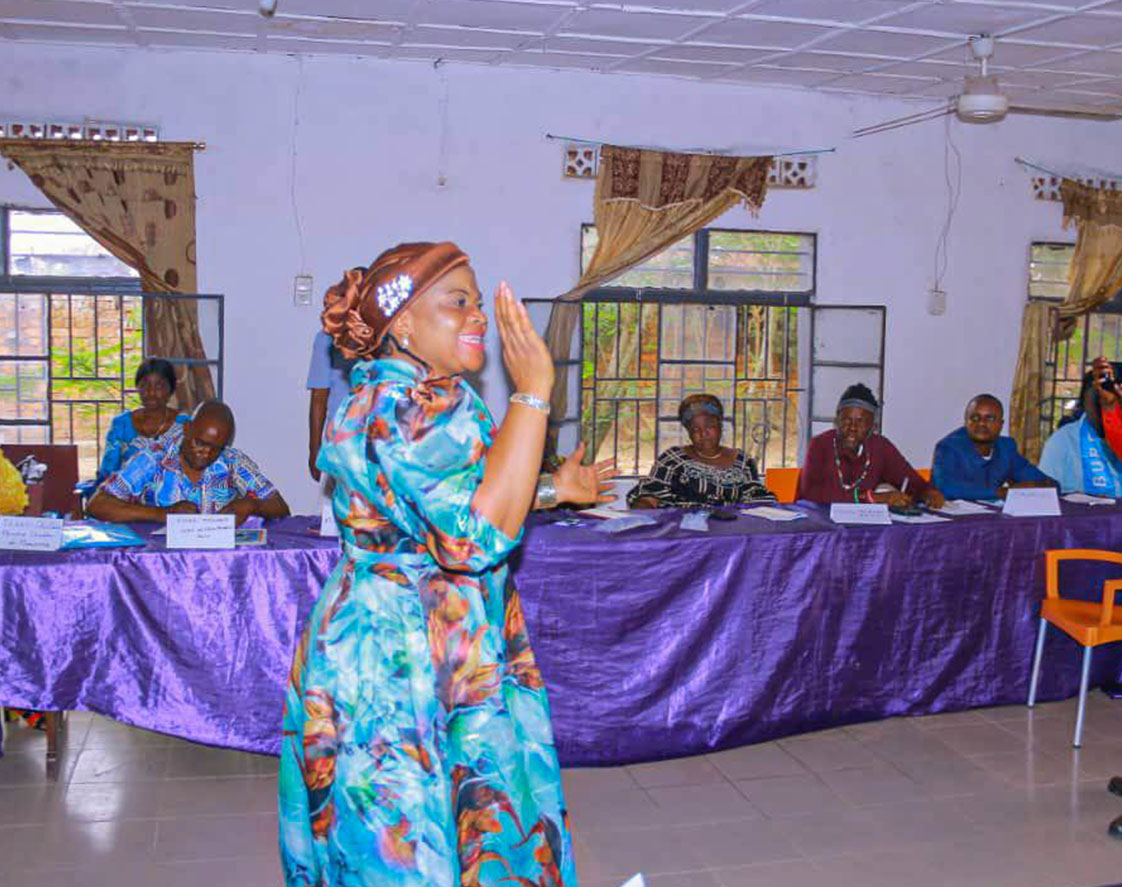
“We need not just more funding but better funding; flexible funding. When feminist groups take the lead in responding to crises and building societies in their wake, we make the opportunity to create a safer and more equitable world..
Voices from our partners
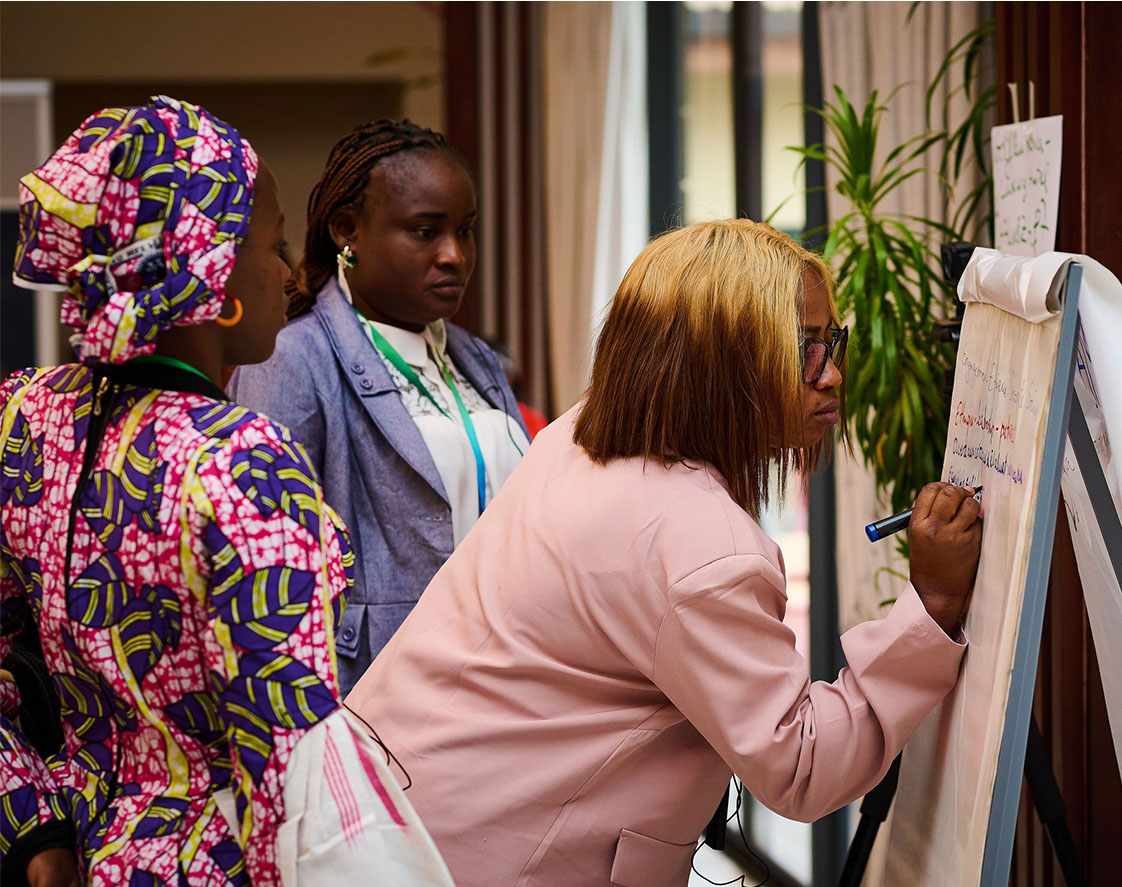
“Violence against one woman is never an isolated act; it wounds the entire family and fabric of society. In every context of conflict, the body of a woman too becomes a battlefield, and that pain echoes through generations.”
Voices from our partners
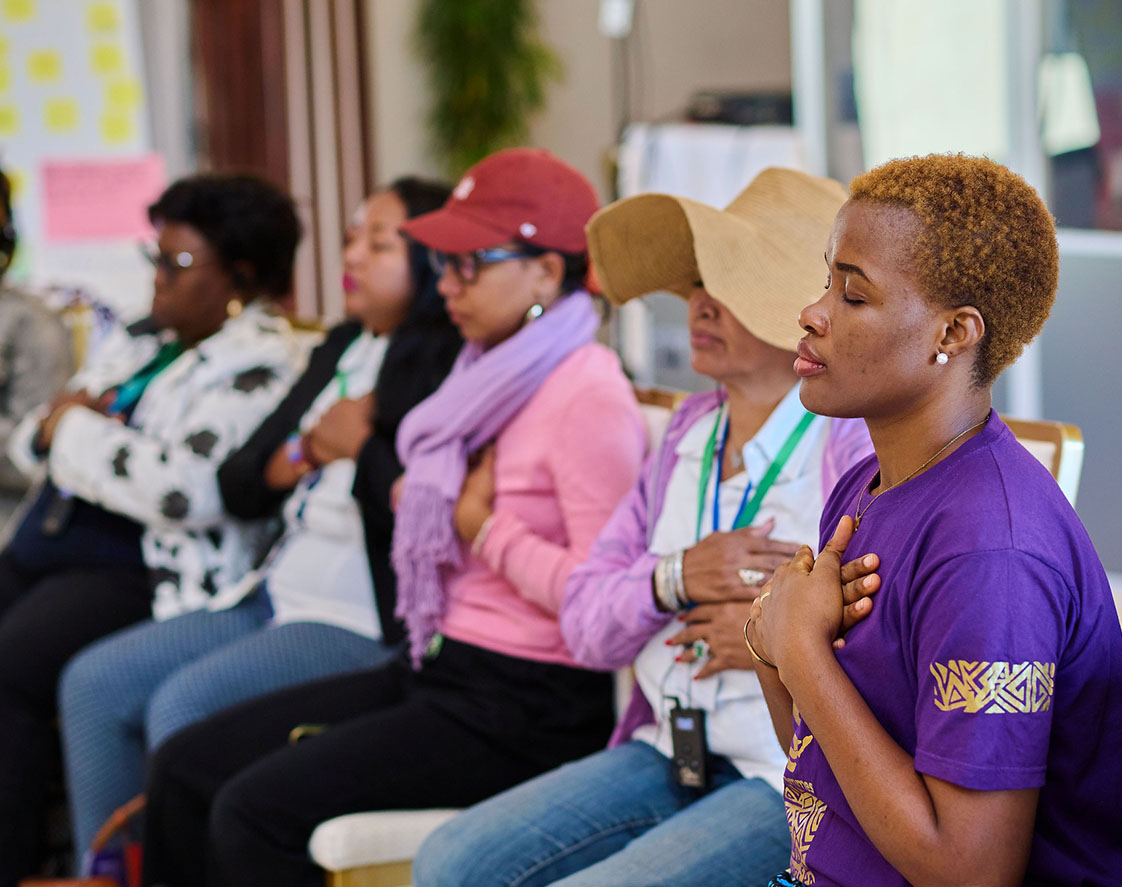
“There is strength in numbers, and it’s time for women to stop working in isolation and instead join forces to make their voices heard across borders,”
Consortium Members

Funding Partner
The consortium has so far disbursed a total of €240,000 in direct resourcing to 27 feminist and women’s rights organisations across 10 countries to strengthen their capacity to resist anti-rights backlash in their national and regional contexts.. The funded partners are advancing a range of strategies, including narrative shift, digital and physical security, intergenerational leadership development, feminist organising, and rights-based advocacy in increasingly hostile environments.
Countering Backlash Through Narrative Shift and Public Advocacy
In Benin, partners are leveraging the power of filmmaking, storytelling, and movement building to drive cultural shifts, promote gender equality, and mitigate the impact of emerging anti-gender movements.
In Cameroon, partners are centring and including the voices of women with disabilities in the digital spaces through training on digital activism, as well as countering negative narratives about domestic work by advocating for the rights and dignity of domestic workers.
In Côte d’Ivoire, partners are shifting narratives around menstrual health and sex work through awareness raising, promoting sex workers’ rights, and combating gender based violence and exploitation.
In the Central African Republic, partners are amplifying feminist counter-narratives that centre bodily autonomy and justice on sexual and reproductive health through developing a policy brief and popularising a manual on SRHR.
In DRC, partners are contributing towards promoting positive masculinity and women’s rights, feminist advocacy, digital and physical security, survivor-centred approaches to fighting violence, empowering young WHRDs to challenge discriminatory norms by engaging with religious and community leaders, and providing psychosocial support and emergency protection measures.
Core support to partners in Ghana will help build resilient, robust LBQ-led organisations working to address mental health and SRHR issues, as well as support the financial freedom and literacy of small LBQ-led businesses, leading to their autonomy, safety, and resilience in the face of systemic discrimination and economic exclusion.
In Madagascar, partners are working on intersecting issues such as reproductive justice, climate justice, gender based violence, and child marriage. Their work will contribute to strengthening bodily autonomy, fighting against violence and the regression of human rights fueled by anti-rights and gender movements, whilst addressing issues of climate change and reproductive justice.
In Mauritania, partners are working to advocate for adopting a proposed law to protect women, which has been blocked in Parliament for eight years due to distortions and backlash from parties antagonistic to women's rights, as well as challenging negative stereotypes that limit women and their sexual and reproductive health rights.
In Togo, partners are working to strengthen feminist movements and allyship within communities, enabling them to actively resist anti-rights/anti-gender movements while advocating for the protection and advancement of identities and rights, and combating gender-based violence.
In Senegal, partners are creating a feminist space for memory, political analysis, and collective mobilisation through panels and dialogues on reproductive justice and gender-based violence, to consolidate past victories while resisting patriarchal agendas.
WHAT IS CHANGING
Issues surrounding women’s rights, menstruation, gender-based violence, and sexual and reproductive health remain heavily stigmatised due to deep-rooted cultural, religious, and patriarchal ideologies, with marginalised groups, especially in rural areas, lacking both awareness and the ability to exercise their rights. Despite these challenges, ten funded partners across six countries —Benin, Côte d’Ivoire, Mauritania, Madagascar, Togo, and Ghana — have made significant strides in increasing awareness of domestic workers' rights, GBV, and menstrual health. Creating safe spaces for survivors and organising training on rights, key populations such as gender diverse individuals, female sex workers, teenage mothers, and women with disabilities have seen their confidence and self-esteem boosted. They now have a better understanding of their rights and are actively claiming them.
Recognising that collective action yields greater impact than isolated efforts, five organisations across Cameroon, Mauritania, Côte d'Ivoire, and Togo joined other networks and alliances to strengthen their efforts and amplify advocacy against anti-rights movements. A new cross-border movement, "Voices for Inclusion and Equality," has emerged in Cameroon, uniting women with disability-led organisations across five countries (Cameroon, Togo, Benin, DRC, and Burkina Faso). It aims to increase visibility for women and girls with disabilities, improve access to legal, psychosocial, and SRHR services, and ultimately influence policy changes while establishing counter-narratives against anti-rights actors.
In DRC, following a training, three traditional chiefs and religious leaders publicly committed to promoting positive masculinity and countering stereotypes about women's rights. In CAR, a policy brief was developed and a manual on SRHR popularised, amplifying feminist counter-narratives centred on bodily autonomy.

We stand at a crossroads. Down one path lies regression, silence, and the systematic erasure of decades of progress.
Down the other lies a future where gender justice isn’t just an aspiration, it’s a lived reality for every person across Africa.
Join the campaign
Whether you’re a funder, activist, ally, or organisation, join us in saying No to Backlash. Let’s build a continent where feminist resistance is unstoppable and gender justice is non-negotiable.
Add your voice, join the #NoToBacklash campaign
Share your solidarity using #NoToBacklash.
Follow us on social media
Facebook: African Women’s Development Fund
LinkedIn: African Women’s Development Fund
X: @Awdf_01
Instagram: @the_awdf
Visit the campaign webpage : https://bit.ly/3LVmRgF