
Tag: female genital mutilation
From artivism to government lobbying: Shifting the needle in ending FGM
From artivism to government lobbying: Shifting the needle in ending FGM
“Back then, I was a small girl and they took us to older girls who had undergone FGM. They used tricks on me. I was told I would grow a tail if the clitoris was not removed. I believed them… It turned out to be a very painful ordeal,” Khaltuma, Anti Female Genital Mutilation (FGM) champion in Kenya says recalling the fear, the pain, the sense of violation.
According to the 2022 Kenya Demographic and Health Survey (KDHS), the prevalence of FGM in Kenya is 15% among women aged 15-49 years. Horn of Africa institute (HAI) an organisation working in Kenya on Sexual reproductive Health and Rights, Gender and Social Inclusion, Climate Change amongst others has been working with girls and women like Khaltuma through concerted efforts to end FGM.
To contribute to the eliminate of FGM HAI is using mutiple strategies to drive change in the community. According to Pascalina Nthamba, Program Manager at HAI the organisation is actively lobbying the Isiolo County government and other stakeholders to develop an Anti-FGM policy and establish a safe house for survivors of FGM and other forms of gender-based violence (GBV). “Our formal commitment, to be read on Zero Tolerance Day for Ending FGM 2025, will hold both national and county governments accountable for their efforts in combating FGM,” she said.
Through the POWER project, the organisation is also training women leaders on protecting girls from FGM/C and providing psychosocial support to survivors in schools to aid in their trauma healing process.
As efforts to end FGM continue to evolve a crucial aspect of the work at HAI has been the involvement of men and boys. Through this action HAI has trained and commissioned ten community male champions as anti-FGM change agents to support prevention, response, and reporting efforts.
Although work on legal frameworks and lobbying remains central in this fight, HAI has also fused art with activism offering an innovative approach which deeply resonates with community engagement. “We utilise “Artivism”—employing arts and culture, including dance, skits, and traditional songs to convey sensitive messages to the community and educate them about the negative effects of FGM.”
On this International Day of Zero Tolerance FGM, HAI is sending a message of of urgent action and unwavering hope. FGM is a grave violation of human rights, a brutal practice that inflicts lifelong physical and psychological harm on girls and women. It’s a practice rooted in harmful traditions, but tradition is not an excuse for abuse. We must collectively shatter the silence surrounding FGM and amplify the voices of survivors. My hope lies in the growing global movement of activists, communities, and governments working tirelessly to end this practice. But hope is not enough. We need concrete action: stronger laws, effective enforcement, community-led initiatives, and accessible support services for survivors. Let us move beyond tolerance and embrace a world where every girl is safe, valued, and empowered to reach her full potential. Let’s make FGM a practice of the past, not the future,’’ Nthamba says.
Some of the key lessons learnt from implementing work on FGM in Kenya include
- FGM is deeply embedded in cultural practices and beliefs. Efforts to address it must be approached with sensitivity and respect for cultural contexts. Understanding the specific reasons behind the practice in each community is crucial for developing effective strategies. Condemnation and judgment are counterproductive; dialogue and collaboration are key.
- Sharing the stories of survivors can be incredibly powerful in changing hearts and minds. When people hear firsthand accounts of the pain and suffering caused by FGM, it can create empathy and motivate action. However, it’s vital to ensure that survivors share their stories on their own terms and with their full consent, and that they receive adequate support.
- While FGM is primarily a practice that affects girls and women, men play a critical role in perpetuating it. Engaging men as allies and advocates in the fight against FGM is essential for achieving lasting change.
- Ending FGM requires a multi-sectoral approach. Collaboration between governments, NGOs, community-based organizations, healthcare providers, law enforcement, and other stakeholders is essential for creating a comprehensive and effective response.
- While the fight against FGM is a long and challenging one, it’s important to celebrate the progress that has been made. Recognizing and celebrating successes can help to maintain momentum and inspire further action.
In order to put an end to the persistence of FGM in the country more support is still needed to accelerate efforts to end FGM. HAI recommends the following:
- More robust data on FGM prevalence, trends, and the effectiveness of different interventions is needed to inform evidence-based strategies.
- Working with communities to establish reporting mechanisms and support and localized referral systems for survivors can help improve law enforcement effectiveness.
- Supporting community-led dialogues and sensitization through chief ‘Barazas’(public meetings) campaigns that address the root causes of FGM and promote positive social norms.
- Supporting advocacy efforts to strengthen policies, advocating for investment in the development and implementation of culturally appropriate alternative rites of passage that celebrate girls’ transition to womanhood without resorting to FGM.
- Providing economic opportunities and education for women and girls can empower them to make their own choices and resist pressure to undergo FGM.
- Sharing best practices and lessons learned between different communities and countries can help accelerate progress to end FGM.
- Implementation, enforcement, strengthen and harmonization of National anti-FGM laws and advocating for county-level laws.
- Capacity Building for Law Enforcement, training police officers, prosecutors, paralegals and judges on FGM-related laws and procedures is essential for effective prosecution of perpetrators.
***
The contents of this article are from Horn of Africa institute (HAI), an AWDF grantee partner working in Kenya supported under the Leading from South.
Influencing communities to end FGM in Ebonyi and Cross River Nigeria
Influencing communities to end FGM in Ebonyi and Cross River Nigeria
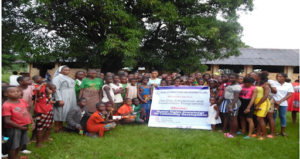
Despite progress, FGM remains prevalent in Nigeria, violating the rights of women and girls. A 2023 report by the Spotlight Initiative to End Violence Against Women and Girls states that FGM affects 8% of girls aged 0–14 in Nigeria, highlighting the need for continued action.
FGM persists in southeastern and south-south states like Imo, Ebonyi, Ogun, and Osun. In Cross River, it continues in secrecy. Northern regions, including Fulani, Hausa, Kanuri, and Tiv communities, report lower cases. However, Nigeria remains burdened by FGM due to deep-rooted traditions.
Ongoing Efforts to Combat FGM
The Community Welfare and Social Initiative (CWSI) has led efforts to eliminate FGM in Nigeria. Over the past three years, CWSI has implemented projects funded by the African Women’s Development Fund (AWDF), such as “Ending FGM/Cutting and Early Marriage,” which successfully influenced communities in Ebonyi and Cross River to abandon the practice. The Ekajuk Kingdom in Ogoja even enacted customary laws banning FGM.
While CWSI no longer runs an exclusive FGM project, it integrates anti-FGM campaigns into broader programs addressing gender-based violence, human trafficking, and human rights. The inclusion of FGM bans in the customary laws of Obanliku is a testament to this effort. CWSI is also training community advocates to sustain change.
Key Lessons Learned
Through years of engagement and advocacy CWSI has gained valuable insights into the fight against FGM. Their experiences working in and through communities has shown them that:
- Engaging communities fosters acceptance and abandonment of FGM.
- Customary laws help regulate behavior and sustain change.
- Empowering women and girls strengthens advocacy efforts.
- Successful interventions must be scaled and replicated.
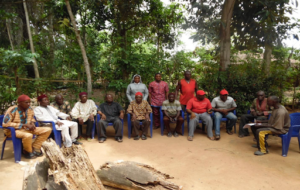
Accelerating Efforts to End FGM
To accelerate progress, CWSI emphasizes:
- Community education on FGM’s harmful effects
- Policy reforms with support from older generations
- Grassroots funding for women-led organizations
- Alternative rites of passage to replace FGM
The fight against FGM continues, but progress made by organizations like CWSI offers hope. By amplifying survivors’ voices, empowering communities, and advocating policy changes, we can work toward a future free from FGM. Let’s renew our commitment to ending this practice.
Sources:
- UNICEF: https://www.unicef.org
- Spotlight Initiative: https://www.spotlightinitiative.org
***
The contents of this article are from Community Welfare and Social Initiative (CWSI) , an AWDF grantee partner in Nigeria supported under the Leading from South initiative.
From creating safe spaces to challenging traditional norms on FGM in Uganda: A Focus on Kitabu Integrated Development Association
From creating safe spaces to challenging traditional norms on FGM in Uganda: A Focus on Kitabu Integrated Development Association
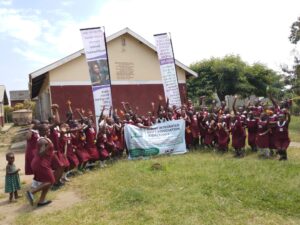
Female Genital Mutilation (FGM) is gradually declining in Uganda, credit to coordinated efforts across multiple sectors. The country has been particularly focusing on addressing Labia Minora Elongation (LME), a harmful practice targeting girls aged 8-14 that is deeply rooted in cultural misconceptions.
These practices persist due to harmful myths suggesting that labia elongation provides benefits such as reduced birth pain, protection from HIV, prevention of rape, and increased marriageability. State Minister of Gender and Culture, Peace Regis Mutuuzo, has been instrumental in challenging these beliefs, emphasizing that girls are sent to schools to be empowered, not prepared for early marriage.
Recognising the complex nature of FGM, Kitabu Integrated Development Association (KIDA) has developed a multifaceted approach to combat these harmful practices. Their strategy centers on comprehensive education, empowerment, and advocacy. They conduct mobile health camps in schools and villages, explaining the health impacts of Labia Minora Elongation (LME) and other forms of female genital modification.
The organization creates safe spaces for young girls, training peer educators and survivor movements to share their stories. By reducing the shame associated with rejecting LME, they help girls understand their human rights and the physical, sexual, and psychosocial problems associated with these practices. Their work extends to sensitization workshops targeting religious and traditional leaders, challenging the cultural sensitivity surrounding LME.
Critically, the organisation involves men and boys in their campaigns, addressing the misconception that such practices enhance sexual pleasure. Through radio and television talk shows, they increase public awareness about FGM and its consequences. They also educate healthcare workers about the physical and psychosocial impacts, helping to reduce discrimination and marginalization of affected girls.
Key Learnings and Insights
The most profound lesson learnt by KIDA is thathat FGM affects entire communities, not just individual girls. Young women often practice these harmful traditions due to cultural norms, peer pressure, and expectations from parents and schools. The solution requires a collective approach involving girls, boys, men, women, survivors, stakeholders, communities, and organizations working together to dismantle harmful norms.
Support Needed to Accelerate Change
With only six years remaining to meet the 2030 target of eliminating FGM, urgent support is crucial. KIDA calls for increased investment in grassroots organisations working directly with communities that practice FGM. Collaboration between government, non-governmental organizations, and community members is essential.
On International Day of Zero Tolerance against FGM, KIDA shares “to every young girl, your body is yours alone. You have the right to make choices, to be beautiful and valuable just as you are, and to seek help and support when needed.”
The path to ending FGM is through education, empowerment, and collective action.
***
The contents of this article are from KIDA, an AWDF grantee partner in Uganda.
Fueling a growing movement against FGM in Sierra Leone
Fueling a growing movement against FGM in Sierra Leone
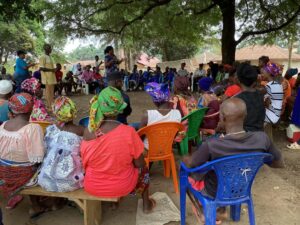
Female Genital Mutilation (FGM) remains a grave issue affecting millions of women and girls worldwide, particularly in Sierra Leone, where the practice is deeply rooted in cultural traditions. Despite its severe physical and psychological consequences, FGM/C persists due to societal pressures and a lack of legal protection. On this International Day of Zero Tolerance for FGM, Women’s Action for Human Dignity – Sierra Leone (WAHD-SL) reaffirms their commitment to eliminating this harmful practice through advocacy, education, and community-driven initiatives.
The Reality of FGM in Sierra Leone
Sierra Leone lacks a specific law criminalizing FGM, leaving countless women and girls exposed to the risk of this practice. A temporary ban was imposed in 2014 due to the Ebola crisis but was later lifted. The practice remains widespread, especially in the northern regions, where it is upheld by social norms. According to the Demographic and Health Survey (DHS), 95.5% of affected women undergo FGM at the hands of traditional practitioners. The absence of legal frameworks and government intervention has created a critical gap in protection (UNICEF, 2023).
WAHD-SL Strategy to End FGM
WAHD-SL is actively working to combat FGM through its flagship project, In Her Shoes, funded by the African Women’s Development Fund (AWDF). This initiative aims to shift social norms and empower communities to abandon harmful practices. The projects core activities include:
- Educational Workshops and Advocacy Forums: Partnering with women-led organizations, civil society groups, and community leaders to amplify awareness and enhance advocacy efforts.
- Engagement with Traditional Practitioners (Soweis): Forming Soweis’ Associations to help practitioners transition to alternative means of livelihood.
- Community-Led Dialogue Sessions: Hosting discussions with ‘positive deviants’—individuals who have rejected harmful traditions—to share experiences and propose solutions.
- Training and Capacity Building Initiatives: Providing healthcare workers, traditional birth attendants, and youth advocates with knowledge and skills to promote alternative rites of passage and safeguard girls’ rights.
- Collaboration with Religious and Traditional Leaders: Empowering influential figures to champion women’s rights and advocate for legal reforms.
Transforming Communities: Key Achievements and Challenges
WAHD-SL’s initiatives have significantly increased public awareness, strengthened community engagement, and fueled a growing movement against FGM. Key lessons from this work include:
- The active involvement of community and religious leaders is crucial for dismantling long-standing traditions.
- Offering alternative economic opportunities to traditional practitioners helps reduce their reliance on FGM as a source of income.
- Youth participation is essential for ensuring generational change and sustaining advocacy efforts.
- Continuous legal advocacy is necessary to push for national legislation banning FGM.
Despite these successes, challenges persist. Cultural resistance and a lack of political will continue to slow progress. However, through sustained education, advocacy, and policy reforms, the structures that perpetuate FGM can be dismantled.
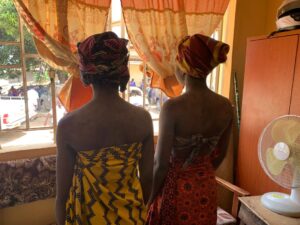
A United Call for Action
On this International Day of Zero Tolerance for FGM, WAHD-SL calls on governments, civil society, and international organizations to strengthen efforts against this human rights violation. To accelerate progress, we advocate for:
- Legislative Action and Policy Reforms: Governments must enact and enforce laws that criminalize FGM.
- Sustained Funding for Grassroots Initiatives: Increased financial support is needed to sustain awareness campaigns and community-based interventions.
- Strategic Partnerships with Traditional and Religious Leaders: Engaging influential figures can help transform societal attitudes towards FGM.
- Comprehensive Awareness and Advocacy Programs: Providing resources and training for women, girls, and communities is vital to fostering long-term change.
Together, we can create a world where women and girls are free from the dangers of FGM.
***
References and Further Reading:
The contents of this article are from Women’s Action for Human Dignity – Sierra Leone (WAHD-SL), an AWDF grantee partner Sierra Leone supported under the Leading from South initiative.
The Cost of Inaction: Fund African Feminists and Women Rights Organisations to End FGM
The Cost of Inaction: Fund African Feminists and Women Rights Organisations to End FGM
In October 2024, the death of 18 year old Napala Nangiro in Uganda, was reported by UNFPA. She tragically lost her life during childbirth due to complications related of Female Genital Mutilation (FGM). Not long before then, in August 2024, the death of another teenage girl following a circumcision operation in a private hospital in Egypt had also been reported in the news. Again, earlier in the year a DW report had revealed the death of three young girls in Sierra Leone – aged 12, 13, and 17, allegedly due to FGM complications. These are more than just isolated news reports and occurrences, these deaths are not just a tragedy; they are a stark reminder of what happens when we fail to adequately support and resource the fight against this harmful practice. Through our work and research, we know these documented cases represent only a fraction of the true toll, which is countless other deaths and complications that go undocumented.
Today, as we mark the International day of Zero Tolerance against FGM, the stakes could not be higher. According to the UNICEF 2024 data, over 230 million girls and women have undergone FGM, with Africa accounting for 144 million – almost half of the total number. Without accelerated action, 68 million more girls worldwide face this risk of FGM by 2030 making this more African girls at risk. Behind these statistics are daughters, sisters and humans whose bodies, futures and lives hang in the balance.
Across Africa, the legal landscape for protecting girls from FGM reveals a troubling pattern of gaps between legislation and implementation. Guided by the Maputo Protoccol on the rights of women in Africa, majority of African countries have passed legislations to criminalise FGM, however, implementation and progress remain slow. The landscape is increasingly complex, especially with the emergence and rise of anti-rights movements in Africa. The Gambia, for example witnessed a troubling development in 2024 when members of parliament proposed legislation to reverse the country’s 2015 ban on FGM. This attempt, though ultimately unsuccessful, revealed the fragility of progress and the persistent influence of those who seek to maintain this harmful practice under the guise of cultural and religious preservation.
In Mali, despite a prevalence rate of approximately 89% among women aged 15 to 49, efforts to enact anti-FGM laws have stalled due to resistance from religious and traditional leaders. While Chad has incorporated FGM prohibition into its Penal Code, the law’s effectiveness is undermined by vague definitions and unclear enforcement mechanisms. This pattern repeats across the continent: some countries have strong laws that go unenforced, others have ambiguous legislation that proves difficult to implement, and still others have no legal protections at all. The result is devastating, leaving millions of girls vulnerable to FGM despite decades of advocacy for their protection. When anti-FGM laws exist merely on paper, or are non existent, perpetrators act with impunity while girls pay the price with their bodies and lives.
Despite severe constraints, African feminist and women led organisations are spearheading a revolutionary approach to ending FGM, achieving remarkable success despite severe resource constraints. The evidence is compelling, when African women lead anti-FGM initiatives, they consistently deliver transformative results. In The Gambia, feminists and women’s rights organisations demonstrated their power when they successfully countered attempts to repeal anti-FGM legislation through strategic community mobilisation and effective engagement with lawmakers, protecting countless girls from harm. Kenya’s journey showcases the impact of persistent advocacy, culminating in the landmark 2011 Prohibition of Female Genital Mutilation Act. This achievement was further strengthened by the pioneering 2016 East African Community Prohibition of Female Genital Mutilation Bill, marking the first regional approach to addressing cross-border FGM.
Across countries and communities, AWDF grantee partners exemplify these results through their informed interventions. The Kitabu Integrated Development Association in Uganda is breaking new ground by empowering young girls to resist labia minora elongation practices while promoting positive body image and self-esteem, ensuring a future where girls are free from harmful traditional practices. In Benin, the Réseau des Femmes Leaders pour le Développement (RFLD) implements comprehensive anti-FGM programs that combine survivor support, legal advocacy, healthcare worker training, and community education, with a current focus on incorporating FGM awareness into school curricula. Similarly, REPSFECO’s innovative “Touche pas mon sexe” project addresses vaginal lip stretching through community dialogues and leadership training for girls across six districts.
In Nigeria, the advocacy efforts of Centre for Women Studies and Interventions in Ebonyi and Cross River States led to positive behavioural change and the establishment of a customary law against FGM in Ekajuk Kingdom of the Ogoja Local Government Area. In Sierra Leone, despite the lack of specific law criminising FGM, Women Action for Gender Equality and Women’s Action for Human Diginity continue intervention in rural communities through advocacy, trainings and community initiatives to inspire positive change. African feminists and women-led organisations across the continent are employing a multi-faceted approach encompassing grassroots organizing, educational workshops, legislative advocacy, and strategic funding initiatives.
These successes, among the many wins and progresses led by African feminists and women are even more remarkable given a devastating reality. According to the 2023 Where is the Money for Black Feminist Movements report by the Black feminist Fund 5% of human rights funding and about 0.1% – 0.35% of global foundation giving went to Black women, girls and trans people.
Over the past 25 years, AWDF has witnessed the transformative impact of supporting feminist and women led organisations and movements fighting FGM across the continent. We stand in solidarity with them and the women and girls who have survived FGM in Africa and across the world. The value and power of feminist and women led funding and interventions cannot be overemphasised. So we reaffirm our commitment to resourcing and supporting movements, women’s rights organisations,, feminist organisations, collectives and activists to accelerate progress in ending FGM. The price of inaction is heavy, the time to fully resource African feminists and women to eliminate FGM and all other forms of violence is now.
The solution is clear. We must:
- Scale up flexible, multi-year funding for African women and feminist led anti-FGM initiatives.
- Fund comprehensive approaches that address FGM within broader gender justice work.
- Support African research and knowledge creation on prevention and social change strategies.
- Resource survivor and community led advocacy practices.
As we move forward, we must understand and accept that stopping FGM requires more than a commemoration day. This year’s theme Stepping up the Pace: Strengthening Alliances and Building Movements to End FGM emphasises the need to double efforts and push for more long term strategic funding of feminist movements and women’s rights organisations. The way to zero tolerance for FGM is through the heart of African communities led by African women, girls and feminists.
To our donors and funding partners, the time for token support must end with all of us. African feminists and women’s organisations have proven their effectiveness with minimal resources. Just imagine what they could do with adequate and sustained funding.
To African governments, match strong legislation with robust implementation and community engagement. The success stories in your own countries show what is possible when political will meets grassroots action. Your support for feminists and women’s organisations must go beyond policy to include substantial and sustained action and resourcing.
Girls do not have to die from the persistence of this harmful practice. Their futures should not be stolen by FGM and our collective failure to adequately resource those fighting to end this practice. Let this International Day of Zero Tolerance and days to follow mark the moment when rhetoric finally matches resourcing, commitment and action.
Holistic approaches in ending FGM in The Gambia: GAMCOTRAP’s Resilience
Holistic approaches in ending FGM in The Gambia: GAMCOTRAP’s Resilience
In 2025, FGM remains a persistent practice in The Gambia, despite being banned since 2015. The parliamentary debate over the anti-FGM law in 2024 highlighted the ongoing challenges. When a private member’s bill sought to repeal the existing law, 30 out of 65 members of parliament voted to maintain the anti-FGM law in the country.
The Gambia Committee on Traditional Practices Affecting the Health of Women and Children has been at the forefront of combating FGM through a multifaceted approach. Their three-decade-long efforts focus on culturally sensitive strategies that challenge harmful practices while respecting community dynamics. Key initiatives include community-based surveillance, where regional coordinators monitor and prevent FGM cases. In a recent success, five out of eight girls were saved from undergoing FGM in the Central River Region.
Dr. Isatou Touray, Executive Director of GAMCOTRAP powerfully states, “The fight against FGM is not just the responsibility of women, it requires the collective effort of all stakeholders, including men, policymakers, traditional leaders, and the global community.” The organisation employs comprehensive strategies such as engaging traditional and religious leaders, empowering youth and men as allies, and providing alternative employment for ex-circumcisers. Their work extends beyond immediate intervention to systemic change through policy advocacy and rights education
Key Learnings and Insights
A key lesson for GAMCOTRAP in their efforts to end the persistence of FGM in Gambia is that sustainable change requires holistic community involvement. When women and girls understand their rights and the risks associated with FGM, they become powerful agents of change. The approach combines legal frameworks, social mobilization, and economic empowerment to create lasting impact.
Notably, the fight against FGM is no longer seen as solely a women’s issue. Men, youth, and community leaders are increasingly recognised as crucial allies in challenging harmful traditions while respecting cultural values.
Support Needed to Accelerate Change
To accelerate FGM elimination, a coordinated approach is essential. This includes:
- Systematic engagement of community structures
- Survivor-led programs challenging gender norms
- Increased funding for grassroots organizations
- Sustainable financial support for prevention programs
***
The contents of this article are from GAMCOTRAP, an AWDF grantee partner in The Gambia, supported under the Komboa Initiative
United Nations General Assembly resolution on intensifying global efforts for the elimination of female genital mutilations
United Nations General Assembly resolution on intensifying global efforts for the elimination of female genital mutilations
Please click the link below to download resolution:
Liberian jury delivers “guilty” verdict on Ruth Berry Peal’s case
Liberian jury delivers “guilty” verdict on Ruth Berry Peal’s case
[tp lang=”en” not_in=”fr”]FOR IMMEDIATE RELEASE
Contact: Mary Ciugu, (254) 20 271-9832/913
July 11, 2011
equalitynownairobi@
LIBERIAN JURY DELIVERS “GUILTY” VERDICT ON RUTH BERRY PEAL’S CASE
On 8 July 2011, the case of Ruth Berry Peal, who was forcedly genitally mutilated, rested after one month of hearings. The jury retired to deliberate on the arguments presented by the state prosecutor and the defense lawyers and returned with a verdict of “Guilty”. The judge announced that he will deliver the sentence in five days but before adjourning made references to the Liberian Constitution and article 4(1) of the African Protocol on the Rights of Women which provides for “Every woman shall be entitled to respect for her life and the integrity and security of her person. All forms of exploitation, cruel, inhuman or degrading punishment and treatment shall be prohibited.”
Equality Now and its Liberian partners, the Women of Liberia Peace Network (WOLPNET) and Women NGOs Secretariat of Liberia (WONGOSOL), welcome the Jury’s declaration and are eager to learn about the final judgment. Una Kumba Thompson, Chief Executive Officer of WOLPNET said, “women look up to the Judiciary for justice and Liberia is obliged under article 8(a) of the Protocol on the Rights of Women to ensure “…. effective access by women to judicial and legal services, including legal aid …..”; and so we are very pleased about the support the government provided Ruth Peal in exercising her right to seek justice”.
On behalf of Ruth Berry Peal who was forcefully mutilated by two members of the Gola ethnic group, and to complement efforts of local partners to secure justice for her, Equality Now launched an international campaign calling for justice for Ruth and for Liberia to criminalize female genital mutilation (FGM) as is its obligation under Article 5 of the Protocol to the African Charter on Human and Peoples’ Rights on the Rights of Women in Africa, ratified in December 2007 (click here to view the campaign). Faiza Mohamed, Equality Now Nairobi Office Director, stated, “The swiftness in which the Government acted to ensure Ruth has access to justice is exemplary; however it needs to demonstrate leadership in eliminating the practice, including enacting legislation to protect girls and women from this human rights violation.”
Upon persistent advocacy from local organizations and Equality Now to ensure that Ruth Berry Peal obtained justice, her case was moved to a neutral location away from the influence of the Gola community that upholds the harmful traditional practice of FGM. The case started in Monrovia last month and concluded on 8 July 2011. The two accused women were both found guilty and await their fate in a judgment that is expected to be delivered this week.
Liberia has a very high prevalence rate of FGM. A staggering 58 percent of women and girls have been subjected to FGM, as they are initiated into the Sande society. Equality Now and its partners continue to urge the government of Liberia to take expeditious action to protect girls and women from female genital mutilation, and, to this end, call on the Liberian government to stop issuing permits to the FGM practitioners, to initiate the process towards enactment of a law criminalizing FGM and to invest in public education against the practice.
For more information on this campaign visit www.equalitynow.org[/tp]
[tp lang=”fr” not_in=”en”]
POUR DIFFUSION IMMÉDIATE
Contact: Mary Ciugu, (254) 271-9832 20/913
11 juillet 2011
equalitynownairobi@
JURY DU LIBERIA DECLARE «COUPABLE» VERDICT SUR LE CAS DE RUTH BERRY PEAL
Le 8 Juillet 2011, le cas de Ruth Berry Peal, qui a été forcée des mutilations sexuelles, a reposé après un mois d’audiences. Le jury s’est retiré pour délibérer sur les arguments présentés par le procureur de la République et les avocats de la défense et revint avec un verdict «coupable». Le juge a annoncé qu’il livrera la phrase en cinq jours, mais avant d’ajourner les références faites à la Constitution et à l’article 4 (1) du Protocole africain sur les droits de la femme qui déclare: «Toute femme libérienne a droit au respect de sa vie, l’intégrité et la sécurité de sa personne. Toutes formes d’exploitation, les peines et traitements cruels, inhumains ou dégradants sont interdites. ”
Egalité Maintenant et ses partenaires libériens, Women of Liberia Peace Network (WOLPNET) et l’ONG Women NGOs Secretariat of Liberia (WONGOSOL), se félicitent de la déclaration du jury et sont désireuses d’apprendre sur le jugement final. Una Kumba Thompson, chef de la direction de WOLPNET dit, “les femmes se tournent vers la magistrature pour la justice et le Libéria est tenu en vertu de l’article 8 (a) du Protocole sur les droits des femmes afin de garantir« …. l’accès effectif des femmes aux services judiciaires et juridiques, y compris l’aide juridique … .. “; et nous sommes très heureuses de l’appui que le gouvernement a fourni à Ruth Peal dans l’exercice de son droit de demander la justice “.
Au nom de Ruth Berry Peal qui a été mutilée avec force par deux membres de l’ethnie Gola, et à compléter les efforts des partenaires locaux d’obtenir justice pour elle, Egalité Maintenant a lancé une campagne internationale appelant à la justice pour Ruth et pour le Libéria à criminaliser les mutilsations génitales féminines Féminines (MGF) comme son obligation en vertu de l’article 5 du Protocole à la Charte africaine des droits de l’homme et des peuples relatif aux droits des femmes en Afrique, ratifié en Décembre 2007 et humaines (cliquer ici pour voir la campagne). Faiza Mohamed, directeur du Bureau de Nairobi d’Egalité Maintenant , a déclaré: «La rapidité dans lequel le gouvernement a agi pour assurer Ruth a accès à la justice est exemplaire; mais il doit faire preuve de leadership dans l’élimination de la pratique, notamment en adoptant des lois pour protéger les filles et les femmes de cette violation des droits de l’homme ».
Sur le plaidoyer persistant des organisations locales et Egalité Maintenant pour assurer que Ruth Berry Peal a obtenu la justice, elle a été déplacée dans un endroit neutre loin de l’influence de la communauté Gola qui respecte les pratiques traditionnelles néfastes des MGF. L’affaire a commencé à Monrovia le mois dernier et s’est conclu le 8 Juillet 2011. Les deux femmes accusées ont toutes deux été reconnues coupables et attendent leur sort dans un jugement qui devrait être livré cette semaine.
Le Liberia a un taux très élevé de prévalence des MGF. Il est stupéfiant que 58% des femmes et des jeunes filles ont été victimes de MGF, car elles sont initiées à la société Sande. Egalité Maintenant et ses partenaires continuent d’exhorter le gouvernement du Libéria à prendre rapidement des mesures pour protéger les femmes et les filles contre les mutilations génitales féminines, et, à cette fin, appeler le gouvernement libérien à cesser de délivrer des permis aux praticiens de MGF, pour lancer le processus vers la promulgation d’une loi pénalisant les MGF et à investir dans l’éducation publique contre la pratique.
Pour plus d’informations sur cette campagne, visitez www.equalitynow.org