
Category: news blog group
Gender & Rhodes Must Fall Debate by Simamkele Dlakavu
Gender & Rhodes Must Fall Debate by Simamkele Dlakavu
[tp lang=”en” not_in=”fr”]This article was originally posted on The Journalist.
South Africa has been forced to look at ways to ‘decolonialise’ and transform its white dominated academic spaces and curricula. Nationwide student activism that was led by the #RhodesMustFall movement, reverberated around the world. The importance of feminism and intersectionality have been emphasised by all these student movements. But we have not had sufficient vigour and spirit in trying to create an academic space where gender is mainstreamed. We cannot continue reproducing systems and students who are not gender conscious and who think the issue of gender is only an issue for the “gender studies department”.
Academia has been criticised for the ways in which it has ignored, “pseudo included or alienated” issues of gender in its curriculum. This has been evident in my experiences and interactions as a student and young professional. My personal experience has made me even more aware of the importance of having a gender conscious curriculum at university.
There are three events that stand out.
Firstly, I attended the budget speech for the Department of Women in the Presidency in parliament last year. In the discussion after the presentation, one of the department representatives mentioned how parliament was not built with women in mind. It was built for men by men. She mentioned how the space, and the architecture was not gender sensitive. One of the examples that she highlighted was how slippery the floors were. They are made out of marble and that it’s difficult for women who wear heels to walk with ease.
Obviously, while walking in parliament, I too was conscious of my steps because indeed the floors were slippery. Before this I had not paid much attention to the notion of space and gender. I had thought about spaces being disability friendly, the need for it to have ramps, but I had never thought about spaces and architecture being female friendly. I wondered if architecture students and those studying the built environment were taught the notion of space in relation to gender.
The second moment that stands out… I was recently told a story of a female academic in the United States of America, who only referenced female thinkers in her classes and course packs. After some time, the students complained. They felt that they were learning only a “feminist perspective”. She laughed in amazement and said that last semester, she taught only male thinkers and no one even noticed or complained. This story speaks to the way in which we have universalised and normalised male thinkers/academics as the authority of thought.
Feminist Economics
Lastly, in my undergraduate years I remember my first encounter with the woman who had mesmerised me with her fierceness and political analysis on television while growing up. During her talk, she introduced herself as a Feminist Economist. Feminist Economics is a field that challenges that male and patriarchal gaze of how economics is studied and applied. It seeks to make women visible in studies where gender and race have been excluded in analyses. I realised that some of the issues that Feminists were centering were different to what students were learning at Wits economics (I had a brief stint there). It also differed from the economics I was learning in my Development Studies and International Political Economy classes. Gender issues would be mentioned, but as it is in our patriarchal society, it was always optional, additional and “a side issue”.
Much research has been conducted to try and remove the gender bias in our university curriculums. UNESCO commissioned a paper called: “From Gender Studies to Gender IN Studies: Case Studies on Gender-Inclusive Curriculum in Higher Education”. In this study they argue that we have moved past the question of the importance of a gender conscious curriculum, its importance shouldn’t even be up for question, it is evident. They present successful case studies of universities where gender has been mainstreamed like the Central European University (CEU) in Budapest, Hungary.
In their paper, they argue… “What does a ‘gender-inclusive curriculum’ openly mean? Do students in History also learn about ‘her story’? Do students in Sociology learn about ‘the gender dimension’ of the social life? Is gender part of the Engineering curricula?”
Some critics would argue that we need to be cautious of our endeavour to en-gender the curriculum. We could fall into the trap of being oversensitive. This criticism sounds so familiar. It is the same argument that has been highlighted when we point to the need to decolonialise and Africanise our academy. This criticism seeks to silence us and continue with the status quo. The male view of our society continues to be at the centre in our politics, in our media — with all male panelists in television talk shows like Judge for Yourself. A pattern that I have noticed. Recently they had an all male panel once more. In the show they “discussed and debated whether the church should be left to its own devices in deciding matters like whether a gay person or a married lesbian woman can be a pastor or bishop or occupy some other leadership position….” When I highlighted the matter, it was ignored. This pattern in all aspects of our society cannot be accepted.
The popular media influences thinking and attitudes and should honour its responsibility to all sectors of the audience.
Tertiary institutions are the spaces that direct our debates and inform new ways of thinking. A gender sensitive curriculum should be mainstreamed and compulsory. We need to challenge and train our academics who are still mostly white males in South Africa. Feminists fought for decades to make gender studies an academic discipline in our institutions of higher learning. I hope that in South Africa, it won’t take that long for gender to be mainstreamed in our academic institutions, the gender bias chains must be broken!
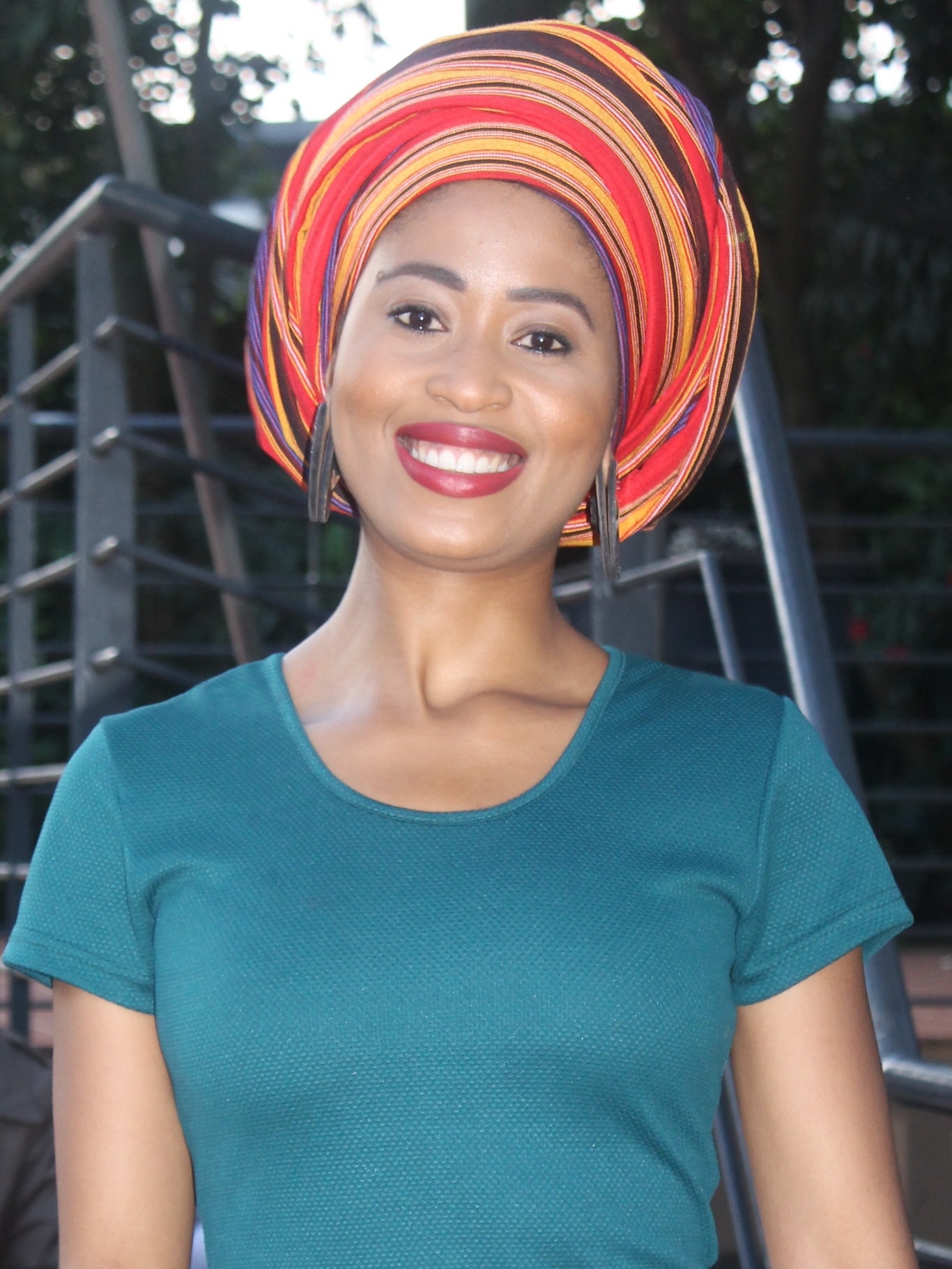 Simamkele Dlakavu is a story-teller and social activist who works as a human rights television producer on one of South Africa’s most popular current affairs shows, The Big Debate, and for international broadcasters like the BBC. Simamkele has been a youth activist since the age of 15 and recently co-founded a social enterprise called Sakha Ingomso Lethu, which means “we are building our tomorrow”. Through her work, Simamkele has represented young people in various youth summits around the African continent and the world. In 2013, she was recognized by the Moremi Initiative as one of 28 of “Africa’s Most Outstanding Emerging Women Leaders.” Simamkele was a participant in AWDF’s 2015 Writing for Social Change Workshop in Kampala, Uganda.[/tp]
Tout d’abord, j’ai assisté au discours sur le budget du ministère de la femme à la présidence au Parlement l’année dernière. Dans la discussion après la présentation, l’une des représentantes du service a mentionné comment le Parlement n’a pas été conçu pour des femmes d’esprit. Il a été construit pour les hommes par des hommes. Elle a mentionné la façon dont l’espace et l’architecture n’étaient pas sensibles au genre. Un des exemples qu’elle a mis en lumière était la façon dont les étages étaient glissants. Ils sont fabriqués en marbre et il est difficile pour les femmes qui portent des talons d’y marcher avec facilité.
Évidemment, en marchant au parlement, moi aussi je faisais attention car en effet les étages étaient glissants. Avant cela, je n’avais pas prêté beaucoup d’attention à la notion de l’espace et du sexe. J’avais pensé aux espaces étant respectueux des handicapés, la nécessité pour eux d’avoir des rampes, mais je n’avais jamais pensé à des espaces et une architecture étant adaptés aux femmes. Je me demandais si les étudiants en architecture et ceux qui étudient l’environnement bâti ont appris la notion d’espace par rapport au sexe.
Le deuxième moment qui se démarque … On m’a récemment raconté l’histoire d’une universitaire américaine, qui ne faisait référence qu’aux penseurs femminins dans ses classes et notes de cours. Après un certain temps, les étudiants se sont plaints. Ils ont estimé qu’ils apprenaient seulement une “perspective féministe”. Elle rit à la stupéfaction générale et a dit que le dernier semestre, elle a enseigné seulement à travers les penseurs masculins et personne ne le remarqua ou s’en est plaint. Cette histoire parle de la façon dont nous avons universalisé et normalisé les penseurs / universitaires masculins comme autorité de la pensée.
Economie féministe
Enfin, dans mes années de premier cycle, tout en grandissant, je me souviens de ma première rencontre avec une femme qui m’a fasciné par sa férocité et son analyse politique à la télévision. Au cours de son discours, elle se présente comme une économiste féministe. ‘Feminist Economics’ est un domaine qui défie ce regard masculin et patriarcal, de la façon dont l’économie est étudiée et appliquée. Il vise à rendre les femmes visibles dans les études où le sexe et la race ont été exclus des analyses. Je me rendis compte que certaines des questions qui ont été centrales pour les féministes étaient différentes de ce que les élèves apprennent en économie à la Wits (j’ai fait un bref passage là-bas). Il diffère aussi de l’économie, je suis des cours pour mes études sur le développement et l’économie politique internationale. Les questions de genre seraient mentionnées, mais comme toujours dans notre société patriarcale, c’était toujours en option, complémentaire et «un problème de côté”.
Beaucoup de recherches ont été menées pour tenter de supprimer le sexisme dans nos programmes d’études universitaires. L’UNESCO a commandé un document intitulé: “Des Gender Studies au genre dans les études: Etudes de cas sur les curriculums sexistes dans l’enseignement supérieur”. Dans cette étude, ils soutiennent que nous avons dépassé la question de l’importance d’un programme conscient du genre, son importance ne devrait même pas être une question, mais évident. Ils présentent des études de cas d’universités où le genre a été intégré comme la Central European University (CEU) de Budapest, en Hongrie.
Dans leur document, ils affirment … “Qu’est-ce qu’un« programme non sexiste »signifie ouvertement? Les élèves en histoire apprennent également «son histoire»? Les élèves en sociologie informez-vous sur «la dimension de genre» de la vie sociale? Le genre est partie intégrante des programmes d’ingénierie? ”
Certains critiques diront que nous devons être prudents avec nos efforts pour l’égalité des genres dans les programmes. Nous pourrions tomber dans le piège d’être hypersensible. Cette critique semble si familière. C’est le même argument qui a été mis en évidence lorsque nous soulignions la nécessité de décolonialiser et africaniser notre académie. Cette critique cherche à nous faire taire et continuer avec le statu quo. La vision masculine de notre société continue à être au centre de nos politiques, dans nos médias – avec tous les panélistes de sexe masculin à la télévision, dans les talk-shows comme un juge pour vous-même. Une chose que j’ai remarqué. Récemment, ils ont eu un panel exclusivement masculin une fois de plus. Dans le spectacle, ils “ont discuté et débattu pour savoir si l’église devrait être laissée autonome pour trancher sur des questions comme savoir si une personne gay ou lesbienne mariée peut être pasteur ou évêque ou occuper un autre poste de direction ….« Quand j’ai souligné la question, elle a été ignorée. Cette tendance dans tous les aspects de notre société ne peut pas être acceptée.
Simamkele DlakavuSimamkele Dlakavu est une conteuse et activiste sociale qui travaille comme productrice de télévision pour les droits de l’homme de l’une des plus populaires émissions d’actualité d’Afrique du Sud, The Big Debate, et pour les radiodiffuseurs internationaux comme la BBC. Simamkele a été une militante pour la jeunesse dès l’âge de 15 ans et a récemment co-fondé une entreprise sociale appelé Sakha Ingomso Lethu, qui signifie “nous bâtissons notre avenir”. Grâce à son travail, Simamkele a représenté les jeunes dans divers sommets de la jeunesse à travers le continent africain et dans le monde. En 2013, elle a été reconnue par le Moremi Initiative comme l’une des 28 «plus exceptionnelles femmes dirigeantes africaines émergentes.” Simamkele était une participante de l”atelier d’écriture d’AWDF pour le changement social, 2015 Writing for Social Change Workshop , à Kampala, en Ouganda.[/tp]
Join us at the African Grantmakers Network Assembly, Arusha, Tanzania (July 1st – 3rd, 2015)
Join us at the African Grantmakers Network Assembly, Arusha, Tanzania (July 1st – 3rd, 2015)

[tp lang=”en” not_in=”fr”]The African Grantmakers Network (AGN) invites you to its Third Biennial Assembly to be held in Arusha, Tanzania on 1st -3rd July, 2015 and will be hosted by the African Women’s Development Fund (AWDF) and the Foundation for Civil Society (FCS).
Join the conversation with thought leaders in philanthropy and participate in action-oriented sessions on strategies to contribute to sustainable, just and peaceful development in Africa through philanthropic engagement.
This year’s theme “Philanthropy in Africa 2015 – People, Policy and Practice,” will include conversations on the impact of governance on philanthropy, while seeking to unearth good practice through knowledge building, research, experience sharing and skills building in each of these critical areas. The program will foreground contributions to philanthropy in Africa by critical constituencies such as women, youth and other marginalised groups. This exciting action focused program will bring together thought leaders, practitioners, academics, the media and other key actors to the table in Arusha.
The assembly conference will culminate in the Second AGN African Philanthropy Award Gala which recognizes and celebrates outstanding contributions to philanthropy on the continent.
For detailed information and registration, please go to the AGN Assembly website.
To learn more about the African Grantmakers Network visit their website at www.africangrantmakersnetwork.org[/tp]
[tp lang=”fr” not_in=”en”]Le Réseau des subventionnaires africains (AGN) vous invite à sa Troisième Assemblée biennale qui se tiendra à Arusha, en Tanzanie du 1er au 3 Juillet 2015 et sera accueillie par le Fonds Africain de développement de la Femme (AWDF) et la Fondation pour la société civile (FCS) .
Rejoignez les débats avec des leaders d’opinion de la philanthropie et participez à des séances orientées vers l’action sur les stratégies pour contribuer au développement durable, le développement juste et pacifique en Afrique grâce à l’engagement philanthropique.
Le thème de cette année «La philanthropie en Afrique 2015 – Personnes, politique et pratique,” comprendra des discutions sur l’impact de la gouvernance sur la philanthropie, tout en cherchant à définir les bonnes pratiques à travers le renforcement de la connaissance, la recherche, le partage d’expériences et le renforcement des compétences dans chacun de ces domaines critiques . Le programme mettra en avant les contributions à la philanthropie en Afrique par les circonscriptions critiques telles que les femmes, les jeunes et d’autres groupes marginalisés. Ce programme d’action passionnant réunira des leaders d’opinion, des praticiens, des universitaires, les médias et d’autres acteurs clés à la table à Arusha.
La conférence de l’assemblée se terminera par le second Gala AGN African Philanthropy Award qui reconnaît et célèbre les contributions exceptionnelles à la philanthropie sur le continent.
Pour plus d’informations et inscriptions, veuillez visiter le site Web de l’Assemblée AGN.
Pour en savoir plus sur le Réseau africain des subventionnaires visitez leur site Web www.africangrantmakersnetwork.org[/tp]
AWDF launches an award for African Women in the Film Industry
AWDF launches an award for African Women in the Film Industry
[tp lang=”en” not_in=”fr”]The African Women’s Development Fund (AWDF) has announced a special award to recognize the contributions of African women in film and television.
The “AWDF African Women in Film Award” is intended to honour an African woman who has demonstrated through her work, measurable efforts to change the narrative and challenge stereotypes about women on the continent.[/tp]
[tp lang=”fr” not_in=”en”]Le Fonds Africain de développement de la femme (AWDF) a annoncé une récompense spéciale pour reconnaître les contributions des femmes africaines au cinéma et à la télévision.
Le “AWDF African Women in Film Award” est destiné à honorer une femme africaine qui a démontré à travers son travail, des efforts mesurables pour changer le récit et lutter contre les stéréotypes sur les femmes du continent.[/tp]
GMA’s
[tp lang=”en” not_in=”fr”]AWDF announced the award May 21, at a Nominations Announcement ceremony in partnership with Golden Movie Awards (GMA), a newly launched pan-African award scheme, that seeks to honour individuals who have impacted and excelled in the African movie industry and have also embarked on humanitarian works in their countries.
GMA’s interest in building capacity within the film industry and special emphasis on women, is one of the contributing factors for AWDF’s decision to partner with them.
“The aim is to build the cadre of skilled African women who can use the different art mediums to promote women’s rights.” Sarah Mukasa, Director of Programmes at AWDF, who made the announcement, said.
The AWDF award will be part of GMA’s award scheme that will reward industry beneficiaries in 30 various prize categories.
As a follow up to the awards, AWDF and GMA will bring together African women filmmakers, actresses, producers, writers and content creators for a one-day capacity-building programme to share expertise and facilitate the growth and development of African women stakeholders in the film and television industry.[/tp]
[tp lang=”fr” not_in=”en”]AWDF a annoncé le prix le 21 mai lors d’une cérémonie d’annonce des nominations en partenariat avec Golden Movie Awards (GMA), un système d’attribution pan-africain nouvellement lancé, qui vise à honorer les personnes qui ont eu un impact et excellé dans l’industrie du cinéma africain et ont également lancé des actions humanitaires dans leurs pays.
L’intérêt de GMA dans le renforcement des capacités au sein de l’industrie du film et l’accent particulier sur les femmes, est l’un des facteurs contribuant à la décision d’AWDF de collaborer avec eux.
“L’objectif est de construire un cadre avec des femmes africaines qualifiées qui peuvent utiliser les différents médiums de l’art pour promouvoir les droits des femmes.”, a déclaré Sarah Mukasa, directrice des programmes d’AWDF, qui a fait l’annonce.
Le prix AWDF fera partie du système d’attribution de GMA qui récompensera les bénéficiaires de l’industrie en 30 différentes catégories de prix.
En guise de suivi à la récompenses, AWDF et GMA réuniront des femmes africaines cinéastes, actrices, productrices, écrivaines et créatrices de contenu pour un programme d’une journée de renforcement des capacités pour le partage de l’expertise la facilitation de la croissance et le développement des femmes parties prenantes africaines dans l’industrie cinématographique et télévisuelle.[/tp]
Nominations Open for the AWDF African Women In Film Award
Nominations Open for the AWDF African Women In Film Award
[tp lang=”en” not_in=”fr”]The African Women’s Development Fund (AWDF) African Women In Film Award is presented to an African woman who has demonstrated through her work measurable efforts to change the narrative and challenge stereotypes about African women.
This award reflects AWDF’s commitment to raise the profile of African women, increase public support for women’s rights and social justice, and to facilitate platforms for African women’s views and achievements.
Nomination Process
- Nominee must be an African woman filmmaker, producer, writer, actress or content creator.
- The nominee must have demonstrated through their work measurable efforts to change negative narrative and stereotypes about African women (work produced over the last 5 years).
- Nominations are open to the public. Nominations for this award close on June 3rd, 2015.
- To nominate a person for this award, go to goldenmovieawards.com
- Prize for the winner: GHS 5,000 cash, plaque and opportunity to participate as a resource person in an African Women In Film Seminar scheduled for later this year.
OPPORTUNITY – African Women in Film Seminar
AWDF and Golden Movie Awards (GMA) will organise an African Women in Film Seminar, a one- day capacity building programme that will bring together African women filmmakers, actresses, producers, writers and content creators to share expert advice and provide mentoring for African women in the film industry.
AWDF recognizes the importance of the arts as a tool for social justice work and as a medium to train, nurture and raise the profile of African women through their creative works and expression.
The aim is to build the cadre of skilled African women who can use the different art mediums to promote women’s rights.
“We partnered with GMA because we see them as an innovative, emerging team seeking to raise the barrier in terms standards of excellence and production in the African movie industry. They are made up of young professionals eager to promote an agenda of authenticity and creativity in African visual storytelling,” Sarah Mukasa, AWDF’s Director Of Programmes, said.[/tp]
[tp lang=”fr” not_in=”en”]Le prix des femmes africaines dans le cinéma du Fonds africain de développement de la femme (AWDF) est décerné à une femme africaine qui a démontré à travers son travail des efforts mesurables pour changer le récit et lutter contre les stéréotypes sur les femmes africaines.
Ce prix reflète l’engagement d’AWDF à rehausser le profil des femmes africaines, accroître le soutien public pour les droits des femmes et la justice sociale, et de faciliter les plates-formes pour les opinions et les réalisations des femmes africaines.
Processus de nomination
- La personne candidate doit être une femme cinéaste, productrice, scénariste, actrice ou créatrice de contenu africain.
- Le candidat doit avoir démontré par leur travail efforts mesurables pour changer narrative négative et les stéréotypes sur les femmes africaines (travail réalisé au cours des 5 dernières années).
- Les candidatures sont ouvertes au public. Les candidatures pour ce prix près le 3 Juin 2015.
- Pour désigner une personne pour ce prix, aller à goldenmovieawards.com
- Prix pour le gagnant: SGH 5.000 espèces, la plaque et la possibilité de participer en tant que personne-ressource dans un femmes africaines En Séminaire Film prévue pour plus tard cette année.
OPPORTUNITÉ – African Women in Film Seminar
AWDF et Golden Movie Awards (GMA) organiseront un dans le Séminaire Film pour les femmes africaines, un programme de renforcement des capacités d’une journée qui réunira les femmes cinéastes, actrices, producteurs, écrivains et créateurs de contenu africaines à partager des conseils d’experts et offrir du mentorat pour les femmes africaines dans l’industrie du film.
AWDF reconnaît l’importance des arts comme outil pour le travail sur la justice sociale et comme un moyen de former, entretenir et élever le profil des femmes africaines par leurs œuvres créatives et d’expression.
Le but est de construire un cadre de femmes africaines qualifiées qui peuvent utiliser les différents médiums de l’art pour promouvoir les droits des femmes.
“Nous avons collaboré avec GMA parce que nous les voyons comme une société innovante, une équipe émergente qui cherche à lever la barrière en termes de normes d’excellence et de production dans l’industrie du cinéma africain. Elle est constituée de jeunes professionnels désireux de mettre à l’ordre du jour de l’authenticité et de la créativité dans la narration visuelle de l’Afrique”, a déclaré Sarah Mukasa, directrice des programmes d’AWDF .
AWDF 2014 Writers Workshop Participant, Eunice Kilonzo, Wins ‘Young Journalist of the Year’ Award
AWDF 2014 Writers Workshop Participant, Eunice Kilonzo, Wins ‘Young Journalist of the Year’ Award
[tp lang=”en” not_in=”fr”]We are proud to announce that Eunice Kilonzo, Kenyan journalist and a participant of AWDF’s Women Writers Workshop held in July last year, received the 2015 ‘Young Journalist Of The Year’ Award at the Media Council of Kenya Journalism Awards in Nairobi, Kenya.
Eunice’s entry article that earned her the award, “Blood on the floor, worse on the bed”, tells the story of Irene Chelegat, a young Kenyan woman, who at 13 years old was married, circumcised and divorced in a year after developing childbirth complications.
To read Eunice’s article and Irene’s full story, click here[/tp]
[tp lang=”fr” not_in=”en”]Nous sommes fières d’annoncer qu’Eunice Kilonzo, journaliste kenyanne et participante d’AWDF’s Women Writers Workshop tenu en Juillet l’année dernière, a reçu le prix du “Jeune Journaliste de l’année” lors des prix du Conseil des médias et du Journalisme du Kenya à Nairobi, au Kenya.
L’article d’admission d’Eunice qui lui a valu le prix, “Du sang sur le sol, pire sur le lit», raconte l’histoire d’Irene Chelegat, une jeune femme du Kenya, qui, à 13 ans était mariée, excisée et divorcée en l’espace d’un an après un accouchement avec complications.
Pour lire l’article de Eunice et histoire d’Irène, cliquez ici [/tp]
[tp lang=”en” not_in=”fr”]Click on the links below to read some more of Eunice’s pieces:
Kenya: Putting an end to transactional sex and letting girls be girls
Kenya miniskirt attacks: We need everyday activism, not a 16-day campaign
Congratulations, Eunice![/tp]
[tp lang=”fr” not_in=”en”]
Veuillez cliquer sir les liens suivants pour lire plus d’article d’Eunice:
Kenya: Putting an end to transactional sex and letting girls be girls
Kenya miniskirt attacks: We need everyday activism, not a 16-day campaign
Félicitations, Eunice![/tp]
AWDF’s 2nd Financial Management Training for Grantee Partners
AWDF’s 2nd Financial Management Training for Grantee Partners
[tp lang=”en” not_in=”fr”]“I am really excited that AWDF with support from the Gates Foundation is once again able to organize this important training. Last year, seventeen organisations benefited from the training. Of these, 13 are already reporting steps put in place toward sound financial systems. As grant makers we understand the need to build strong women’s organisations by investing in training which includes building sound financial management systems.”
– Nafi Chinery, Capacity Building Programme Specialist, AWDF
The African Women’s Development Fund (AWDF) is organizing its second Financial Management Training programme in collaboration with Orwa and Co, an accounting firm in Nairobi. This specialized training, to be held from 12 – 14th May 2015 in Uganda, Kampala, falls under AWDF’s Capacity Building Programme’s Technical Support Project.
This forms part of AWDF’s mandate to provide technical skills to grantees in order to ensure sound financial management of the grants disbursed and for improved project results. Last year, the inaugural training was organized for finance managers and officers in Kenya.

The three-day training will bring together nineteen finance managers and officers from 18 grantee organisations from different parts of Uganda. The training will cover budgets and cash flow projections, in-context financial management, grant management, internal controls and checks, compliance with statutory requirements, and financial reporting among others.
The intended outcome is that participants will gain insights and skills into developing sound financial systems that meet minimum international standards for any financial management including donor reporting.
Ms. Juliet Acham who work as an Accounts Assistant at Gender Integrated Development Program (GIDP) in Mbale, Uganda said of the upcoming workshop:
“I hope to improve on GIDP’s organizational financial control systems, my own personal accounting skills and knowledge, meet donor financial expectations (as regards to transparency and accuracy in Accounting) and to meet and make new friends from other organizations.”
These technical support projects are designed to respond to the organisational development needs of grantees and women’s rights organisations in Africa.[/tp]
[tp lang=”fr” not_in=”en”]“Je suis vraiment heureuse que’AWDF avec le soutien de la Fondation Gates soit de nouveau en mesure d’organiser cette importante formation. L’an dernier, dix-sept organisations ont bénéficié de la formation. Parmi celles-ci, 13 font déjà état des mesures mises en place vers des systèmes financiers sains. En tant que responsables de la subvention nous comprenons la nécessité de construire des organisations de femmes fortes en investissant dans la formation, qui comprend la construction de systèmes de gestion financière “.
– Nafi Chinery, le renforcement des capacités Spécialiste du programme, AWDF
Le Fonds de développement des femmes africaines (AWDF) organise son deuxième programme de formation en gestion financière, en collaboration avec Orwa and Co, un cabinet comptable à Nairobi. Cette formation spécialisée, qui se tiendra du 12 – 14 mai 2015 en Ouganda, Kampala, relève du projet de support technique du programme de rencorecement des capacités d’AWDF.
Cela fait partie du mandat d’AWDF de fournir des compétences techniques aux bénéficiaires afin d’assurer une saine gestion financière des subventions versées et des résultats du projet améliorés. L’année dernière, la formation inaugurale a été organisée pour les directeurs financiers et les agents au Kenya.
La formation de trois jours rassemblera dix-neuf gestionnaires des finances et les dirigeants de 18 organismes bénéficiaires de différentes parties de l’Ouganda. La formation portera sur les budgets et les projections de flux de trésorerie, la gestion des subventions, les contrôles internes et les vérifications, la conformité aux exigences réglementaires, et des rapports financiers entre autres.
Le résultat visé est que les participants vont acquérir des connaissances et des compétences dans le développement de systèmes financiers sains qui répondent aux normes internationales minimales pour toute la gestion financière, y compris les rapports aux donateurs.
Mme Juliet Acham qui travaillent comme assistante de gestion au Gender Integrated Development Program (GIDP) à Mbale, en Ouganda dit du prochain atelier:
«J’espère pouvoir améliorer l’organisation des systèmes de contrôle financier de GIDP, mes propres compétences et connaissances en tant que comptable, répondre aux attentes financières des bailleurs de fonds (en ce qui concerne la transparence et précision en comptabilité) et de se rencontrer et faire de nouveaux amis d’autres organisations.”
Ces projets de soutien technique sont conçus pour répondre aux besoins de développement organisationnel de bénéficiaires et des organisations des droits des femmes en Afrique.[/tp]
AWDF CEO Forum 2015: Participant Profiles
AWDF CEO Forum 2015: Participant Profiles
[tp lang=”en” not_in=”fr”]This year’s CEO Forum, which took place in March in Nairobi, Kenya, marked the fourth installment of the programme organised by AWDF’s Capacity Building unit. Attended by 20 top and middle-level managers from five African countries, the participants participated in an expanded coaching and mentorship project on Leadership and Governance, aimed at strengthening the capacity and governance frameworks of women’s organisations across the continent. Below are the profiles of the women leaders of the organisations represented:
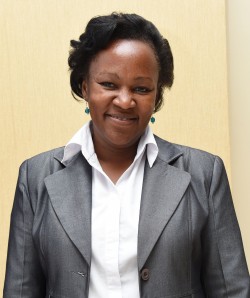 Isabel Sadya Omondi, Executive Director
Africa Health and Community Program (AHCP), Kenya
Isabel Sadya Omondi is the current Executive Director of AHCP, with qualifications in Program Management and M&E from AMREF. She is also trained in Strategic Resource Mobilization from Africa Women Development Fund, and holds a Bachelor’s Degree in Education as well as a Masters in Counseling Psychology.
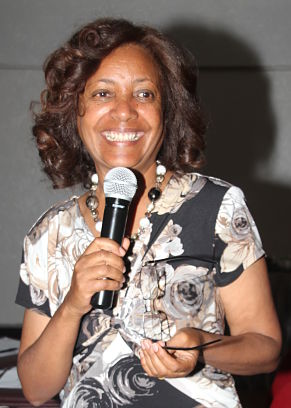
Kidist Belete
Developing Families Together (DFT), Ethiopia
Mrs Kidist Belete has over 20 years work experience with Non-Governmental Organizations. She has previously worked as a Gender and Development Officer, accumulating vast experience in working with women issues. She is the founder of Developing Families Together and currently pursuing an MBA at the Zemen institute. She has attended several workshops and training programs on leadership that have helped shape and improve her leadership skills. She has contributed a lot to empowering women economically and socially in Ethiopia. She is dedicated to working to improve the lives of women and children in the underprivileged parts of Ethiopia.
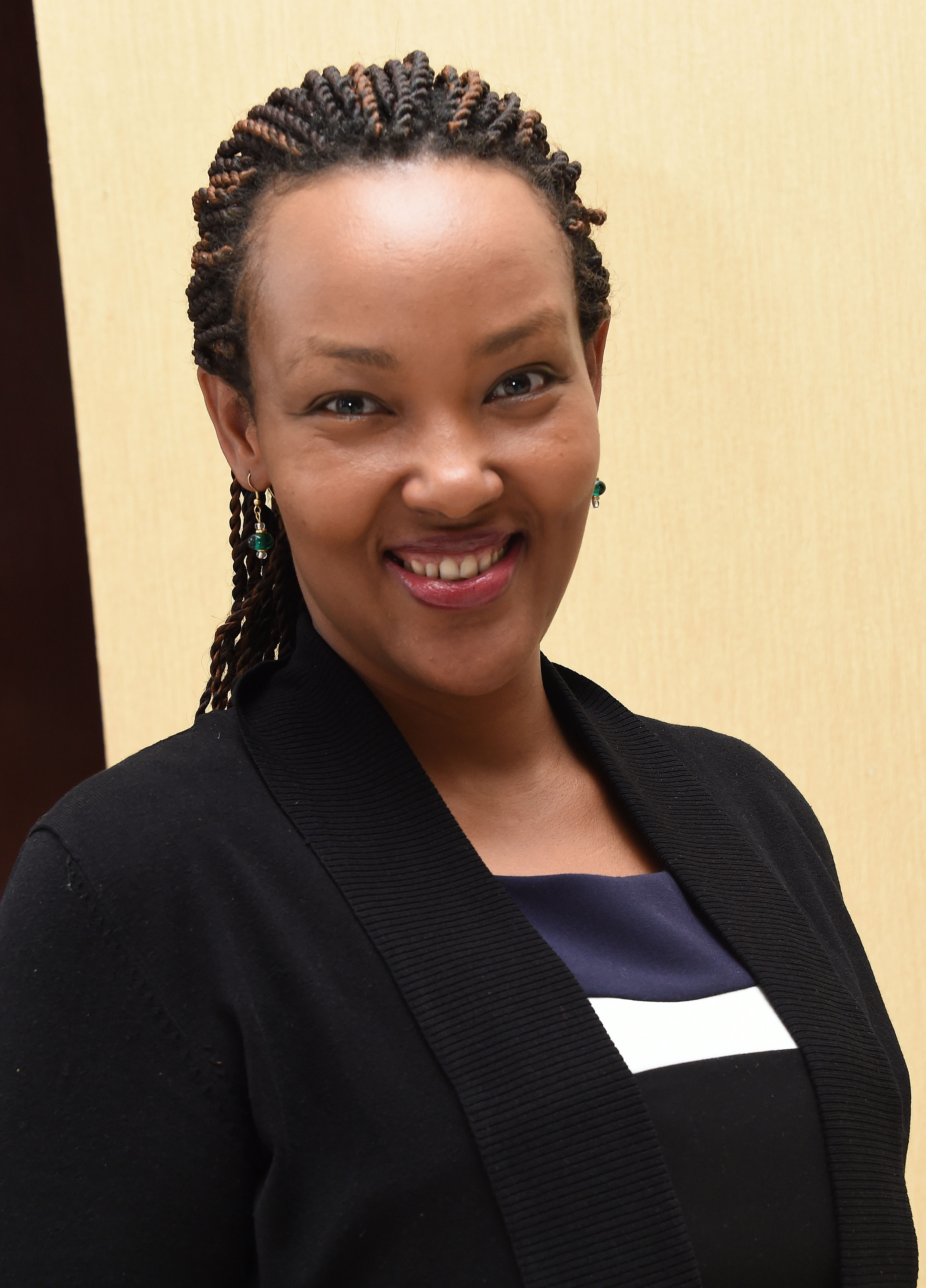 Dinah Musindarwezo, Executive Director
Dinah is a gender equality advocate with ten years of experience working on issues of gender and development, women empowerment and human rights at national, regional and international levels. Dinah is a feminist who is passionate about advocating for gender justice and equal rights for all.
Dinah is also a founder and board member of Rwanda Association of University Women (RAUW), an organization that is affiliated to International Federation of University Women whose mission is to support girls’ and women’s education and support other projects that empower vulnerable women. Dinah holds a Master’s degree in Gender and Development from the Institute of Development Studies (IDS) at the University of Sussex, and a Bachelor’s degree in Development Studies from Makerere University, Kampala, Uganda.
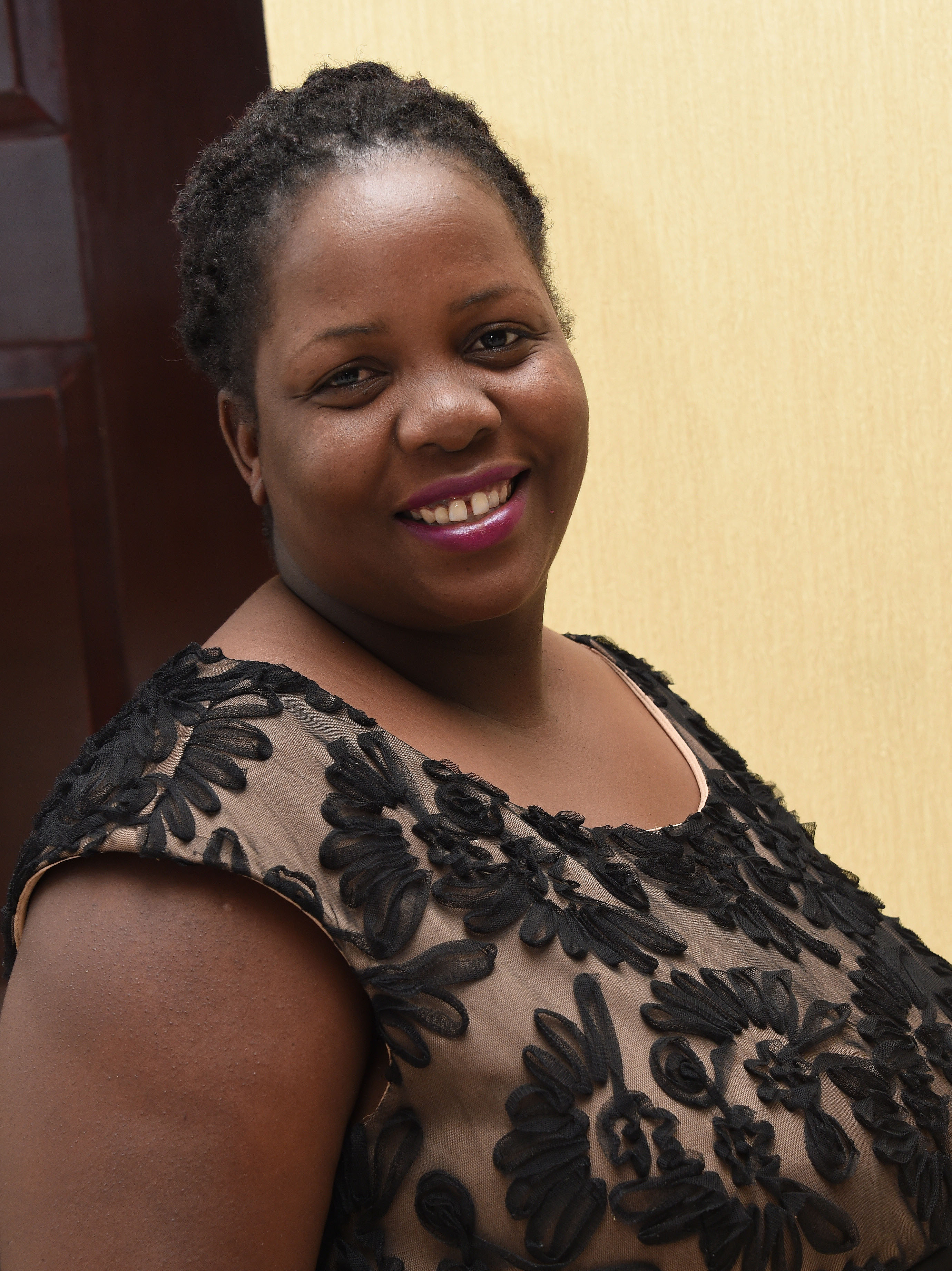 Faith Phiri, Executive Director
Girls Empowerment Network (GENET), Malawi
Faith Phiri is a child rights and young women activist. She holds a Master’s degree in public health and has special interest in gender and adolescent sexual reproductive health and rights. Faith has extensive experience working in community development on food security, gender and women development, SRHR including family planning and HIV/Aids, child protection, GBV and promotion of girls’ education. In 2008, Faith founded Girls Empowerment Network, a grassroot girls’ and young women’s rights organization, working to advance and promote the rights and well-being of marginalized young girls, adolescent girls and young women in Malawi.
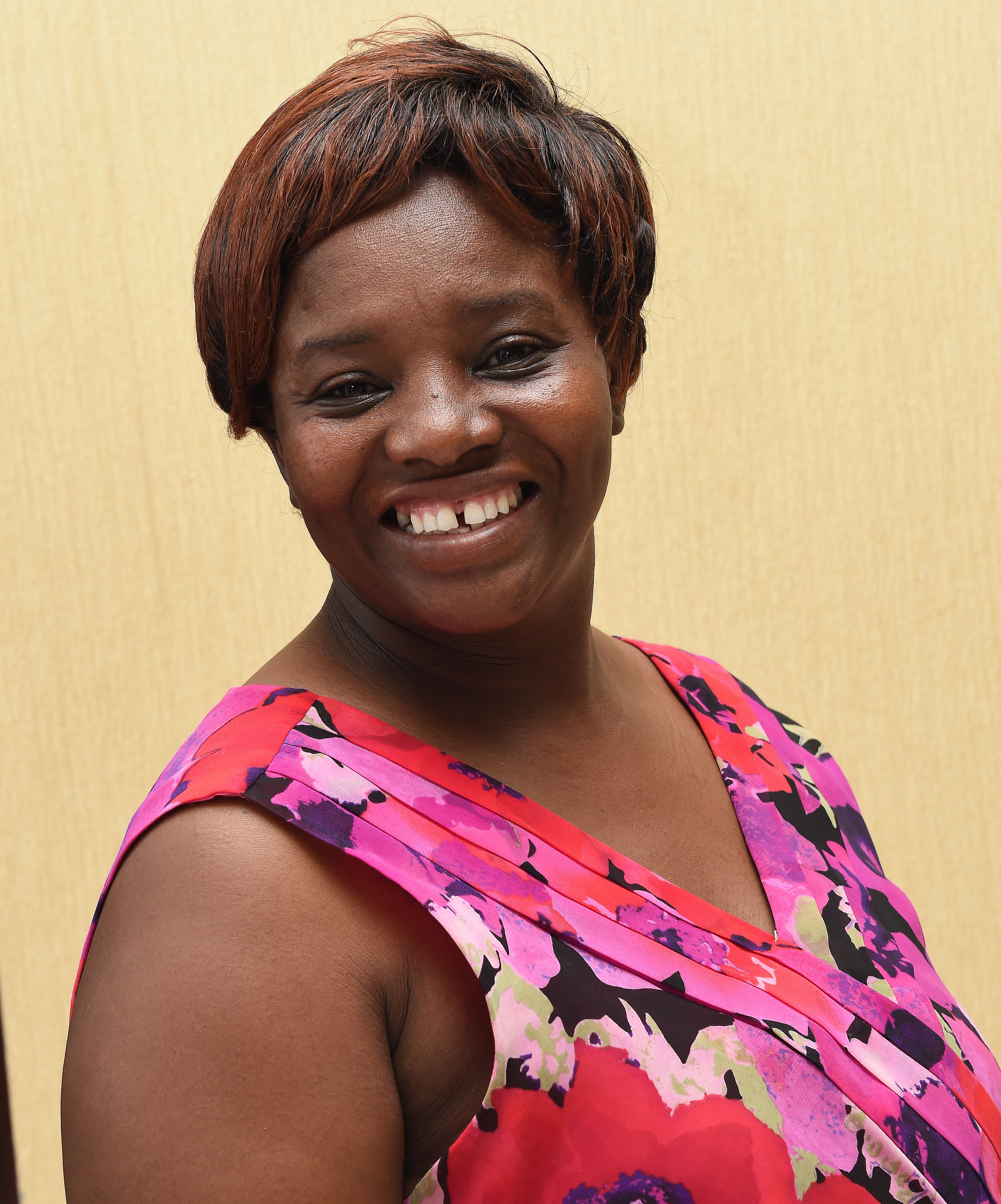 Hildegard Mufukare
Lupane Women’s Centre (LWC), Zimbabwe
Able to work under pressure, resourceful and capable of taking initiative. Has strong interpersonal and intercultural skills and a strong determination to achieve. Seeks solutions to challenges. Competent in project management, monitoring and evaluation, budgeting and budget control and results based management.
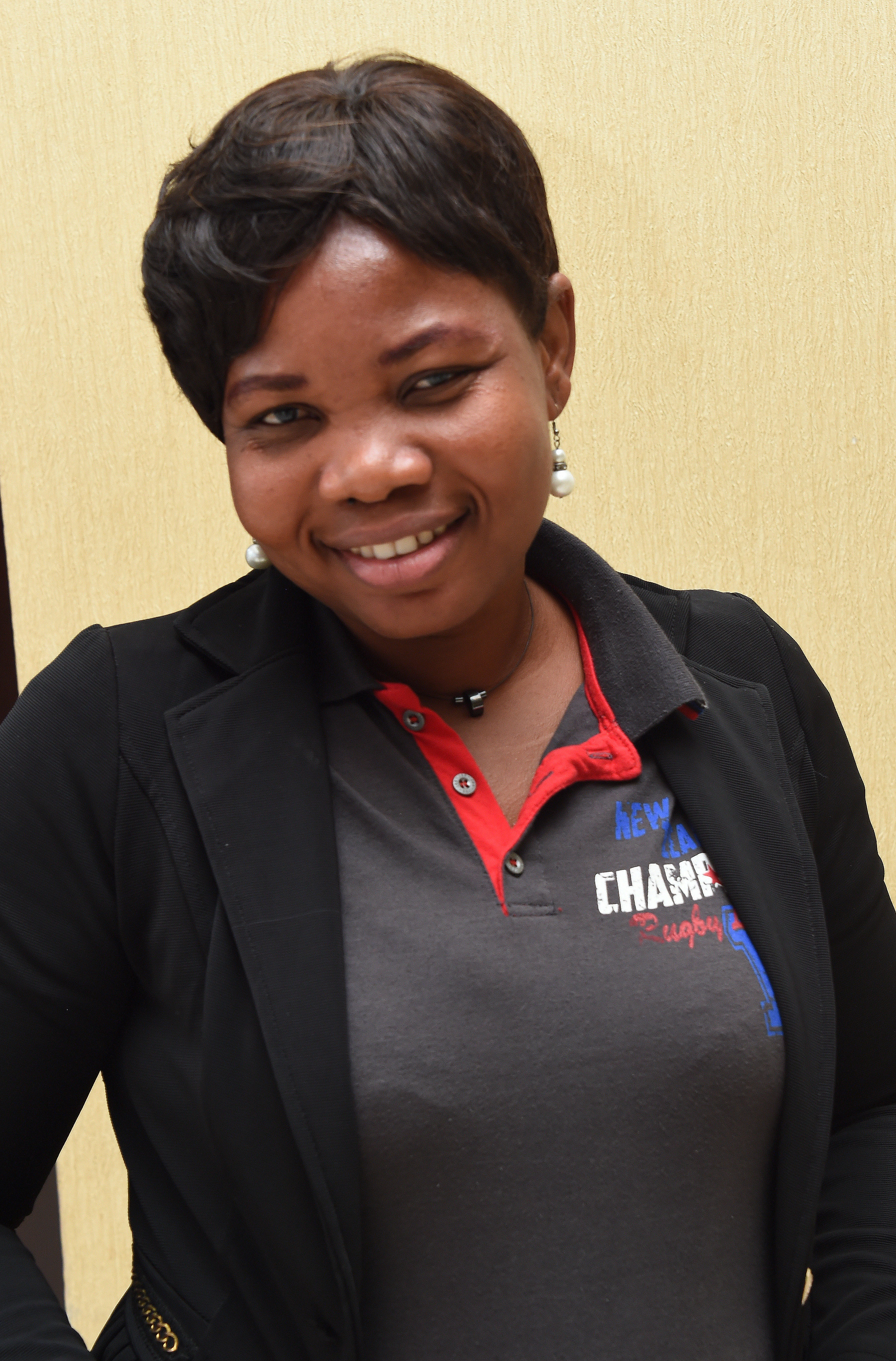 Vivian Adams Nabie, Executive Director
Women Support and Activist Group (WOSAG), Ghana
Vivian previously worked with SEND-Ghana as a Project Officer for three years before pursuing her further studies. She has five years’ experience in development work and specialized in advocacy on Gender issues and also gained experience in facilitating training session for participants.
She holds an Mphil in Population Studies from the University of Ghana and a BA. In Integrated Development Studies from the University for Development Studies. She has attended other training courses such as trainer of training courses and other national and international conferences whilst she was a student at the University of Ghana. Her passion is to see transformation in the lives of rural women, so they can support themselves and their children.
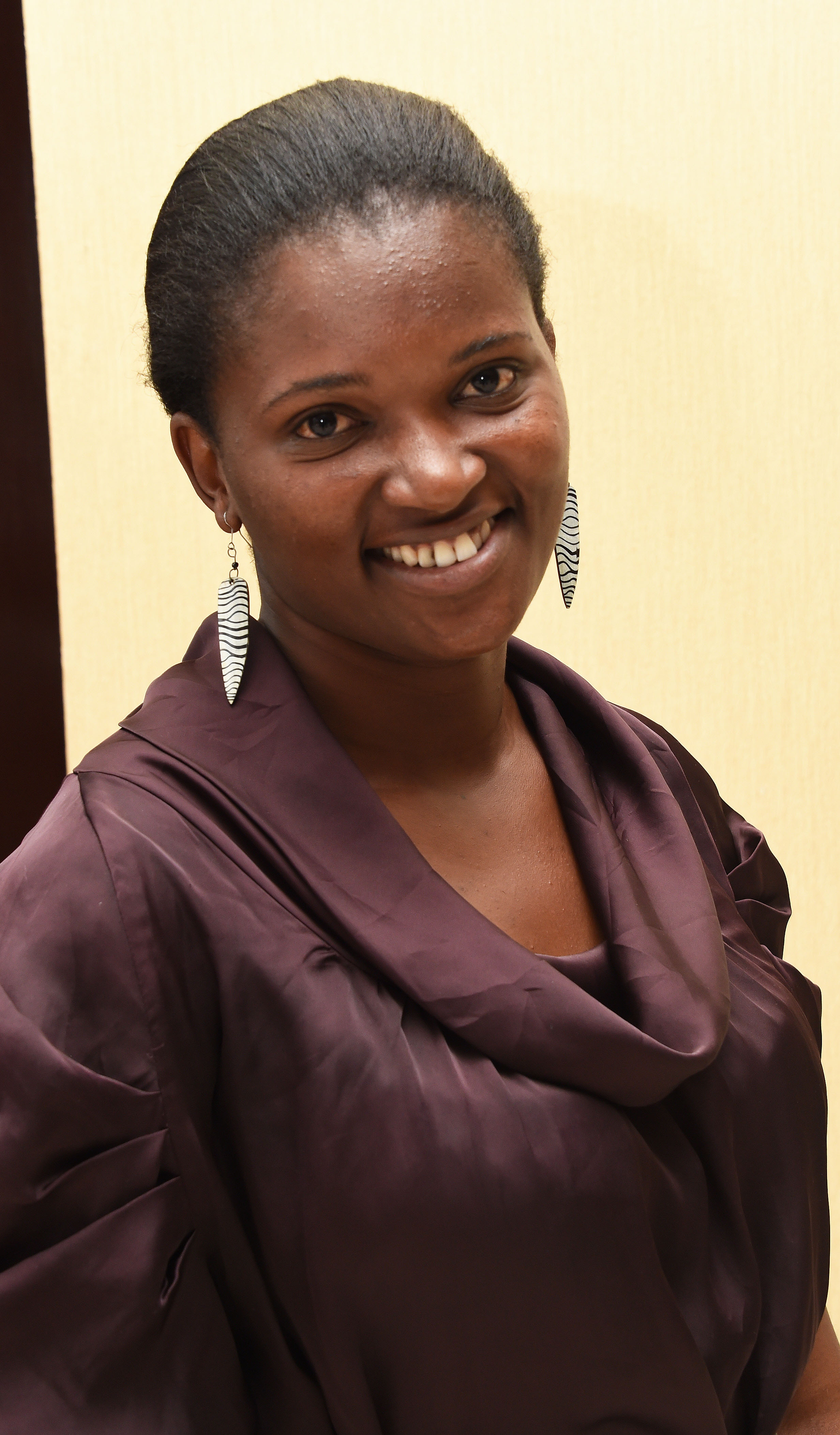 Cynthia Awuor Coredo, Programme Manager
Cynthia is a programme manager at Boxgirls Kenya and she is 26yrs old. She has been involved in community development work for 10 years working with girls, women and youths in general. For the last 7 years she has been steering the organization to be developed and sustainable, working with her team mates at Boxgirls in designing and implementing programme that holistically empower girls and young women. Cynthia has a deep passion for supporting young women’s leadership.
Her seven year journey with Boxgirls have presented her with many international training opportunities and enabled her share the activities and impact of Boxgirls’ work of using boxing as a tool to tackle issues affecting girls and young women in the marginalized communities . In 2014 she was invited as a speaker for the World Youth Forum on Sports, Peace and Culture organized by UNESCO in Nanjing China. She has also worked with United Nation Office of sports for development as a facilitator for the youth leadership camp in South Korea in August 2013. Cynthia’s involvement in supporting young women’s leadership enabled her to be part of an expert team in 2011 that co-authored the successful international guide to designing sports programs for girls.
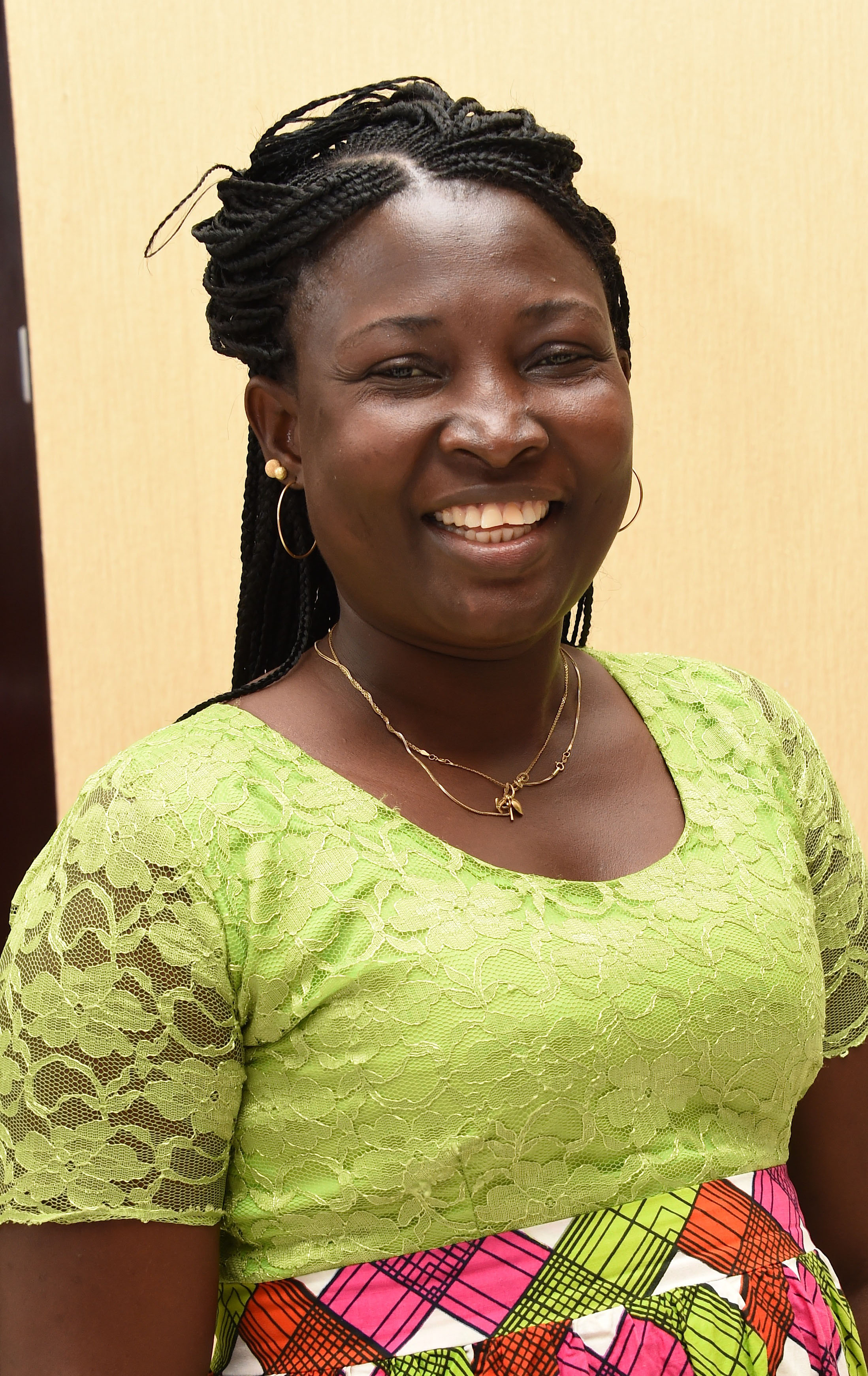 Doris Brendan, Executive Director
Heal the Land Initiative in Nigeria (HELIN), Nigeria
Doris Brendan has been credited with leading the growth of Community Based Organizations and Non-Governmental Organizations in Akwa State and selected states in the country and provides overall leadership in mobilizing and supporting vulnerable groups at the grassroots level. She guides strategies for advocacy, community mobilization, capacity building, women, PLWHIV, economic empowerment, stigma reduction, and impact mitigation strategies to improve the lives of vulnerable groups. She is a member of the Care and Support Technical Working Groups Akwa Ibom Agency for the Control of HIV/AIDS (AKSACA) and has skill in HIV counseling and testing. She has worked with International organizations and national organizations to provide impact mitigation services. She holds a bachelor’s degree in M.Ed (Educational Management and Planning), M.SC Social Work (Health) and MBA (Human Resource Management).
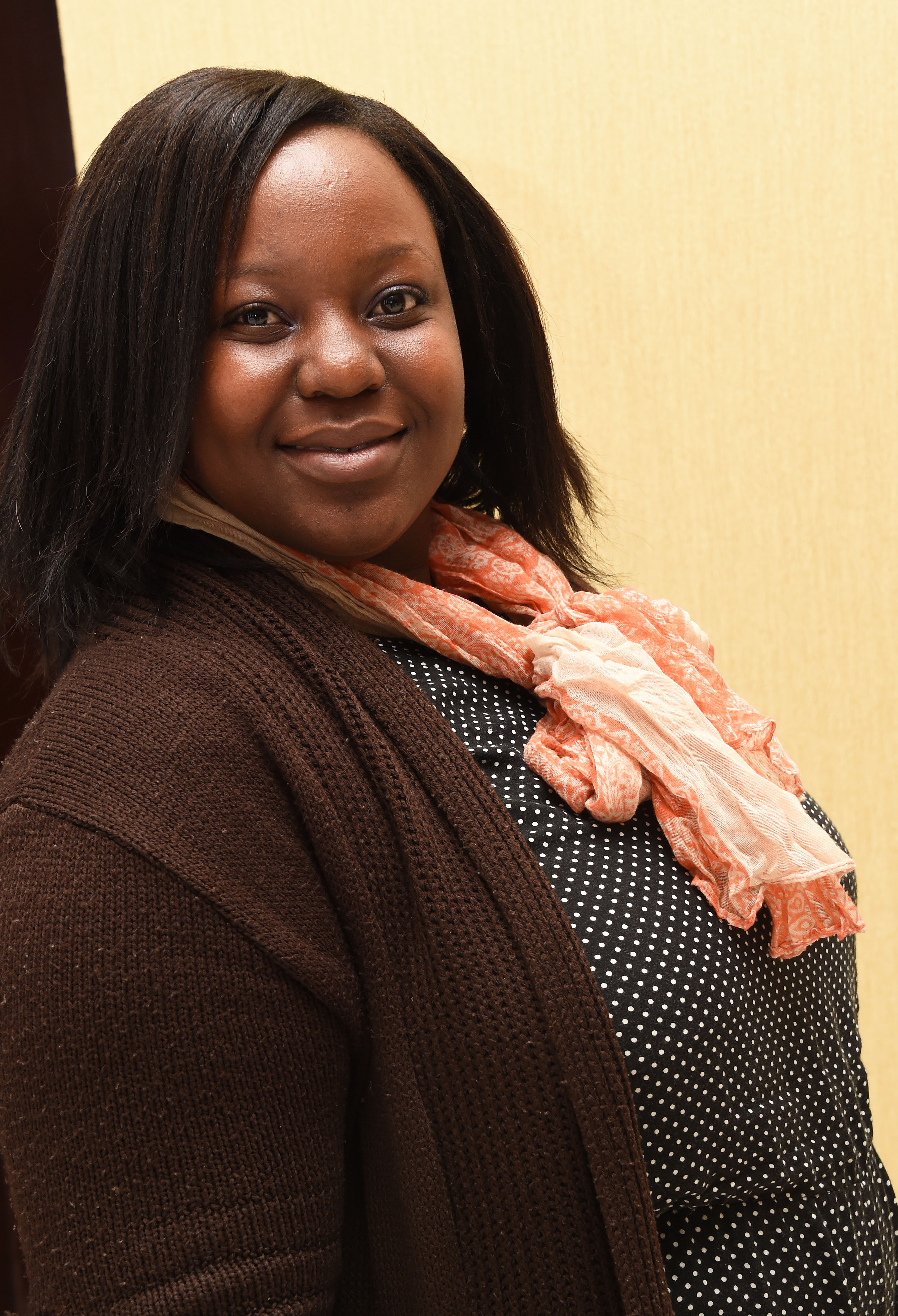 Vimbai Yvonne Mlambo, Programs Manager
Vimbai Yvonne Mlambo is a 29 year old young woman who has over 11 years of experience working on youth leadership on Sexual and Reproductive Health and Rights and young women empowerment. She is the SAYWHAT Programs Manager is a highly self-motivated, pro- active and confident young woman, with good leadership skills and quite passionate about skills building and effective and positive responsiveness to young women’s sexual and reproductive health challenges. She’s experienced in project management, peer education, life skills building, advocacy on Sexual and reproductive health and HIV and AIDS. Vimbai is highly skilled in resource mobilization, social media advocacy initiatives, gender mainstreaming, development of proposals and community mobilization. Vimbai Mlambo is in her final semester towards a BSc Honours Degree in Sociology and Gender Development Studies at the Women’s University in Africa. Vimbai holds a Diploma in Teaching with specialization in Computer Studies and a Diploma in Information Technology.
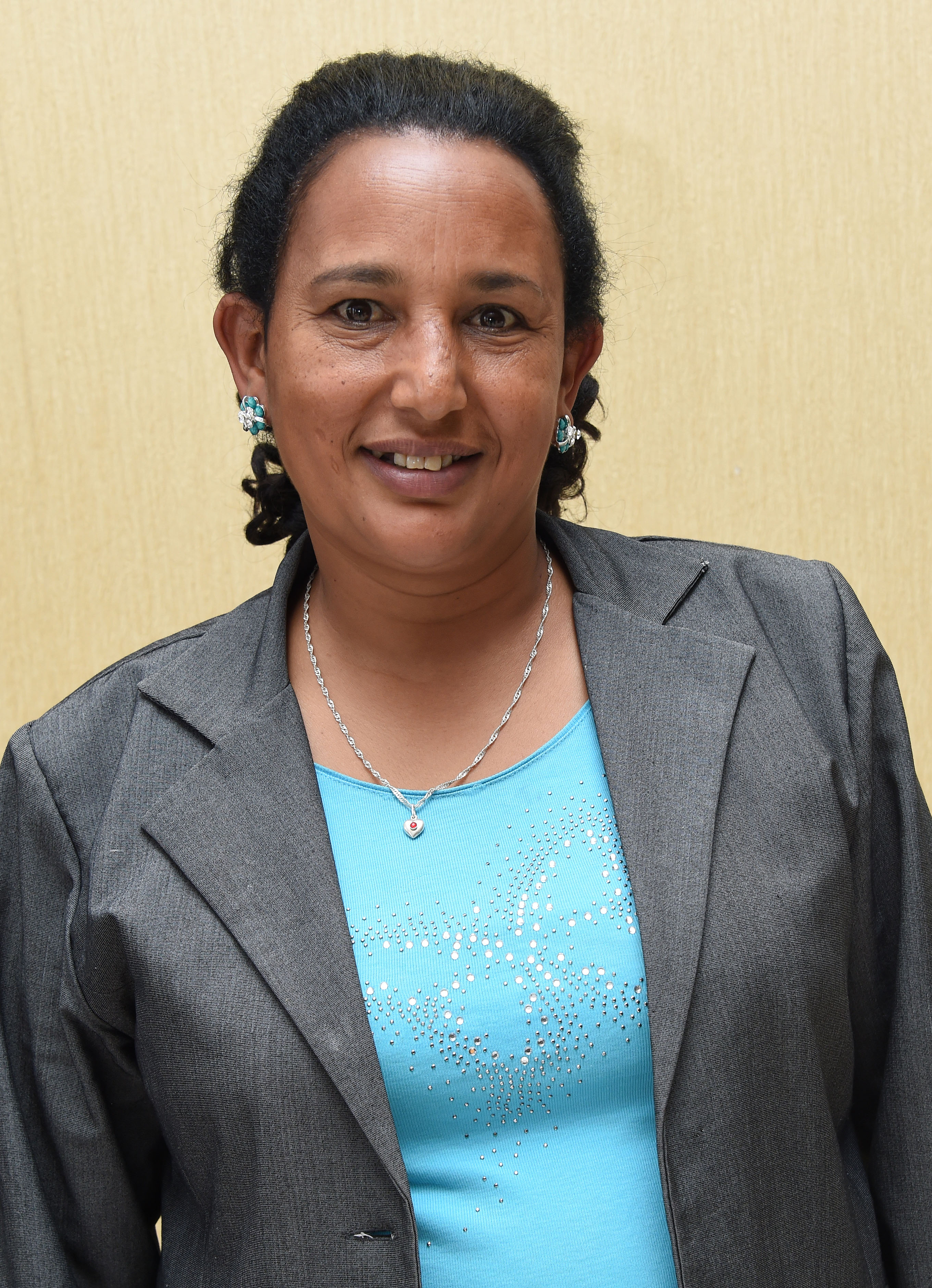 Mrs Rahel Gizachew Demessie
New HIV Positive Women Support Organisation (NLK), Ethiopia
Mrs. Rahel Gizachew is the co- founder of Negem Lela Ken New (NLK). She has proven leadership experience over 8 years in the non-profit sector and demonstrable experience of coaching overall organisation Systems-governance, program, Finance and Resource Mobilization which delivered benefits to a wide range of beneficiaries in a timely manner. She has been working with NLK at different junior and senior levels from 2005 to present. Currently she is the General Manager of NLK. Rahel is a young educated, experienced, dedicated and team player woman leader. She holds an advanced Diploma in Management. Read a 2013 Grantee Highlight article on NLK here.[/tp]
[tp lang=”fr” not_in=”en”]Le Forum des Directeurs généraux de cette année, qui a eu lieu en Mars à Nairobi, au Kenya, a marqué le quatrième volet du programme organisé par l’unité de renforcement des capacités d’AWDF. Suivi par 20 gestionnairesde haut et de niveau intermédiaire de cinq pays africains, les participants ont participé à un encadrement et un mentorat de projet élargi sur le leadership et la gouvernance, visant à renforcer les cadres des organisations de femmes sur la capacité et de gouvernance à travers le continent. Voici les profils des femmes leaders des organisations représentées:
Isabel Sadya Omondi, Directrice Executive
Africa Health and Community Program (AHCP), Kenya
Isabel Sadya Omondi est le directeur exécutif actuel d’AHCP, avec des qualifications dans la gestion de programme et M & E de l’AMREF. Elle est également formée à la stratégie de mobilisation des ressources du Fonds de développement des femmes en Afrique, et est titulaire d’un baccalauréat en éducation ainsi que d’une maîtrise en psychologie de l’orientation.
Kidist Belete
Developing Families Together (DFT), Ethiopia
Mme Kidist Belete a plus de 20 ans d’expérience de travail avec les organisations non-gouvernementales. Elle a auparavant travaillé comme un agent de genre et de développement, accumulé une vaste expérience dans le travail sur les questions des femmes. Elle est la fondatrice de Developing Families Together et poursuit actuellement un MBA à l’institut Zemen. Elle a participé à plusieurs ateliers et à des programmes de formation sur le leadership qui ont contribué à façonner et améliorer ses compétences en leadership. Elle a beaucoup contribué à l’autonomisation des femmes économiquement et socialement en Ethiopie. Elle est dédiée à travailler pour améliorer la vie des femmes et des enfants dans les régions défavorisées de l’Ethiopie.
Dinah Musindarwezo, Directrice exécutive
Dinah est une ardente défenseuse de l’égalité des sexes avec dix ans d’expérience de travail sur les questions de genre et le développement, l’autonomisation des femmes et des droits humains aux niveaux national, régional et international. Dinah est une féministe qui est passionné par le plaidoyer pour la justice de genre et l’égalité des droits pour tous.
Dinah est également un membre fondateur et membre du conseil de Rwanda Association of University Women (RAUW), une organisation qui est affiliée à la Fédération internationale des femmes diplômées des universités, dont la mission est de soutenir l’éducation des filles et des femmes et soutenir d’autres projets qui permettent l’émancipation des femmes vulnérables. Dinah est titulaire d’une maîtrise en Genre et Développement de l’Institute of Development Studies (IDS) de l’Université de Sussex, et une licence en études du développement de l’Université de Makerere, à Kampala, en Ouganda.
Faith Phiri, Executive Director
Girls Empowerment Network (GENET), Malawi
Faith Phiri est une militante des droits de l’enfant et des jeunes femmes. Elle est titulaire d’une maîtrise en santé publique et a un intérêt particulier pour le genre et la santé sexuelle et reproductive des adolescentes et leurs droits. Faith a une vaste expérience dans le développement communautaire sur la sécurité alimentaire, le développement du genre et les femmes, la SDSR y compris la planification familiale et le VIH / SIDA, la protection des enfants, la violence sexiste et la promotion de l’éducation des filles. En 2008, Faith a fondé Girls Empowerment Network, une organisation populaire de filles et de droit des jeunes femmes, travaillant pour faire avancer et promouvoir les droits et le bien-être des jeunes filles marginalisées, des adolescentes et des jeunes femmes au Malawi.
Hildegard Mufukare
Lupane Women’s Centre (LWC), Zimbabwe
Capable de travailler sous pression, sans ressources et capable de prendre l’initiative. A de fortes habiletés interpersonnelles et interculturelles et une forte détermination à atteindre ses objectifs. Cherche des solutions aux défis. Compétente dans la gestion des projets, le suivi et l’évaluation, la gestion de la budgétisation et le contrôle du budget et axée sur les résultats.
Vivian Adams Nabie, Executive Director
Women Support and Activist Group (WOSAG), Ghana
Vivian a déjà travaillé avec SEND-Ghana comme agent de projet pendant trois ans avant de poursuivre des études ultérieures. Elle dispose d’une expérience de cinq ans dans le travail de développement et est spécialisée dans le plaidoyer sur les questions de genre, elle a aussi acquis une expérience dans la facilitation de la session de formation pour les participants.
Elle détient un ‘Mphil in Population Studies’ de l’Université du Ghana et une licence en études de développement intégré de la University for Development Studies. Elle a participé à d’autres cours et formations comme formateur de cours de formation et d’autres conférences nationales et internationales, tandis qu’elle était étudiante à l’Université du Ghana. Sa passion est de voir la transformation dans la vie des femmes rurales, afin qu’elles puissent soutenir elles-même et leurs enfants.
Cynthia Awuor Coredo, Programme Manager
Cynthia est gestionnaire de programme à Boxgirls Kenya et a 26 ans. Elle a été impliquée dans le travail de développement communautaire après 10 ans de travail avec les filles, les femmes et les jeunes en général. Pour les 7 dernières années, elle gouvernait l’organisation pour qu’elle se développe et soit pérenne, en collaboration avec ses coéquipiers à Boxgirls dans la conception et l’autonomisation d’un programme holistique des filles et des jeunes femmes la mise en œuvre. Cynthia a une passion profonde pour soutenir le leadership des jeunes femmes.
Son voyage de sept ans avec Boxgirls ont présenté de nombreuses possibilités de formation internationales et lui a permis de partager les activités et l’impact du travail de Boxgirls, de l’utilisation de la boxe comme un outil, pour aborder les questions qui touchent les filles et les jeunes femmes dans les communautés marginalisées. En 2014, elle a été invitée à titre de conférencier pour le Forum mondial de la jeunesse sur le sport, la paix et la culture organisée par l’UNESCO à Nanjing en Chine. Elle a également travaillé avec ‘United Office National of sports’ pour le développement en tant que facilitateur au camp de leadership des jeunes en Corée du Suden Août 2013. Cynthia à soutenir le leadership des jeunes femmes lui a permis de faire partie d’une équipe d’experts en 2011 qui a co-écrit le réussi Guide international pour concevoir des programmes de sport pour les filles.
Doris Brendan, Executive Director
Heal the Land Initiative in Nigeria (HELIN), Nigeria
Doris Brendan a été créditée à la tête du développement des organisations communautaires et des organisations non gouvernementales dans l’Etat d’Akwa et a sélectionné certains États dans le pays et fournit un leadership global dans la mobilisation et le soutien des groupes vulnérables au niveau local. Elle guide les stratégies pour le plaidoyer, la mobilisation communautaire, le renforcement des capacités, les femmes, les PVVIH, l’autonomisation économique, la réduction de la stigmatisation, et des stratégies d’atténuation des impacts pour améliorer les conditions de vie des groupes vulnérables. Elle est membre de Care and Support Technical Working Groups Akwa Ibom Agency for the Control of HIV/AIDS (AKSACA) et a des compétences dans le conseil et le dépistage du VIH. Elle a travaillé avec les organisations internationales et les organisations nationales afin de fournir des services d’atténuation des impacts. Elle est titulaire d’un baccalauréat en M.Ed (gestion de l’éducation et de la planification), M.SC travail social (santé) et d’un MBA (gestion des ressources humaines).
Vimbai Yvonne Mlambo, Programs Manager
Vimbai Yvonne Mlambo est une jeune femme de 29 ans qui a plus de 11 ans d’expérience de travail dans le leadership des jeunes sur la santé sexuelle et reproductive et les droits et l’autonomisation des jeunes femmes. Elle est gestionnaire de programmes SayWhat, est très motivés, pro- jeune, femme active et confiante, avec de bonnes compétences en leadership et passionnée de renforcement des compétences et de la réactivité positive et efficace aux problèmes de santé sexuelle et reproductive des jeunes femmes. Elle est expérimentée dans la gestion de projet, de l’éducation par les pairs, le renforcement des compétences de la vie, de plaidoyer sur la santé sexuelle et reproductive et le VIH et le sida. Vimbai est hautement qualifiée dans la mobilisation des ressources, les initiatives de plaidoyer sur les médias sociaux, l’égalité des sexes, le développement de propositions et de mobilisation communautaires. Vimbai Mlambo est dans son dernier semestre vers un BSc Honours Degree en sociologie et en études de genre pour le développement à l’Université de la femme en Afrique. Vimbai détient un diplôme en enseignement avec spécialisation en études informatiques et un diplôme en technologie de l’information.
Mrs Rahel Gizachew Demessie
New HIV Positive Women Support Organisation (NLK), Ethiopia
Nouvelle organisation femmes séropositives d’appui (BNC), l’Ethiopie
Mme Rahel Gizachew est la co-fondatrice de Negem Lela Ken New (BNC). Elle a prouvé une expérience de leadership de plus de 8 ans dans le secteur à but non-lucratif et de l’expérience démontrable de l’encadrement des systèmes de gouvernance globales des organisations, de programme, des finances et de la mobilisation des ressources qui procurent des avantages à un large éventail de bénéficiaires en temps opportun. Elle a travaillé avec BNC à différents niveaux junior et senior de 2005 à présenter. Actuellement, elle est le directeur général de la BNC. Rahel est une jeune femme leader instruite, expérimentée, dévouée et jouese d’équipe. Elle est titulaire d’un diplôme d’études supérieures en gestion. Lire un article de “Grantee Highlight” de 2013 sur NLK ici.[/tp]
Job Vacancy: AWDF Director Of Programmes
Job Vacancy: AWDF Director Of Programmes
[tp lang=”en” not_in=”fr”]JOB VACANCY
AWDF DIRECTOR OF PROGRAMMES
BACKGROUND
The African Women’s Development Fund (AWDF), an Africa-wide fundraising and grantmaking foundation based in Accra, Ghana, is looking for a new Director of Programmes (DOP) after nine years of dedicated service by the current post holder.
The services of the DOP are required to support the design and implementation of organisational programmes and policies that will support systemic change to actualise gender equality and women’s rights in Africa.
JOB SUMMARY
Reporting to the Executive Director, the Director of Programmes will play a critical role in developing and implementing the vision and direction of AWDF’s fundraising and grantmaking strategies and initiatives. She will work in close collaboration with the ED, Board of Directors, Advisors and Programme team, and will promote the visibility of AWDF and develop strategic alliances with peers in international philanthropy. She will supervise and manage a multi-disciplinary programmes team and participate in fundraising and communication activities.
SPECIFIC RESPONSIBILITIES
- Provide oversight, strategy, direction and continuity for current fundraising activities, while at the same time assessing and responding to AWDF’s growth and changing needs by expanding current activities and programs and creating new ones, as appropriate;
- Manage and oversee all program initiatives and an annual grantmaking budget
- Support the Executive Director by providing strategic leadership and oversight for the fundraising and grantmaking programmes.
- Work with other Senior Managers to develop programme budgets; approve and monitor programme expenses; initiate planning processes and facilitate grants decision-making.
- Conduct annual performance evaluations and actively guide staff professional development, providing opportunities for professional development as needed;
- Maintain an overview of team composition and dynamics; lead team-building and integration process
- Stay well abreast of current trends in international development/women’s rights to ensure that AWDF’s programmes are responsive to current challenges facing women worldwide and that its fundraising and grantmaking is effective and timely;
- Collaborate with the senior management team of the African Women’s Development Fund: ensure the well-being of the organisation as a whole; model effective leadership to all AWDF staff; set the tone for the organisation’s inner workings; listen and provide guidance to staff; interpret AWDF vision, values and strategies;
- Work closely with the Senior Management Team to ensure flow of relevant information and encourage effective coordination between teams and to develop and plan special/new initiatives or programmes as needed.
COMPETENCIES
- Strong analytical and managements skills
- Ability to manage complex problems proactively/effectively
- Ability to design and write a variety of reports, articles and other information products
- Personal initiative and ability to work under pressure
- Knowledge of current development theory, policies and practice
- Ability to express oneself clearly and effectively both orally and in writing;
- Ability to organize work and collaborate effectively with a wide range of stakeholder – including individuals of different national and cultural backgrounds, including networking across professional, thematic and organizational boundaries.
QUALIFICATIONS
- An advanced degree in international relations, political science, gender studies, sociology, humanities or related field;
- A minimum of eight years professional experience working in the field of women’s rights or relevant professional experience in social justice or human rights broadly, international work experience is preferred;
- A proven fundraising track record
- Proven managerial, operations, financial, problem solving, networking and organisational development experience;
- A history of communicating effectively in writing and orally; including excellent public speaking skills for both formal and extemporaneous presentations; ability to represent AWDF to a diverse public.
- Proven ability to lead and engage in strategic planning processes; able to think critically, objectively, analytically, and strategically and to set priorities;
- History of collaborating successfully with a broad and diverse range of communities and individuals.
- Willingness and ability to travel at least 20% of time, including international and domestic travel.Working knowledge of French will be an advantage
Candidates must demonstrate a proven commitment to women’s rights activism and will be expected to demonstrate the highest levels of integrity and model the feminist and social justice values espoused by AWDF.
Qualified candidates should send a written application (2 pages) and a CV of not more than 8 pages to:
The Human Resource Manager, African Women’s Development Fund (AWDF),
Plot #78 Ambassadorial Enclave, East Legon, Accra.
P.M.B CT 89, Cantonments
Accra, Ghana.
Copies of applications should be sent by email to grace@africlub.net/awdf indicating ‘Director of Programmes’.
Applications should reach AWDF not later than May 15, 2015. Only shortlisted candidates will be contacted for additional information and interviews.[/tp]
[tp lang=”fr” not_in=”en”]POSTE VACANT
DIRECTEUR DES PROGRAMMES à AWDF
CONTEXTE
Le Fonds africain de développement de la femme (AWDF), une fondation de collecte de fonds et d’octroi de subventions à l’échelle du continent africain et basé à Accra, au Ghana, est à la recherche d’un nouveau directeur des programmes (DOP), après neuf ans de loyaux services par la titulaire du poste actuel.
Les services de la DOP sont nécessaires pour soutenir la conception et la mise en œuvre des programmes et des politiques organisationnelles qui appuieront changement systémique pour actualiser l’égalité des sexes et les droits des femmes en Afrique.
SOMMAIRE DE L’EMPLOI
Relevant du directeur exécutif, le Directeur des Programmes jouera un rôle essentiel dans le développement et la mise en œuvre de la vision et la direction du financement et de subventionnement des stratégies et des initiatives d’AWDF. Elle travaillera en étroite collaboration avec l’ED, conseil d’administration, les conseillers et l’équipe des Programmes, favorisera la visibilité d’AWDF et développera des alliances stratégiques avec des pairs dans la philanthropie internationale. Elle va superviser et gérer une équipe de programmes multidisciplinaires et participer à des activités de collecte de fonds et de communication.
RESPONSABILITÉS SPÉCIFIQUES
- Assurer une surveillance, la stratégie, la direction et la continuité des activités de collecte de fonds actuelles, tandis que dans le même temps il faut évaluer et répondre à la croissance d’AWDF et l’évolution des besoins par l’expansion des activités et programmes actuels et en créer de nouveaux, le cas échéant;
- Gérer et superviser toutes les initiatives de programme et un budget annuel de subventionnement
- Soutenir le Directeur exécutif en fournissant un leadership stratégique et de surveillance pour les programmes de collecte de fonds et de subventionnement.
- Travailler avec d’autres cadres supérieurs à développer des programmes de budgets; approuver et surveiller les dépenses des programmes; initier des processus de planification et faciliter la prise de décision des subventions.
- Procéder à des évaluations annuelles de rendement et guider activement le perfectionnement professionnel du personnel, offrant des possibilités de développement professionnel, au besoin;
- Maintenir un aperçu de la composition de l’équipe et la dynamique;diriger le team-building et le processus d’intégration
- Rester bien au courant des tendances actuelles en matière de développement / droits internationaux des femmes pour assurer que les programmes d’AWDF sont sensibles aux défis actuels rencontrés par les femmes dans le monde entier et que sa collecte de fonds et l’octroi de subventions soit efficace au temps opportun;
- Collaborer avec l’équipe de la haute direction du Fonds de développement des femmes africaines: assurer le bien-être de l’organisation dans son ensemble; mettre en place un modèle de leadership efficace pour tout le personnel d’AWDF; donner le ton à tous les rouages de l’organisation; écouter et donner des conseils au personnel; interpréter la vision d’AWDF, les valeurs et les stratégies;
- Travailler en étroite collaboration avec l’équipe de direction pour assurer un flux d’informations pertinentes et encourager une coordination efficace entre les équipes et d’élaborer et planifier / de nouvelles initiatives ou des programmes spéciaux au besoin.
COMPÉTENCES
- Compétences analytiques et de gestions fortes
- Capacité à gérer des problèmes complexes de manière proactive / efficace
- Capacité à concevoir et écrire une variété de rapports, des articles et d’autres produits d’information
- L’initiative personnelle et la capacité de travailler sous pression
- La connaissance des courants en théorie du développement, les politiques et la pratique
- Possibilité de s’exprimer clairement et efficacement, tant oralement que par écrit;
- Capacité à organiser le travail et de collaborer efficacement avec un large éventail de parties prenantes – y compris les personnes de différentes origines nationales et culturelles, y compris la mise en réseau à travers les frontières professionnelles, thématiques et organisationnelles.
QUALIFICATIONS
- Un diplôme d’études supérieures en relations internationales, sciences politiques, études de genre, la sociologie, les sciences humaines ou autre domaine connexe;
- Un minimum de huit ans d’expérience professionnelle dans le domaine des droits des femmes ou de l’expérience professionnelle pertinente dans la justice sociale ou de droits de l’homme plus largement, une expérience de travail internationale est préféré;
- Une feuille de route éprouvée de collecte de fonds
- Éprouvées de gestion, des opérations, financière, la résolution de problèmes, la mise en réseau et de l’expérience de développement organisationnel;
- Une histoire de communication efficace par écrit et à l’oral; y compris d’excellentes compétences de parole en public pour les deux présentations formelles et improvisées; capacité à représenter AWDF à un public diversifié.
- Aptitude à diriger et participer aux processus de planification stratégique éprouvée; capable de penser de façon critique, objective, analytique et stratégique et de fixer des priorités;
- Une histoire de collaboration à succès avec une gamme large et diversifiée des communautés et des individus.
- La volonté et la capacité de voyager au moins 20% du temps, y compris la connaissance du français de voyage.Working international et national sera un avantage
Les candidats doivent démontrer un engagement prouvé aux droits de l’activisme des femmes et devront démontrer les plus hauts niveaux d’intégrité et de modéliser les valeurs de justice féministes et sociales défendues par AWDF.
Les candidats qualifiés doivent envoyer une demande écrite (2 pages) et un CV de pas plus de 8 pages à:
The Human Resource Manager, African Women’s Development Fund (AWDF),
Plot #78 Ambassadorial Enclave, East Legon, Accra.
P.M.B CT 89, Cantonments
Accra, Ghana.
Les copies des demandes doivent être envoyées par courriel à: grace@africlub.net/awdf indiquant en sujet «Director of programmes».
Les candidatures doivent parvenir à AWDF au plus tard le 15 mai 2015. Seuls les candidats présélectionnés seront contactés pour obtenir des informations et des entretiens supplémentaires.
Call for Applications for AWDF’s 2015 African Women Writers Workshop (Now Closed)
Call for Applications for AWDF’s 2015 African Women Writers Workshop (Now Closed)
[tp lang=”en” not_in=”fr”]PRESS RELEASE
The African Women’s Development Fund (AWDF) in collaboration with FEMRITE – Uganda Women Writers Association, invites African women writers 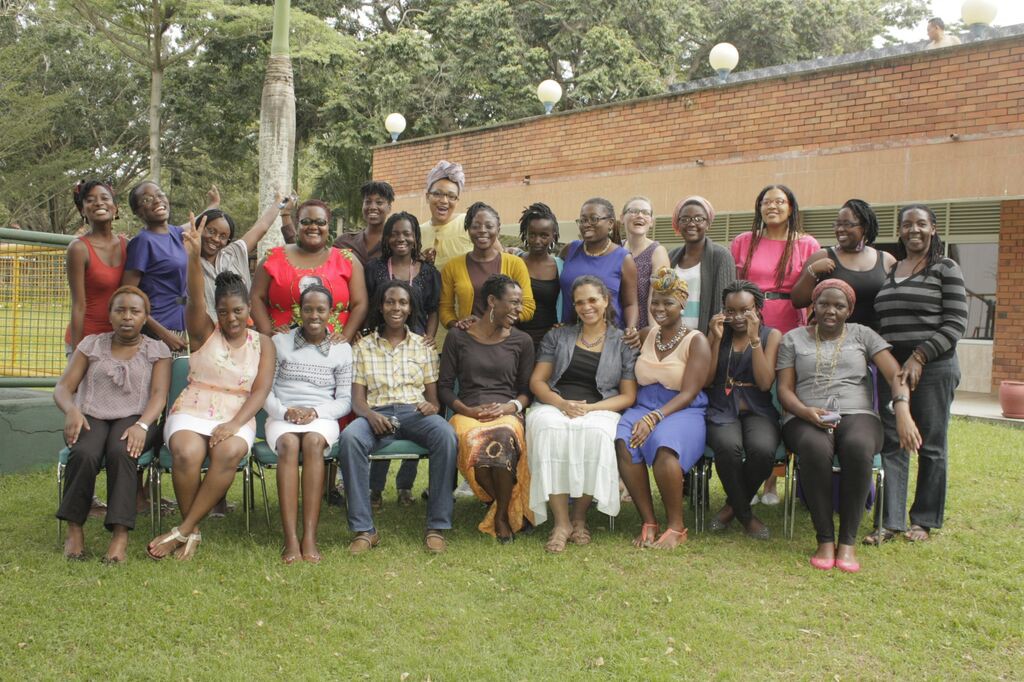 and journalists to apply for the Writing for Social Change Workshop 2015. This 10-day writing workshop, will be taking place in Uganda from July 27 to August 5, 2015.
The workshop will be facilitated by veteran BBC journalist and media expert Elizabeth Ohene from Ghana and award-winning writer Yewande Omotoso, from Nigeria/South Africa/Barbados.
This workshop is targeted at women writers, journalists and activists who wish to step-up their involvement in highlighting issues around women’s rights and social justice. Participants will be expected to read widely from assigned selected texts, and to complete daily writing exercises. After the workshop, the participants are expected to use the knowledge acquired to write widely about social justice issues in and beyond their communities.
Priority will be given to interested women journalists who wish to actively engage in women’s activism – we are expecting at least 50% of the writers selected for this workshop to be full-time journalists. We will also include women from AWDF’s existing grantee organisations, and within our partner networks.
Full accommodation, meals and a partial travel grant will be provided to all successful applicants. All applicants will be expected to be present for the ten-day duration of the workshop. A Memorandum of Understanding will be signed by successful applicants to enable smooth running of the workshop.
Application Guidelines
Deadline for submission is May 31 2015. Only those accepted to the workshop will be notified by June 5, 2015.
To apply send an e-mail to; communications@africlub.net/awdf.
E-mail subject should read ‘Application for Social Justice Workshop 2015’
The body of the e-mail should contain the following:
a) Your Name
b). Your Email Address
c). A short bio (maximum 200 words)
d). A sample article about women’s rights or social justice -between 500 and 1000 words. The sample maybe unpublished or published on any media. This can be sent as an attachment or as part of the email body especially if it has images. AWDF will not be responsible in case of any plagiarism.
Bios of Lead Facilitators
Elizabeth Ohene, from Ghana, is a veteran journalist, writer and broadcaster, and a former government minister.
Her career began at Ghana’s leading newspaper group the Daily Graphic, (owned by Graphic Corporation), where for over a decade she served as a reporter, staff writer, columnist and Editor.
In London in 1983, she founded the Talking Drums, a weekly news magazine on West African affairs and served as the Publisher/Editor for the three years of the magazine’s existence. Elizabeth joined the BBC World Service in London, UK, in 1986, first as a Producer of Radio Programmes, then served in various positions in the World Service and British Domestic Radio, and as a columnist on the Focus on African Magazine. She also served as Deputy Editor for the award winning Focus on Africa Programme. She reported regularly for the BBC from various parts of Africa and was the resident correspondent in South Africa from 1992 to 1994 during the transition from apartheid to the first democratic elections.
Miss Ohene conducted several training programmes for journalists for the BBC in South Africa, Nigeria, Liberia, Senegal, Sierra Leone, Kenya, Ethiopia and Somalia. She also ran a network of more than 150 stringers located in all parts of Africa for the BBC Africa Service, supervising their editorial work.
Where courses are run for African women in the Media according to their needs, Miss Ohene’s professional activities include being a member of the International Women Media Foundation which actively promotes women’s competency and leadership in the media. The foundation has established an Africa Women’s Media Centre in Dakar, Senegal, She served as a board member of the International Commission of Investigative Journalists and a member of the panel of judges for the CNN Africa Journalist of the Year Competition.
She served in government as a Minister of State from 2001 to 2009.
She currently writes a weekly column in the Daily Graphic, Ghana’s largest circulating daily and a monthly Letter from Africa for the BBC.
Yewande Omotoso, born in Barbados, grew up in Nigeria and currently lives in Johannesburg.
Yewande trained as an architect at the University of Cape Town, to which she returned after working as an architect for several years, to complete a Masters in Creative Writing. The product of her degree is her debut novel ‘Bomboy’ published in 2011 by Cape Town publisher Modjaji Books.
mes Literary Awards, the MNet Film Award and the 2013 Etisalat Prize for Literature. It won the South African Literary Award First Time Author Prize.‘Bomboy’ was shortlisted for the 2012 Sunday Ti
Her other works include short stories ‘Two Old People’ in the anthology ‘Speaking for the Generation: Contemporary Stories from Africa’, ‘How About The Children’ published in The Kalahari Review, ‘Things Are Hard’ in the 2012 Caine Prize Anthology and ‘Fish’ published in The Moth Literary Journal.
Omotoso, for whom writing is a means to make sense of the world, is
interested in the complexity of human experiences as well as the incongruities of life.
Loneliness is a recurring theme. Omotoso views her writing as a tool for compassion and evoking self-examination. For her talent and the intent to tell stories, she credits her parents and a childhood steeped in reading and the sharing of ideas.[/tp]
[tp lang=”fr” not_in=”en”] COMMUNIQUÉ DE PRESSE
Le Fonds de développement des femmes africaines (AWDF) en collaboration avec FEMRITE – Ouganda, Association des femmes écrivains, invitent les écrivaines africaines et journalistes à candidater pour l’Atelier d’écriture pour le changement social 2015. Cet atelier d’écriture de 10 jours, aura lieu en Ouganda du 27 Juillet au 5 Août 2015.
L’atelier sera animé par la journaliste vétérente de la BBC et spécialiste des médias Elizabeth Ohene du Ghana ainsi que l’écrivaine primée Yewande Omotoso, du Nigeria / Afrique du Sud / Barbade.
Cet atelier est destiné aux femmes écrivains, journalistes et militantes qui souhaitent organiser leur implication en soulignant les questions autour des droits des femmes et la justice sociale. Les participantes seront appelées à lire abondamment des textes choisis, et effectuer des exercices d’écriture quotidiens. Après l’atelier, les participantes sont invités à utiliser les connaissances acquises pour écrire largement sur les questions de justice sociale dans et au-delà de leurs communautés.
Cet atelier fait partie des efforts d’AWDF pour amplifier la voix des femmes africaines et vise à créer un réseau qui permettra aux participantes de placer leurs articles et histoires dans une gamme de médias locaux, régionaux et internationaux.
La priorité sera donnée aux femmes journalistes intéressées qui souhaitent participer activement au militantisme des femmes – nous nous attendons à ce qu’au moins 50% des écrivaines sélectionnées pour cet atelier soient journalistes à plein temps. Nous allons aussi inclure les femmes à partir des organismes bénéficiaires existants d’AWDF, et au sein de nos réseaux de partenaires.
Hébergement en pension complète, les repas et une subvention de Voyage partielle seront fournis à toutes les candidates retenues. Tous les candidates seront tenues d’être présentes pendant toute la durée, les dix jours, de l’atelier. Un protocole d’accord sera signé par les candidates retenues afin de permettre le bon déroulement de l’atelier.
Directives de candidatures
La date limite de soumission est le 31 mai 2015. Seules celles acceptées à l’atelier en seront avisées de 5 Juin 2015.
Pour postuler envoyez un e-mail à: communications@africlub.net/awdf.
En sujet de l’e-mail veuillez indiquer: «Application pour la justice sociale Atelier 2015»
Le corps de l’e-mail doit contenir les éléments suivants:
a) Votre nom
b). Votre adresse E-mail
c). Une courte biographie (200 mots maximum)
ré). Un article de l’échantillon sur les droits des femmes ou la justice sociale -entre 500 et 1000 mots. L’échantillon peut être publié ou non sur tous les médias. Cenui-ci peut être envoyé en tant que pièce jointe ou comme partie du corps de courrier électronique en particulier si il a des images. AWDF ne sera pas responsable en cas de plagiat.
Bios des facilitateurs principaux
Elizabeth Ohene, du Ghana, est une journaliste chevronnée, écrivaine, animatrice radio, et une ancienne ministre du gouvernement.
Sa carrière a commencé au principal journal ghanéen le Daily Graphic, (détenu par la Société Graphic), où, pendant plus d’une décennie, elle a opéré en tant que journaliste, auteur de personnel, chroniqueuse et rédactrice en chef.
A Londres, en 1983, elle a fondé le Talking Drums, un magazine hebdomadaire de nouvelles sur les affaires de l’Afrique de l’Ouest et a été l’Editrice / Rédactrice au long des trois années d’existence de la revue. Elizabeth a rejoint la BBC World Service à Londres, Royaume-Uni, en 1986, d’abord comme producteur de programmes radio, puis a occupé divers postes dans le World Service et Radio national britannique, elle a également été chroniqueur pour le magazine africain FOCUS ON. Elle a également été rédacteur en chef adjoint pour le primé Focus On Programme Africain. Elle a régulièrement rendu compte pour la BBC de diverses parties de l’Afrique et a été correspondant résident en Afrique du Sud de 1992 à 1994 au cours de la transition de l’apartheid aux premières élections démocratiques.
Mlle Ohene a mené plusieurs programmes de formation pour les journalistes de la BBC en Afrique du Sud, au Nigeria, Liberia, Sénégal, Sierra Leone, Kenya, Ethiopie et en Somalie. Elle a également dirigé un réseau de plus de 150 longerons situés dans toutes les régions de l’Afrique pour le service BBC Afrique, dont elle supervisait le travail éditorial.
Des cours sont organisés pour les femmes africaines dans les médias selon leurs activités professionnelles et leurs besoins. Miss Ohene est notamment un membre de la Fondation internationale des femmes dans les médias qui favorise activement la compétence et le leadership des femmes dans les médias. La fondation a mis en place un Centre de médias des femmes d’Afrique à Dakar, au Sénégal, elle a été membre du conseil d’administration de la Commission internationale des journalistes d’investigation et membre du jury pour leCNN Africa Journalist of the Year.
Elle a également fait partie du gouvernement comme ministre d’État de 2001 à 2009.
Elle écrit actuellement une chronique hebdomadaire dans le Daily Graphic, le plus grand quotidien en circulation au Ghana et une “Letter from Africa” mensuelle pour la BBC.
Yewande Omotoso, née à la Barbade, a grandi au Nigeria et vit actuellement à Johannesburg.
Yewande a suivit une formation d’architecte à l’Université du Cape, à laquelle elle est retournée après avoir travaillé comme architecte pendant plusieurs années, pour terminer une maîtrise en création littéraire. Le produit de son diplôme est son premier roman “Bombo” publié en 2011 par l’éditeur Modjaji Livres à Au Cap.
Literary Awards, the MNet Film Award and the 2013 Etisalat Prize for Literature. Il a remporté le South African Literary Award First Time Author Prize. “Bomboy” a été sélectionné par le Sunday Ti 2012.
Ses autres œuvres comprennent des histoires courtes «Deux personnes âgées» dans l’anthologie «parler pour la génération: Histoires contemporaines de l’Afrique», «How About The Children» publié dans la Revue du Kalahari, «choses sont difficiles» dans le Caine Prize Anthology 2012 et ‘Fish’ publié dans The Moth Journal littéraire.
La poésie de Yewande est publiée dans le Journal littéraire Baobab. ‘The Rain “a été sélectionné pour l’édition 2012 du Prix de Poésie Sol Plaatjie de l’Union européenne . Elle était en 2013 membre de Norman Mailer et en 2014 membre d’Etisalat à l’Université d’East Anglia. Elle est une boursière de Miles Morland en 2015.
Omotoso, pour qui l’écriture est un moyen de donner un sens au monde, est intéressé par la complexité de l’expérience humaine ainsi que les incongruités de la vie.
La solitude est un thème récurrent. Omotoso considère son écriture comme un outil pour la compassion et évoque l’auto-examen. Pour son talent et l’intention de raconter des histoires, elle l’attribue à ses parents et une enfance imprégnée de la lecture et le partage des idées.[/tp]
An Address by Ghana’s Minister of Gender, Children and Social Protection at AWDF’s candlelight vigil on the 1st anniversary of Chibok Girls’ Abduction
An Address by Ghana’s Minister of Gender, Children and Social Protection at AWDF’s candlelight vigil on the 1st anniversary of Chibok Girls’ Abduction
[tp lang=”en” not_in=”fr”]Tuesday, April 14th 2015 marked the first anniversary of the abduction of the over 200 girls from Chibok in Northern Nigeria. To commemorate the occasion, AWDF, in conjunction with the University of Ghana’s Centre for Gender Studies and Advocacy (CEGENSA), organised a peaceful candlelight vigil where Ghana’s Minister for Gender, Children and Social Protection, the Honourable Nana Oye Lithur, delivered a powerful and moving address, affirming Ghana’s solidarity with the Nigerian people and called for the safe return of the girls:
Members of the Diplomatic Community
Chief Executive Officer, the African Women’s Development Fund (AWDF), Theo Sowa
Representatives from AWDF and CEGENSA
Students
Ladies and Gentlemen
I thank you for inviting me to this solemn ceremony. Exactly a year ago, more than 230 girls, with hope for a better future were in school at Chibok in Northern Nigeria. They knew that they would finish secondary school and continue to pursue their dreams of an accomplished educated life that they could pass on to their children’s children. They knew that education was the sure way to working in any of their country’s corporate institutions or creating their own businesses to improve the economic conditions of their families. They had parents who were regularly expectant of the results from their investment in their children’s education.
But then all these dreams came to an abrupt end. The world woke up to the rude shock of the abduction of these girls by militant group Boko Haram. The shock of this marauding swoop by Boko Haram resulted in demonstrations and calls from peoples of all walks of life worldwide for the return of the girls. Nigerian campaigners used social media, particularly Twitter, to raise awareness about the kidnapping. The #bringbackourgirls online campaign caught on well with notable personalities like First Lady of the United States Michelle Obama and Democratic Presidential nominee hopeful Hillary Clinton as well as a number of prominent celebrities, joining it.
Ladies and Gentlemen, this heinous crime attracted the attention of many countries, which offered their assistance to Nigeria for the girls’ return or rescue:
- The United Kingdom agreed to send experts to Nigeria to assist in the search for the students.
- The United States also agreed to send experts to Nigeria to assist in the search for the students.
- France offered a specialist team.
- China announced its intention to make available any useful information acquired by its satellites and intelligence services.
- Canada joined the international effort to free the schoolgirls.
- Iran offered to help Nigeria resolve the issue of the abduction of the female students.
- Israeli Prime Minister, Benjamin Netanyahu, offered assistance to the Nigerian President in locating the missing pupils.
ECOWAS member countries have stood up to the fight for the return of these girls. On the 17th of January this year, I chaired an ECOWAS meeting of Gender Ministries West Africa. After the meeting, we issued a Declaration that described as “unacceptable and intolerable, the act of lawlessness and impunity demonstrated through the abduction of the Chibok girls…” We noted the “direct and indirect consequences of insurgency ” and reaffirmed “our strong support to the government and people of Nigeria.”
I made a similar call at the 59th Session of the UN Commission on the Status of Women. I asked for the “immediate and unconditional release of the more than 200 Chibok girls and other abducted persons in Northern Nigeria.”
The Chairman of ECOWAS, President John Mahama, speaking to West African representatives in Germany recently noted that “no country can say that the Boko Haram threat is too far away to be affected” and that “the whole continent is under threat.” President Mahama, as Chairman of ECOWAS, has led the call for the creation of a multinational force to deal with Boko Haram. Currently, Nigeria, Cameroun, Chad and Benin have contributed troops to fight Boko Haram.
Indeed, the hearts of many were gladdened recently, when it was reported that the headquarters of Boko Haram had been retaken.
Each of the last 365 days has passed with parents of our daughters going to bed, wondering what could be happening to their [children]. I am glad that the concern for the return of these girls has not waned.
The Chibok girls have still not been returned. We need to sustain the campaign; and that is why I commend the African Women’s Development Fund (AWDF) and the Centre for Gender Studies and Advocacy (CEGENSA) for putting this programme together. This public show of support for the families and parents of the missing girls is indeed timely
Ghana as a country shares the pain of the parents of the girls. We as a People and Government commit to do all in our power to help find the girls.
Our President who is ECOWAS Chairman is leading this crusade for the return of the girls and we know they shall be found.
May God bless us all and help #bringbackourgirls![/tp]
[tp lang=”fr” not_in=”en”]Mardi 14 Avril 2015 a marqué le premier anniversaire de l’enlèvement de plus de 200 jeunes filles à Chibok dans le nord du Nigeria. Pour commémorer l’occasion, AWDF, en collaboration avec le Centre de l’Université du Ghana pour les études du genre et de plaidoyer (CEGENSA), a organisé une veillée aux chandelles pacifique où le ministre ghanéen pour le genre, l’enfance et la protection sociale, l’honorable Nana Oye Lithur, a livré un puissant et émouvant discours, affirmant la solidarité du Ghana avec le peuple nigérian et a appelé à un retour sûr des filles:
Les membres de la communauté diplomatique
La Chef de la direction, Fonds Africain de développement de la femme (AWDF), Theo Sowa
Des représentants d’AWDF et CEGENSA
Étudiants
Mesdames et Messieurs
Je vous remercie de votre invitation à cette cérémonie solennelle. Il y a exactement un an, plus de 230 filles, avec l’espoir d’un avenir meilleur étaient à l’école de Chibok au nord du Nigeria. Elles savaient qu’elles allaient terminer l’école secondaire et continuer à poursuivre leurs rêves, une vie instruite et accomplie qu’elles pourraient transmettre aux enfants de leurs enfants. Elles savaient que l’éducation était le moyen sûr de travailler dans l’une des institutions de leur pays ou de créer leurs propres entreprises pour améliorer les conditions économiques de leurs familles. Elles avaient des parents qui étaient régulièrement dans l’attente des résultats de leur investissement dans l’éducation de leurs enfants.
Mais tous ces rêves ont connu une fin abrupte. Le monde se réveilla rudement du choc de l’enlèvement de ces jeunes filles par le groupe militant Boko Haram. Le choc de cette attaque surprise par Boko Haram a abouti à des manifestations et appels de personnes, de toute origine et dans le monde entier, pour le retour des filles. Les militants nigérians ont utilisé les médias sociaux, notamment Twitter, pour sensibiliser à l’enlèvement. Le #bringbackourgirls, campagne en ligne a attiré des personnalités notables comme la Première Dame des Etats-Unis Michelle Obama et la candidate démocrate Hillary Clinton ainsi qu’un certain nombre de célébrités de premier plan.
Mesdames et Messieurs, ce crime odieux a attiré l’attention de nombreux pays, qui ont offert leur aide au Nigeria pour le retour ou le sauvetage des filles:
- Le Royaume-Uni a décidé d’envoyer des experts au Nigeria pour aider à rechercher les étudiantes.
- Les États-Unis ont également convenu d’envoyer des experts au Nigeria pour aider à la recherche des adolescentes.
- La France a proposé une équipe de spécialistes.
- La Chine a annoncé son intention de mettre à disposition toutes les informations utiles acquises par ses satellites et services de renseignement.
- Le Canada se joint à l’effort international pour libérer les écolières.
- L’Iran a offert d’aider le Nigeria à résoudre le problème de l’enlèvement des étudiantes.
- Le Premier ministre israélien, Benjamin Netanyahu, a offert son aide au président nigérian afin de localiser les élèves manquantes.
Les pays membres de la CEDEAO se sont levés dans la lutte pour le retour de ces jeunes filles. Le 17 Janvier de cette année, je présidais une réunion de la CEDEAO sur l’égalité des ministères en Afrique de l’Ouest. Après la réunion, nous avons émis une déclaration qui décrit comme “inacceptable et intolérable, l’acte d’anarchie et d’impunité démontré par l’enlèvement des filles de Chibok …” Nous avons noté les “conséquences directes et indirectes de l’insurrection” et avons réaffirmé “notre solide soutien au gouvernement et au peuple du Nigeria. “
Je fis un appel similaire à la 59e session de la Commission des Nations Unies sur la condition de la femme. Je demandai à la “libération immédiate et inconditionnelle des plus de 200 filles de Chibok et d’autres personnes enlevées dans le nord du Nigeria.”
Le Président de la CEDEAO, le Président John Mahama, parlant aux représentants d’Afrique de l’Ouest en Allemagne a récemment noté qu’ «aucun pays ne peut dire que la menace Boko Haram est trop loin pour être affecté» et que «l’ensemble du continent est menacé.” Le président Mahama , en tant que président de la CEDEAO, a conduit l’appel à la création d’une force multinationale pour faire face à Boko Haram. Actuellement, le Nigeria, le Cameroun, le Tchad et le Bénin ont fourni des troupes pour combattre Boko Haram.
En effet, le cœur de beaucoup s’est réjoui récemment, quand il a été signalé que le siège de Boko Haram avait été repris.
Au cours de chacun des 365 derniers jours les parents de nos filles allaient se coucher en se demandant ce qui pouvait arriver à leurs [enfants]. Je suis heureuse que la préoccupation pour le retour de ces filles n’ait pas diminué.
Les filles de Chibok n’ont toujours pas été retrouvées. Nous devons soutenir la campagne; et voilà pourquoi je félicite le Fonds Africain de développement de la femme (AWDF) et le Centre pour les études du genre et de plaidoyer (CEGENSA) de développer ce programme ensemble. Cette manifestation publique de soutien aux familles et aux parents des jeunes filles disparues se fait en effet en temps opportun
Le Ghana comme pays partage la douleur des parents des jeunes filles. Nous, en tant que peuple et au Gouvernement, engageons à faire tout ce qui est en notre pouvoir pour aider à trouver les filles.
Notre président, qui est le président de la CEDEAO, est à la tête de cette croisade pour le retour des filles et nous savons qu’elles doivent être trouvées.
Que Dieu nous bénisse tous et nous aide #bringbackourgirls![/tp]