
Category: grantees
#Spotlight: Femme Forte Uganda preserving feminist histories through digital innovation.
#Spotlight: Femme Forte Uganda preserving feminist histories through digital innovation.
This year, with support from African Women’s Development Fund, Femme Forte Uganda unveiled the Virtual Museum of African Feminists — an interactive digital platform that documents, preserves, and celebrates African feminist histories, thought, and resistance.
Femme Forte described this as a “historic and deeply personal launch. The museum emerged as a bold response to shrinking civic space, erasure of feminist narratives, and the silencing of gender- diverse communities across the continent.
The virtual museum has drawn widespread attention from mainstream and new media. Dubbed by Ugandan media as “Uganda’s feminist digital museum” and hailed as a “groundbreaking virtual museum” this spaces marks the “dawn of a new era”. It curates archival materials, storytelling, activist histories, and visual content that reflect the depth and diversity of African feminist organising.
Answering why anyone would want to visit a feminist museum, in her speech, Penelope Sanyu, then Chief Stewardess of the Femme Forte, noted that “the simple answer is because history has always done a good job at erasing the genius labour, and stories of women”.
The Virtual Museum of African Feminists is designed as both a memory project and a tool for education, it enables women, queer, and gender-diverse persons to reclaim voice and visibility on their terms. By reimagining digital museums as civic and political spaces, Femme Forte is expanding how feminist knowledge is produced, preserved, and accessed. This initiative offers a model for how digital platforms can resist erasure while affirming the lived realities and resistance of African feminists.
African feminist stories deserve to be told and this is a powerful tribute to the voices, struggles, and victories of African feminist icons.
Watch the launch HERE
Step inside the museum here
IWD 2025 : Stories of Resistance & Resilience
IWD 2025 : Stories of Resistance & Resilience
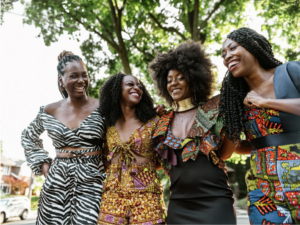
As we commemorate International Women’s Day 2025, African Women’s Development Fund (AWDF) reflects on the remarkable victories, challenges, and unwavering resilience of feminist movements across the African continent. Through in-depth conversations with our partners, we have gathered powerful stories of perseverance, advocacy, and transformative impact.
This year’s theme, “Accelerate Action for Gender Justice” – #AccelerateAction, underscores the urgency of sustaining feminist movements and ensuring that gender justice remains a priority in the face of growing resistance. This article amplifies the voices of AWDF’s KASA, Leading From South, and KOMBOA partners in the Democratic Republic of Congo, Niger, Mozambique, Angola, Zimbabwe, and Nigeria—feminist organizations that continue to break barriers and champion the rights of women and marginalized communities.
REFED-NK, Democratic Republic of Congo: Defending Women’s Rights Amidst Conflict
Operating in North Kivu, Democratic Republic of Congo, Réseau Femmes et Développement Nord-Kivu has been advocating for women’s rights since 2004. The organization tirelessly works to protect and empower women, girls, children, and marginalized groups, despite persistent instability and human rights violations in the region.
“The current state of our city is deeply alarming, characterized by severe human rights violations, including sexual violence against women and young girls. Since January 23, our activities have been suspended due to escalating insecurity. We have been unable to access our office, as ensuring the safety of our staff is paramount. However, we remain hopeful that peace will soon be restored, and we will once again raise our voices for justice and equality.”
— Deborah Mupita, Executive Secretary, REFED-NK
The call for transitional justice for Congolese women victims of war remains central to REFED’s mission. In times of crisis, their advocacy is more crucial than ever.
CNJFL, Niger: Empowering Young Women Amidst Growing Opposition(LFS Partner)
The Cellule Nigérienne des Jeunes Filles Leaders is committed to strengthening girls’ and women’s leadership, fighting gender-based violence, and promoting education and healthcare access in Niger. However, their mission is increasingly challenged by conservative forces that seek to suppress progress.
“Conservative sociocultural norms and opposition from religious and political groups obstruct the implementation of our initiatives. Despite these barriers, we have adopted transformative approaches that allow us to continue our work effectively. This year, we successfully organized mentorship and leadership camps, equipping over 60 young urban and rural girls with the skills to become changemakers.”
— Halimatou Zika, President, CNJFL
CNJFL’s achievements are made possible through the unwavering solidarity of feminist allies, including AWDF.
AMPDC, Mozambique: Strengthening the Fight Against Gender-Based Violence (KOMBOA Partner)
In Mozambique, the Associação das Mulheres para Promoção de Desenvolvimento Comunitário plays a pivotal role in advocating for gender justice. Their work focuses on influencing societal attitudes, combating gender-based violence (GBV), and empowering women economically.
“One of our greatest achievements has been the establishment of the Femicide Watch and the Unified System for the Prevention and Response to Gender-Based Violence (GBV). The support from public institutions and feminist movements in Sofala Province has been instrumental in driving institutional change. “
— Angela Jorge, Executive Director, AMPDC
Mwana Pwo, Angola: A Lifelong Commitment to Sexual and Reproductive Health Rights (LFS Partner )
Despite systemic obstacles, Mwana Pwo in Angola continues to provide critical information on sexual and reproductive health. Their work is fueled by an unwavering sense of duty and passion.
“What keeps me going is my deep commitment, passion, and love for this work. Supporting young women who have survived violence and oppression has been the most powerful and transformative aspect of my journey. Even in our lowest moments, we must lift our heads high and keep moving forward.“
— Aida Gilberto João, Gender Assistant, Mwana Pwo
Tag a Life International, Zimbabwe: Pushing for Legal Reforms and Leadership
Nyaradzo Mashayamombe , Founder and Executive Director of Tag a Life International, remains steadfast in her fight for women’s rights in Zimbabwe and across Africa.
“Despite rising anti-women movements, I draw strength from the women before me. They fought for our rights, and now it is our duty to carry the baton forward. Each time a girl graduates through our Leadership Economic Mentorship (LEMS) program and steps into public life—whether in politics or business—it is a triumph. One of our young women even became a mayor, proving that feminist activism leads to real change.“
A landmark victory for her organization was leading the advocacy for the Education Amendment Act, signed into law by the President of Zimbabwe. This legislation ensures that girls from rural and low-income communities have access to state-funded basic education.
Girl Child Art Foundation, Nigeria: Art as a Tool for Healing and Resistance (KASA Partner)
In Nigeria, Girl Child Art Foundation harnesses the power of art, storytelling, and advocacy to combat gender-based violence.
“We refuse to be silenced. Through murals, community workshops, and creative expression, we create safe spaces where girls reclaim their voices. For us, this was proof that art is not just about painting and drawing—it is a powerful medium for expression, healing, and change. ”
— Blessing Onyejike-Ananaba, Executive Director, GCAF
The Power of Feminist Funding and Solidarity
The testimonies from AWDF partners reinforce the vital role of feminist funding in ensuring the resilience, growth, and sustainability of grassroots feminist movements. In regions where civic space is shrinking and opposition is intensifying, organizations like AWDF provide crucial support that enables activists to continue their work despite mounting challenges.
As we mark #IWD2025, we reaffirm our commitment to #AccelerateAction—ensuring that feminist movements across Africa remain strong, impactful, and enduring. The fight for justice and gender equality continues, propelled by the steadfast solidarity of women dedicated to creating lasting change.
Bintou Mariam Traoré, communications Officer
Holistic approaches in ending FGM in The Gambia: GAMCOTRAP’s Resilience
Holistic approaches in ending FGM in The Gambia: GAMCOTRAP’s Resilience
In 2025, FGM remains a persistent practice in The Gambia, despite being banned since 2015. The parliamentary debate over the anti-FGM law in 2024 highlighted the ongoing challenges. When a private member’s bill sought to repeal the existing law, 30 out of 65 members of parliament voted to maintain the anti-FGM law in the country.
The Gambia Committee on Traditional Practices Affecting the Health of Women and Children has been at the forefront of combating FGM through a multifaceted approach. Their three-decade-long efforts focus on culturally sensitive strategies that challenge harmful practices while respecting community dynamics. Key initiatives include community-based surveillance, where regional coordinators monitor and prevent FGM cases. In a recent success, five out of eight girls were saved from undergoing FGM in the Central River Region.
Dr. Isatou Touray, Executive Director of GAMCOTRAP powerfully states, “The fight against FGM is not just the responsibility of women, it requires the collective effort of all stakeholders, including men, policymakers, traditional leaders, and the global community.” The organisation employs comprehensive strategies such as engaging traditional and religious leaders, empowering youth and men as allies, and providing alternative employment for ex-circumcisers. Their work extends beyond immediate intervention to systemic change through policy advocacy and rights education
Key Learnings and Insights
A key lesson for GAMCOTRAP in their efforts to end the persistence of FGM in Gambia is that sustainable change requires holistic community involvement. When women and girls understand their rights and the risks associated with FGM, they become powerful agents of change. The approach combines legal frameworks, social mobilization, and economic empowerment to create lasting impact.
Notably, the fight against FGM is no longer seen as solely a women’s issue. Men, youth, and community leaders are increasingly recognised as crucial allies in challenging harmful traditions while respecting cultural values.
Support Needed to Accelerate Change
To accelerate FGM elimination, a coordinated approach is essential. This includes:
- Systematic engagement of community structures
- Survivor-led programs challenging gender norms
- Increased funding for grassroots organizations
- Sustainable financial support for prevention programs
***
The contents of this article are from GAMCOTRAP, an AWDF grantee partner in The Gambia, supported under the Komboa Initiative
#WorldAIDSDay 2024 Leading from the south
#WorldAIDSDay 2024 Leading from the south
On this #WorldAIDSDay , we shine a spotlight on the women leading the fight against HIV. In partnership with the Leading from the South (LFS) consortium, we stand in solidarity with African women-led organizations like the Coalition of Women Living with HIV and AIDS (COWLHA), the African Girls Empowerment Network (AGEN), and the AIDS and Rights Alliance for Southern Africa (ARASA), who are at the forefront of tackling the HIV epidemic in Africa. These women—activists, community leaders, and advocates—are driving change and offering transformative solutions to the HIV crisis. They are not only fighting the virus but also challenging the stigma and discrimination that often accompanies it. Their leadership is proof that grassroots, women-led initiatives are essential in the global response to HIV/AIDS.
Leading from the South (LFS) is a feminist, South-South global consortium designed and managed by four prominent women’s funds: the African Women’s Development Fund (AWDF), Fondo de Mujeres del Sur, FIMI – International Indigenous Women’s Forum, and Women’s Fund Asia. Together, these organizations amplify the voices of women from the Global South, ensuring that they are central to global conversations and actions around HIV/AIDS. Their collective efforts are helping to shape policies, raise awareness, and build local capacity to address the HIV epidemic in ways that are sensitive to the realities and needs of women in the Global South.
The leadership and expertise of these women are vital in the fight against HIV, and it is crucial that we continue to support and elevate their work. By amplifying local voices and empowering women to take charge of their health, we can work towards a world free from HIV, discrimination, and inequality.
Let’s unite in this effort, strengthen our solidarity, and continue to take action together.
Bintou Mariam Traoré, communications Officer
LFS Grantee stories
LFS Grantee stories
Leading from the South (LFS) is a feminist global South-led consortium conceptualized and managed by four leading women’s funds: African Women’s Development Fund (AWDF), Fondo de Mujeres del Sur (FMS), International Indigenous Women’s Forum (FIMI) , and Women’s Fund Asia (WFA). As a feminist resource alliance, LFS supports feminist activism and lobbying efforts by women, girls, and trans-led organizations, movements, and networks at the regional, national, and grassroots levels in the Global South.
What actions are the beneficiaries taking? Discover 3 of them:
Women Leaders Network for Development (RFLD), Benin
- Advocates for the effective implementation of the legal framework prohibiting Female Genital Mutilation (FGM) in the Republic of Benin.
- Engages in dialogue on FGM with religious and traditional leaders in Natitingou, Benin.
African Girls Empowerment Network, Nigeria
- Launched in September 2023, this campaign aims to engage over 10,000 men in the fight to end rape, child marriage, intimate partner violence, and the stigma against women’s reproductive choices.
- Implements labor laws to promote the rights of domestic workers.
- Celebrated International Women’s Day 2023, attended by YOWLI Burundi members, domestic workers, representatives of domestic worker associations, and journalists.
Bintou Mariam Traoré
Youth Changers Kenya (YCK),
Youth Changers Kenya (YCK),
Youth Changers Kenya is a local organisation that was formed in 2015 by Venoranda Rebecca Kuboka to help address the issues of high rates of teenage pregnancy, lack of sexual reproductive health information and services and high prevalence of sexual violence within her community. With this grant, YCK will commemorate the 2020 Sixteen Days of Activism Against Gender Based Violence by using sports and structured information sharing to build the knowledge of young women on preventing VAWG and taking seriously their mental health and wellness.
Young Women’s Christian Association in Ethiopia (YWCA Ethiopia)
Young Women’s Christian Association in Ethiopia (YWCA Ethiopia)
YWCA was initially formed in 1952 and later ceased operations for 24 years, It was re-established in 2000 as an Ethiopian resident charity. The organisation’s mission is to become a strong people’s organisation, which upholds; gender equality, socio-economic welfare and youth leadership for nation building. With this grant, YWCA Ethiopia would enhance the livelihoods of 360 young women in informal small businesses in Arada Sub-City, Ethiopia. The young women will be trained and mentored in entrepreneurship and leadership skills and supported to advocate for their economic rights.
WoMin African Gender and Extractives Alliance (WoMin)
WoMin African Gender and Extractives Alliance (WoMin)
WoMin is a regional women’s rights organisation working across the continent with small and medium sized local organisations to protest and demand for alternatives to destructive extractivism by mobilising women from marginalised communities and building local capacities for environmental issues based advocacy. This grant will be used to continue the building of a grassroots women’s movement for climate justice and a just development alternative for Africa. The project seeks to empower grassroots women, who directly feel the impact of the extractive industry, to organise and engage duty bearers and the industry as well as provide alternatives for their welfare.
Women’s organisation Network for Human Rights Advocacy (WONETHA)
Women’s organisation Network for Human Rights Advocacy (WONETHA)
WONETHA was established in 2008 by three sex workers to address the challenges facing sex workers. The organisation’s mission is to improve the health, social and economic wellbeing of adult female sex workers in Uganda while advocating for their human rights. This grant will be used to address the SRHR challenges facing sex workers in Uganda by sensitising health workers; organising health outreach; sensitise sex workers on violence against women and comprehensive SRHR services; and partner Marrie Stopes to provide free contraceptives for sex workers.
Women’s Legal Centre (WLC)
Women’s Legal Centre (WLC)
The Women’s Legal Centre is an African feminist legal centre that develops the law, policy and feminist jurisprudence based on an intersectional approach with substantive equality as its foundation. The Centre was formed in 1998 by a group of feminist lawyers who sought to advance the constitutional rights of women in South Africa. The grant will be used to support activities that will ensure the recognition and protection of the labour rights of vulnerable and marginalized women workers who often do not have their work legally recognized, regulated or protected.